

Using TradingView with Binary.com for Better Binary Options
📈 Learn how to connect TradingView with Binary.com for smarter binary options trading in Pakistan. Boost your strategies with charts, tools, & risk tips!
Edited By
Sophie Walker
Binary options are a straightforward way to trade on the price movement of financial assets like currencies, stocks, or commodities. Unlike traditional trading, where profits can vary, binary options offer fixed payouts based on a simple yes-or-no proposition: will the asset’s price be higher or lower at a specific time?
For example, you might predict that the price of crude oil will rise in the next hour. If you’re right at the expiry, you get a predetermined return; if not, you lose your initial stake. This fixed-risk, fixed-reward nature attracts traders looking for clear outcomes, but it also means losses can happen quickly.

Trading binary options carries high risk and is often compared to gambling. You need to understand the mechanics and risks before entering this market.
Choose an underlying asset (e.g., USD/PKR currency pair).
Decide the direction of price movement (up or down).
Select expiry time (could range from minutes to days).
Place your investment amount.
At expiry, receive a fixed profit if your prediction is correct or lose your stake if wrong.
This simplicity is deceptive as market movements are uncertain, and frequent losses erode capital fast. Unlike buying shares where you own part of a company, binary options don’t involve ownership – it’s pure speculation.
Suppose you invest Rs 5,000 predicting the KSE-100 index will be above 45,000 points in 30 minutes. The broker offers a 70% payout. If your prediction comes true, you earn Rs 3,500 profit (70% of Rs 5,000) plus your original capital. If wrong, you lose the entire Rs 5,000.
While the fixed-risk setup can be appealing, the odds often favour the broker. Traders should approach cautiously, backed by strong market analysis and risk management. Being aware of the legal and regulatory status in Pakistan also matters, as financial authorities have issued warnings about such products.
This article will explore these aspects further, offering insights for traders and investors considering binary options in our market environment.
Binary options are a type of financial trading instrument where the outcome is simply one of two possibilities: either a fixed amount of profit or a total loss. This all-or-nothing approach makes binary options distinct from most other investment tools. Understanding this format is vital for anyone considering trading them, as it directly impacts risk management and potential returns.
All-or-nothing trading format: In binary options, you stake a set amount on the direction of an asset's price within a specific period. For example, you might bet Rs 5,000 that the price of oil will be higher than $50 per barrel after one hour. If you are right, you get a predetermined payout, say Rs 8,500, combining your initial stake and profit. If you’re wrong, you lose the entire Rs 5,000. This fixed return or loss setup means traders know their maximum risk upfront, but it also means any wrong prediction wipes out their investment in that trade.
Underlying assets involved: Binary options let you trade on various underlying assets, including stocks (like OGDC or PSO shares), indices (KSE-100), commodities (gold, crude oil), currencies (USD/PKR), or even cryptocurrencies. This variety offers opportunities to capitalise on price movements in multiple markets without owning the underlying asset. For example, if you expect the Pakistan Stock Exchange to perform well amid political stability, you might place a binary options trade on the KSE-100 index rising within the day.
Fixed payoff versus variable payoff: Unlike traditional trading where profits or losses depend on how much the asset’s price moves, binary options offer a fixed payout decided before the trade starts. This means the maximum gain and loss are clear from the beginning. For instance, in traditional share trading, if a stock moves 3% up or down, your profit or loss fluctuates accordingly. In binary options, whether that stock goes up by 1% or 20%, the return remains fixed if your prediction is correct.
This fixed payoff makes binary options straightforward but also removes the chance for bigger profits tied to large price swings.
Simplified decision-making process: Traditional trading typically requires assessing how much an asset’s price will change, requiring complex analysis and timing. Binary options reduce this to a simple yes/no choice: will the price be above or below my selected point at expiry? This simplicity appeals to some traders, especially newcomers, since you focus only on direction rather than magnitude. Still, this simplicity masks the risk, as the absence of partial profits means one wrong call causes a complete loss.
In summary, binary options provide a clear-cut way to trade price movements with set risks and rewards. However, their straightforward nature also demands careful understanding and discipline to avoid costly mistakes.
Understanding how binary options trading works is key to grasping both its appeal and inherent risks. This section breaks down essential steps and choices traders make, from selecting assets to predicting price moves and deciding expiry times. Clear knowledge here helps traders avoid costly mistakes and better manage their strategies.
Choosing an asset is the first step. Traders pick from stocks, currencies, commodities, or indices as underlying assets. For instance, you might choose the Pakistan Stock Exchange's KSE-100 index or currency pairs like USD/PKR. Selecting an asset familiar to you or influenced by current market news can aid in making informed predictions.
Next, predicting price direction involves deciding whether the asset’s price will rise or fall within a set time frame. This "call" (price up) or "put" (price down) decision is simpler than traditional trading but still demands a good understanding of market trends. For example, if you think the petrol price announcement might push the PKR lower, you may place a 'put' option on USD/PKR.
Selecting expiry time means determining when the trade ends. It can range from minutes to hours or days. Many binary options have short expiry times, sometimes just 60 seconds, making trades very fast but riskier due to market volatility. Longer expiry times like one hour or a day allow more time for the price movement to align with predictions but may require greater patience and monitoring.

Call and put options form the basic types. A call option bets on a price increase, while a put option bets on a decrease. This straightforward approach appeals to beginners and those seeking quick decisions based on market sentiments or news.
There are also one-touch and boundary options. One-touch options pay off if the asset price touches a specified level at any time before expiry. Boundary options require the price to stay within or move outside a set range. These types cater to traders expecting specific price movements, such as a spike before earnings announcements or stability during calm market periods.
Binary options offer fixed returns on success, typically between 60% to 90% of the investment. For example, investing Rs 10,000 on a successful trade might yield Rs 16,000 at expiry. This fixed return appeals to many since gains are known upfront, simplifying risk management.
On the flip side, total loss on wrong prediction means if the trade fails, the entire investment is lost. Unlike traditional trading where loss sizes can vary, binary options trading results in losing the full sum placed. For instance, a Rs 10,000 bet going wrong means losing all that money immediately, which highlights the importance of cautious and informed decision-making.
In summary, binary options trading's simple structure and fixed outcomes attract traders looking for straightforward bets. However, the quick expiry times and all-or-nothing payoffs mean every trade carries significant risk that must be understood clearly before investing.
This basic understanding sets the stage for exploring risks, legal status, and safer alternatives throughout this article.
Trading binary options carries significant risks, which every trader and investor must understand before entering the market. These risks come from the trading format itself, the behaviour of brokers, and the overall regulatory environment. Knowing these dangers helps you make better decisions and avoid costly mistakes.
Short expiry times and volatility impact play a crucial role in the risk profile of binary options. Many binary options contracts expire within minutes or hours, forcing traders to predict short-term market movements accurately. Prices in such short windows can be highly volatile due to sudden news or market sentiment shifts, making predictions unreliable. For example, a Pakistani investor betting on the movement of oil prices within 15 minutes might lose due to a quick reaction to OPEC news, even if the longer trend is upward.
The rapid expiry leaves little room for market correction or adjustment, increasing the chances of loss. Unlike traditional trading, where investors can wait for moments of market stability, binary options traders often gamble on unpredictable price movements, which amounts to a high-risk environment.
House edge and broker practices add another layer of risk. Brokers typically offer fixed returns that, when examined carefully, reflect a built-in disadvantage for traders – known as the house edge. For instance, a winning trade might pay 80% returns, but the losing trade loses 100% of the investment. Over time, this structure favours the broker even if traders win more often than not.
Some brokers deploy aggressive tactics to increase losses, including manipulating expiry times, delaying payouts, or using complex terms that make it harder for traders to withdraw funds. As a result, even skilled traders may find the odds stacked against them. Pakistani traders should choose brokers carefully and be wary of platforms promising unrealistic profits.
Unlicensed operators are a common threat in binary options trading. Many brokers operate without proper licences from financial regulators, making them unaccountable to transparent rules. These offshore firms may target Pakistani traders through social media or unsolicited calls, offering easy money with little disclosure of risks.
Without regulatory oversight, these operators can withhold trader funds, refuse withdrawals, or disappear after collecting deposits. This risk is especially high in Pakistan, where local licences rarely cover international platforms and awareness about verifying broker legitimacy is low.
Common warning signs of fraudulent brokers include promises of guaranteed returns, pressure to deposit more money quickly, and a lack of clear contact details. Fake testimonials, poor website design, and refusal to provide contracts can also signal trouble. For example, if a broker urges you to double your investment “right now” to avoid missing out, it’s likely a scam.
Being vigilant to these signs helps traders avoid losing their money to unscrupulous platforms.
The absence of formal oversight in many countries amplifies the risks of binary options. Many jurisdictions, including Pakistan, lack specific laws regulating these trading platforms. This regulatory gap allows brokers to operate with minimal checks, increasing fraud risks and unfair market practices.
For Pakistani traders, dealing with unregulated brokers means facing unclear legal recourse if disputes arise. Regulatory bodies such as the Securities and Exchange Commission of Pakistan (SECP) have issued warnings about risks, but enforcement remains weak.
Challenges for investors in recovery of losses stem from this lack of regulation. Once funds are lost through scam platforms or unfair practices, recovering money is difficult. There is seldom a legal framework or consumer protection mechanism in place to support affected traders.
Even when dealing with foreign brokers, Pakistani investors find it tough to pursue refunds because of jurisdictional barriers and lack of cooperation between regulators. This makes it crucial to avoid risky binary options trading without verified, regulated brokers.
Understanding these risks helps traders protect their capital and approach binary options with caution. While the appeal of high returns is tempting, the real picture often involves high chances of loss and limited protection.
Understanding the legal and regulatory environment for binary options trading in Pakistan is essential for anyone considering this market. It determines whether such activities are allowed, what safeguards are in place for investors, and how disputes might be resolved. Since binary options carry high risks and often involve overseas brokers, knowing Pakistan’s stance helps traders avoid legal pitfalls and scams.
Pakistani financial regulators, including the Securities and Exchange Commission of Pakistan (SECP) and the State Bank of Pakistan (SBP), do not recognise binary options as legitimate financial instruments for trading within the country. SECP has explicitly flagged many binary options platforms as unregulated and warned investors against engaging with them. This lack of endorsement means there is no formal framework to govern these activities locally.
Besides the absence of regulation, Pakistani authorities have issued alerts cautioning the public about the risks associated with binary options. These warnings often highlight the high potential for loss and the prevalence of fraudulent brokers operating without proper licences. The Finance Division and Pakistan Telecommunication Authority (PTA) have also taken steps to block websites promoting binary options, especially after reports of scams.
Engaging with overseas binary options platforms puts Pakistani traders at significant risk due to jurisdictional challenges. Since these platforms operate beyond Pakistan's regulatory reach, traders face difficulty in verifying their legitimacy or resolving disputes. For example, if a trader loses funds on an offshore site, pursuing legal action is often complicated, time-consuming, and costly.
Moreover, the absence of consumer protection mechanisms further exposes traders to loss and fraud. Unlike traditional markets regulated by SECP or SBP, binary options investments lack insurance or safeguards such as compensation funds. Traders often rely solely on the broker’s goodwill, which many unlicensed operators exploit by delaying withdrawals or refusing refunds.
Pakistani traders should treat binary options with caution, considering their unregulated status and high-risk nature. It’s wise to prioritise investments in regulated markets and thoroughly research any platform before trading.
In sum, the legal and regulatory environment in Pakistan treats binary options trading as high-risk and essentially unregulated. This limits protections and increases vulnerability for local investors, making it critical to understand these factors before getting involved.
Binary options trading may seem straightforward, but it's riddled with risks that many new traders overlook. This section focuses on practical tips that can help you make informed decisions and avoid costly mistakes.
Before putting your money on the line, you must get a clear picture of what risks are involved in binary options trading. Unlike traditional investments, binary options offer fixed returns, but you can lose your entire stake very quickly. For example, if you bet Rs 10,000 on a currency pair moving up and you’re wrong, you lose the entire amount instead of a fraction. This all-or-nothing feature demands that you carefully evaluate your risk tolerance.
Recognising the possibility of total loss helps prevent impulsive trades. Many traders jump in after hearing stories of high profits without fully grasping the volatile nature of this market. Being aware of risks also means preparing yourself mentally and financially to handle losses, which is crucial for long-term survival.
Relying on trustworthy information is vital. Many online platforms and social media pages promise tips and sure-win strategies, but these often come from unqualified sources. Instead, turn to verified financial education websites, books written by experienced traders, or advice from registered financial advisors.
It helps to join local financial forums or attend seminars organised by registered brokers in Pakistan. For instance, seminars by SECP-registered firms often include warnings about risks and guidelines for responsible trading. This approach guards you against misinformation and potential fraud.
In contrast to binary options, traditional stock trading allows you to buy shares, which means you own part of the company. While stock prices fluctuate, you won’t lose your entire investment instantly unless the company collapses. For example, buying shares of companies listed on the Pakistan Stock Exchange (PSX) like Habib Bank Limited or Engro Corporation exposes you to long-term growth rather than short-term speculation.
Stocks also offer dividends, giving you a chance to earn income irrespective of price movements. If price goes down temporarily, you can hold on instead of losing everything like in a binary option where the expiry time is limited.
If you prefer even less risk, mutual funds and government bonds are safer routes. Mutual funds pool money from many investors to buy diversified portfolios, reducing the impact of a single asset’s poor performance. They are regulated by the SECP, offering transparency and security.
Government bonds, such as Pakistan Investment Bonds (PIBs), provide fixed interest payments over time and are backed by the government. This makes them less risky compared to speculative trades. For example, investing Rs 5 lakh in PIBs can yield steady income with capital preservation, ideal for conservative investors.
No legitimate investment can guarantee profits, especially in markets as unpredictable as binary options. If a platform or broker promises fixed returns without risk, treat it as a red flag. These claims often lure people into scams where money disappears once you deposit.
Always question offers that sound too good to be true. Genuine financial services provide clear risk disclosures and do not pressure you with unrealistic gain promises.
Another common warning sign is when brokers insist you add more money after initial deposits, often blaming market conditions or claiming that bigger investments will guarantee success. This tactic can trap inexperienced traders in an endless cycle of losses.
Reliable brokers allow you to control your deposits without coercion. If you face persistent pressure, it’s better to cut ties early and report the platform to regulators like SECP or FBR where possible.
Taking these tips seriously can save you from unnecessary losses and guide you towards more secure ways of growing your wealth in Pakistan’s financial markets.
📈 Learn how to connect TradingView with Binary.com for smarter binary options trading in Pakistan. Boost your strategies with charts, tools, & risk tips!
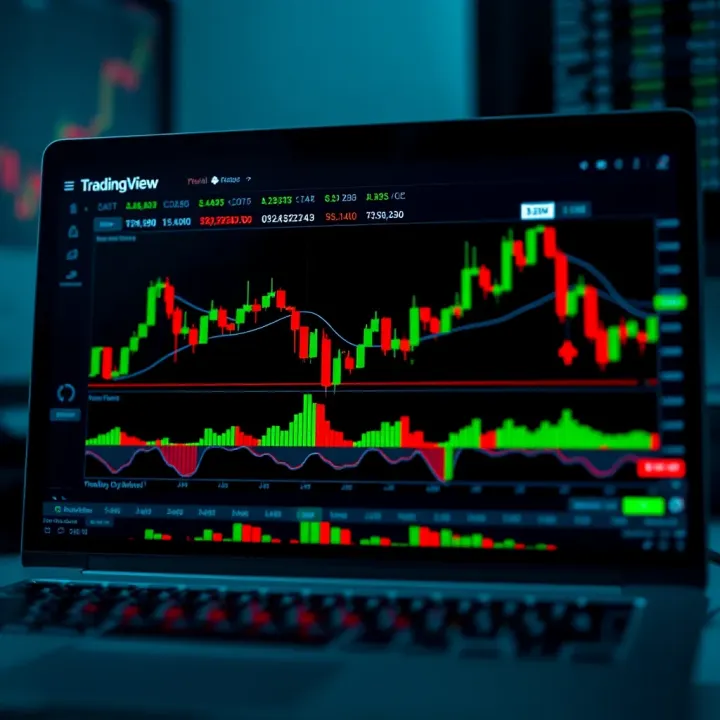
📊 Learn how TradingView's charts can boost your binary options trading in Pakistan! Practical tips, analysis methods, and key points explained clearly.
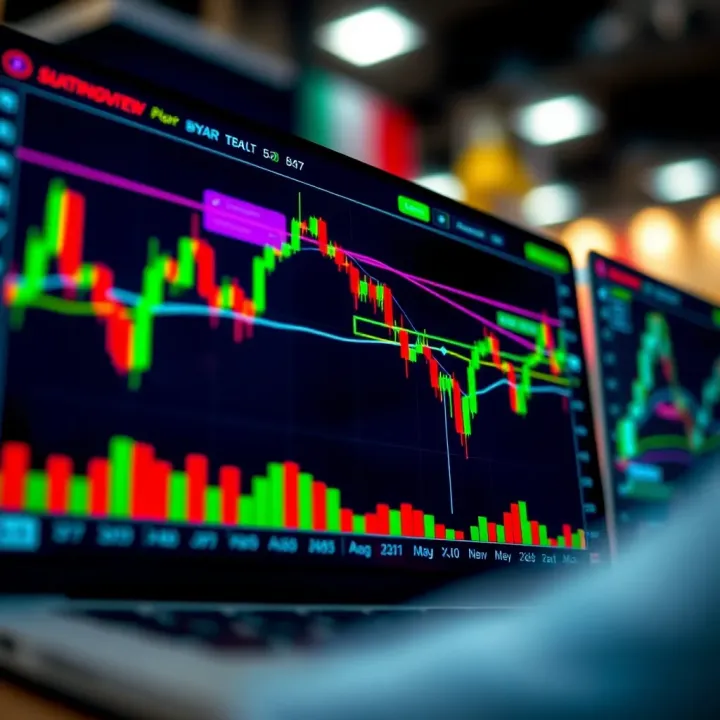
Explore how TradingView boosts binary options trading in Pakistan 🇵🇰 with expert charting, strategies, and risk steps for smarter decisions 📊💡

📊 Learn how to use TradingView for smarter binary options trading in Pakistan. Explore charts, broker integration, and expert tips to boost your trades!
Based on 10 reviews