
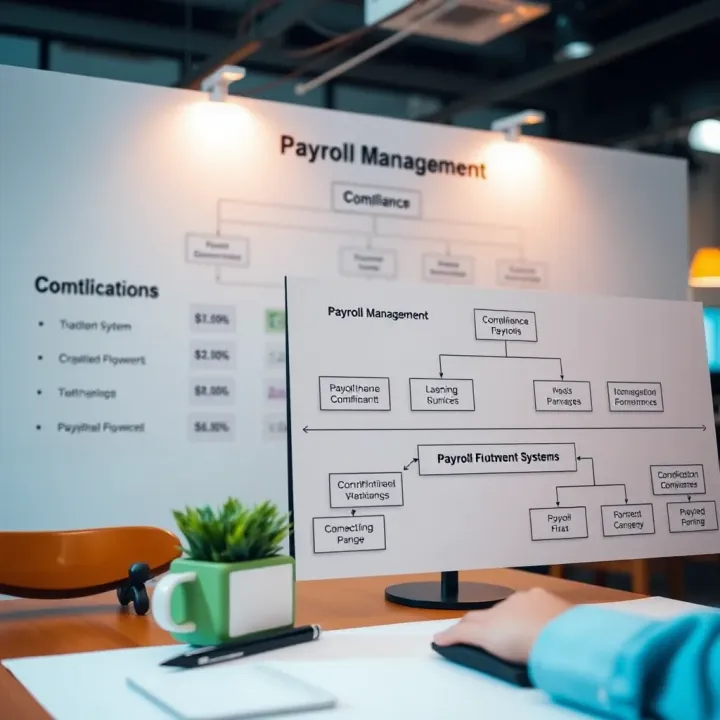
Understanding Payroll for Pakistani Businesses
Learn how to manage payroll effectively in Pakistan 🇵🇰 with key insights on compliance, technology, and common payroll challenges for businesses.
Edited By
Isabella Morgan
Exporting is more than just sending goods abroad; it’s a strategic business option for Pakistani companies looking to expand their markets and increase revenue. The export option allows businesses to tap into foreign demand for their products or services, often leading to greater profitability and brand recognition.
Understanding this option requires clarity on its core meaning. Simply put, the export option involves the decision and process of selling domestically manufactured or produced goods to buyers in other countries. For instance, a textile mill in Faisalabad may choose to export its fabric to retailers in the UK or UAE. This not only opens new revenue streams but also cushions against local market fluctuations.
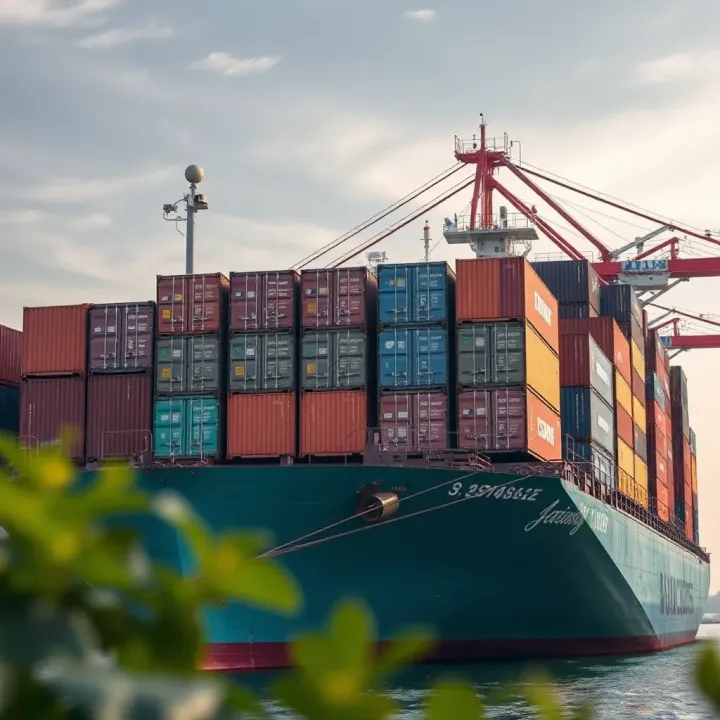
Exporting demands adherence to specific legal and procedural steps, and grasping these helps businesses avoid costly delays and penalties.
Market diversification: Reduces dependency on local economy and spreads risk.
Higher earnings potential: Foreign markets often pay premium prices for quality goods.
Improved product standards: Exporting pushes businesses to meet international compliance and quality benchmarks.
Foreign exchange earnings: Boosts Pakistan’s economy by earning foreign currency.
Before engaging in exports, Pakistani traders must obtain an Export Registration Number (ERN) from the Trade Development Authority of Pakistan (TDAP) or Pakistan Customs. The exporter must also register with the Federal Board of Revenue (FBR) for tax and duty purposes.
Customs declarations require accurate documentation such as commercial invoices, packing lists, certificates of origin, and shipping bills. For example, an exporter of mangoes must ensure produce meets Phytosanitary Certificates demanded by importing countries.
Handling complex paperwork
Meeting quality and safety standards
Managing logistics and timely shipment
Currency fluctuations affecting profit margins
Engage a Pakistan-based export facilitation service or freight forwarder with experience in dealing with PTA-approved shipments. This eases compliance with Pakistan Telecommunication Authority (PTA) rules and export regulations.
Export option offers Pakistani businesses a practical path to growth. Understanding its processes equips traders to compete effectively in global markets.
Understanding the export option is vital for Pakistani businesses looking to expand beyond local markets. It refers to the choice a company has to sell its goods or services in foreign countries, navigating a set of rules, procedures, and commercial strategies. Exporting can open doors to higher revenues, diversification of income sources, and reduced dependence on domestic demand, which sometimes suffers due to economic or political instability.
In simple terms, the export option is the decision and process by which a business sends its products abroad. This involves arranging for logistics, complying with customs regulations, and often adapting products to meet international standards or consumer preferences. For example, a textile manufacturer in Faisalabad might choose to export its linen products to European markets, considering quality requirements and packaging styles preferred by those consumers. This option is not just about shipping goods but also about choosing the best export method, payment terms, and market entry strategies.
The export option plays a significant role in Pakistan’s economy, contributing substantially to foreign exchange earnings. Pakistan relies heavily on exporting textiles, rice, leather goods, and increasingly, information technology services. For instance, Pakistan Textile Exporters Association reported a notable rise in garments exports recently, reflecting how the export option helps generate continuous business and employment locally.
By opting to export, Pakistani businesses contribute to employment, boost industrial growth, and help narrow the country’s trade deficit. Moreover, expanding exports encourages improved product standards and innovation due to competition in international markets. Government initiatives such as export finance schemes and trade fairs also aim to support exporters, making the export option more attractive.
Businesses considering the export option should weigh both potential rewards, such as access to new markets and higher profits, and challenges like compliance with foreign regulations and financial risks.
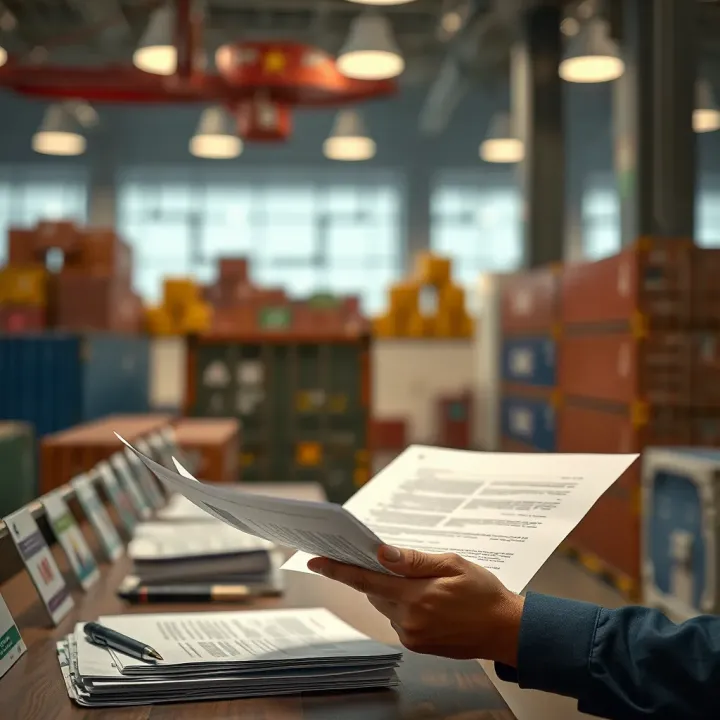
In short, for Pakistani businesses aiming for growth and resilience, understanding and utilising the export option is a practical step towards reaching global customers and strengthening the national economy.
Following correct procedures and regulations is vital for Pakistani businesses exploring export opportunities. These rules ensure compliance with legal frameworks, smooth customs clearance, and successful international trade relations. Ignoring these steps often leads to shipment delays, financial losses, or regulatory penalties.
Customs declarations form the backbone of the export process. Exporters must submit accurate declarations to Pakistan Customs that detail the type, quantity, and value of goods shipped. This documentation allows customs officials to assess duties, verify compliance, and prevent illegal trade. For instance, a textile exporter sending fabric to the UAE must declare the HS code, batch number, and invoice value in the customs form. Mistakes in this paperwork cause delays or confiscation.
Certificates of origin verify where the goods were produced. Many countries require these certificates to grant preferential tariff rates under trade agreements like the Pakistan-China Free Trade Agreement. If a Pakistani mango exporter provides a valid certificate of origin, customs authorities in importing countries like China or the EU may reduce or waive import duties. Obtaining this certificate involves verification by chambers of commerce or export promotion councils.
Commercial invoices and packing lists support transparency in shipment details. The commercial invoice documents the buyer, seller, price, and terms of sale, while the packing list describes the contents, weights, and dimensions of each package. These documents help customs officials, freight forwarders, and buyers confirm consignment details. A well-prepared commercial invoice and packing list avoid confusion that might otherwise hold up cargo at ports.
Registration with Pakistan Customs is the first legal step for exporters. This includes obtaining an active Importer Exporter Code (IEC) and registering with the Pakistan Customs Single Window to submit electronic declarations. Without this registration, exporters cannot legally clear goods for export. For example, a small leather goods manufacturer must first apply for IEC through the Federal Board of Revenue (FBR) portal and get a customs registration number before starting export shipments.
Obtaining export licences is necessary for specific sectors like pharmaceuticals, chemicals, or defence-related items. The Ministry of Commerce issues these licences to ensure exports meet national security and safety standards. For example, an exporter of veterinary medicines must secure an export licence to comply with drug safety regulations before shipping products abroad. Failure to obtain licences can result in seizure or export bans.
FBR regulations and tax implications affect export business cash flows. While exports themselves are zero-rated under federal sales tax, exporters must properly file sales tax returns and claim input tax refunds. Additionally, income tax and withholding tax obligations must be handled accurately to avoid penalties. An exporter using the export option benefits by claiming sales tax refunds on inputs, improving liquidity, but only when all tax documentation is complete and timely submitted.
Clear understanding and careful adherence to procedures and regulations not only speeds export processes but builds credibility with international buyers and authorities alike.
Having these elements under control reduces risks, promotes favourable trade terms, and helps Pakistani businesses grow steadily in the global market.
Exporting goods from Pakistan is not without its hurdles. Businesses frequently face challenges that can stall deliveries, complicate payments, or even cause financial losses. Being aware of these obstacles helps traders plan better and reduce risks. This section covers common problems around logistics, transportation, and financial concerns that Pakistani exporters often encounter.
Choosing the right shipping method is one of the critical first steps in exporting. Depending on the nature of the product, urgency, and cost factors, businesses have to pick between sea freight, air cargo, or land transport. For example, exporting perishable goods like mangoes to the Middle East might require air shipment to preserve freshness, even though it costs more than sea freight. On the other hand, bulk commodities such as textiles usually go by sea freight for cost efficiency despite longer delivery times.
Handling delays and documentation issues can become bottlenecks if not managed carefully. Delays often arise due to incomplete customs paperwork, mislabelled goods, or last-minute regulatory changes. For instance, missing a certificate of origin or improperly filled customs declarations can hold shipments at ports, leading to demurrage charges. Many exporters have found that using experienced clearing agents and double-checking documents beforehand saves time and money, ensuring smoother customs clearance.
Currency fluctuations and exchange rates pose a constant risk when exporting. Since payments often occur in foreign currencies like the US dollar or Euro, a sudden drop in the exchange rate against the Pakistani Rupee (PKR) can reduce profits significantly. Take a textile exporter who agrees to a contract at $10,000; if PKR weakens from Rs 280 to Rs 300 per dollar at payment time, the exporter ends up with Rs 300,000 less than expected. To minimise this, exporters sometimes book forward contracts with banks to lock in exchange rates.
Payment collection methods and security are equally vital. Exporters must choose reliable payment options such as letters of credit (LC), advance payments, or document against payment (D/P). Using LCs provides more security as banks guarantee payment upon fulfilling agreed terms. However, it involves additional charges and paperwork. On the other hand, advance payments reduce risk but may discourage buyers. Practical experience shows that negotiating clear payment terms in contracts and working with known buyers remains the safest approach.
Addressing these logistical and financial challenges upfront can increase the chances of successful exports. Pakistani businesses should invest in solid shipping partnerships, thorough documentation checks, and secure payment arrangements to build trust and avoid costly surprises.
Optimising the export option is vital for Pakistani firms aiming to gain a stronger footing in international markets. By adopting best practices, businesses can reduce costs, improve delivery times, and enhance their reputation with overseas buyers. This section outlines crucial strategies that help exporters navigate challenges and maximise returns.
Establishing and maintaining solid trade relationships is a key factor in export success. Pakistani exporters benefit from consistent communication, understanding foreign customers’ preferences, and timely follow-up. For instance, a textile firm in Faisalabad that regularly engages with its clients in Europe via video calls and tailored product samples often secures repeat orders and referrals. Such relationships also provide valuable insights into changing market trends and regulatory requirements abroad.
Trust and transparency are essential. Exporters should be clear about product specifications, delivery schedules, and payment terms. Collaborating with reliable local partners, agents, or distributors overseas can also smooth out language and cultural barriers. Moreover, maintaining good credit history and fulfilling contractual obligations help build goodwill that paves the way for long-term partnerships.
Utilising export finance schemes
The Pakistani government, through institutions like the State Bank of Pakistan and Export Finance Companies, offers export finance schemes to ease working capital constraints on exporters. These include mark-up subsidies, pre-shipment and post-shipment financing, and concessional loans for export-related machinery. For example, a small leather goods manufacturer might use a pre-shipment loan to bulk-produce orders before shipping, managing cash flow without resorting to expensive private credit.
These financial supports reduce cost burdens and improve competitiveness in global markets. Pakistani exporters should regularly check announcements from the Trade Development Authority of Pakistan (TDAP) and commercial banks to access these schemes timely and ensure compliance with eligibility criteria.
Accessing export promotion councils and trade fairs
Export promotion councils play a vital role in representing industry interests and facilitating linkages with buyers abroad. Organisations such as the Pakistan Textile Exporters Association or the Karachi Chamber of Commerce provide platforms for exporters to share information, learn about international standards, and lobby for favourable policies.
Trade fairs and exhibitions, both local and international, allow exporters to showcase products directly to potential buyers. Participation in events like the Lahore International Trade Fair helps firms gain visibility, while overseas fairs open doors to new markets. Even during constrained travel times, virtual trade fairs organised by TDAP or foreign bodies offer opportunities to network without hefty expenses.
Staying actively engaged with government initiatives and trade platforms helps exporters keep pace with industry developments and gain competitive advantages.
Overall, Pakistani firms will find that combining relationship-building with strategic use of government resources creates a stronger, more resilient export business capable of expansion and sustained profits.
Understanding the future trends impacting Pakistan’s export sector helps businesses anticipate changes and adapt effectively. This outlook is particularly important as global economic policies and rapid technological advances reshape trade dynamics. Being aware of these shifts lets exporters identify opportunities and prepare for challenges ahead.
Global trade policies can significantly alter Pakistan's export prospects. For example, ongoing shifts in tariff regimes, free trade agreements (FTAs), and trade sanctions elsewhere often influence the competitiveness of Pakistani products abroad. Recently, China-Pakistan Economic Corridor (CPEC) initiatives and preferential trade agreements with countries like Turkey and Malaysia have begun to open new markets for Pakistani goods.
However, uncertainties such as rising protectionism in some parts of the world or changes in WTO rules may create hurdles. Exporters need to track these policies closely because even small changes in tariff rates or import restrictions can affect profit margins and demand. Having alternative markets and diversification plans can reduce the risks linked to such unpredictable global policies.
Staying informed about international trade agreements and adjusting export strategies accordingly is no longer optional; it’s essential for survival in global markets.
Digital trade platforms and e-commerce provide Pakistani exporters with practical tools to reach international buyers without heavy reliance on traditional supply chains. Platforms like Daraz’s cross-border marketplace and Easypaisa Pay facilitate smoother transactions, enabling small and medium enterprises (SMEs) to compete globally. Exporters can showcase their products directly to customers overseas, cutting down intermediary costs.
Beyond sales, digital platforms offer valuable data on customer preferences and trends, allowing exporters to fine-tune their offerings. The growth of e-commerce reduces barriers related to geography and logistics, making exports more accessible for Pakistani businesses.
Improving supply chain transparency is another technological area that boosts Pakistan’s export potential. By using tools like blockchain tracking or IoT sensors, exporters can provide proof of product origin, quality control, and timely delivery. This transparency builds trust with international buyers, especially in regulated markets that demand strict compliance with standards.
For instance, Pakistani textile exporters adopting supply chain visibility solutions can assure overseas customers about ethically sourced raw materials and compliance with environmental regulations. This can be a decisive factor in capturing environmentally conscious buyers in Europe or North America.
Overall, integrating technology in trade processes strengthens Pakistan’s reputation as a reliable exporter while opening doors to new clients worldwide.
Learn how to manage payroll effectively in Pakistan 🇵🇰 with key insights on compliance, technology, and common payroll challenges for businesses.

Explore PocketOption, the online trading platform favoured by Pakistani traders. Learn account setup, trading tools, risk management ⚖️, and secure transactions 🔒.

📊 Discover how Quotex signals guide Pakistani traders on market trends and trade chances. Learn risks, benefits & tips to use signals wisely in binary options trading.

📊 Learn to spot key chart patterns and forecast market trends confidently. This guide shares practical tips and reliable PDF resources tailored for Pakistani traders.
Based on 11 reviews