
Bitcoin Price Forecast and Market Trends
Explore the current Bitcoin outlook 📉📈, key market trends, risks, and expert predictions to guide investors in Pakistan through the crypto landscape in 2024.
Edited By
Benjamin Taylor
Bitcoin has become a prominent asset class for investors worldwide, and Pakistani investors are no exception. Understanding Bitcoin's price movements requires a grasp of both global trends and local economic conditions. This section sets the stage by highlighting key factors that influence Bitcoin’s price, tailored for Pakistan’s financial landscape.
Bitcoin’s price is heavily influenced by global demand and supply. Large institutional investors and developed markets often sway prices through buying or selling in large volumes. Events such as regulatory changes in the US, China, or European Union affect global sentiment instantly. For example, when China tightened cryptocurrency rules in 2021, Bitcoin’s price dropped sharply.
The Pakistani rupee’s volatility against the US dollar significantly affects Bitcoin trading costs for local investors. A weakening rupee means buying Bitcoin becomes more expensive, while a stronger rupee can ease entry costs. Inflation and the State Bank of Pakistan’s monetary policy also play a role in overall investment behaviour. High inflation generally drives investors towards alternative assets like Bitcoin for value preservation.
Seasonal trends and market cycles influence Bitcoin prices. Typically, Bitcoin undergoes bullish and bearish phases lasting several months. Pakistani investors should watch for signals like increased trading volumes on platforms such as Binance or local exchanges like Urdubit. Monitoring technical indicators—such as moving averages and Relative Strength Index (RSI)—can provide insights into potential price movements.
"Investors in Pakistan must consider both global crypto shifts and domestic currency trends to navigate Bitcoin's price swings effectively."
Bitcoin remains volatile and subject to sudden price swings. Regulatory uncertainty in Pakistan, lack of clear taxation guidelines from the Federal Board of Revenue (FBR), and the possibility of exchange outages pose additional risks. Given this, diversifying investments and not relying solely on Bitcoin trading is prudent.
Stay Updated: Follow global crypto news alongside SBP regulations.
Use Trusted Platforms: Prefer exchanges with PTA approval and strong security measures.
Hedge Against Rupee Fluctuations: Consider timing your purchases when PKR is relatively stable.
Track Local Tax Updates: Monitor FBR announcements related to cryptocurrency.
Understanding these factors helps Pakistani investors create informed strategies amidst the dynamic digital asset market.
Understanding recent trends in the Bitcoin market is key for Pakistani investors aiming to navigate this highly volatile asset effectively. These trends reveal how Bitcoin’s price evolves amid shifting economic conditions, trading behaviours, and regulatory signals. Observing these developments helps investors time their entries and exits, manage risk, and make data-driven decisions.
Patterns in bitcoin value fluctuations have shown significant swings between optimistic rallies and sharp declines. Over the last twelve months, Bitcoin’s value has oscillated in response to both global economic uncertainties and sector-specific factors. For example, spikes often followed announcements of institutional adoption or FX market turmoil, while corrections tied to regulatory crackdowns or market sentiment shifts.
This pattern of peaks and troughs underlines the need for Pakistani investors to anticipate sudden volatility rather than expecting steady price growth. Timing trades around these cycles instead of chasing trends can reduce losses and improve portfolio resilience.
Major events impacting price included the collapse of some high-profile crypto firms and tightening monetary policies globally. The US Federal Reserve’s interest rate hikes during the year tightened liquidity, which pruned riskier assets like Bitcoin. In Pakistan, the government’s pauses in approving cryptocurrency exchanges also affected local demand and liquidity.
These events only accentuate that macroeconomic shifts and policy announcements have a direct influence on Bitcoin prices. Keeping an eye on such developments can help investors avoid risky periods.
Global and local market influences jointly shape Bitcoin’s price dynamics. International factors such as dollar strength, inflation worries, and geopolitical tensions typically move prices up or down. Locally, Pakistan’s restrictions on banking access for crypto users and the informal peer-to-peer (P2P) market activity create a unique set of challenges and opportunities.
For example, when the Pakistani rupee weakens sharply, interest in Bitcoin as an alternative store of value often increases, driving P2P volumes despite official constraints.
Exchange volumes relevant to Pakistan remain concentrated on international platforms like Binance, with local exchanges limited due to regulatory uncertainty. However, P2P trading volumes have risen substantially, revealing strong grassroots interest.
This volume trend impacts price discovery and liquidity within Pakistan. Investors should be cautious about using illiquid or unofficial platforms that may carry higher risks.
Impact of institutional investors is increasingly noticeable globally but less prominent locally. Big players help stabilise Bitcoin’s market by providing liquidity and dampening extreme swings. In Pakistan, the absence of large institutional participants means smaller investors face more volatility but also greater profit potential.
Without stable institutional support, Pakistani investors need to be more vigilant and diversify risk.
Role of retail traders in Pakistan is quite prominent, especially through remittance-driven liquidity and use of apps like JazzCash and Easypaisa for crypto transactions. Retail activity often leads to rapid price changes due to sudden buying or selling sprees.
Being aware of retail dynamics will help investors temper their expectations and avoid herd mentality traps.
Keeping track of recent price movements, volume shifts, and market participants’ behaviour equips Pakistani investors to handle the ups and downs of Bitcoin with greater confidence and strategic insight.
Economic and regulatory factors significantly shape Bitcoin's price movements, making them vital for Pakistani investors to understand. Global monetary policies, currency trends, and inflation concerns influence demand and market sentiment. Meanwhile, Pakistan’s own regulatory environment creates practical challenges and opportunities, affecting how investors engage with Bitcoin.
Interest rate changes by major central banks, like the US Federal Reserve or the European Central Bank, impact Bitcoin prices indirectly. When these banks raise rates, traditional investments tend to become more attractive, pulling money away from riskier assets like Bitcoin. Conversely, when rates stay low or drop, investors often look for alternatives to preserve value, which can push Bitcoin prices up.
The strength of the US dollar is another important factor. Bitcoin is typically priced in dollars, so a weak dollar makes Bitcoin cheaper for holders of other currencies, including the Pakistani rupee. When the dollar loses value, Pakistani investors might find Bitcoin more affordable, potentially increasing demand locally.
Inflation worries worldwide are nudging some investors towards Bitcoin. In situations where fiat currencies erode in value due to rising prices, Bitcoin has gained attention as a hedge. Though it is volatile itself, some see Bitcoin as a sort of 'digital gold'—a store of value when inflation spikes. For Pakistanis facing high inflation rates, this appeal can motivate investment despite risks.
The State Bank of Pakistan (SBP) currently does not recognise cryptocurrencies as legal tender. It has issued warnings about Bitcoin's risks and banned banks from dealing with crypto exchanges. This stance creates a challenging environment for investors seeking to buy or sell Bitcoin within Pakistan, limiting direct banking access but not completely shutting down trading through peer-to-peer or overseas platforms.
Legal challenges are real for Pakistani investors. Since there is no formal regulatory framework, users face risks including fraud, unclear taxation, and uncertain legal protection. Cases of scam crypto schemes make it essential for investors to exercise caution, verify sources, and keep detailed records for any tax obligations.
Looking ahead, the regulatory picture may evolve. The government has shown interest in digital assets with discussions on regulation and potential taxation. Clearer rules could improve investor safety and market stability but might also add compliance requirements. Pakistani investors should follow announcements closely and prepare for changing policies that could impact liquidity and access.
Understanding these economic and regulatory factors will help Pakistani investors make informed decisions, balancing opportunity and risk in the Bitcoin market.
This knowledge equips you to anticipate how international trends and local policies affect Bitcoin’s price, helping you plan your investment strategy realistically and responsibly.
Technical indicators and market sentiment play a big role in predicting Bitcoin's price trends, especially for Pakistani investors trying to navigate the volatility. While fundamentals like regulatory policy and macroeconomics set the backdrop, technical factors offer practical insights on entry and exit points. At the same time, market sentiment can drive sudden spikes or dips that charts alone may not anticipate.
Support levels are price points where Bitcoin tends to find a floor as buyers step in, while resistance levels act as ceilings where sellers dominate. For instance, if Bitcoin frequently drops to around $28,000 (about Rs 78 lakh) and bounces back, that’s a support level. Knowing these helps investors plan their buys and sells prudently, so they don’t catch a falling knife or sell prematurely. Pakistani traders often watch these levels on platforms like Binance or local exchanges such as Rain.pk to time their moves.
Moving averages smooth out price data over time, giving clearer views of overall direction. The 50-day and 200-day moving averages are popular choices. When the 50-day crosses above the 200-day, it signals a bullish trend and vice versa. Drawing trend lines on price charts also helps identify consistent upward or downward momentum. Tracking these helps investors avoid knee-jerk reactions in volatile times and stick to trends that might last weeks or months.
Volume shows how much Bitcoin is trading at certain price points, signalling the strength behind a move. A price jump with low volume often lacks conviction and may reverse quickly. Momentum indicators like the Relative Strength Index (RSI) help identify overbought or oversold conditions. For example, if RSI reads over 70, the market might be due for a pullback. Pakistani investors who check these values can reduce risks by understanding if a rally has legs or is just hype.
Platforms like Twitter, Telegram, and Facebook have a significant impact on Bitcoin sentiment in Pakistan. When crypto influencers or groups share bullish news or tips, local retail investors quickly respond by buying, often pushing prices up. Conversely, negative rumours or warnings spread fast and cause sudden sell-offs. Keeping an eye on these channels offers investors early cues but also requires caution to avoid misinformation.
International and domestic news greatly affects how Pakistani investors react. For example, announcements on regulatory changes by the State Bank of Pakistan or global events like changes in US Federal Reserve policy can quickly alter market mood. Positive news might spark buying sprees, while negative headlines often trigger sharp declines. Staying updated with reliable news sources helps investors prepare and adjust their strategies accordingly.
Bitcoin’s price often moves in cycles of excitement followed by corrections. This speculation-driven behaviour means prices can overshoot fair value due to hype, as seen during previous rallies where novice investors poured in driven by FOMO (fear of missing out). Pakistani players should recognise these cycles to avoid buying at peaks and selling at lows. Patience and critical evaluation of market euphoria can protect against emotional decisions.
Combining technical analysis with a clear understanding of market sentiment equips Pakistani Bitcoin investors to navigate the market more effectively, balancing data-driven insights with awareness of human psychology in trading.
Investing in Bitcoin carries notable risks that every Pakistani investor should understand before diving in. Bitcoin's high volatility combined with evolving regulations and security concerns poses real challenges. Knowing these risks helps investors manage their portfolios wisely and avoid costly mistakes.
Bitcoin prices experience wide swings, sometimes moving 10-15% within a day. This price volatility demands careful risk management to protect investments. For instance, sudden news about a country banning cryptocurrencies can trigger sharp price drops. Investors must limit exposure by only allocating a small part of their portfolio to Bitcoin.
Global crises also impact Bitcoin prices unpredictably. During the 2020 pandemic onset, Bitcoin initially fell sharply but bounced back as some investors treated it like "digital gold" amid economic uncertainty. However, unlike traditional assets, Bitcoin sometimes reacts to crises erratically, making its behaviour hard to predict during geopolitical tensions or financial downturns.
Pakistani investors can adopt strategies such as setting stop-loss orders to limit downside risk and diversifying investments across different asset classes. Also, using dollar-cost averaging by purchasing Bitcoin gradually over time cushions against sudden price swings.
Protecting wallets and private keys is vital. Unlike bank accounts, Bitcoin wallets are self-custodied—loss of a private key means losing access to funds permanently. Using hardware wallets for storage and avoiding sharing sensitive information online adds layers of protection against theft.
Scams and fake schemes are rampant in poorly regulated markets like Pakistan. Fraudsters often promise unrealistic returns through Ponzi schemes or fake ICOs (Initial Coin Offerings). Investors should carefully verify platforms, avoid deals that seem "too good to be true," and seek guidance from reliable sources.
Regulatory protections are still developing in Pakistan, but the State Bank of Pakistan’s warnings and recent policy drafts aim to curb fraud and safeguard users. Staying updated on official announcements and choosing PTA-licensed crypto platforms offers some safety net. Until stronger regulations fully materialise, personal vigilance remains essential.
Managing risks around volatility and security doesn't eliminate them but helps Pakistani investors reduce harm and invest smarter. Understanding these challenges is as important as knowing Bitcoin's growth potential.
In short, Bitcoin investment requires balanced attention to price instability and protective measures against fraud. Prepared investors who apply risk controls and maintain cautious optimism stand a better chance of success in Pakistan's emerging crypto arena.
Understanding what lies ahead helps Pakistani investors plan their Bitcoin moves wisely. This section focuses on realistic price forecasts, the influence of technology, and practical investment tactics. It equips you with a sharper sense of the risks and opportunities on the horizon, so you can manage your portfolio effectively amid Bitcoin’s volatility.
Bitcoin has often been seen as digital gold, especially as inflation worries grow globally. If adoption continues expanding in Pakistan and beyond, prices might follow an upward trend over the next few years. For instance, should institutional interest from large banks or companies deepen here, Bitcoin prices could hit new highs, benefiting savvy investors who bought low earlier.
Plus, Pakistan’s growing tech-savvy population using mobile payment platforms may create stronger local demand, supporting prices. Keep in mind, however, optimism must be balanced with realism; no investment is guaranteed.
Price corrections are part and parcel of Bitcoin’s pattern, sometimes sharp and unsettling. A sudden global crisis, such as stricter regulations from powerful countries or a drop in investor confidence, can pull prices down quickly. Pakistani investors must stay alert for signals like a dip in trading volumes on local exchanges or sudden news affecting cryptocurrency’s image.
For example, a significant government announcement globally restricting crypto use could prompt a temporary market correction. Planning for these downturns helps avoid panic selling, which often locks in losses unnecessarily.
Advancements in blockchain technology or the rise of alternatives might affect Bitcoin’s dominance. The launch of faster transaction networks or increased security protocols can boost confidence, potentially pushing Bitcoin prices higher. On the other hand, newer cryptocurrencies offering better features might divert investment away.
In Pakistan, as digital infrastructure improves and more platforms accept crypto payments, Bitcoin’s practical use may rise, strengthening its value. Staying updated with such technical shifts can provide an edge in timing your buy or sell moves.
Putting all money into Bitcoin alone is risky given its swings. Pakistani investors should diversify across assets—like stocks on the Pakistan Stock Exchange (PSX), real estate, or other cryptocurrencies—to reduce risk. A balanced portfolio cushions shocks; if Bitcoin dips, other holdings might hold up better.
For example, mixing Bitcoin with a few government bonds or equities can smooth overall returns. Diversification isn’t about avoiding losses entirely but managing them better.
Trusted platforms such as local exchanges (e.g., Binance’s Pakistan presence or independent ones like Tezex) are vital for safe buying and selling. They offer better security, easier local currency transactions, and support in Urdu or English. Avoid unknown or unregulated outlets to reduce fraud risks.
Also, always verify if an exchange complies with Pakistan Telecommunication Authority (PTA) and State Bank of Pakistan (SBP) guidelines. This protects your investment and personal data effectively.
Decide your investment horizon clearly. Long-term holders typically ride out price volatility, benefiting from overall growth trends this asset shows historically. Short-term traders focus on price swings but face higher risk and must stay updated constantly.
For Pakistani investors with limited time or experience, a buy-and-hold approach using dollar-cost averaging (investing fixed amounts regularly) reduces stress and timing errors. Those comfortable with charts and quick moves might attempt short-term trades on local exchanges but should have strong risk controls.
Bitcoin investment demands a clear plan and ongoing attention. By balancing optimism with caution and making informed choices, Pakistani investors can navigate this market more confidently.
Explore the current Bitcoin outlook 📉📈, key market trends, risks, and expert predictions to guide investors in Pakistan through the crypto landscape in 2024.
📊 Explore Aevo price prediction with detailed market trends, project analysis, and expert views to help Pakistani investors make informed choices in coming months.
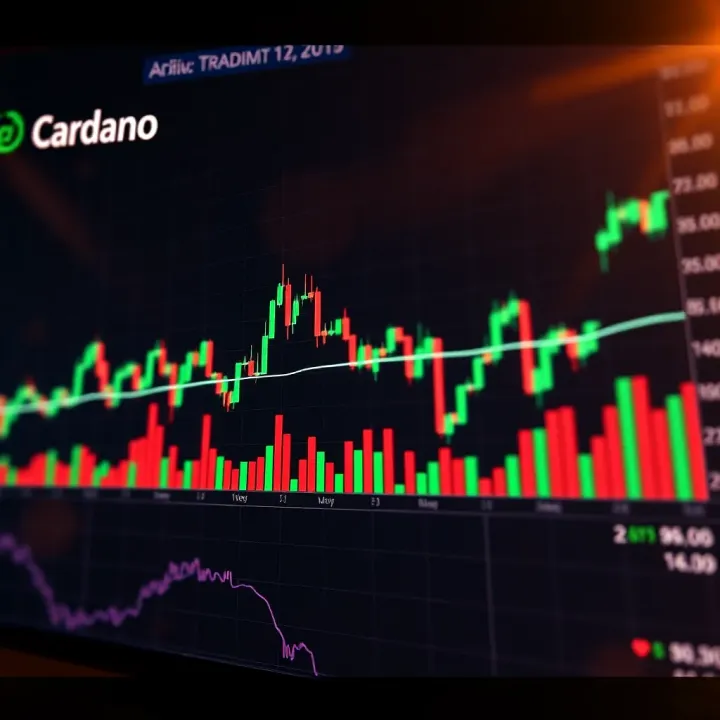
📊 Get the latest Cardano (ADA) price prediction and detailed market analysis tailored for Pakistani investors. Stay updated on trends and expert insights! 🇵🇰
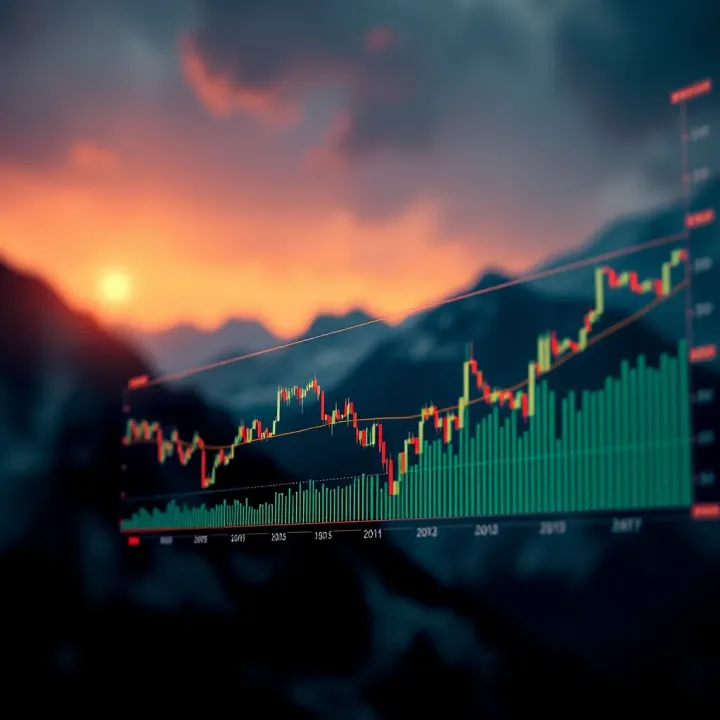
📊 Explore AVAX price trends, key market factors, and expert insights for Pakistani investors to make informed decisions on Avalanche cryptocurrency investment.
Based on 7 reviews