

Best Forex Trading Apps for Investors in Pakistan
Explore how to pick the best forex trading app in Pakistan! Key features, security, costs & tools reviewed to boost your mobile trading experience 📱💹
Edited By
Chloe Bennett
Forex trading in Pakistan is a topic that often sparks questions, especially around its legality and regulations. Essentially, trading currencies (forex) is not illegal here, but it operates under strict rules set by the State Bank of Pakistan (SBP) and other financial authorities. These rules are designed to protect investors and maintain the stability of the country’s financial system.
The key point is that forex trading must happen through authorised channels. SBP does not permit trading through unregulated foreign brokers or offshore platforms. This means Pakistani traders should use local brokerage firms that comply with Pakistan’s financial laws and registration requirements. For example, some brokers registered with the Pakistan Mercantile Exchange (PMEX) offer currency futures trading, which is a way to participate in the forex market under regulatory oversight.
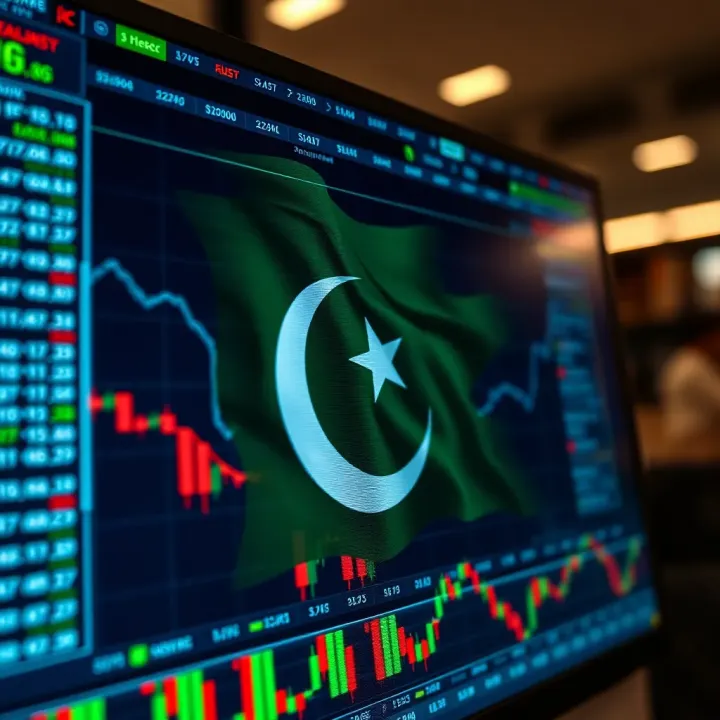
Traders should be cautious about platforms claiming to offer easy profits through forex, especially those operating online without licencing. The SBP regularly warns against unauthorised forex dealings, as these carry high risks of fraud or loss.
Some popular authorised brokers provide direct forex services within Pakistan’s legal framework, often requiring verification with CNIC and compliance with Anti-Money Laundering (AML) rules. On the other hand, many Pakistanis still engage with international forex trading platforms, which technically falls outside local regulations and may expose them to legal and financial risks.
Understanding the difference between legal and grey-area forex trading is crucial. Legal trading follows SBP guidelines, uses approved payment routes (like bank transfers through authorised foreign exchange dealers), and adheres to tax laws regulated by the Federal Board of Revenue (FBR). In contrast, unregulated activity often ignores these requirements and can lead to account freezing or penalties.
In summary, forex trading in Pakistan is legal only when done through authorised brokers and within SBP’s regulatory framework. While the market presents lucrative opportunities, traders must prioritise compliance and carefully evaluate platforms before investing.
This article will break down the detailed regulations, practical realities, and the safeguards you need to keep in mind if you plan to trade forex in Pakistan.
Understanding the legal status of forex trading in Pakistan is essential for anyone involved or interested in this market. The regulatory environment sets the boundaries on what is allowed, how transactions should be conducted, and what risks traders need to be aware of. Knowing these rules protects traders from legal troubles and financial losses.
Role of the State Bank of Pakistan (SBP)
The State Bank of Pakistan (SBP) is the primary regulator for foreign exchange activities. It controls currency flows and ensures forex operations comply with Pakistan’s monetary policy. SBP restricts certain speculative forex trading to safeguard the domestic economy and to prevent illegal foreign exchange transactions. For example, local banks and authorised financial institutions operate under SBP’s guidelines to provide forex services legally.
Federal Board of Revenue (FBR) guidelines
The Federal Board of Revenue (FBR) oversees taxation on forex earnings and related documentation. Traders must declare profits from forex trading during income tax filings. The FBR also requires proper documentation, including Computerised National Identity Cards (CNICs) linked to trading accounts. Ensuring tax compliance prevents penalties and helps maintain transparency in forex transactions.
Importance of currency control laws
Pakistan enforces strict currency control laws to manage foreign exchange reserves and prevent capital flight. These laws limit how much foreign currency individuals and businesses can hold or transfer abroad. For instance, there are caps on remittances and overseas payments to control the balance of payments. Traders must follow these rules to avoid legal issues related to unreported or excessive foreign currency dealings.
Restrictions on speculative forex trading
The official stance limits speculative forex trading for retail participants. The SBP prohibits direct trading of foreign currencies for speculative profit on unauthorised platforms, especially offshore brokers without legal backing in Pakistan. Such activities risk traders’ capital and violate currency control regulations, leading to penalties or legal action.
Permitted forex activities for importers and exporters
Importers and exporters have legitimate forex rights to settle trade payments. These businesses can legally convert foreign currency and repatriate funds through authorised channels, helping maintain trade operations smoothly. SBP recognises these activities and provides frameworks to facilitate approved currency exchanges without breaching regulations.
Consequences of trading on unauthorised platforms
Trading forex on unauthorised or offshore platforms carries serious consequences. The SBP and other authorities actively crack down on such operations, imposing fines and even criminal prosecution. Traders may lose their investment without legal recourse, as unregulated platforms do not guarantee protection or transparency. Staying within legally authorised channels is the only safe approach for forex trading in Pakistan.
Forex trading in Pakistan is tightly monitored, and despite its appeal, only regulated and recognised forex activities are legal. Understanding and respecting these rules helps traders navigate the market securely.
Summary:
SBP regulates and limits retail forex to protect the economy
FBR requires proper tax reporting on forex profits
Currency control laws restrict foreign currency holdings and transfers
Speculative trading on unauthorised platforms is illegal
Import-export related forex activities are permitted through authorised channels
Violations can lead to fines, prosecution, or financial loss
For any trader or investor in Pakistan, knowing the legal landscape avoids pitfalls and promotes safer trading experiences.
Understanding the channels and platforms approved for forex trading in Pakistan is essential for anyone looking to participate legally. The government imposes strict regulations to control foreign exchange activities, and only transactions via authorised entities comply with these rules. This section highlights the key players and practical options available for lawful forex trading.
The State Bank of Pakistan (SBP) is the main regulatory authority overseeing forex trading. Only brokers and financial institutions that receive explicit recognition from SBP are allowed to conduct forex business. This recognition ensures compliance with currency control laws and helps protect traders from illegal schemes. Traders should verify that their broker holds an SBP licence before investing.

While the Pakistan Stock Exchange primarily handles equity and derivatives trading, it also operates under SBP's regulatory framework when it comes to currency-related products. PSX-approved brokers may offer forex trading services within specified limits and regulations. This participation provides a safer environment as these brokers adhere to strict compliance requirements, including transparency and investor safeguards.
Several commercial banks in Pakistan provide forex services under SBP guidelines. These banks facilitate currency exchange for imports, exports, and remittances. They sometimes offer forex trading opportunities or currency hedging products for businesses trading internationally. Using bank channels not only guarantees legal protection but also simplifies compliance with tax and reporting procedures.
Legally, forex trading in Pakistan is mostly restricted to currency pairs involving the Pakistani rupee (PKR). This means traders can buy or sell PKR paired with major foreign currencies like the US dollar (USD) or Euro (EUR) through authorised platforms. Trading exotic or cross currency pairs through unregistered brokers is not permitted and carries risks of penalties.
While offshore brokers widely advertise forex trading, using them from Pakistan is legally risky and often against SBP rules. Legal trading happens only on local platforms or those explicitly authorised by SBP. These platforms ensure that all transactions comply with foreign exchange regulations and include necessary KYC procedures. Choosing local and regulated platforms also protects traders from fraudulent schemes prevalent in the unregulated offshore space.
Forex traders in Pakistan must comply with Federal Board of Revenue (FBR) tax reporting rules and provide valid Computerised National Identity Card (CNIC) details when registering with brokers or financial institutions. This ensures transparency in earnings and helps FBR monitor taxable income. Failure to declare forex profits or provide CNIC can result in legal penalties or difficulties in future financial transactions.
Always confirm that your trading platform is recognised by the State Bank of Pakistan and that you comply with tax and identification laws for safe and legal forex trading in Pakistan.
By focusing on authorised channels and platforms, traders avoid legal pitfalls and ensure their forex activities align with Pakistan’s regulatory framework.
Trading forex without proper knowledge or through unauthorised channels invites significant risks in Pakistan. It is essential for traders to understand these hazards to protect their investments and stay within the law.
Potential for financial loss: Unregulated forex trading often leads to serious financial losses. Unlike regular stock trading, forex markets are highly volatile, and without the right safeguards, even experienced traders can lose sizeable amounts. For example, a trader investing Rs 5 lakh with an unverified broker can lose everything if the broker suddenly disappears or manipulates prices.
Problems with illegal brokers: Many illegal brokers operating in Pakistan promise quick profits and minimal risk, but they often fail to uphold their commitments. These brokers may delay withdrawals, disappear with client funds, or provide misleading information. Without regulatory oversight from the State Bank of Pakistan, such brokers leave traders vulnerable to scams. Cases where unsuspecting traders lost lakhs due to fake forex platforms are unfortunately not rare.
Lack of investor protection mechanisms: Unlike regulated exchanges, unregulated forex trading platforms lack investor protection policies. If your funds are mishandled or lost due to fraud or system failure, there is usually no way to recover your money. This absence of protection means traders must be extremely cautious about where and how they trade, emphasising the value of using recognised, authorised brokers.
Examples of enforcement by authorities: Pakistani authorities have taken action against illegal forex operations several times, shutting down fraudulent platforms and arresting operators. These moves discourage unregulated trading and protect public interest. For instance, the State Bank and Federal Investigation Agency have raided offices running unauthorised forex schemes, confiscating assets and freezing accounts.
Penalties for participating in unauthorised trading: Traders caught dealing with illegal brokers risk penalties, including fines and possible legal action. The government treats unlicensed speculative trading as a financial offence, and involvement can complicate tax filings and credit histories. Traders should understand that engaging with unauthorised entities not only risks money but also legal consequences.
Preventive measures for traders: To avoid these pitfalls, always verify that your broker is registered with SBP or listed on the Pakistan Stock Exchange as an authorised entity. Maintain documentation of all transactions, and report suspicious activity immediately to financial authorities. Careful due diligence and compliance with currency control laws help traders shield themselves from fraud and legal troubles.
Always treat forex trading with the seriousness it demands. Protect your funds by trusting only lawful, regulated platforms and keeping up to date with Pakistan’s financial regulations.
Financial authorities in Pakistan play a key role in monitoring and regulating forex activities to ensure legal compliance and protect the economy from unregulated risks. Their oversight helps maintain currency stability, curb illicit money flows, and provide traders with a legal framework to operate within.
The State Bank of Pakistan (SBP) sets clear rules for forex trading, focusing on authorised currency exchange and trade-related operations. It prohibits speculative retail forex trading on offshore platforms, while allowing regulated currency trading mainly for commercial needs like imports and exports. This helps prevent volatile currency movements triggered by speculative demand.
SBP imposes limits on the amount of foreign currency individuals and businesses can hold or trade within Pakistan. For example, individuals can typically hold foreign currency up to specific ceilings like US $10,000 for travel purposes, with stricter caps on business transactions. These controls curb excessive forex outflows that might harm the country’s currency reserves.
All authorised dealers and brokers must report forex transactions to SBP regularly, ensuring transparency and monitoring of cross-border currency flows. Failure to comply may lead to penalties or revocation of licences. For traders, documenting forex dealings on approved platforms is crucial to avoid legal issues during audits.
The Federal Board of Revenue (FBR) treats profits earned from forex trading as taxable income. Traders must account for these earnings under the head of business income or capital gains, depending on the nature of their activities. Unreported income from forex trades risks penalties and interest charges.
FBR requires accurate filing of forex-related incomes during annual income tax returns. Traders should keep thorough records, including transaction summaries, broker statements, and CNIC details to support their declarations. Proper documentation reduces the risk of discrepancies during tax assessments.
During tax audits, FBR officers closely scrutinise forex activities and related documents. Incorrect or missing records can lead to reassessment orders, fines, and even legal action in serious cases. Transparent records and compliance with SBP and FBR guidelines ease audits and avoid complications.
Clear oversight by SBP and FBR not only safeguards the financial system but also helps traders stay within legal bounds and manage tax obligations properly.
By understanding these roles, forex traders in Pakistan can better navigate the regulatory landscape, trade within authorised limits, and avoid common legal pitfalls.
Navigating the forex market in Pakistan needs more than just understanding the legal framework. Practical advice helps traders avoid costly mistakes and stay within the law. Given Pakistan’s strict currency controls and monitoring by financial authorities, knowing what platforms to trust and how to handle legal limits improves trading success and risk management.
Checklist for broker verification: Before investing your money, verify if the broker is registered with the State Bank of Pakistan (SBP) or recognised by Pakistan Stock Exchange (PSX). Check for proper licensing and compliance with local regulations. For example, banks like HBL and MCB offer authorised forex trading services which reduce your risk of fraud. Avoid brokers that offer unrealistic returns or pressure you for quick investments. A verified broker should provide transparent fees, clear terms, and readily available customer support.
Avoiding common scams: Many illegal forex schemes promise easy profits but end up causing serious financial losses. Be wary of brokers headquartered offshore without an office or local presence in Pakistan, as tracking them later can be difficult. Unsolicited calls or aggressive marketing are red flags. Scammers often use fake websites mimicking legitimate brokers, so inspect website URLs carefully. One Pakistani trader lost Rs 2 lakh after trusting a flashy platform with no SBP affiliation. Stay alert to such risks.
Importance of user reviews and due diligence: Online communities and forums can provide useful feedback about brokers’ reputations and withdrawal processes. However, balance reviews with official verification. Don't rely solely on high ratings or testimonials, as these can be manipulated. Instead, confirm the broker’s regulatory status and understand their terms. By handling due diligence seriously, you steer clear of trouble and protect your investment.
Limits on foreign currency holdings: Pakistan restricts the amount of foreign currency an individual can legally hold. For instance, the SBP allows residents to keep foreign currency accounts but caps the balances to specific limits unless you have valid documentation like export earnings. Exceeding these limits without declaration can result in penalties. This is crucial for forex traders who might receive overseas profits.
Reporting requirements for large transactions: Any forex transaction above Rs 2 million must be reported to the SBP or relevant authorities. Transactions via banks incorporate this reporting automatically, but for private dealings, traders must maintain detailed records. Non-compliance during audits can invite significant fines and legal challenges. Therefore, proper documentation of trading profits and transfers is essential.
Navigating cross-border payments legally: Transferring funds across borders demands adherence to Pakistan’s foreign exchange laws. Using authorised banking channels such as SBP-approved banks or licensed money transfer services like JazzCash and Easypaisa is critical. Avoid informal transfer methods, which are illegal and risky. Legal routes protect legitimate earnings and ease tax filings, helping traders comply with FBR requirements.
Staying informed about legal platforms, currency limits, and compliance rules is key for forex traders in Pakistan to avoid scams and penalties while making legitimate profits.
By following these practical steps, Pakistan-based forex traders can operate confidently without risking legal trouble or financial loss.
Explore how to pick the best forex trading app in Pakistan! Key features, security, costs & tools reviewed to boost your mobile trading experience 📱💹

🌍 Learn how to trade forex confidently in Pakistan! Explore market basics, top platforms, smart strategies, and key regulations for safer trading. 📈💼

Learn funded account forex trading in Pakistan 🇵🇰: use capital from funding firms, share profits, avoid personal risk, and meet local platform rules effectively 💹📈.

📈 Explore how the Asian forex session impacts trading in Pakistan 🇵🇰. Learn timing, currency trends, market overlaps & tips for smart trades! 💹
Based on 9 reviews