
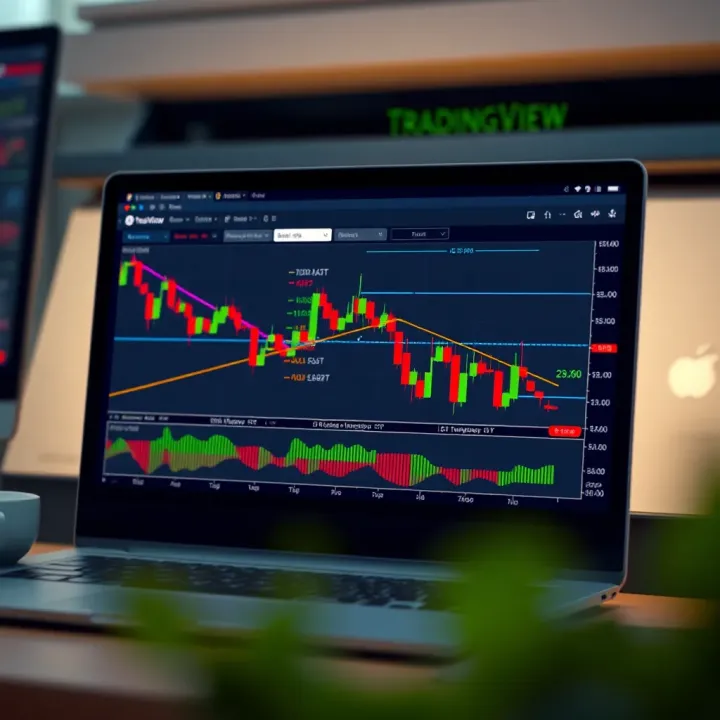
TradingView Guide: Features, Tips, and Benefits
📊 Explore TradingView's powerful charting, real-time market data, social features, and mobile apps. Learn customization tips and subscription benefits.
Edited By
Isabella Wright
In financial trading, especially on platforms offering boom and crash indices, sudden price movements known as spikes can create both opportunities and risks. A boom and crash spike detector is a tool designed to identify these sharp price jumps quickly. Understanding how this detector works helps traders make informed decisions rather than reacting blindly to volatile market swings.
Spikes typically occur when there is a rapid influx of buying or selling pressure, causing the price to move significantly within a very short time. For example, on a boom index, a spike might look like an abrupt jump in price before stabilising or reversing. Such patterns often signal temporary imbalances rather than sustained trends.

Most spike detectors analyse price data by scanning for abnormal movements compared to recent history. This includes:
Monitoring sudden sharp price changes beyond a set percentage threshold within seconds
Comparing spike size and duration against average volatility
Filtering out market noise caused by minor fluctuations
The detector then flags these movements as spikes to alert traders. Some advanced platforms apply machine learning to improve accuracy, distinguishing true spikes from false signals caused by data glitches or low liquidity.
Identifying genuine spikes early can be a game-changer in boom and crash trading, but it requires careful calibration and understanding of market context.
Since boom and crash indices are popular in Pakistan through brokers and trading apps, spike detection equips traders to:
Spot potential entry or exit points during sudden moves
Manage risk by avoiding impulsive trades triggered by short-lived spikes
Confirm signals from other technical analysis methods like moving averages or RSI
However, relying solely on spike detectors can backfire, especially in markets with frequent noise or during economic events affecting liquidity.
In short, the boom and crash spike detector is a practical tool that highlights sharp price moves, giving traders a timely advantage when combined with disciplined strategy and risk management.
Understanding boom and crash indices is key for traders who want to navigate these unique financial markets effectively. These indices are designed to simulate sudden market jumps or drops, which create opportunities as well as risks. Grasping what these markets represent and how they operate allows traders to develop strategies that respond to sharp price movements rather than slow trends.
Boom and crash markets are special indices offered on certain trading platforms that mimic sudden spikes or slumps in price. A "boom" refers to a rapid jump, while a "crash" signals a sudden dip. Unlike traditional stock or forex markets, these indices move in distinctive patterns with recurring spikes every several minutes. For example, a boom 100 index might rise steadily but then launch a sharp spike upwards suddenly, creating a burst of volatility.
These markets attract traders who prefer short-term trades aiming to profit from these sharp moves. The fixed-indices nature means they are not affected by global economic news as directly as forex or stocks. However, understanding how these indices behave, including anticipating the timing and size of spikes, is critical for success. Traders need to think differently here — it’s not about long trends but spotting those explosive price changes and adapting rapidly.
Boom and crash indices have gained strong popularity in Pakistan, especially among retail traders looking for accessible markets with high volatility but relatively small capital requirements. Many Pakistani traders use platforms like Deriv, where these indices are available 24/7 and offer the chance of good returns within minutes.
The appeal rises from the simple concept and clear price patterns, suiting traders who may not have the time or tools to analyse complex geopolitical or economic factors. Moreover, the ability to use smaller lot sizes means traders with modest funds can participate and practise risk management effectively.
Many traders in Pakistan find boom and crash indices ideal for swing or scalping strategies due to their predictable spike cycles and sharp price moves.
To summarise, knowing what boom and crash markets are and why they’re popular in Pakistan sets the base for understanding spike detectors and applying them wisely in trading. Recognising this backdrop helps Pakistani traders see how these tools fit their local trading habits and risk profiles.
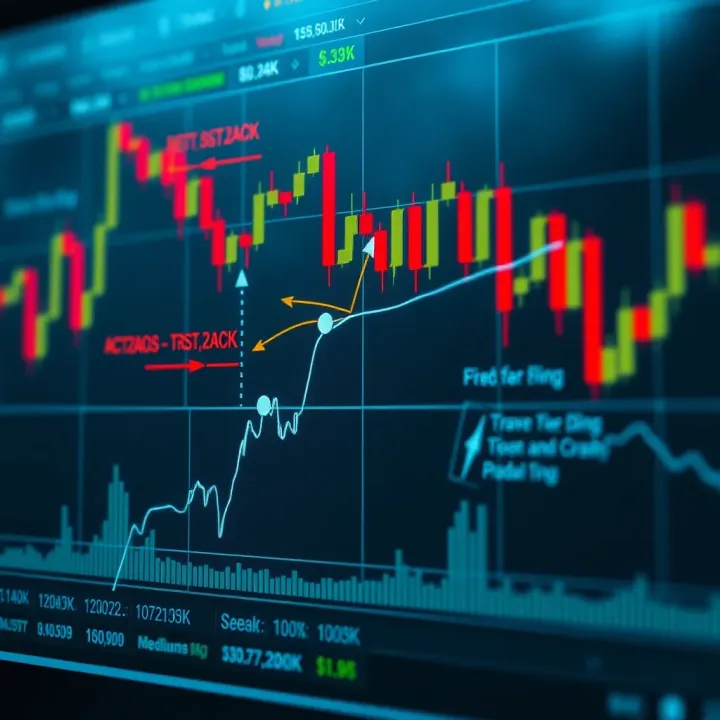
Price spikes are a defining feature of Boom and Crash indices. Understanding their nature helps traders anticipate sudden market moves, adjust their strategies, and manage risks more effectively. In Boom markets, spikes typically appear as sharp upward jumps, while in Crash markets, they manifest as swift downward plunges. These moves are often brief but intense, leading to either quick profits or heavy losses depending on timing.
A price spike is a sudden, dramatic price change within a very short time frame, usually visible as a tall candlestick or bar on the chart. These spikes stand out because of their size and speed compared to normal price movement. For example, a Boom index might show a rapid price increase of several points within just a few seconds. Such spikes typically feature a narrow trading range with a large price jump, often caused by bursts of buying or selling pressure.
Spikes are mostly one-sided, meaning they push the price predominantly in one direction before a quick retracement or consolidation. They can occur during low or high liquidity periods, but their unpredictability requires traders to stay alert. Unlike gradual trends, spikes are short-lived but powerful signals.
Several factors cause these sudden price jumps. One is automated trading algorithms triggering mass buy or sell orders at specific price points. Another is unexpected news or economic events impacting market sentiment instantly. In Boom and Crash indices, spikes often occur due to the programmed nature of these synthetic markets, where volatility is built-in by design to simulate real market shocks.
In the context of Pakistani traders, spikes can also be influenced indirectly by global economic developments or sudden shifts in investor mood, besides the internal mechanics of the trading platform. Sudden large trades by institutional players or bursts of activity from retail traders can also trigger spikes.
Price spikes can be both an opportunity and a threat for traders. On one hand, correctly timing a spike allows traders to capture quick gains by entering before the move and exiting as the price normalises. On the other, spikes may trigger stop-losses or cause emotional overreactions leading to losses.
For instance, a trader using a spike detector on Boom indices in Pakistan might spot a sudden upward surge and place a buy order. However, if the spike reverses quickly—as often happens—they could face losses without appropriate risk controls.
Traders should use spike detection tools cautiously. While spikes offer chances for fast profits, they require disciplined entry and exit rules to avoid whipsaws and false signals.
Understanding the characteristics, causes, and trader impact of spikes prepares you to respond smartly rather than react impulsively. This knowledge forms the foundation for using boom and crash spike detectors effectively, as discussed in later sections.
Understanding how boom and crash spike detectors operate is essential for traders who want to manage risk and seize profit opportunities during sudden market shifts. Spike detectors monitor price movements in the boom and crash indices, alerting traders to sharp, rapid changes known as spikes. These tools help traders act quickly to avoid unexpected losses or capitalise on brief market surges.
Spike detection tools rely on monitoring price velocity and volatility within very short time frames. Essentially, they identify outlier movements that break the usual price patterns. For example, if a boom index suddenly jumps by 0.5% within a second, the spike detector flags this as unusual. The principle is straightforward: by recognising deviations from normal trading behaviour, the tool pinpoints moments when price jumps could impact a trade.
These tools operate continuously, scanning price ticks and volumes to differentiate normal fluctuations from genuine spikes. The core focus lies on discerning sudden, sharp upward or downward moves that do not follow the general trend but might trigger stop losses or margin calls if unnoticed.
Spike detectors often use algorithms like Moving Average Convergence Divergence (MACD), Relative Strength Index (RSI), and Variance-Based Models tweaked specifically for short-term spikes. More advanced detectors apply statistical techniques like Z-score calculations, which measure how many standard deviations a price move is from its mean, quickly highlighting anomalies.
For instance, a detector might calculate the average spike size over recent minutes and flag any move exceeding twice that size as a spike. This helps traders avoid false alarms caused by minor volatility. Some platforms also apply machine learning models trained on historical boom and crash patterns to better predict when a spike might occur.
Most modern trading platforms that offer boom and crash indices embed spike detection tools right into their interface. This integration allows traders to receive real-time alerts via visual signals, sound notifications, or even automatic order adjustments.
For example, platforms like MetaTrader combined with special spike detection indicators can stop trades automatically if a detected spike poses a risk. Pakistani traders benefit from plugins and add-ons tailored for local data feeds and trading hours, which improve accuracy.
Seamless integration means traders can customise spike sensitivity levels, choose which indices to monitor, and link the detector to their trading bots or manual strategies. With this practical setup, spike detectors become powerful allies in timing entries and exits under volatile boom and crash market conditions.
Spike detectors don't guarantee success but provide timely insights that help traders protect capital and exploit fast price moves, especially in fast-paced boom and crash markets.
Spike detectors play a key role in spotting sudden price jumps or drops in Boom and Crash indices, helping traders make timely decisions. For Pakistani traders, especially those using platforms like IQ Option or Deriv, understanding how to interpret these signals can significantly improve the chance of success and reduce losses.
The core use of a spike detector is to alert traders when a rapid price movement occurs, often caused by market volatility or news events. When a spike shows up on your chart, it signals potential reversal points or breakouts. For example, if the Boom index suddenly shoots up sharply, the detector flags this, suggesting a possible trend continuation or an overbought condition. Traders in Pakistan might then decide to take quick profit or tight stop-loss orders to limit risk.
It’s important to consider the context of spikes — not every detected spike warrants a trade. Spikes at support or resistance zones are usually more meaningful. Pakistani traders often combine spike signals with volume patterns or RSI readings to confirm the trade setup.
One practical way to use spike detection is the momentum breakout strategy. Suppose you observe a sudden Boom spike breaking a recent high; traders might enter a buy position expecting continued upside momentum and set stops just below the spike.
Another strategy is mean reversion. Crash spikes can sometimes overshoot the price downward sharply. A trader might look for a spike on the Crash index followed by a quick recovery, signalling a possible bounce back opportunity.
Many Pakistani traders blend spike signals with moving averages or candlestick patterns to improve timing. For instance, a spike detected during a bullish trend with a confirming bullish engulfing candle adds confidence.
Spike detectors are not foolproof. They can give false signals, especially during low liquidity hours common in Pakistan’s market timings, causing unnecessary trades. Overreliance may lead to overtrading, increasing transaction costs and stress.
Moreover, spikes can be triggered by temporary factors like market manipulation or sudden news, which might not indicate sustained moves. Traders must always use proper risk management, such as stop-loss orders and position sizing, to avoid heavy losses.
Remember, spike detectors should be a part of a broader trading approach, not the sole strategy. Combining them with fundamentals and other technical indicators will provide a balanced edge.
By understanding how to interpret spike signals wisely, Pakistani traders can gain an upper hand in the fast-moving Boom and Crash markets while being mindful of their limits and pitfalls.
Effective spike detection plays a significant role in trading Boom and Crash indices. Without the right approach, traders may fall prey to false signals or overtrade, risking capital unnecessarily. Implementing best practices maximises the benefits of spike detectors while reducing common pitfalls.
Not all spike detection tools are created equal. When selecting software, focus on tools with proven accuracy and transparency. Reliable tools offer clear settings for sensitivity, allowing traders to customise detection thresholds according to market conditions. For instance, a trader using MetaTrader plugins should pick those supported by real user reviews and regular updates to suit Pakistan’s market volatility. Avoid free or unverified tools promising guaranteed profits, as these often deliver misleading signals.
Spike detectors can sometimes flag minor price moves as spikes, which may confuse decision making. To prevent acting on false signals, always confirm spikes using volume data or candlestick patterns before entering trades. Overtrading based on every detected spike drains both focus and funds. Pakistani traders should set clear rules – for example, ignoring spikes during high-impact news releases or limiting trades to one spike-triggered position per day. Discipline in this regard improves long-term profitability.
Spike detection works best when paired with other technical tools for confirmation. Combining spike signals with moving averages, Relative Strength Index (RSI), or Bollinger Bands helps filter noise. For example, a spike occurring near a key moving average support might confirm a reversal setup, offering a higher probability trade. Traders using platforms like TradingView or MetaTrader can overlay these indicators easily. This layered approach refines entries and exits, reducing risky guesses.
Using spike detectors as just one part of a broader strategy protects traders from impulsive moves and market tricks, especially on volatile indices like Boom and Crash.
In sum, focusing on dependable tools, practising restraint to avoid false signals, and merging spike detection with other indicators makes trading more structured and less stressful. Pakistani traders who keep these tips in mind will handle Boom and Crash spikes more competently and improve their overall trading outcomes significantly.
📊 Explore TradingView's powerful charting, real-time market data, social features, and mobile apps. Learn customization tips and subscription benefits.
Explore the XMaster Formula indicator on MT5 📈: key features, installation tips, trend detection, entry points, and strategies for smarter trading in Pakistan.

Discover how the XHMaster Formula indicator for MT5 simplifies trading 📈. Learn setup tips, features, market use, and strategy integration to boost profits.

Explore how 1000 satoshis' price may change and what factors impact it 📉🔍 Gain insights into market trends, technical analysis, and smart prediction tips.
Based on 13 reviews