

Why the US Dollar Is Rising Against the Pakistani Rupee
📈 Explore why the US dollar is rising against the Pakistani rupee, its effect on everyday life, economy, and what might come next in currency shifts.
Edited By
Isabella Wright
The exchange rate of the British Pound (GBP) against the Pakistani Rupee (PKR) plays a significant role in shaping Pakistan's economic landscape. Traders, investors, and businesses keep a close eye on GBP/PKR trends, as fluctuations directly impact import costs, remittances, and foreign investment inflows.
In recent months, the Pound has witnessed notable volatility due to economic and political shifts in the UK coupled with domestic factors affecting Pakistan's economy. The UK economy's performance—particularly in trade, inflation, and interest rates—affects GBP strength, while Pakistan's current account balance, monetary policy by the State Bank of Pakistan (SBP), and external debt levels influence PKR stability.
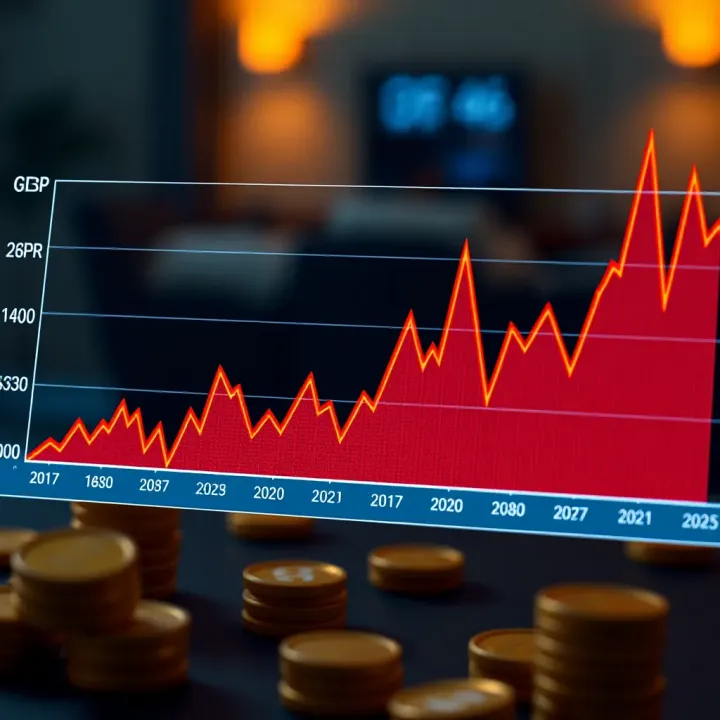
With Pakistan depending heavily on imports priced in foreign currencies, especially from the UK and Europe, any appreciation in GBP against PKR raises local costs. This impacts everything from machinery parts to raw materials, ultimately affecting prices for Pakistani consumers and industries.
UK economic indicators: Inflation trends, Bank of England policy decisions, and Brexit-related trade developments.
Pakistan's balance of payments: Current account deficits and foreign exchange reserves guide PKR's strength.
Monetary policy: SBP's policy rate changes influence investor confidence and capital flows.
Geo-political dynamics: Political stability in Pakistan and global events can prompt risk sentiment shifts.
Understanding these factors helps financial analysts and brokers anticipate market movements. For example, a recent hike in UK interest rates supported GBP gains, while Pakistan’s inflation and widening deficit put downward pressure on the Rupee.
For businesses involved in import-export or foreign currency transactions, accurate GBP/PKR forecasts help in budget planning and hedging strategies. Traders benefit from tracking these influences to identify short-term and long-term trading opportunities.
This analysis aims to provide a clear view of recent GBP/PKR trends and the economic forces guiding its future direction, offering valuable insights to those navigating Pakistan’s foreign exchange environment.
Understanding the current state of the British Pound (GBP) against the Pakistani Rupee (PKR) is essential for traders, investors, and financial analysts who follow or participate in forex markets. Exchange rate movements directly influence import-export costs, foreign investment flows, and remittance values, all critical to Pakistan's economy. This section sheds light on recent patterns, helping market participants make informed decisions.
The GBP to PKR rate has seen notable fluctuations over the past few months, responding to both local and international factors. For instance, the pound has oscillated between Rs 320 and Rs 340 per GBP during early 2024, reflecting shifts in market sentiment and macroeconomic indicators. Such swings can affect businesses importing machinery or technology from the UK, as a relatively weaker pound lowers import costs, while a stronger pound increases them.
Global events like geopolitical tensions in Eastern Europe and inflationary pressures in the UK have played a significant role in shaping GBP to PKR rates recently. For example, when the Bank of England raised interest rates to combat inflation, the pound gained strength temporarily, influencing its exchange against the rupee. Similarly, volatility in commodity prices linked to global conflicts affects Pakistan’s balance of payments, which feeds back into currency dynamics.
Compared to the US Dollar (USD) and Euro (EUR), the GBP has shown somewhat mixed performance. While GBP has regained some ground against the dollar recently due to Britain’s economic policy adjustments, it still lags EUR in stability. For Pakistani importers and exporters, this means costs vary not just by GBP movements but also by how these currencies behave relative to each other. Trade invoicing decisions often become complex when multiple currencies are involved.
Regional currencies like the Indian Rupee (INR) and Bangladeshi Taka (BDT) also experience volatility, though generally less erratic than GBP to PKR movements. This provides a comparative perspective for investors eyeing emerging markets in South Asia. When the pound fluctuates widely, Pakistan’s forex market feels added pressure because of trade ties with both the UK and neighbouring economies. Understanding this volatility helps brokers and analysts anticipate market risks better.
Monitoring the GBP to PKR exchange rate closely is crucial for Pakistani stakeholders, as even minor shifts can ripple through trade costs, investment returns, and consumer prices.
GBP to PKR rates have swung between Rs 320 and Rs 340 in early 2024.
UK economic decisions like interest rate hikes influence pound strength.
GBP’s performance differs from USD and Euro, affecting trade costs.
Regional currency volatility adds pressure on Pakistan’s foreign exchange market.
These insights lay the groundwork for analysing broader economic factors impacting the pound and Pakistan’s trade and financial environment.
Understanding the key factors influencing the British Pound's value against the Pakistani Rupee is essential for traders, investors, and analysts. Changes in policy decisions, economic conditions, and global events can shift rates quickly, affecting trade, investment decisions, and risk management strategies in Pakistan.
The Bank of England (BoE) sets interest rates to control inflation and support economic growth. When the BoE raises interest rates, the Pound tends to strengthen as higher returns attract foreign investors seeking better yields. For Pakistani importers, a stronger Pound means higher costs when buying goods priced in GBP. Conversely, lower rates may ease import costs but reduce investment inflows.
For example, the BoE's rate hike in early 2024 pulled the Pound up against several currencies, including the PKR, making UK exports more expensive in Pakistan. Traders should watch BoE announcements closely to anticipate such movements.
Since Brexit, the UK's trade agreements and economic stance have evolved, influencing Pound stability. New trade deals and regulatory changes impact investor confidence. Uncertainty or delays in trade negotiations can weaken the Pound, while successful deals tend to support it.
For Pakistan, the UK's shifting economic ties affect bilateral trade volumes. Should the UK secure favourable terms with the EU or other partners, the increased economic activity might propel the Pound upwards, impacting Pakistan’s import costs and foreign exchange reserves.

Pakistan's inflation rate significantly affects the PKR’s strength against the Pound. When inflation rises, the State Bank of Pakistan (SBP) may increase interest rates to curb price rises, supporting the Rupee's value. High inflation, however, tends to weaken the Rupee, making the Pound costlier for Pakistani buyers.
For instance, prolonged inflation above 12% recently forced SBP to maintain higher policy rates, tempering Rupee depreciation. Traders and investors tracking SBP’s Monetary Policy Statements can gauge the potential impact on GBP/PKR.
Pakistan’s ability to manage imports and exports, along with remittance inflows, shapes its balance of payments. Healthy forex reserves help stabilise the Rupee against foreign currencies like the Pound. A shrinking reserve signals potential pressure on the Rupee and possible depreciation.
In 2023, declining reserves below $8 billion heightened PKR volatility versus the Pound. Pakistan’s reserve position is thus a critical indicator for forecasting GBP/PKR movements.
Fluctuations in commodity prices, such as oil and metals, influence both the UK and Pakistani economies, thereby affecting currency values. Pakistan imports large amounts of oil priced in dollars but any global price rise can indirectly affect the GBP/PKR rate through cost-push inflation and exchange rate adjustments.
Similarly, the UK’s reliance on certain commodity exports means price swings can impact the Pound’s strength. For example, a surge in energy prices often backs the Pound due to the UK’s commodity-linked economic sectors.
Tensions in regions where the UK trades or invests alter market sentiment drastically. Political uncertainty in Europe or conflicts affecting global trade routes can cause Pound volatility. Similarly, tensions involving Pakistan’s neighbours affect investor confidence, influencing PKR stability.
For instance, escalating geopolitical risks in the Middle East usually trigger safe-haven flows into currencies like the Pound. Analysts should factor these events when predicting GBP/PKR trends.
Monitoring these economic policies and global factors allows market players to anticipate pound fluctuations in Pakistan, helping them manage risk better and optimise trading or investment decisions effectively.
Currency movements, especially the British Pound (GBP) against the Pakistani Rupee (PKR), have a direct impact on Pakistan's economic landscape. For traders, investors, and financial analysts, understanding the ripple effects of these fluctuations is essential to gauge risks and opportunities.
A stronger pound means Pakistani importers pay more PKR to purchase the same British goods. This is particularly significant for sectors relying on machinery, pharmaceuticals, and textiles from the UK. For example, if the GBP strengthens from Rs 270 to Rs 290, an importer paying £10,000 will face an additional Rs 200,000 cost. Such currency shifts squeeze margins and may push businesses to adjust prices or seek alternative suppliers.
On the flip side, when the pound weakens, Pakistani exports to the UK may become costlier for British buyers, reducing demand. This could hurt textile or leather goods exporters targeting UK markets. Conversely, a weaker pound may improve competitiveness if Pakistani exporters price in PKR, making products cheaper in GBP terms, thus attracting UK buyers. Businesses must monitor these dynamics closely to time their market entry or negotiate contracts efficiently.
The Pakistani diaspora in the UK sends remittances that bolster foreign currency reserves. A favourable GBP to PKR exchange rate increases the PKR value of remittances, supporting household incomes and local economies. For example, if the pound weakens, remittance value in rupees falls, affecting families relying on this income, especially in smaller cities and rural areas.
Investment flows from UK firms can be influenced by pound strength. A strong pound allows UK investors greater purchasing power in Pakistan, potentially increasing foreign direct investment (FDI) in sectors like IT, manufacturing, or real estate. If the pound weakens substantially, investment appetite may slow as returns in GBP terms diminish, and risks from exchange rate volatility rise.
Fluctuations in GBP affect imported goods' prices, which can transmit to the broader economy. For instance, imported raw materials or components priced in pounds will see cost changes reflected eventually in consumer products. This pass-through effect means a rising pound often leads to higher inflation, particularly for products with UK origin or brand association.
Frequent currency swings make it challenging for businesses to stabilise prices. Consumers face uncertainties as prices fluctuate seasonally or around global economic events. This unpredictability adds pressure on monetary authorities, like the State Bank of Pakistan, to manage inflation expectations and maintain market confidence. For traders and investors, appreciating these challenges helps in better risk planning.
Understanding the impact of the pound's volatility on key economic channels helps market players and policymakers to make informed decisions amid changing forex conditions.
By keeping an eye on these aspects, businesses and investors can better navigate the complexities of the GBP-PKR exchange regime and adjust strategies accordingly.
Understanding the forecast outlook for the British Pound (GBP) against the Pakistani Rupee (PKR) is vital for traders, investors, and businesses in Pakistan. It helps gauge where the exchange rate might head next, allowing better decision-making on forex transactions, import-export contracts, and investment strategies. The pound's movements do not happen in isolation; they reflect economic indicators, policy changes, and international relations, all of which have direct consequences on Pakistan's economy.
Short-term predictions for GBP to PKR hinge largely on assessing immediate economic data like inflation rates, interest decisions in both the UK and Pakistan, and foreign exchange reserves. For instance, if the State Bank of Pakistan tightens monetary policy to control inflation while the Bank of England keeps interest rates steady, the rupee might strengthen slightly against the pound. Such predictions assist importers and exporters in timing their currency exchanges to avoid unnecessary losses.
Day-to-day trading volumes and speculative market activities also impact short-term rates. Pakistan's recent foreign reserve levels and import bills, for example, can create temporary pressure on the rupee, affecting the GBP/PKR rate within weeks or months. Therefore, monitoring updates like SBP monetary policy reviews or UK economic data releases provides clearer short-term direction.
Unexpected events can significantly disrupt short-term forecasts. Political instability in Pakistan or unexpected fiscal deficits can put downward pressure on the rupee. Conversely, sudden economic reforms or an IMF bailout package announcement might boost confidence and strengthen the rupee.
On the global front, a Brexit-related policy change or fluctuations in commodity prices like oil can cause shocks impacting the pound's value. Traders and investors should remain cautious about such uncertainties by closely watching news and employing risk management tools like hedging to protect against sudden adverse moves.
Over the long haul, foundational economic aspects like Pakistan's current account balance, trade deficit, and growth trajectory heavily influence the GBP/PKR exchange. Persistent trade deficits might weaken the rupee against the pound, especially if export growth from Pakistan remains sluggish.
Similarly, the UK's economic health, including its employment levels and productivity, contributes to pound strength globally. Pakistani businesses should note that long-term currency trends often unfold slowly but can profoundly affect contract pricing, budgeting, and planning.
Pakistan's diplomatic and trade relations with the UK play a notable role in shaping exchange rate trends over time. Enhanced trade agreements or easier market access can increase bilateral trade volumes, impacting demand for each currency.
For instance, if new trade deals lower tariffs or simplify investment flows, Pakistani exports to the UK may grow, increasing pound inflows and possibly supporting a stronger PKR against the GBP. Conversely, political tensions or changes in immigration policies might reduce remittances or investments from the UK-based Pakistani diaspora, influencing currency flows negatively.
Keeping an eye on these long-term factors provides a strategic advantage, enabling businesses and investors to align with deeper economic and diplomatic developments rather than transient market noise.
In summary, the forecast outlook for GBP to PKR reflects a complex mix of immediate economic data and broader structural trends. A well-informed approach to these factors helps minimise risks and capitalise on opportunities in the forex market.
Handling British Pound (GBP) transactions in Pakistan comes with its own set of challenges and opportunities. For businesses and consumers alike, understanding how to manage currency swings is essential to avoid unexpected losses and take advantage of favourable shifts. This section provides practical advice on managing currency risk and leveraging the changing exchange environment for better outcomes.
Importers and exporters face direct exposure to GBP to PKR fluctuations. Hedging strategies can shield them from volatility that might otherwise erode profit margins. For instance, a Pakistani textile exporter expecting payments in GBP may lock in exchange rates ahead of time, ensuring predictable PKR inflows even if the pound weakens later.
One common approach is using forward contracts—agreements to buy or sell GBP at a predetermined rate on a future date. This helps businesses plan costs and revenues without worrying about sudden rate spikes. Forex tools such as options and swaps offer more flexible but complex means for large traders to manage risk. These tools are particularly relevant for importers of machinery or technology from the UK, where payment amounts and timings vary.
Forward contracts are simple yet powerful. A Pakistani importer planning to pay a UK supplier in three months can fix the exchange rate today, avoiding adverse rate movements. This certainty aids budgeting and cash flow management.
More sophisticated forex tools include options, which allow but do not bind businesses to transact at agreed rates, giving room to benefit if rates turn favourable. Currency swaps, meanwhile, provide longer-term risk management for firms with ongoing UK dealings. Generally, these strategies reduce currency exposure and help stabilise financial planning.
A weaker pound against the rupee can open doors for exporters. When GBP loses value, Pakistani goods priced in rupees become more competitive in the UK market. This situation benefits sectors like leather goods, textiles, and surgical instruments, allowing exporters to capture larger market shares even without adjusting their prices.
At the same time, businesses engaged in UK markets should watch exchange rate trends closely. Shifts in GBP may influence pricing, demand, and contract negotiations. Pakistani companies exporting software services or agri-products can explore flexible pricing strategies to attract UK clients while managing rupee earnings.
Staying proactive in currency management and market engagement helps businesses and consumers minimise risks and capitalise on currency trends. In today's uncertain forex landscape, informed decisions can make all the difference.
Engaging UK markets amid exchange shifts also means adapting supply chain and payment processes. For example, if the pound weakens sharply, importers might negotiate extended payment terms or look for local alternatives to reduce costs. Exporters, on the other hand, might increase marketing efforts during periods of strong pound to maximise inbound orders.
In sum, practical currency management and recognising opportunities amid GBP fluctuations allow Pakistani businesses and consumers to navigate forex challenges more confidently and profitably.
📈 Explore why the US dollar is rising against the Pakistani rupee, its effect on everyday life, economy, and what might come next in currency shifts.
Learn how to manage payroll effectively in Pakistan 🇵🇰 with key insights on compliance, technology, and common payroll challenges for businesses.
Explore how summer heat in Pakistan affects health, farming, water supply, and daily life 🌞. Discover ways to stay safe and beat the heat effectively.

Explore how technology is transforming education in Pakistan 🇵🇰, its benefits, challenges, and practical tools shaping modern classrooms and universities 📚💻.
Based on 12 reviews