
Choosing and Using Trading Platforms in Pakistan
💹 Find the best trading platforms in Pakistan with our detailed guide! Learn about features, fees, security 🔒, regulations, and tips for smarter trading.
Edited By
Charlotte Reed
In Pakistan, the world of trading has moved rapidly from traditional brokers to digital platforms accessible right through our smartphones. Trading apps have become essential tools for investors of all levels—from beginners trying to make sense of the market to seasoned traders looking for efficiency and speed. But with so many options out there, choosing the right app isn’t as straightforward as it seems.
This guide aims to walk you through everything you need to know about picking and using a trading app tailored for the Pakistani market. We'll cover how these apps work, what features truly matter, and the pitfalls to watch out for. By the end of this read, you’ll be better equipped to pick a platform that fits your trading style and financial goals.
Every trader knows, the right tools can be the difference between a profitable trade and a missed opportunity. In Pakistan’s growing financial scene, knowing how to navigate trading apps is no longer a luxury but a necessity.
Whether you’re eyeing Pakistan Stock Exchange (PSX) shares or venturing into forex or commodities, understanding the nuances of trading apps will save you time, money, and hassle. Let’s dive into what makes a great trading app and how to use it effectively in Pakistan’s unique market environment.
Trading apps have become the go-to tool for many investors and traders in Pakistan looking to tap into financial markets without the hassle of traditional brokerage methods. Understanding what a trading app is and how it works is essential whether you're a novice trying to get a foothold or an experienced trader seeking convenience and speed. These apps make the market accessible straight from your phone, allowing you to buy, sell, and manage financial instruments anytime, anywhere.
A trading app simplifies complex market operations into a user-friendly platform. Think of it as your digital broker that not only shows you live market prices but also lets you execute trades instantly. This immediacy is crucial in fast-moving markets — a delay of even a few minutes could mean losing a promising opportunity or avoiding a costly mistake.
When you choose the right app, it bridges you directly to exchanges like the Pakistan Stock Exchange (PSX) or even international platforms for forex and cryptocurrency. This connectivity ensures that you get real-time information and the ability to act quickly. Given Pakistan's rising trend in mobile internet access and financial inclusion, trading apps are becoming indispensable.
A trading app is a software application designed for smartphones and tablets that enables individual investors and traders to access financial markets. Its primary purpose is to provide a platform for buying and selling securities such as stocks, bonds, commodities, or currencies with ease. Unlike traditional brokers who require phone calls or physical presence, these apps streamline your experience by storing your account information, executing trades, and providing relevant data all within a few taps.
For example, apps like PSX's official trading platform or commercial brokerage apps such as JS Global or HBL Invest allow Pakistani users to open accounts, verify themselves through KYC checks, and trade during market hours. The convenience factor is big — from your morning chai to commuting, you can monitor and manage your investments.
Trading apps cover a variety of asset classes, each with its unique appeal and risk profile:
Stocks: Shares of listed Pakistani companies like Lucky Cement or Engro Fertilizers are popular choices.
Forex: Many apps connect to forex markets, allowing traders to buy and sell currency pairs such as USD/PKR.
Commodities: Some apps support commodities like gold or crude oil, which are often favored during volatile economic times.
Cryptocurrencies: Though still unofficially regulated in Pakistan, crypto trading is accessible through international apps like Binance or Coinbase, offering Bitcoin or Ethereum trading.
Understanding which asset fits your goals can guide your choice of app and trading style. For instance, if you prefer day trading, apps offering real-time candlestick charts and quick order execution will be more suitable.
Behind the user-friendly screen lies a complex integration between the trading app and the stock exchanges or other financial markets. Apps connect directly to the exchange’s electronic trading system (like PSX’s Automated Trading System) through APIs — this allows them to send your trade orders and receive live updates.
This integration requires robust technology and regulatory approval. Pakistani brokerage firms develop or license software that adheres to SECP (Securities and Exchange Commission of Pakistan) regulations, ensuring smooth and secure interactions. For example, when you place an order on your HBL Invest app, the instruction is routed instantly to PSX for execution.
One of the app's most valuable features is streaming real-time market data, updated second by second. This includes price quotes, bid-ask spreads, volume, and more, providing a snapshot of market conditions so you can make informed choices.
Order execution speed is another critical component. Suppose you spot a drop in a stock’s price and want to buy quickly before it rebounds. A fast app that executes orders immediately can make a difference between profit and loss. Slow or delayed order processing might leave you stuck with outdated prices.
Real-time data coupled with instant execution is what separates a reliable trading app from one that may cause frustration and missed opportunities.
In summary, trading apps are your direct line to the financial markets, equipped with tools and technology for quick data access and efficient trading. Knowing how they connect and function helps traders in Pakistan make smarter decisions and stay in control of their investments on the go.
Choosing the right trading app is no walk in the park, especially in Pakistan's budding yet competitive trading environment. This section sheds light on popular trading apps that are readily available for Pakistani traders, explaining why these apps matter and what you can expect when using them. The key takeaway here is that knowing which app aligns best with your trading style and requirements can save you time, money, and stress down the line.
Apps created by Pakistani brokerage firms typically come with features tailored to the local market's nuances. For example, they support trading on the Pakistan Stock Exchange (PSX), providing real-time updates on KSE indices and quick access to local company shares.
Another important aspect is the integration of local payment gateways, such as Easypaisa or JazzCash, which simplifies deposits and withdrawals. Additionally, these apps often include Urdu language options and customer service tuned to local preferences, making them friendly to beginner and experienced traders alike.
Being compliant with Pakistan's regulatory environment, these apps also include features like automated tax deduction statements and localized Know Your Customer (KYC) processes, easing the regulatory burden for users.
Some of the leading apps offering such features include MCB-Arif Habib Savings, AKD Trade, and JS Global Trade. MCB-Arif Habib Savings app is known for its user-friendly interface and swift order execution, making it a favourite among novices and pros alike.
AKD Trade app offers extensive research tools and includes access to commodity and futures markets, giving a wider range of investment options. JS Global Trade app is another notable player that emphasizes client-centric services and stability.
Choosing one of these apps usually means getting good local market access coupled with robust customer support within Pakistan's financial system.
Pakistan's traders often look beyond local markets to diversify. International apps, such as MetaTrader 4 (MT4), eToro, and Binance, allow traders to access Forex, global stock markets, and cryptocurrencies.
MetaTrader 4 remains popular for Forex trading due to its comprehensive technical analysis tools and automated trading capabilities. eToro offers a social trading experience with options to invest in global equities, while Binance serves as a go-to app for crypto enthusiasts, offering a range of digital assets.
These apps provide flexibility to Pakistani traders wanting exposure to markets like the NYSE, NASDAQ, or global crypto exchanges, which local apps might not cover.
International apps boast broader market access and sometimes lower trading fees, but they come with a handful of drawbacks. Since they operate outside Pakistan's jurisdiction, they might not support local deposit or withdrawal methods efficiently, often requiring wire transfers or international credit cards.
There's also the regulatory risk — these apps might not be overseen by the Securities and Exchange Commission of Pakistan (SECP), adding a layer of uncertainty about investor protection.
On the flip side, they often bring high liquidity, state-of-the-art analytics, and a diversified portfolio option not easily available locally.
For many Pakistani traders, balancing between local app convenience and international app market access depends on their trading goals, risk appetite, and comfort with foreign regulations.
Understanding these factors helps in selecting the trading app that best fits individual needs without getting blindsided by unexpected hurdles or hidden costs.
Picking the right trading app isn't just about flashy graphics or big brand names. For traders in Pakistan, focusing on specific essential features can make a big difference in how efficiently and safely you trade. These features affect everything from ease of use and speed to security and decision-making power.
Ease of Use for Beginners and Experienced Traders
A simple interface shouldn’t just look good — it needs to work well for real users. Beginners, especially, appreciate clear menus, straightforward order placement, and intuitive navigation. On the flip side, experienced traders benefit from customizable layouts and quick access to advanced tools. Take the HBL Konnect trading app, for example; it offers an easy onboarding process with helpful tutorials, but also supports power users through swift chart interactions. This customization saves time and eases decision-making, making the difference between a smooth trade and missed opportunities.
Mobile Responsiveness and Speed
In Pakistan, where mobile internet can be spotty, responsiveness isn't a luxury — it’s a must. Trading apps like PSX’s official mobile platform are designed to load quickly even on 3G connections, ensuring you don’t get stuck staring at the screen waiting for quotes. Speed in order execution matters too; a delay of even a few seconds might mean buying stock at a different price than intended. So, choosing apps with minimal lag and fast real-time updates helps avoid frustration and keeps you a step ahead.
Data Encryption and Two-Factor Authentication
Security is a real deal breaker. A trustworthy trading app uses strong encryption protocols, meaning your passwords, personal info, and transaction details are scrambled in a way only the app can decode. Two-factor authentication (2FA) adds another shield by requiring a second proof of identity—often a code sent to your phone—before logging in. Apps like Al Meezan’s trading portal incorporate such measures, reducing the risk of unauthorized access even if your password slips out.
Regulatory Compliance and User Protection
Beyond technical security, legal protection counts big time. Pakistani traders should verify if the app complies with regulations from the Securities and Exchange Commission of Pakistan (SECP). This ensures the app meets minimum standards for transparency and user rights. For instance, apps linked to registered brokers must follow strict KYC rules and keep client funds separate from operational money, protecting user investments from misuse.
Real-Time Market Data
Getting up-to-the-minute updates on stock prices, indices, or forex rates is crucial. If the app delays data by even a couple of minutes, you're behind the market curve. The JazzCash Trading app, for example, prides itself on providing live ticker updates with minimal latency, letting traders react swiftly to market movements and news.
Technical Analysis and Charting Tools
For traders aiming to read price trends and patterns, built-in charting tools are a lifesaver. Features like candlestick charts, moving averages, Bollinger Bands, and RSI indicators help users make educated predictions. Without these, you’d be flying blind, guessing when to buy or sell. Apps such as IG Markets make these tools accessible with easy toggles, giving a complete picture to both newbies and technical analysts.
News Feeds and Alerts
Markets don’t move in a vacuum, so staying updated on news events and economic reports matters. Apps that integrate reliable news feeds save you time from jumping elsewhere to catch breaking headlines. Alerts for price targets or major trend shifts are equally handy. For example, Sharekhan’s app offers customizable push notifications, so you can get a buzz when your favorite stock crosses a set price or when a new market report drops.
When choosing a trading app, balancing ease of use, solid security, and powerful tools isn’t just smart — it’s essential. These features help navigate Pakistan’s dynamic markets with confidence, avoiding common pitfalls that can cost time, money, or peace of mind.
By zeroing in on these key features, you’re better equipped to find an app that suits your style, safely handles your money, and offers the tools you need to trade wisely.
Setting up and using a trading app in Pakistan can seem a bit overwhelming at first, but it’s actually pretty straightforward once you break down the steps. Getting these basics right isn’t just about convenience—it's about laying a solid foundation for managing your investments safely and efficiently. Whether you’re a newbie trader or someone with a bit of experience, knowing how to navigate the setup process ensures that you won't hit unnecessary snags later on.
Every trading app in Pakistan must strictly follow the Know Your Customer (KYC) regulations, which are designed to prevent fraud and promote transparency. For the average user, this means you’ll need to provide proof of your identity and address before you can start trading. Common documents accepted include your CNIC (computerized national identity card), utility bills, or bank statements. Brokerages generally require this step to comply with the Securities and Exchange Commission of Pakistan (SECP) guidelines and to ensure you’re legit.
Following KYC rules isn’t just red tape; it’s there to protect your account from unauthorized access and to make sure the financial system stays safe for everyone.
Submitting your documents usually happens online via the app or the broker’s website. Most apps have made this process pretty user-friendly; you just upload scanned copies or photos of your documents. After submission, verification can take anywhere from a few hours up to a couple of days depending on the brokerage firm. Some apps send you status updates via SMS or notifications, so you won’t be left in the dark.
When it comes to funding your trading account in Pakistan, most local apps support direct bank transfers from major banks like HBL, UBL, MCB, and Standard Chartered. Additionally, many allow deposits through JazzCash or Easypaisa wallets, which are widely used mobile payment systems. This flexibility makes the process convenient, especially if you prefer not to move money around via traditional banking every time.
Withdrawing funds usually mirrors the deposit process but with added layers of security. You typically request withdrawals via the app, and the amount is transferred back to your linked bank account or mobile wallet. It’s important to keep track of withdrawal timelines; some apps process requests same-day, while others might take 2–3 business days. Watching for any withdrawal limits or fees in the app's terms can also save you from surprises.
Trading apps in Pakistan offer several order types to help you execute trades effectively. The most common are:
Market orders: Buy or sell immediately at the current market price.
Limit orders: Set a specific price at which you want to buy or sell. The trade only happens if the market hits your price.
Stop orders: Designed to limit losses by triggering sales once a certain price threshold is crossed.
Understanding these can really boost your control over trading outcomes, especially when markets move fast.
Most apps come with dashboards showing real-time updates on how your portfolio is doing, breaking down gains and losses by asset or time period. Being able to monitor this on the go—say, while commuting or during a tea break at work—helps you make timely decisions. Some apps even let you set alerts for price changes or news events tied to your holdings, so you won’t miss a beat.
By following these steps carefully, you’ll set yourself up for a smoother trading experience in Pakistan. Remember, starting on the right foot with your trading app can make all the difference in managing your investments wisely and avoiding stress down the road.
Navigating the fees tied to trading apps is a critical step for anyone serious about making money in the market. For traders in Pakistan, understanding these costs helps avoid nasty surprises that can chip away at your hard-earned profits. From brokerage commissions to hidden charges, each fee impacts your bottom line differently. By knowing what to expect, you can pick an app that fits your trading style and budget—and optimize your gains without burning through your cash.
Every time you buy or sell an asset via a trading app, you’re likely to pay a commission. This fee is usually a percentage of the trade value or a fixed cost. Even though it might seem small on a single trade, commissions add up fast, especially for frequent traders. Consider if you trade shares worth PKR 100,000 and your commission is 0.1%. That’s PKR 100 per transaction, or PKR 200 round trip. Over 50 trades a month, you’re already paying PKR 10,000 just in fees.
The trick is balancing commission costs against your trading frequency and size. High commissions can wipe out gains on smaller trades. Pakistani brokers like AKD Securities often offer competitive rates around 0.03% to 0.1%, but some international apps targeting Pakistan might charge different rates. Always calculate the total fees over your expected trading volume to judge profitability.
Some apps charge fixed fees, say PKR 50 per trade, regardless of your trade size. Others use variable fees—a percentage of trade value, which changes as your order size changes. Fixed fees can make small trades costly, while variable fees might hit large trades harder.
For example, if you trade PKR 10,000 with a PKR 50 fixed fee, that’s 0.5%. But if the fee is 0.1% variable, you only pay PKR 10. Conversely, for a PKR 1,000,000 trade, the fixed fee remains PKR 50, making variable fees more expensive at PKR 1,000. Traders in Pakistan should choose apps based on their typical trade size—variable fees suit big players, fixed fees might be simpler for newbies trading smaller amounts.
Some apps nibble at your account balance if you don’t trade for a while. Known as inactivity fees, these might look like minor charges, say PKR 100 monthly, but they add up—especially if you’re taking a break or learning the ropes. Not all brokers enforce this, but it's vital to read fine print carefully before picking an app.
In Pakistan’s context, with many casual investors trying out apps, inactivity fees can feel like a penalty. Keep your account active or choose platforms that waive these fees to avoid unnecessary losses.
If you're investing internationally, like buying US stocks or cryptocurrencies via foreign trading apps, you’ll likely face currency conversion fees. This charge covers the cost of changing Pakistani Rupees into other currencies and back again. Rates can vary, but expect 1-3% on the transaction amount.
For example, if you buy $1,000 worth of shares through an international app, a 2% currency conversion fee costs you PKR 4,000 (at an exchange rate of 200 PKR/USD). That’s a notable cost over time for Pakistani traders.
Keeping track of every possible fee, from commission to less obvious charges like inactivity and currency exchange, empowers Pakistani traders to choose wisely and trade smarter.
Understanding these fees in detail lets you avoid wallet-draining surprises. Always check fee schedules before you commit, and factor these into your trading strategies. This awareness will keep you ahead in Pakistan’s growing trading app scene.
Security is a big deal when it comes to trading apps, especially for users in Pakistan. With the rise of digital finance, these apps have become primary gateways to invest and trade, making them attractive targets for cybercriminals. If users aren’t careful, they could lose personal data, money, or both. This section aims to break down the key security points to keep your info safe while using trading apps.
Phishing scams are one of the trickiest hazards in the online trading world. These scams often appear as fake emails, texts, or even phone calls that look like they come from reputable sources like your trading app or bank. They try to trick you into giving up login credentials or personal info. For instance, you might get a message saying "Your account is locked, click here to unlock" – but the link leads to a bogus website. The takeaway here: don’t blindly click links or share details without verifying. Always check the sender’s email, look for typos, or call your provider directly if something feels off.
This is pretty straightforward but often overlooked. Trading apps hold sensitive data and access to your funds. Connecting through public Wi-Fi or unsecured networks is like shouting your password in a crowded room. Instead, use trusted networks at home or work. If you must connect via public Wi-Fi, consider using a VPN to add a layer of encryption. Also, ensure your phone’s software and the app itself are updated, as updates patch security holes that hackers often exploit.
Not every app claiming to offer trading services is trustworthy. In Pakistan, some fake apps pop up once in a while trying to mimic popular names to steal info or money. When choosing an app, first check if it’s officially licensed or registered with the Securities and Exchange Commission of Pakistan (SECP). Genuine apps usually display this certification or have clear info about their brokerage firm on their platform. Avoid downloading trading apps from sketchy sources; stick to official app stores like Google Play or Apple’s App Store.
Before you commit to an app, see what others say about it. User reviews and ratings offer real-world insight into the app’s performance, reliability, and support quality. For example, if multiple users complain about sudden crashes during market hours or delays in processing withdrawals, that’s a red flag. However, balance the reviews: every app will have some negative comments, but if the bad ones outnumber good consistently, it’s better to move on. Look for detailed feedback rather than very short, overly positive or negative comments alone.
Staying vigilant and making informed decisions about app security can save you from costly mistakes and give you peace of mind when trading.
In short, trading apps are powerful tools but require cautious use. Guard your personal info like a treasure, always use secure networks, and pick apps that have a solid reputation and regulatory backing. This approach minimizes risks and keeps your trading journey smoother and safer in Pakistan’s growing digital marketplace.
Navigating the regulatory environment in Pakistan is a must for anyone using or developing trading apps. Regulations are not just red tape; they provide a safety net that helps protect traders and keep markets fair. For Pakistani users, understanding the framework ensures you’re dealing with trustworthy apps and helps spot suspicious platforms early on.
The regulatory landscape affects everything from how apps handle your data to how trades are executed and settled. Knowing who oversees this and what rules are in place means better security for your investments and peace of mind as you trade. It's not just for the big players—retail traders also benefit when standards and oversight are solid.
The Securities and Exchange Commission of Pakistan, or SECP, is the watchdog tasked with regulating the country’s capital markets. When it comes to trading apps, their job is to ensure these platforms operate within the legal framework, maintain transparency, and safeguard investor interests.
Think of SECP as the referee in a game, making sure no foul play happens. They require brokerage firms offering trading through apps to get licenses, report regularly, and comply with financial standards. This helps cut down on fraud, protects against money laundering, and ensures apps maintain minimum operational requirements.
For everyday traders, SECP’s involvement means complaints and disputes have a channel for redress and that apps aren’t just fly-by-night operations. For example, apps tied to SECP-registered brokerages usually undergo regular audits and risk assessments, making them a safer bet.
Brokerage apps in Pakistan must secure licenses from SECP before they can legally operate. This licensing process involves checking the firm’s financial health, technology infrastructure, and governance procedures. It’s a thorough vetting to keep unprepared or dishonest players out of the market.
What this means for you: When selecting a trading app, always confirm the associated brokerage is SECP-approved. Licensed brokers are subject to ongoing supervision, including compliance with market regulations and reporting suspicious activities.
For instance, licensed firms need to maintain adequate capital reserves and implement safeguards against operational risks. This lowers the chances of app failures or sudden freezes on your accounts.
SECP doesn’t stop at licensing; it enforces policies aimed at protecting investors against loss or misconduct. These measures include requirements for transparent fee disclosures, timely trade confirmations, and mechanisms for dispute resolution.
One practical example is the mandatory segregated accounts for client funds, meaning your trading money is kept separate from the broker’s general funds. This prevents the misuse of investor money, especially if a brokerage runs into financial trouble.
Moreover, SECP promotes financial literacy initiatives—partly to educate users about the risks of trading apps, scams, and market volatility. These protections help you trade with confidence, knowing there’s a regulatory cushion supporting your activities.
Tip: Always check if the trading app you’re considering mentions SECP registration and investor protection info in its terms. Apps operating without these assurances should be avoided.
By understanding the regulatory environment and its players like the SECP, Pakistani traders can better assess which trading apps are trustworthy and compliant. Regulations act as a backbone that supports market integrity and personal security, making them a key factor when choosing and using trading apps in Pakistan.
For those just stepping into the world of trading through apps, the sheer flood of information and options can be overwhelming. Getting started on solid ground is key to avoiding costly mistakes and easing into the process confidently. This section breaks down practical tips tailored for beginners in Pakistan who want to make the most of their trading apps without getting in over their heads.
One of the smartest moves for beginners is to start small. Instead of betting big right off the bat, it's wiser to dip your toes in the market with modest investments. For example, if you plan on trading stocks on the Pakistan Stock Exchange using apps like PSX's official app or InstaTrader, consider committing just a fraction of your savings at first. This minimizes risk while you learn how the app functions and how the market behaves.
Small investments let you test your strategies without the sting of major losses. Say you invest Rs. 5,000 initially; even if it takes a hit, you’re not sacrificing your financial security. As your understanding deepens and comfort grows, you can gradually increase your stake.
Trading isn’t just about picking random stocks or assets; it’s about understanding market trends and signals. Beginners should invest time in learning how to interpret basic market indicators such as moving averages, support and resistance levels, and volume trends. Many apps available in Pakistan, like JS Global’s app, include built-in charts and indicators that simplify this learning curve.
For instance, noticing a steady uptick in a company's stock price combined with rising volume might hint at growing investor confidence. Conversely, a sudden drop may signal caution. By familiarizing yourself with these patterns, you can make more informed decisions rather than guessing. Joining trading communities or forums dedicated to Pakistan’s markets can also provide insights shared by seasoned traders.
Before putting real money on the line, take full advantage of demo or practice accounts offered by many trading apps. These accounts simulate the actual trading environment but use virtual money, allowing you to experiment freely. Apps like HBL Konnect’s trading platform and international apps such as MetaTrader 4 often have demo modes.
Practising with a demo account helps you understand app navigation, execute trades smoothly, and test different strategies without any risks. It also builds your confidence to face live market dynamics. For example, you might try placing a limit order versus a market order and observe how each works in real-time market conditions during your practice sessions.
Starting small, following market trends, and practising on demo accounts form the bedrock for anyone new to trading via apps in Pakistan—helping you grow into a savvy, cautious trader rather than an impulsive risk-taker.
By following these beginner-friendly tips, new traders can lay a strong foundation, reduce costly errors, and gradually enjoy the benefits of trading apps with a clearer understanding and better control over their financial moves.
Dealing with trading apps in Pakistan comes with its own set of hurdles. Understanding the common challenges and their solutions is essential for traders to avoid costly mistakes and stay confident in their trading journey. Whether you're new to trading or an experienced investor, knowing how to handle technical glitches or emotional ups and downs can save you a lot of headaches.
One of the most frequent frustrations with trading apps is poor connectivity or unexpected crashes. Imagine you're about to hit "buy" on a stock and suddenly the app freezes or disconnects—you could miss a good opportunity or accidentally place a wrong order. In Pakistan, internet reliability can vary widely depending on your city and provider, so it’s smart to have a backup internet source, like mobile data, handy.
Many apps can slow down or crash during high market volatility when tons of users are logged in. For example, during major announcements from the State Bank of Pakistan or sudden political events, app response times can lag. Choose apps that have well-maintained servers and good reviews on stability. Also, keep your app updated, as developers often fix bugs and improve performance in newer versions.
When the app acts up, there are a few straightforward fixes traders should know. First, close and reopen the app to clear temporary glitches. If that doesn’t work, restarting your phone can surprisingly fix many connectivity issues. Check if your phone’s operating system is updated because outdated software might conflict with new app versions.
If problems persist, try switching between Wi-Fi and mobile data. Sometimes one network might have interference or throttling issues. Clearing the app cache also helps free up memory and smoothens performance. Don't hesitate to contact customer support if the problem seems app-specific—they often provide quick fixes or workarounds.
Keeping calm and having a system to troubleshoot technical troubles will keep you trading without frustration.
Trading can feel like a roller coaster, especially during volatile times when stocks tumble or crypto prices swing wildly. It's tempting to panic sell or throw more money in chasing quick gains, but emotional trading rarely ends well. Understanding your feelings and managing your reactions is just as important as knowing the market.
One tip is to set clear investment goals and stick to them—even when prices jump or dip unexpectedly. For example, if you decide you want to hold certain stocks for the long term, don’t sell at the first sign of a dip just because your heart skips a beat. Another good practice is to use limit orders instead of market orders, so you set your buying or selling price and avoid rash decisions.
Many traders in Pakistan have found value in journaling their trades—not just what they buy or sell, but how they felt. This helps spot patterns, like panic during specific news or hopefulness in bull runs, and gradually build emotional discipline. If emotions run too high, stepping away from the app for a few hours or days can clear your head and prevent impulsive decisions.
Remember, successful trading is not just about reading charts or news—it’s about reading yourself too.
By facing these challenges head-on and adopting practical strategies, traders in Pakistan can navigate their trading apps more confidently and make smarter decisions amid the noise.
Navigating trading apps in Pakistan involves more than just app functionality—it also depends heavily on the support ecosystem around these tools. Reliable customer service and active trading communities can significantly ease the learning curve and troubleshoot issues swiftly. Both these resources play pivotal roles in ensuring users have a smooth trading experience, especially for those new to the market.
Good customer support can turn a frustrating app experience into a manageable one. Most Pakistani trading apps like PSX’s own Pakistan Stock Exchange App or local brokerage apps, such as MCB-Arif Habib Savings & Investments (MCB-AH), offer dedicated support through in-app chat, helpline numbers, and email.
When using these services, timely responses and knowledgeable staff make a big difference. For instance, if your order isn’t executing as expected due to a server lag or account verification issues, prompt guidance can prevent costly delays. Some apps also offer FAQs or tutorial videos which can serve as a quick fix for common problems.
Never hesitate to use the chat or call features for urgent issues—ignoring a technical glitch can lead to bigger losses.
Besides official support, tapping into local trading communities is a smart move. Platforms like the Pakistani sections of Reddit, Facebook groups such as “Pakistan Stock Market Traders” or Telegram channels dedicated to PSX discussions provide vibrant spaces where traders share insights, tips, and updates.
These groups are crucial for localized knowledge, including regulatory changes, market rumors, and real-time sentiment that might not be obvious from just app charts or news feeds.
One of the biggest advantages of being part of a trading community is learning from others’ wins and losses. For example, a fellow trader might share how they handled a sudden market dip or navigated through a tricky brokerage fee structure. This kind of firsthand experience is invaluable and can help you avoid common pitfalls.
Regular interaction inside these groups also builds confidence and can improve decision-making skills. Whether you’re a novice or a seasoned investor, exchanging ideas keeps you connected to the pulse of the Pakistani market.
Join at least one active local forum or social media group.
Participate by asking questions or sharing your experiences.
Stay updated with daily posts and market highlights shared in these communities.
Having a mix of solid customer support and an active trading community elevates your trading experience. It’s like having a safety net and an advisor’s club rolled into one, helping you trade smarter and with better confidence in Pakistan’s dynamic market scene.
The way we trade through apps is changing fast, especially in Pakistan where technology and finance are becoming tightly linked. Keeping an eye on upcoming trends isn’t just smart; it’s necessary if you want to stay competitive and avoid feeling left behind. This section sheds light on the key shifts shaping the future of trading apps and what that means for you as a trader or investor.
Smartphones have practically become an extension of ourselves here in Pakistan, and with better internet connections spreading across cities and rural areas, more people can tap into trading from anywhere. Mobile usage growth means apps need to run smoothly on a range of devices and network speeds. For instance, even in a smaller town like Sahiwal, investors are trading on apps like PSX’s official mobile platform without issues.
This surge calls for app developers to prioritize mobile responsiveness and data compression so users with mid-tier internet can still trade efficiently. Moreover, apps increasingly include offline features that store order details and sync them once an internet connection is re-established, helping avoid missed opportunities when connectivity falters.
AI is making its way into trading apps, not just abroad but also gradually in Pakistan. From chatbots that guide users through app features to tools analyzing past market behavior and predicting trends, automation helps investors make smarter decisions. A good example is Azaan Securities introducing AI to help highlight technical patterns quickly.
Automation also extends to trade execution; smart order routing can place trades across multiple exchanges at the best price without manual intervention. This feature saves time and ensures you’re not stuck paying higher fees or worse execution. However, traders must remain cautious and understand the limits of automated trading to prevent unexpected losses.
Pakistani traders are no longer limited to the Karachi Stock Exchange or local forex pairs. Trading apps now open doors to international stocks, commodities, cryptocurrencies, and more. Apps like Interactive Brokers and eToro provide access to US stocks and cryptos alongside local assets, broadening investment opportunities.
This expansion means traders need to understand different markets' risks like regulatory differences, currency fluctuations, and trading hours. It also provides an excellent chance to diversify portfolios beyond traditional assets. For example, a trader in Lahore might balance KSE stocks with Nasdaq listings or even invest in gold futures through these apps.
Staying ahead with trends in mobile tech, AI, and diverse markets arms Pakistani traders with tools to trade more confidently and respond faster to market changes. Rather than just following the crowd, anticipating these shifts allows for smarter and safer investing.
💹 Find the best trading platforms in Pakistan with our detailed guide! Learn about features, fees, security 🔒, regulations, and tips for smarter trading.
Explore the best trading apps worldwide ✅ tailored for Pakistani traders 📱. Discover top features, security tips, and tools for seamless online trading 💹.
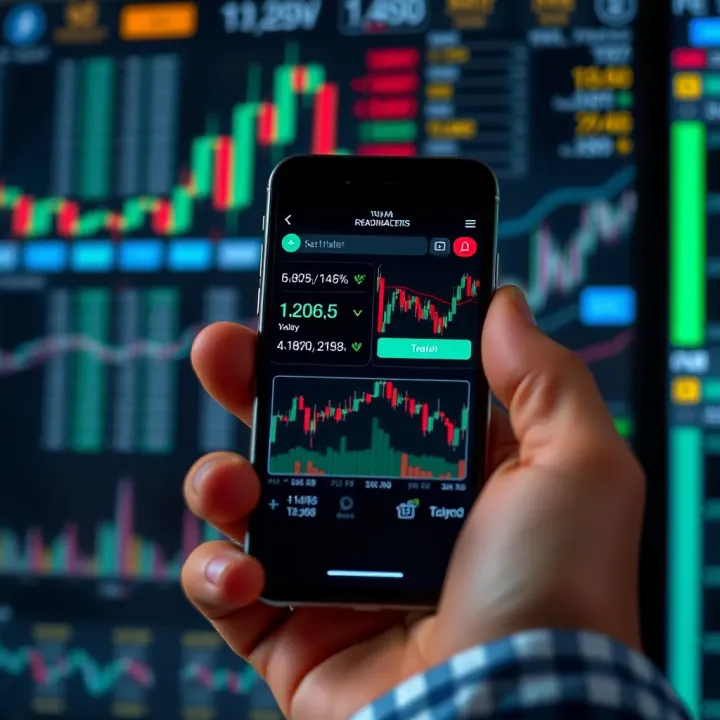
📈 Explore the best trading apps for users in Pakistan! Compare features, fees, security, and customer support to pick the right platform for you.
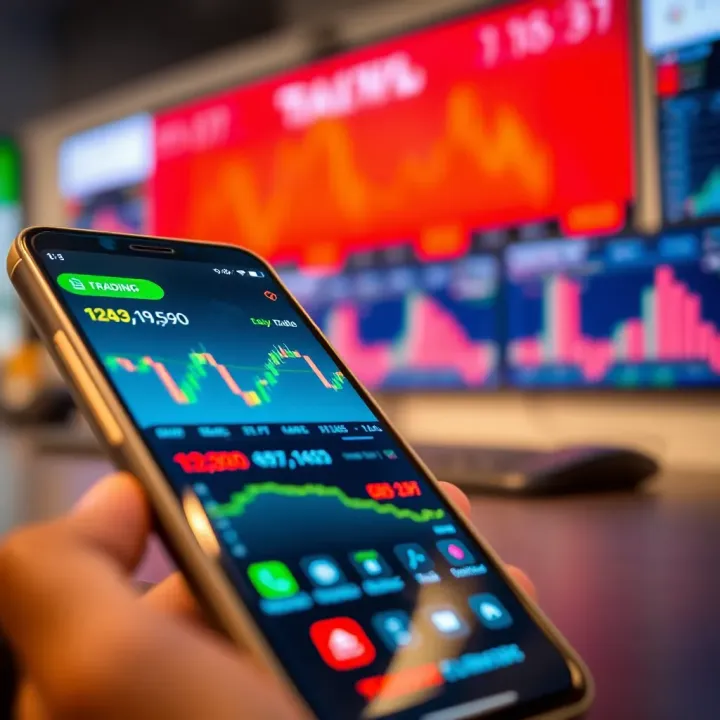
Explore top trading apps in Pakistan 🇵🇰, learn key features, safety tips, and how to trade smartly in a secure & regulated environment 📈📱.
Based on 8 reviews