
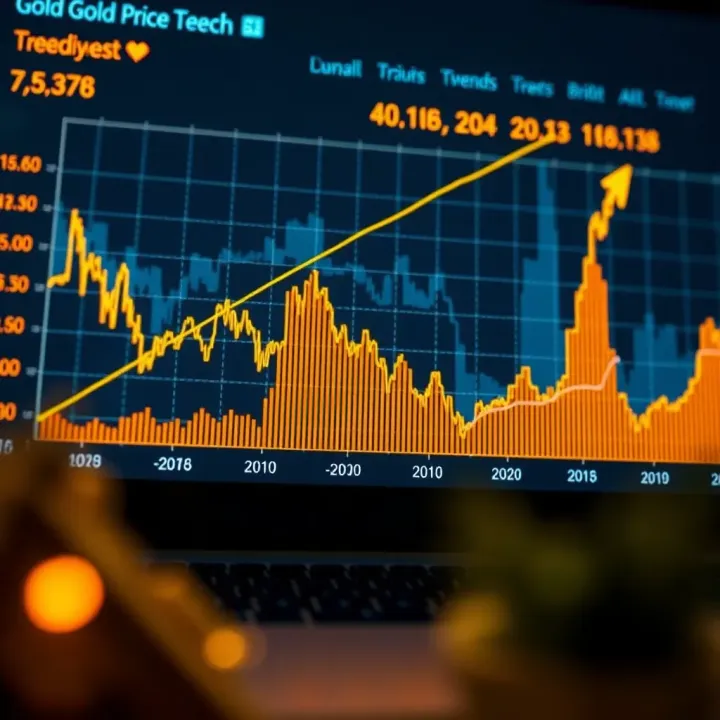
Will Gold Prices Rise Soon? Trends in Pakistan
Wondering if gold prices will rise soon? 📈 This article breaks down local & global factors affecting Pakistan's gold rates for smart investing decisions.
Edited By
Grace Mitchell
Gold has long been a trusted asset for safeguarding wealth, especially in volatile markets like Pakistan. As an investment, its appeal stems from a mix of tangible value and its resilience against inflation or currency drops. But what drives gold prices, and how can one make sense of the future trends?
Several key factors influence gold prices globally and locally. Internationally, economic indicators such as inflation rates, interest rates set by central banks, and US dollar strength play significant roles. For example, when the US dollar weakens, gold becomes cheaper for holders of other currencies, often pushing prices up. Geopolitical tensions—be it conflicts in the Middle East or trade disputes—usually increase demand as investors seek a safe haven.
Locally, Pakistan’s economic health, currency fluctuations, and import policies directly affect gold prices. The Pakistani rupee’s value against the US dollar has a strong bearing because gold is priced internationally in dollars. When the rupee weakens, importing gold gets costlier, leading to higher local prices. Plus, government duties and regulatory changes can quickly impact gold's retail price in Pakistani markets.
Understanding these factors is essential for investors aiming to time their gold purchases or sales to maximise returns.
Additionally, investment behaviours worldwide influence trends. Central banks, including the State Bank of Pakistan, adjust gold reserves based on economic outlooks, impacting supply. Retail investors' appetite—often driven by festivals like Eid or uncertain economic times—can cause price swings. Online platforms like Daraz and mobile wallets such as JazzCash also make gold investment more accessible, shaping demand patterns.
To forecast gold prices practically:
Monitor global economic signals like US Federal Reserve decisions, inflation reports, and geopolitical reports.
Keep an eye on SBP announcements about currency management and foreign reserves.
Watch local policy shifts, including import duties, taxes from FBR, and any regulatory updates from Pakistan’s Ministry of Finance.
Observe market demand for physical gold during cultural and seasonal peaks.
By integrating these diverse but connected pieces, Pakistani investors and traders can better navigate gold’s future price movements with insight and confidence.
Understanding the main factors that affect gold prices helps investors and traders make informed decisions. These elements interplay globally and locally, impacting gold’s market value in real time. From economic indicators to geopolitical events, each plays a distinct role in setting the tone for gold’s future price trends.
Gold reacts strongly to changes in interest rates and inflation. When interest rates rise, investors usually prefer assets generating income, like bonds, which can pull demand away from gold since it offers no yield. On the other hand, when inflation spikes, gold often benefits as investors seek to preserve their purchasing power. For example, during times of high inflation in Pakistan, such as in 2023, many turned to gold as a safe store of value.
Gold prices are quoted in US dollars worldwide, so currency strength affects local gold costs. If the Pakistani rupee weakens against the dollar, gold becomes more expensive in PKR terms, even if its international price remains stable. Traders must watch forex trends closely; rupee depreciation typically pushes domestic gold prices upward, influencing buying patterns in Karachi or Lahore.
Stock market behaviour also impacts gold demand. When equity markets fall due to economic uncertainty or corporate losses, investors often shift to gold for safety. Conversely, a bullish stock market can reduce gold’s appeal as investors chase higher returns elsewhere. During the 2020 market crash triggered by COVID-19, gold prices surged as stock indices plunged, highlighting this inverse relationship.
Political turmoil, both regionally and globally, can drive gold prices higher as it’s viewed as a refuge in uncertain times. For instance, conflicts in the Middle East or tensions across the India-Pakistan border have historically pushed investors toward gold, reflecting concerns over economic and security risks.
Trade disputes and sanctions disrupt markets by restricting goods and capital flow, prompting investors to reconsider risk. Sanctions on key economies or new tariffs can reduce confidence in usual investment avenues, benefiting gold as a non-sovereign asset. Recent US-China trade tensions demonstrated how such events can ripple through commodity prices, including gold.
The COVID-19 pandemic altered economic outlooks worldwide, affecting gold demand. Lockdowns and stimulus packages increased liquidity but also raised concerns over future inflation, boosting gold’s safe-haven status. Although recovery is ongoing, volatile pandemic effects continue influencing market psychology surrounding precious metals.

Investors should monitor these factors carefully, as shifts often dictate short- and long-term gold price movements, enabling timely and strategic investment decisions.
Understanding supply and demand is key to grasping why gold prices fluctuate over time. The balance between how much gold is mined and how much is consumed or invested in affects the market's direction. These dynamics not only reflect global trends but also impact local prices, such as in Pakistan where demand remains consistently high.
Gold production depends heavily on a few top countries. China, Australia, Russia, and the United States together produce a significant chunk of the world's gold. For example, China alone accounts for about 11% of global production. When a major mine in these countries faces disruptions—perhaps due to labour strikes or environmental regulations—it tightens supply, often pushing prices higher. Conversely, new discoveries or expansions can lead to a larger gold supply, potentially easing price pressures.
Mining gold is an expensive business. Costs for labour, fuel, equipment, and environmental compliance shape the minimum price miners accept. If costs rise sharply, as seen recently with fuel price hikes in countries like South Africa and Russia, miners might halt production if gold prices don't cover expenses. This reduces supply, tightening the market. Understanding these cost pressures helps investors anticipate supply shortages or surpluses and their likely impact on prices.
Demand for gold in jewellery accounts for around half of total consumption. India and China lead this segment with seasonal spikes during festivals and weddings, creating predictable surges. Industrial uses—electronics, dentistry, and aerospace—also absorb a smaller but steady amount. Changes in consumer tastes or economic slowdowns can reduce jewellery purchases. For instance, during the pandemic, jewellery demand dipped, affecting overall gold consumption and prices.
Investment demand plays an outsized role in gold price movements. Investors often turn to gold as a safe haven during economic uncertainty or market volatility. Central banks also buy and sell gold to manage reserves, signalling economic confidence or concerns. In 2023, several central banks, including Pakistan's own, increased gold reserves as a hedge against currency risk and inflation. Watching investment flows and central bank activity offers insight into potential price trends.
The interplay between mining output and consumer plus investor demand creates a dynamic gold market where shifts in either can spark notable price changes. Staying aware of these supply and demand elements arms investors with practical tools to spot opportunities and risks.
This section equips traders, analysts, and investors to make better-informed decisions by focusing on actual production realities, costs, and buying behaviour driving gold prices globally and in Pakistan.
Understanding the influence of Pakistan's economy on local gold prices is essential for investors and traders dealing with gold in Pakistan. Unlike global gold price movements, the local price of gold is heavily affected by domestic economic conditions such as currency stability, inflation rates, and government policies. These factors can cause fluctuations that diverge from international trends, directly impacting returns for Pakistan-based investors.
The Pakistani rupee's exchange rate against the US dollar has a direct effect on gold prices within the country. Since gold is priced globally in dollars, any depreciation in the rupee usually leads to a local increase in gold prices, even if international gold prices remain stable. For example, during the recent rupee depreciation from Rs 165 to Rs 280 against the dollar, local gold prices rose sharply, squeezing buyers who do not hedge currency risk. Traders and investors must watch exchange rate trends closely, as sudden moves in the rupee can alter market dynamics within days.
Inflation erodes purchasing power, prompting people to seek gold as a store of value. Pakistan has experienced inflation rates hovering between 9% and 14% in recent years, pushing many to invest in gold to preserve long-term wealth. Rising inflation tends to increase demand for gold locally, driving prices higher. However, high inflation also reduces disposable income, which can limit consumer gold buying, especially for jewellery. This dual effect means gold prices may not always move in line with inflation alone—it depends on how consumers and investors balance concerns about inflation and affordability.
Government regulations significantly shape gold price movements in Pakistan. Import duties on gold, customs charges, and taxation policies can inflate local prices beyond global benchmarks. For instance, recent hikes in import duties by the government added several hundred rupees per gram to gold prices, discouraging imports and impacting gold availability. Additionally, stricter import controls to protect forex reserves influence supply levels, leading to price volatility. Investors should stay updated on changes in government policy, as these measures can create short-term price spikes or depressions unrelated to market fundamentals.
Gold prices in Pakistan are not just about global trends; understanding local factors like currency swings, inflation pressures, and government policies is key to making informed investment decisions.
The rupee’s weakness against the dollar pushes local gold prices up.
Inflation drives demand for gold as protection but can limit consumer buying power.
Government import duties and regulations can cause price fluctuations distinct from global markets.
Keeping an eye on these Pakistan-specific factors will help investors better anticipate gold price movements and optimise their investment strategies accordingly.
Gold prices don’t move in isolation; emerging trends play a major role in shaping their future trajectory. Understanding these trends helps traders, investors, and financial analysts anticipate shifts and prepare accordingly. Two trends stand out right now: technological innovations in gold trading and changing investor behaviour, especially after the pandemic.
Digital Gold Platforms have transformed how people buy and sell gold, making transactions faster and more accessible. In Pakistan, platforms like KaratGold and BullionVault are gaining traction, allowing investors to trade gold online without physically handling the metal. This convenience lowers entry barriers, attracting more retail investors. Digital gold also eases liquidity issues, letting users convert their holdings to cash quickly compared to physical gold, which requires more effort and costs for storage and verification.
Beyond convenience, Blockchain and Transparency are reshaping trust within gold trading. Blockchain technology uses a secure ledger system that records every gold transaction immutably. This means buyers can verify the authenticity and provenance of gold before purchase, reducing risks tied to fraud or counterfeit products. For instance, some companies leverage blockchain to track gold from mine to market, providing transparency on ethical sourcing — a concern growing especially among Pakistani buyers who are increasingly conscious about supply chain integrity.
The pandemic created a sense of economic uncertainty globally, and Pakistan was no exception. This pushed many investors to increase their holdings in gold, a traditional safe-haven asset. Gold tends to hold value or appreciate when stocks fall or currency weakens, making it a vital part of a balanced portfolio. The spike in gold demand during the early months of Covid-19 demonstrated this clearly. Moving forward, the preference for gold as a shelter during volatile economic times remains a key driver of price trends.
Alongside this, there is noticeable retail investor growth in the gold market in Pakistan. Increased smartphone penetration and digital payment methods like JazzCash and Easypaisa have made investing accessible to more people. Unlike before, where buying gold meant visiting a jeweller or bank, many now buy gold digitally, often in small amounts. This shifts the gold market dynamic, as more frequent, smaller investments by retail buyers can add volatility but also increase overall demand, influencing prices at both local and global levels.
As these trends unfold, staying updated helps investors make smarter decisions. Embracing technology and understanding shifting behaviour offer a more realistic view of gold price movements in Pakistan and beyond.
Investing in gold remains a popular choice in Pakistan, especially during times of economic uncertainty and currency fluctuations. For investors, understanding practical strategies is key to maximising returns while managing risks. This section focuses on actionable advice tailored to the Pakistani market, helping investors navigate timing, product choices, and risk management.
Knowing when to buy gold can make a significant difference in investment outcomes. Pakistani investors should closely watch local gold price trends alongside international cues like US Federal Reserve policies or geopolitical events. For example, gold prices often rise when the Pakistani Rupee weakens against the US dollar, so buying gold at periods of relative Rupee strength could lock in better value.
Seasonal factors also matter. Demand typically spikes ahead of Eid and wedding seasons, often pushing up jewellery prices. Investors might avoid buying physical gold just before these periods to dodge premiums. Instead, monitoring daily prices on recognised platforms like Pakistan Mercantile Exchange (PMEX) or reputable bullion dealers helps pick favorable entry points.
Physical gold, such as coins or jewellery, is tangible and culturally significant in Pakistan. It serves not only as investment but also as a gift or family heirloom. However, physical gold involves storage costs, security concerns, and sometimes higher premiums due to making charges. Local investors need to ensure purchase from trusted jewellers to avoid quality and purity issues.
Paper gold options, including gold exchange-traded funds (ETFs) or digital gold platforms, offer convenience and lower transaction costs. They eliminate risks of theft and loss but carry market risk linked to price fluctuations. Furthermore, unlike physical gold, paper gold depends on the credibility of financial institutions or platforms, making regulatory oversight crucial. For instance, digital platforms operated by reputable banks or exchanges in Pakistan add a layer of trust.
Gold prices can be volatile due to local and international factors. Investors should diversify by not putting all funds into gold alone but balancing with other asset classes or currencies. Setting clear investment goals—whether long-term wealth preservation or short-term trading—helps tailor risk management.
Use of stop-loss orders in paper gold trading or limiting physical gold holdings to a certain percentage of total investments can contain downside risks. Monitoring news related to currency policies by the State Bank of Pakistan or regional geopolitical developments can provide early signals to adjust positions.
Understanding your own risk tolerance and keeping disciplined entry and exit plans make investing in gold more manageable, especially in Pakistan’s often unpredictable economic climate.
By combining thoughtful timing, informed choice between physical and paper gold, and solid risk management, Pakistani investors can better protect their wealth and seize opportunities in gold markets.
Wondering if gold prices will rise soon? 📈 This article breaks down local & global factors affecting Pakistan's gold rates for smart investing decisions.
🌐 Dive into Arbitrum price trends, risks, and adoption insights. Get expert views and compare with peers to understand its future potential! 📈
Explore Cardano's ADA price trends 📈 with insights on network updates, market sentiment, and crypto shifts. Stay informed about ADA's potential in Pakistan 🇵🇰.
📊 Explore Uniswap's price trends, blockchain tech, market moods, and risks to understand what future holds for this key decentralized exchange token.
Based on 10 reviews