
Will Gold Prices Rise Soon? Trends in Pakistan
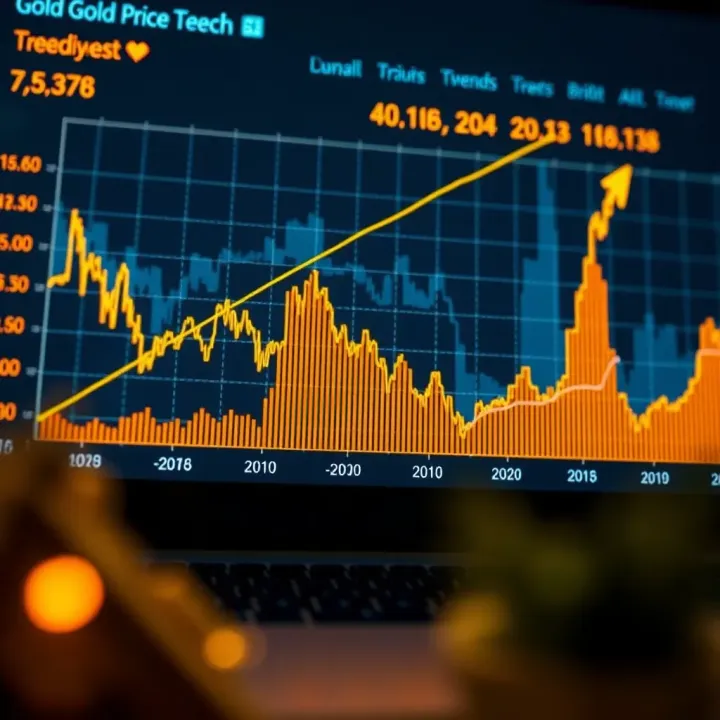
Wondering if gold prices will rise soon? 📈 This article breaks down local & global factors affecting Pakistan's gold rates for smart investing decisions.
Edited By
Sophie Graham
Gold futures trading in Pakistan has gained traction as investors seek to diversify portfolios and hedge against inflation. With the rupee’s volatility and global economic shifts, understanding key trends in gold futures can help investors make informed decisions.
Pakistan’s gold market is influenced by both local and international factors. Domestically, currency depreciation, import duties, and government policies affect gold prices. Globally, US dollar strength, geopolitical events, and interest rate changes hold significant sway over gold futures.

For example, when the State Bank of Pakistan (SBP) adjusts the policy rate, it impacts foreign exchange stability and, in turn, gold demand. Likewise, tension in Middle Eastern countries often triggers price spikes due to safe-haven buying.
Investors in Pakistan need a clear grasp of these dynamics to navigate risks, especially since gold futures involve leverage and timely market entry.
Key economic indicators to watch include inflation numbers, SBP announcements, and Pakistan’s trade balance. Globally, crude oil prices and US Federal Reserve decisions affect gold indirectly by shaping investor sentiment.
In practice, many Pakistani traders combine technical analysis with news tracking. Tools such as moving averages and Relative Strength Index (RSI) signals assist in pinpointing entry and exit points.
Understanding seasonal trends also matters. Typically, gold prices climb ahead of Eid due to increased jewellery demand, offering investors strategic timing options.
In short, Pakistan’s gold futures market requires close attention to both Pakistan-specific economic cues and broader global signals. This balance allows traders and investors to anticipate price moves more accurately and manage their portfolios effectively.
Understanding the current state of the gold futures market is essential for Pakistani investors aiming to navigate price fluctuations and capitalise on emerging trends. This section highlights how global exchanges, contract specifics, and local trading platforms influence decision-making. Grasping these elements helps investors assess liquidity, volatility, and market accessibility, all vital for timely trading choices.
Major gold futures contracts are traded mainly on exchanges like the New York Mercantile Exchange (NYMEX) and the London Metal Exchange (LME). These contracts specify standard weights, usually 100 troy ounces, and delivery dates, making them attractive for large-scale investors and institutions. For example, the COMEX gold futures contract on NYMEX often sets the global benchmark price, affecting markets worldwide, including Pakistan. Knowledge of contract specifications ensures that investors know exactly what they are buying or selling.
Recent price trends reflect gold’s reaction to global uncertainties such as inflation rates and geopolitical tensions. For instance, fluctuations over the past year showed gold prices rising sharply during periods of higher inflation fears but falling back when dollar strength increased. This volatility offers both risks and opportunities; understanding these patterns helps traders plan entry and exit points strategically rather than reacting impulsively to sudden price jumps.
The Pakistan Mercantile Exchange (PMEX) is the primary facility where gold futures are traded locally. Established to provide transparent and efficient commodity trading, PMEX offers investors access to standardised gold futures contracts with regulated trading hours. This platform has improved market participation by providing easy access for institutional investors and retail traders alike, ensuring fair price discovery within Pakistan.
Trading volume on PMEX for gold futures has grown steadily, signalling rising interest among Pakistani investors. While still smaller compared to global exchanges, this increasing popularity stems from the desire to hedge against rupee depreciation and inflation. Retail investors now use gold futures to balance portfolios, alongside traditional gold jewellery or bars. As liquidity improves, these contracts are becoming a common tool to manage portfolio risk in Pakistani financial circles.
Keeping a close eye on the current market status—both globally and within Pakistan—equips investors to respond confidently to price changes and regulatory updates, which can directly impact their investments.
Major global exchanges set pricing standards
PMEX offers local marketplace access
Understanding contract details prevents trading surprises
Recent volatility creates strategic opportunities
Growing local volumes indicate increasing investor trust
Knowing this essential groundwork, investors can better position themselves in the gold futures market, applying knowledge tailored to Pakistan’s economic and regulatory environment.
Understanding the factors that impact gold futures prices is vital for Pakistani investors aiming to make informed decisions. Gold does not move in isolation; its price reacts to shifts in economic fundamentals, geopolitical events, and global market dynamics. Recognising these drivers helps investors forecast price trends better and manage risks effectively.
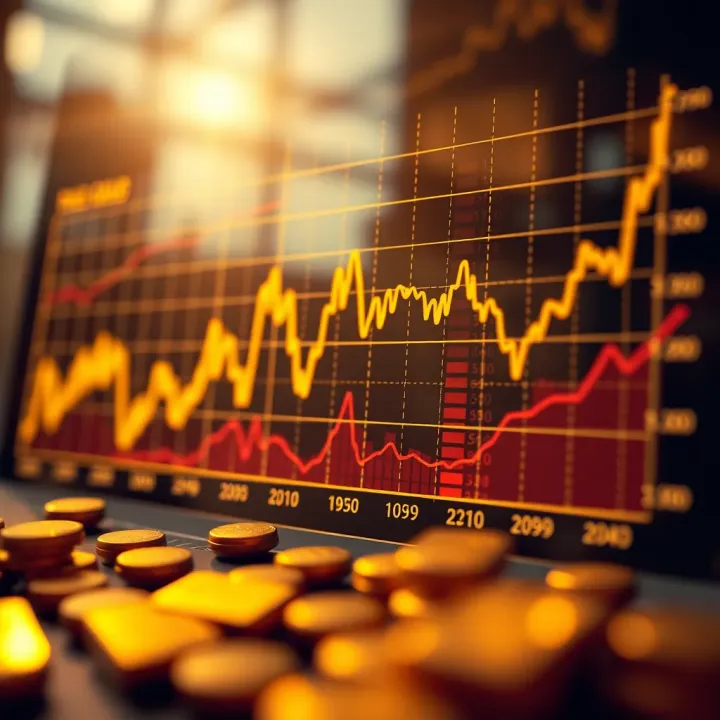
Inflation plays a major role in shaping gold's value. When inflation rises, the purchasing power of currency falls, prompting investors to turn to gold as a protective asset. In Pakistan, with inflation rates often fluctuating due to food and fuel price changes, this trend is quite visible. Investors tend to increase their gold holdings during high inflation periods to preserve wealth.
Interest rates work closely with inflation. When the State Bank of Pakistan raises policy rates, borrowing costs climb, making alternative investments more tempting than gold, which yields no interest. Higher interest rates usually pull gold prices down, as fixed-income assets become more attractive. Conversely, in a low interest rate environment, gold often gains appeal, especially when real interest rates (adjusted for inflation) turn negative.
Gold is priced globally in US dollars, so the exchange rate between the Pakistani rupee and US dollar heavily influences local gold futures prices. A weakening rupee makes gold imports more expensive, pushing futures prices higher in PKR terms. For instance, during rupee depreciation episodes in 2022, gold prices soared, reflecting increased costs.
On the other hand, a stable or stronger rupee relative to the dollar can ease gold prices domestically. Investors watching exchange rate trends alongside gold futures can better time their trades and gauge potential price volatility. Currency risk management, therefore, becomes an essential aspect when dealing with gold futures in Pakistan.
Gold often acts as a safe haven during geopolitical uncertainty. Conflicts, whether in South Asia or globally, tend to spark fear in markets, driving investors toward gold futures for safety. For Pakistan-focused investors, events like Indo-Pak tensions or Middle Eastern unrest can lift gold's demand abruptly.
Such geopolitical risks create price spikes and higher volatility in gold futures trading. Monitoring news around border disputes, diplomatic relations, or international sanctions offers clues about near-term price movements. This makes gold futures an attractive tool not only for investment but also for hedging against geopolitical shocks.
The COVID-19 pandemic revealed how global disruptions affect gold markets. Lockdowns, factory shutdowns, and shipping delays hampered the supply of physical gold, tightening inventories and pushing prices up.
Even now, pandemic after-effects linger. Supply chain bottlenecks in mining equipment or transport continue to impact how swiftly gold can reach markets. Pakistani investors should consider these factors as they contribute to price instability in gold futures. Understanding these issues helps in anticipating sudden shifts caused by supply constraints layered over global demand.
Keeping an eye on these economic and geopolitical factors provides a clearer picture of gold futures' price behaviour, enabling better strategy formulation for investors trading in Pakistan's dynamic market.
Predicting gold futures helps investors in Pakistan make better decisions amid market uncertainty. Accurate forecasts combine technical signals and fundamental factors, offering a clearer view of likely price moves. By understanding these models, traders can time their entries more effectively and manage risk efficiently.
Technical analysis studies past market behaviour using charts and patterns to forecast future price action. Common chart patterns like head and shoulders, double tops, and flags often indicate potential reversals or trend continuation in gold futures. For example, a double bottom pattern might signal a bullish trend reversal, encouraging traders to consider buying positions.
Indicators such as moving averages, Relative Strength Index (RSI), and Bollinger Bands also help identify market momentum and overbought or oversold conditions. An RSI below 30 typically suggests gold futures are oversold, possibly hinting at an upward correction. Pakistani investors often use these tools on PMEX data to gauge short-term price swings.
Using historical data plays an important role too. Analysts review previous price patterns during similar economic conditions to anticipate possible outcomes. For instance, gold saw price surges in 2020 when global uncertainty peaked; recognising such patterns guides investors during unpredictable times.
Backtesting trading strategies against historical datasets helps refine entry and exit points, improving success rates. However, it’s crucial to consider evolving market dynamics, as past trends may not always repeat identically.
The global economic outlook strongly influences gold futures prices, as precious metals typically act as a hedge against inflation and currency devaluation. When major economies face slowing growth or rising inflation—as seen recently for Pakistan’s trading partners—demand for gold often rises, pushing futures prices up.
Investors in Pakistan watch indicators like US Federal Reserve policy moves, global GDP forecasts, and commodity prices to anticipate broad market trends affecting gold. For example, increased geopolitical tensions in the Middle East or South Asia tend to spike safe-haven demand.
Central bank policies and gold reserves form another key piece. Central banks around the world regularly adjust their gold holdings as part of foreign exchange reserves to stabilise currencies and manage inflation. The State Bank of Pakistan’s approach to reserve management can indirectly impact local gold futures by influencing rupee liquidity and investor confidence.
Moreover, announcements from major holders like the US Federal Reserve, European Central Bank, or China about selling or buying gold reserves often sway market sentiment. Pakistani investors should track such news to align their strategies accordingly.
Combining technical charts with a solid understanding of global economic and central bank actions provides Pakistani investors a more complete toolkit for forecasting gold futures effectively.
Overall, blending expert analysis from both technical and fundamental angles equips you to handle Pakistan’s gold futures trading with better insight and preparedness.
Investors in Pakistan eyeing gold futures should be fully aware of the risks and essential considerations tied to this market. Unlike simple gold buying, futures trading carries a distinctive set of challenges, including price volatility, liquidity uncertainties, and strict regulations. Understanding these factors helps investors safeguard their capital and better navigate the complexities of Pakistan's financial ecosystem.
Gold futures prices can fluctuate sharply within short periods due to various influences like global economic shifts, rupee-dollar exchange rate movements, or geopolitical events. Such price swings can cause substantial losses if traders lack proper risk management. For example, sudden announcements related to SBP interest rate changes often trigger quick gold price movements, unsettling an unprepared position.
Liquidity risk is another important factor. While the Pakistan Mercantile Exchange (PMEX) has improved market depth, not all contract months see consistent trading volumes. Less liquid contracts might experience larger bid-ask spreads, making entry or exit costly or delayed. Investors should focus on actively traded contract months to reduce this risk and maintain flexibility.
It is advisable to set stop-loss orders to limit possible losses and monitor positions closely, especially during volatile sessions.
Futures trading rules in Pakistan are governed by PMEX regulations under the Securities and Exchange Commission of Pakistan (SECP). Only traders with verified CNICs and trading accounts with registered brokers can participate, ensuring market security. Margin requirements and contract specifications are clearly defined to protect market integrity and investor interests.
That said, regulations may change, so investors must stay updated. For instance, any adjustments in margin ratios or leverage limits can directly impact trading strategies and required capital.
Profits from gold futures trading in Pakistan fall under the category of capital gains and are subject to tax under FBR guidelines. Traders must report gains accurately and comply with withholding tax norms. Because futures gains differ from holding physical gold, consulting a tax advisor familiar with FBR rules is recommended to avoid penalties.
Moreover, correct bookkeeping of all trades, receipts, and challans is essential for smooth tax filing. Failing compliance can result in audits or fines, undermining investment profitability.
Understanding these risks and the legal landscape equips Pakistani investors to trade gold futures more effectively, reducing surprises and building confidence in this dynamic market.
Trading gold futures requires a strategy that balances opportunity and risk, especially in Pakistan’s unique market environment. By adopting solid risk management and timing techniques, investors can protect their capital while maximising returns. This section covers practical approaches tailored for Pakistani traders, helping them navigate the market with confidence.
Managing risk is the backbone of successful gold futures trading. Two key tools are stop-loss orders and position sizing. A stop-loss order automatically sells your position once prices reach a certain level, preventing further losses. For example, if you buy gold futures at Rs 95,000 per tola, you might set a stop-loss at Rs 92,000 to limit potential loss to Rs 3,000 per tola. This prevents emotional decisions during price swings, especially since gold futures can react sharply to economic news or currency changes.
Position sizing means deciding how much capital to allocate in each trade based on your risk tolerance. Suppose you’re willing to risk Rs 50,000 in total and your stop-loss limit per contract is Rs 2,500; you should then only buy 20 contracts. This disciplined approach stops you from overexposing your portfolio during volatile phases. Several Pakistani brokers and platforms like PMEX provide easy ways to place stop-loss orders, which beginners must utilise to avoid heavy losses.
Market timing relies heavily on analysing reports and indicators that affect gold prices. For instance, tracking inflation data released by the Pakistan Bureau of Statistics or rupee-dollar exchange rates can offer clues about upcoming price moves. If inflation rises while the rupee weakens, gold prices usually gain momentum, signalling a good entry point. Similarly, reacting to major global shifts — like Federal Reserve interest rate changes or geopolitical tensions — can help traders pre-empt price trends.
Diversification with other assets helps smooth out risks inherent in gold futures. Balancing your portfolio by adding equities listed on the Pakistan Stock Exchange or fixed-income instruments reduces dependence on gold’s price swings. For example, during a period of rupee volatility, holding some government bonds alongside gold futures can provide steady returns while the gold positions adjust to market conditions. Such a mix cushions sudden shocks and improves overall portfolio stability.
Strategic trading isn’t about chasing quick profits but rather managing risks through measured entries and diversification suited to Pakistan’s market realities.
Employing these risk management and timing strategies can give Pakistani investors a stronger foothold in the gold futures market, allowing them to make smarter, informed decisions rather than guesswork.
Wondering if gold prices will rise soon? 📈 This article breaks down local & global factors affecting Pakistan's gold rates for smart investing decisions.

📉 Get detailed insights on XAU/USD movements affecting Pakistan's traders. Explore market trends, economic impacts, and smart trading strategies. 💰
🌐 Dive into Arbitrum price trends, risks, and adoption insights. Get expert views and compare with peers to understand its future potential! 📈
📉 Explore how ADA price prediction works, using analysis and trends to help investors in Pakistan make smarter crypto choices while managing risks.
Based on 8 reviews