
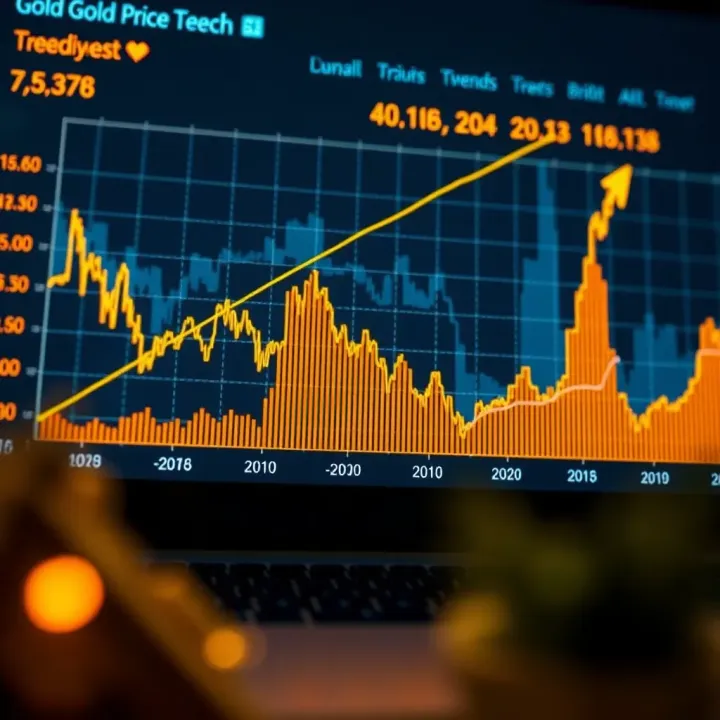
Will Gold Prices Rise Soon? Trends in Pakistan
Wondering if gold prices will rise soon? 📈 This article breaks down local & global factors affecting Pakistan's gold rates for smart investing decisions.
Edited By
Sophie Graham
Gold remains a trusted asset for many Pakistani investors, especially during times of economic uncertainty or currency fluctuations. Looking ahead to next month, several factors suggest that gold prices may experience notable shifts, influenced by both international trends and local economic conditions.
Globally, the US dollar’s strength plays a major role in gold valuations. A weaker dollar generally pushes gold prices up, as it becomes cheaper for holders of other currencies, including the Pakistani rupee, to buy gold. Currently, the dollar is showing signs of volatility due to geopolitical tensions in Eastern Europe and ongoing inflation concerns worldwide.
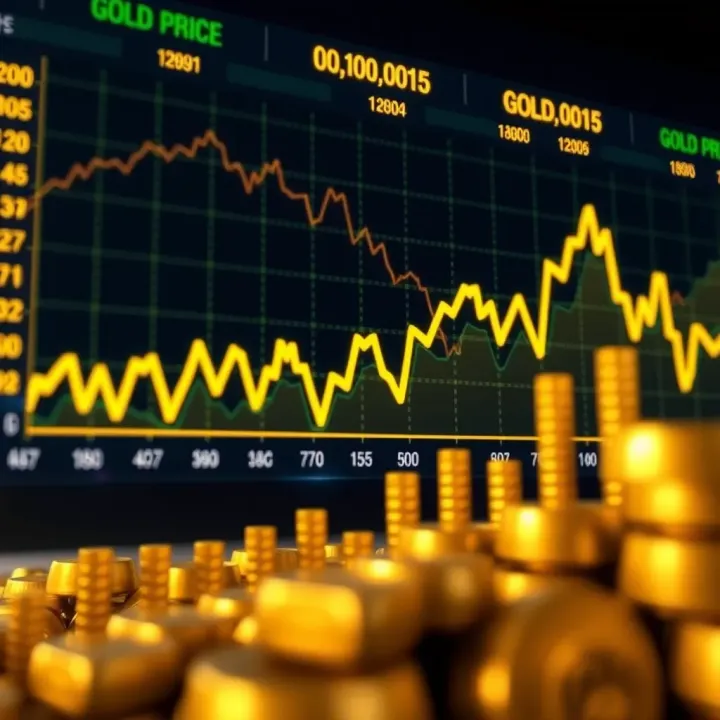
On the local front, Pakistan’s currency continues to face pressure, mainly from trade imbalances and foreign debt repayments. This pressure tends to boost gold demand as a hedge against rupee depreciation. For example, during the last quarter, we saw an uptick in gold purchases from retailers in Karachi and Lahore as investors sought to protect their savings.
Inflation in Pakistan remains above 10%, causing real returns on traditional savings accounts to shrink. Gold, historically, acts as a store of value during such inflationary periods. Investors often move toward physical gold or gold savings certificates offered by State Bank of Pakistan to secure their wealth.
Keep in mind that gold prices are also sensitive to changes in the SBP’s monetary policy. Any adjustments in interest rates or forex reserves can quickly influence market sentiment and thus gold’s value.
International currency movements: Fluctuations in US dollar and euro exchange rates
Geopolitical tensions: Unrest or conflicts affecting global markets
Inflation trends: Rising costs impacting purchasing power in Pakistan
SBP policy updates: Interest rate changes and forex reserve reports
Local demand: Jewellery buying trends around festivals or weddings
Investors should watch these indicators closely and diversify their gold holdings carefully. As always, buying physical gold from trusted jewellers or using regulated platforms like Pakistan Mercantile Exchange helps avoid counterfeit risks.
In summary, gold prices next month are likely to remain sensitive but offer a reasonable hedge against inflation and currency risks. Being informed about these dynamics will help Pakistani investors make smarter decisions in uncertain times.
Understanding the current gold market is essential for Pakistani investors planning their next moves. This overview offers practical insights into recent trends and the dynamics driving gold prices both globally and locally. It helps investors anticipate risks and opportunities, allowing them to time their trades better.
Globally, gold prices showed mixed behaviour during the past three months. Following a sharp rise due to geopolitical tensions around March-April 2024, prices softened slightly as some conflicts stabilised and the US Federal Reserve hinted at possible interest rate pauses. This volatility reflects how sensitive the yellow metal is to political and financial uncertainties worldwide.
For Pakistani investors, these international swings matter because global gold prices set a baseline for the local market. For example, when gold hit $2,100 per ounce last quarter, Karachi market rates rose sharply, though local factors also played a role.
In Pakistan, gold rates fluctuated between Rs 170,000 and Rs 180,000 per 10 grams over the past quarter. The rupee’s weakness against the US dollar added upward pressure, while local demand dips during Ramadan spelled some temporary softness. Seasonal buying around Eid also caused short spikes.
Such local shifts mean investors should watch not just global rates but also currency trends and cultural factors when deciding on gold purchases or sales.
Worldwide mining outputs have held steady but show signs of slowing due to rising extraction costs and environmental regulations. New mining projects are delayed, limiting fresh gold supply. Major global reserves are concentrated in a few countries, including South Africa, Australia, and Russia, making global supply somewhat fragile.
For Pakistani buyers, this limited supply often results in price increases during demand surges, so keeping an eye on mining reports can help gauge potential price moves.
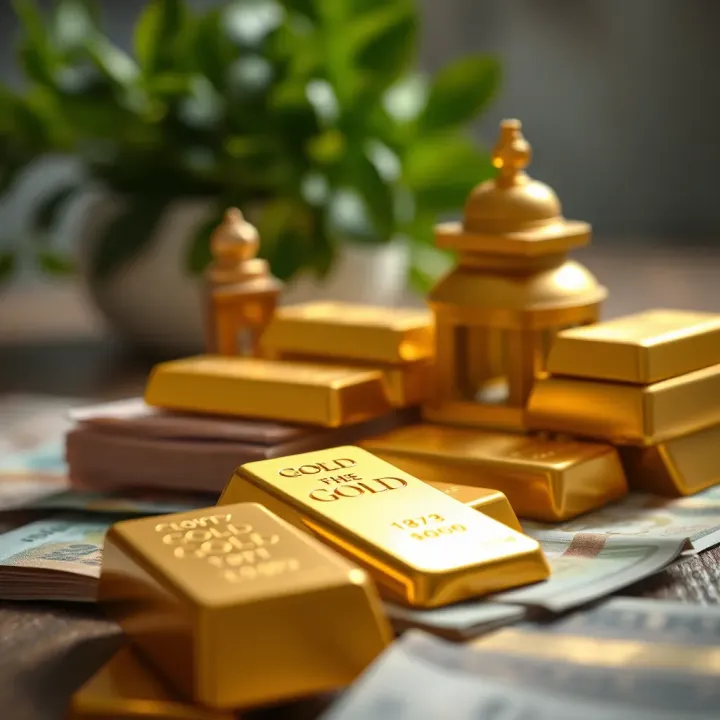
Pakistan’s demand for gold remains strong, especially for jewellery and investment purposes. Festivals like Eid cause notable upticks in purchases. Additionally, neighbouring countries such as India and the UAE also influence regional demand patterns, as imported gold flows and cross-border jewellery trade affect supplies.
Investors should consider these regional demand pressures, especially as cross-border dynamics can cause supply delays or price spikes in Pakistan’s market.
Keeping track of both supply constraints and demand patterns regionally and globally equips investors to make informed decisions ahead of price shifts.
Economic indicators give a clearer picture of what might happen to gold prices next month. For Pakistani investors, understanding these indicators helps predict price swings and plan investments wisely. Among the financial factors that influence gold, currency value, inflation rates, and interest policies hold a lot of weight.
Rupee depreciation against the US dollar plays a significant role in gold pricing within Pakistan. When the rupee loses value compared to the dollar, gold tends to become more expensive locally. This happens because gold is traded globally in US dollars. For example, if the rupee falls to Rs 280 against the dollar, importing gold costs more, leading to higher domestic prices. Investors often watch currency trends closely, as a sharp rupee dip signals a potential hike in gold rates.
Looking at the influence of exchange rates on gold, fluctuations don’t only affect import cost but also demand dynamics. When the rupee weakens, more people might buy gold as a hedge against currency risks, pushing prices up. On the other hand, a stable or stronger rupee can ease pressure on gold prices. Hence, traders should track forex reserves and central bank interventions, since these can affect exchange stability and overall investment sentiment.
Pakistan’s ongoing inflation trends directly impact gold prices. High inflation reduces the real value of money, making gold attractive as a store of value. For instance, with inflation touching over 12% recently, many investors turn to gold to protect their purchasing power. Moreover, inflation affects consumer behaviour; when prices rise sharply, people may prefer assets like gold rather than holding cash.
The State Bank of Pakistan's (SBP) monetary policy also shapes gold demand. When SBP raises interest rates to control inflation, it usually makes bank deposits and fixed-income instruments more appealing compared to gold, which doesn’t yield returns like interest. Conversely, low interest rates decrease the opportunity cost of holding gold, often resulting in higher gold prices. Investors should monitor SBP’s policy rate announcements, as these guide short-term market expectations and influence the attractiveness of gold.
Keeping a close eye on currency trends, inflation numbers, and SBP decisions can help you make smarter gold investment choices. These indicators don’t just hint at price movements — they also reveal the broader economic mood affecting demand and supply.
In summary, currency depreciation usually raises local gold prices, while inflation pushes people towards gold as a safe asset. Meanwhile, changes in interest rates by the State Bank affect how much investors prefer gold over other financial products. Watching these economic cues can offer valuable insights into next month’s gold price trajectory in Pakistan.
Global politics and economic interactions shape gold prices significantly. Investors in Pakistan must watch these carefully because shifting alliances, conflicts, and trade changes often send ripples across commodity markets.
Recent geopolitical tensions have heightened market instability worldwide. For example, ongoing conflicts in the Middle East and strained relations between major economies like the US and China keep currencies and commodities on edge. In Pakistan, where the rupee is already vulnerable, any escalation abroad tends to nudge gold prices upward as traders seek safer assets.
This uncertainty drives safe-haven demand for gold, meaning investors turn to gold to protect wealth during turmoil. Because gold does not rely on any single country's economy, it acts like a financial shelter when other markets falter. For Pakistani investors, this means if geopolitical conflicts intensify next month, gold could become more attractive, pushing prices higher locally.
Shifts in global commodity prices also affect gold. Rising oil prices, for instance, often lead to inflation concerns in Pakistan, indirectly boosting gold’s appeal as an inflation hedge. If commodity price swings continue, investors might expect gold to pick up on this trend, maintaining or increasing demand.
Trade relations involving Pakistan matter too. Pakistan's imports, including machinery and fuel, and exports like textiles and agriculture, depend heavily on stable trade ties. Any disruption, such as tariffs or sanctions affecting Pakistan's trade partners, can strain the rupee further and increase local gold buying. For example, recent regional trade tensions could push investors to consider gold as a safer option amid currency volatility.
Understanding how global conflicts and trade dynamics interact is essential for predicting gold’s direction. Paying attention to these factors helps Pakistani investors make informed decisions about buying or selling gold in the coming month.
In summary, geopolitical tensions and global economic shifts continue to impact gold prices directly and indirectly. Pakistani investors should track these developments closely as they plan their next moves in the gold market.
Technical analysis offers a systematic way to evaluate gold's price movements by studying historical data, particularly charts. For Pakistani investors, it plays a key role in making informed decisions about entering or exiting the market. Price predictions based on this analysis provide a snapshot of likely future movements, helping traders manage their risks effectively.
Recent price charts for gold reveal trends and momentum shifts that are critical to timing investments. For example, an upward trend over the past four weeks in Pakistan’s market could suggest growing demand, correlating with rupee depreciation. Monitoring daily and weekly charts helps spot trends early, giving investors a heads-up before major moves unfold.
Support and resistance zones act as psychological barriers where prices tend to stabilise or reverse. Support is the price level where demand tends to prevent further decline, while resistance is where selling pressure might cap upward movement. For instance, gold prices hovering near Rs 125,000 per 10 grams have shown strong support historically, while resistance often appears around Rs 130,000, limiting short-term gains. Recognising these zones helps traders set stop-loss orders and price targets accurately.
Consensus among market analysts offers valuable guidance by combining multiple analytical approaches including fundamental factors and technical patterns. Analysts currently expect moderate volatility next month, largely influenced by currency fluctuations and global uncertainties. For Pakistani investors, such forecasts provide a realistic outlook, tempering overly optimistic or pessimistic expectations.
Predicted price ranges give a practical framework for planning trades. Most experts anticipate gold prices to move between Rs 124,000 and Rs 132,000 per 10 grams in the coming month, influenced by inflation trends and geopolitical events. This range guides investors in setting entry and exit points, adjusting portfolios, and managing cash flow.
Understanding technical analysis alongside expert predictions equips Pakistani investors with a critical edge, enabling more confident and timely investment decisions in gold markets.
Understanding when and how to invest in gold is essential for Pakistani investors, especially given the market's dynamic nature and the multiple local factors at play. This section aims to provide practical advice that can help investors make informed decisions, manage risks, and protect their wealth effectively.
The gold price forecast gives a clear indication of possible price movements next month, allowing investors to plan their purchases or sales accordingly. If predictions show an upward trend, buying early can secure gold at relatively lower prices. Conversely, a forecast of declining prices might suggest holding off on new purchases or even selling existing stocks to avoid losses. For example, if technical analysis points to support levels holding firm, it could be a good window to buy before prices rise again.
Local factors such as rupee volatility, import duties, and seasonal demand strongly influence gold prices in Pakistan. For instance, prices often spike before Eid or wedding seasons due to increased demand. Loadshedding and logistical delays can also affect supply chains, causing price hikes. Investors should monitor these conditions alongside global trends. Tracking WAPDA and Pakistan Customs announcements can help spot such impacts early.
Purchasing gold from reputable, certified dealers ensures authenticity and prevents fraud. In Pakistan, authorised jewellers registered with the Punjab or Sindh Jewellers Associations or recognised banks offer certified gold coins and bars. Avoiding informal sources reduces the risk of counterfeit items or incorrect purity, which can lead to significant financial losses.
Once purchased, safely storing gold is equally important. Many investors keep physical gold secured at home in a safe or bank locker. However, given the risks of theft or damage, using bank lockers provided by SBP-approved banks tends to be safer. Investors should avoid publicising their holdings to reduce security risks. Insurance of gold holdings is another prudent step often overlooked but recommended.
Careful planning and adherence to safe practices can help Pakistani investors protect their gold investments from market fluctuations and security threats. Always stay updated on both global trends and local developments to maximise benefits.
Key points for investors:
Follow forecasts but adapt to Pakistan-specific factors.
Buy from certified dealers only.
Use secure storage; consider bank lockers.
Watch out for seasonal demand spikes.
This practical approach will allow investors to navigate the gold market confidently while minimising risks commonly faced in Pakistan's financial landscape.
Wondering if gold prices will rise soon? 📈 This article breaks down local & global factors affecting Pakistan's gold rates for smart investing decisions.
📈 Explore ARB coin's price trends and expert analysis tailored for Pakistani investors. Understand market forces, risks, and growth potential before investing.
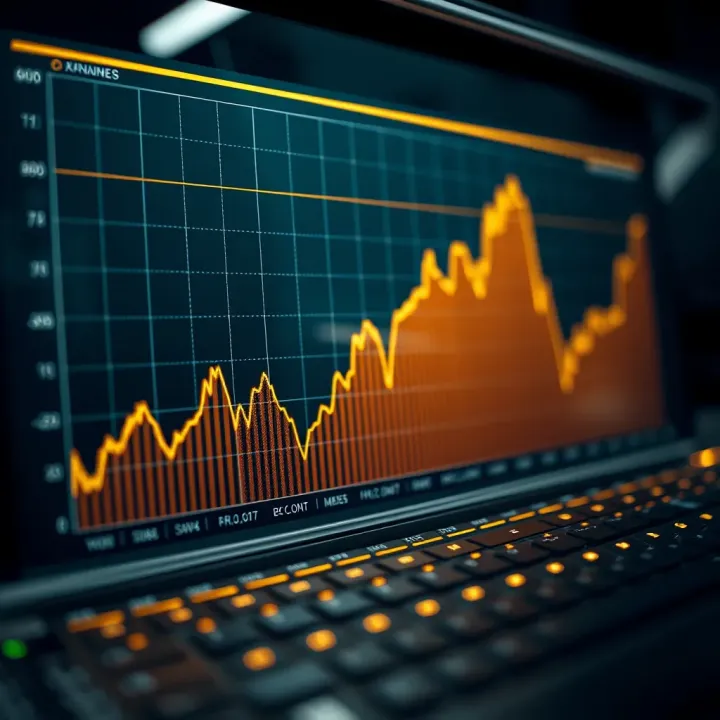
📈 Today's gold price prediction in Pakistan explained with market trends, economic and geopolitical impacts, plus expert insights for smart investing. 💰
Explore the current Bitcoin outlook 📉📈, key market trends, risks, and expert predictions to guide investors in Pakistan through the crypto landscape in 2024.
Based on 11 reviews