
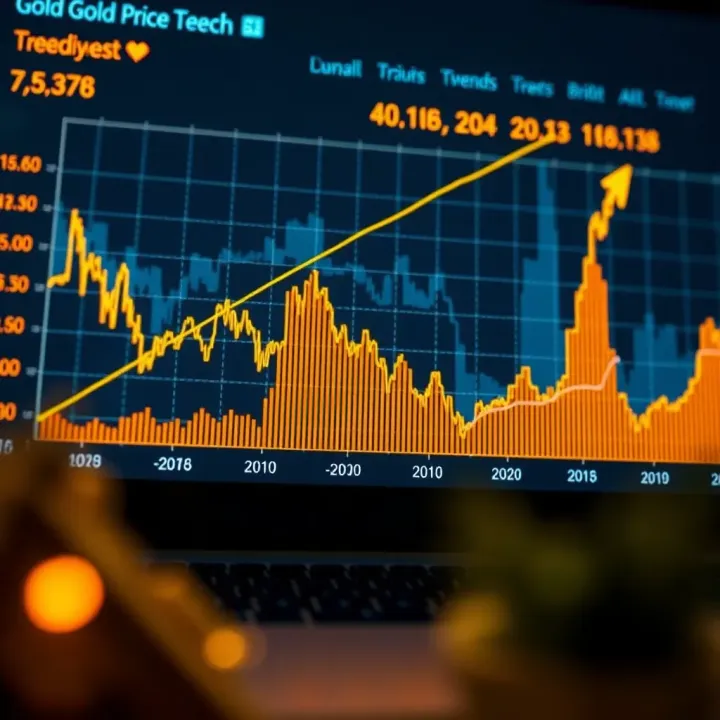
Will Gold Prices Rise Soon? Trends in Pakistan
Wondering if gold prices will rise soon? 📈 This article breaks down local & global factors affecting Pakistan's gold rates for smart investing decisions.
Edited By
Isabella Mitchell
Gold prices in Pakistan often fluctuate because of a blend of global trends and local factors. For the coming week, traders and investors need to keep a close eye on international market movements, the Pakistani rupee's value against the US dollar, and domestic economic developments.
Globally, gold largely responds to changes in the US dollar index and interest rates set by the Federal Reserve. If the dollar weakens, gold tends to rise as it becomes cheaper for holders of other currencies. Conversely, when the Fed signals higher interest rates, gold might face downward pressure because investors may prefer yield-bearing assets.
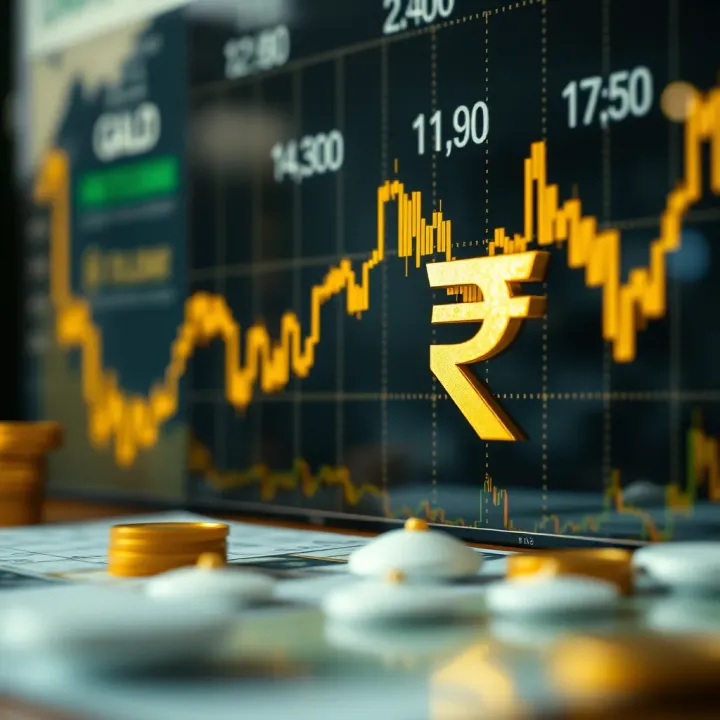
Locally, the Pakistani rupee (PKR) plays a key role. The PKR has been volatile recently due to trade deficits and political uncertainties. Since gold in Pakistan is priced mostly in dollars, any depreciation in PKR tends to push up gold prices in rupees, even if international rates remain stable.
Expect gold prices in Pakistan next week to reflect a tug-of-war between easing global inflation concerns and local currency dynamics.
Moreover, seasonal demand in Pakistan influences gold prices. With wedding season approaching and Eid festivities around the corner, demand may rise, nudging prices higher. Likewise, government policies on customs duties or import restrictions could affect supply and pricing.
Investors should monitor:
International gold futures and spot prices on commodity exchanges
The PKR to USD exchange rate, updated daily by State Bank of Pakistan
Any announcements from the government or Federal Board of Revenue (FBR) about gold imports
By combining these factors, traders and investors can anticipate potential price movements. For example, if the PKR weakens by 1%, gold prices in rupees could rise proportionally, even if global gold remains unchanged.
In summary, next week's gold price in Pakistan will hinge on international market signals, currency trends, and local demand-supply conditions. Staying updated with these variables will help in making better buying or selling decisions.
Understanding the current gold market in Pakistan is essential to making informed decisions, especially for traders, investors, and financial analysts. Gold, historically a preferred investment for many Pakistanis, responds sharply to both local economic shifts and global trends. Examining this market closely allows one to anticipate price movements and manage risks effectively.
Price movements over the past month have shown moderate fluctuations within the range of Rs 118,000 to Rs 121,500 per tola. These changes reflect varying factors such as shifts in international gold rates and domestic currency fluctuations. For example, in the past three weeks, a slight depreciation of PKR caused a rise in local gold prices, whereas some stabilisation in the exchange rate pulled prices down slightly towards the month's end. Monitoring such trends helps investors time their entries and exits more effectively.
Looking at the comparison with international gold rates, Pakistan's gold prices generally track global spot prices in US dollars but with a time lag and local adjustment for the PKR exchange rate. While international gold prices saw a steady rise of about 1.5% last month, the appreciation was more marked in Pakistan due to the weakening rupee. This gap provides opportunities for arbitrage and suggests that local prices may continue to rise if global demand strengthens or the USD appreciates.
The impact of PKR exchange rate fluctuations on gold prices cannot be overstated. Since gold is priced in USD internationally, any drop in the rupee’s value tends to push local gold prices higher almost immediately. For instance, when PKR slipped from Rs 290 to Rs 295 per dollar last month, gold prices climbed by roughly Rs 2,000 per tola in Karachi markets. This relationship makes gold a hedge not only against inflation but also currency risk.
Local inflation also affects gold demand significantly. Pakistan’s inflation rate crossed 12% recently, which has increased the number of buyers treating gold as a safeguard against eroding currency value. During times of high inflation, demand rises both for physical gold purchases and for gold-based financial instruments. This typically leads to higher premiums on gold jewellery and coins, influencing local prices beyond international spot rates.
For investors and traders, keeping a close eye on PKR trends and inflation data is key to anticipating shifts in gold prices domestically.
By analysing price movements, currency impacts, and inflation effects together, stakeholders in Pakistan’s gold market can better prepare for next week’s price movements and adjust their strategies accordingly.
Global factors carry significant weight in shaping gold prices worldwide. For Pakistan's market, understanding these can offer useful clues about the expected price movements next week. Gold doesn't move in isolation; its price shifts respond to dynamics well beyond local borders.
The US dollar plays a big role in gold pricing because gold is generally traded in dollars internationally. When the US dollar strengthens, gold prices tend to fall as gold becomes costlier for buyers using other currencies. For example, if the dollar index rises due to stronger US economic data or hawkish policies from the Federal Reserve, Pakistani investors may see gold prices slip even if local demand remains steady.
Conversely, a weaker dollar often pushes gold prices higher. This is because investors might shift to gold as a safe asset when the dollar loses ground. For Pakistan, where the rupee often follows the dollar’s swings, any sharp move in the dollar can spill over into local gold prices quite swiftly.
Global demand for gold comes from central banks, industries like jewellery manufacturing, and investors. When central banks, such as those in China or Russia, increase their gold reserves, it can tighten supply and push prices up. Meanwhile, disruptions in gold mining due to strikes or environmental issues can also restrict supply temporarily.
On the other hand, if major consumers like India or China reduce gold imports, perhaps due to local economic slowdowns or high tariffs, global demand drops and prices might ease. Pakistan’s gold price forecast next week can be influenced by such supply-demand imbalances abroad, especially if these movements coincide with local currency shifts.
Political unrest or regional conflicts often boost gold prices as investors look for safe haven assets. For instance, ongoing tensions in the Middle East or trade disagreements between big economies disrupt markets, causing a spike in gold demand.
In Pakistan’s context, geopolitical instability in the region, or escalating tensions between major powers, tends to heighten cautiousness among investors, potentially raising gold prices locally. Traders should watch for news of conflicts or diplomatic shifts to anticipate price volatility next week.
Several economic indicators shake gold prices globally. Key indicators include inflation data, interest rates set by central banks, and employment reports. For example, if inflation numbers rise sharply in the US or Europe, gold often gains because it’s seen as a hedge against inflation.
Interest rate decisions also matter. Higher rates make bonds and savings accounts more attractive compared to gold, which does not pay interest, usually causing gold prices to drop. Pakistan’s investors need to pay attention to such reports from large economies as these impact the global demand and hence prices seen in Pakistan.
Understanding global factors alongside local economic conditions helps Pakistani traders and investors navigate gold price fluctuations more confidently, reducing guesswork in a complex market.
Local economic conditions heavily shape gold prices in Pakistan, influencing both demand and supply on a day-to-day basis. Economic indicators like inflation and interest policies affect purchasing power and investment appetite, while government regulations and taxes directly impact the cost and availability of gold. Seasonal demand, driven by cultural events, can push prices up temporarily. Understanding these factors helps investors and traders anticipate price movements accurately.
Inflation rates and interest policies play a significant role in shaping gold prices. When inflation rises, the local currency loses value, prompting more people to turn to gold as a hedge against inflation. For example, recent inflation figures around 11-12% have made gold a refuge for many Pakistanis concerned about the declining rupee value. At the same time, the State Bank of Pakistan's interest policies impact gold demand indirectly; high interest rates increase returns on bank deposits, discouraging gold investment, while lower rates tend to push investors towards gold.
Government regulations and taxes also directly affect gold trading in Pakistan. The Federal Board of Revenue (FBR) imposes customs duties and sales taxes on gold imports, increasing the overall cost. For instance, a recent hike in customs duty from 1% to 5% on gold imports added to the final price per tola. Additionally, strict documentation requirements by customs and delays in clearance at ports can disrupt gold supply, causing price fluctuations. Traders should consider such regulatory factors when planning their market moves.
Demand for gold in Pakistan tends to spike during festivals like Eid and the wedding season between October to March. Families often buy gold jewellery as gifts or for investment, pushing demand higher and affecting prices. For example, in the months leading up to Eid-ul-Fitr, gold prices commonly rise by around Rs 200-300 per tola due to increased buying. Traders should watch the calendar closely, as these predictable surges offer opportunities to benefit from short-term price hikes.
Investment trends vary by province due to local economic conditions. Punjab and Sindh show the highest demand, driven by urban populations with greater disposable income. In contrast, demand in Khyber Pakhtunkhwa and Balochistan can be more subdued, reflecting differing wealth levels and local priorities. This geographical variance means price sensitivity can differ regionally, with dealers in major cities like Lahore and Karachi often responding faster to market shifts than those in smaller towns.
Understanding Pakistan’s local economic conditions helps you anticipate gold price movements better. Factors like inflation, government policies, and cultural demand all push prices in ways that may not align strictly with international trends, making local insight essential for smart trading and investment decisions.
Understanding the short-term gold price forecast for next week is vital for traders and investors in Pakistan. It helps them time their buying and selling decisions better, guard against unnecessary losses, and maximise potential gains. In a market where gold prices shift daily based on multiple variables, having a clear outlook for the coming week offers concrete guidance amid uncertainty.
For next week, analysts suggest the price of gold may hover between Rs 170,000 and Rs 173,000 per tola, while per gram rates tend to range from Rs 13,760 to Rs 13,900. These figures consider recent trends in currency fluctuations, global gold demand, and local economic indicators. Since jewellery and investment purchases in Pakistan commonly use tola (11.66 grams) or gram units, knowing this projected range helps buyers estimate their costs clearly.
Last week, gold prices averaged around Rs 171,000 per tola, indicating that the forecasted prices show relative stability with slight upward potential. This insight is practical for brokers and financial analysts to anticipate market movements and advise clients accordingly. Comparisons to recent averages highlight whether the market is leaning towards bullish or bearish sentiment in the short run.
Pakistan’s economic calendar includes key announcements next week, such as updates on inflation figures and central bank interest policy decisions. If inflation rises unexpectedly or the State Bank of Pakistan adjusts the policy rate, gold prices might respond swiftly as investors seek safe havens amidst uncertainty. For example, a hike in the policy rate could strengthen the rupee, putting downward pressure on gold prices.
Internationally, shifts in the US dollar value and geopolitical tensions remain important drivers. A strong dollar usually lowers gold prices since gold becomes more expensive for holders of other currencies like the PKR. On the other hand, increasing unrest or uncertainty in key global regions tends to boost gold demand. Monitoring these factors helps Pakistani traders anticipate when international trends might push local prices up or down.
Staying updated on these short-term forecasts and influencing factors is essential for making smart gold investments in Pakistan's dynamic market.
Understanding these elements more closely lets investors, traders, and financial advisors manage risks and seize opportunities effectively during the next week.
Understanding practical advice is vital for anyone looking to navigate the gold market in Pakistan, especially when prices tend to shift quickly. This advice helps buyers and investors make informed decisions, avoid losses, and maximise gains. For instance, knowing the best time to buy or sell based on reliable forecasts can save you a lot of money and stress.
Strategies based on price forecasts
Analysing price forecasts enables investors to time their trades better. If forecasts indicate a likely drop in gold prices next week, it might be wise to hold off buying and wait for prices to ease before making a purchase. Conversely, if prices are expected to rise, selling sooner rather than later can protect your profits. For example, if the price per tola is expected to climb from Rs 120,000 to Rs 122,000, selling now rather than later might lock in gains.
Understanding market volatility
Gold prices in Pakistan often react sharply to sudden changes, such as shifts in the Pakistani rupee value or international gold rates. This volatility means prices can swing within a short period, so investors must be cautious. Keeping an eye on daily price movements and government economic announcements can help you adjust quickly. For instance, after a major policy announcement, prices might spike or fall abruptly, so being patient and not rushing into trades reduces risk.
Choosing trustworthy dealers
When buying or selling gold, working with reputable dealers is essential. Trusted dealers usually have proper licences, good customer feedback, and transparent pricing. In Pakistan, gold shops in major markets like Karachi’s Zaibunnisa Street or Lahore’s Liberty Market have established reputations. Avoid sellers with unclear terms or those who refuse to provide official receipts, as these can lead to potential fraud or disputes.
Verification of gold purity and certification
Always verify the purity of gold with proper certification, like a 22-carat hallmark or a certificate from a recognised assaying office. This verification prevents you from paying premium prices for lower-quality gold. Many Pakistani buyers request a gauge test or a purity certificate when transacting with the dealer. Additionally, using jewellery certified by the Pakistan Standards and Quality Control Authority ensures authenticity and safeguards your investment.
Always remember: informed decisions combined with trustworthy sources reduce risks and boost confidence when dealing with gold in Pakistan's fluctuating market.
Wondering if gold prices will rise soon? 📈 This article breaks down local & global factors affecting Pakistan's gold rates for smart investing decisions.
📈 Explore ARB coin's price trends and expert analysis tailored for Pakistani investors. Understand market forces, risks, and growth potential before investing.
💹 Curious if the dollar rate will increase next week in Pakistan? We analyze key economic factors, policies, and market trends affecting the PKR/USD value.
📈 Today's gold price prediction in Pakistan explained with market trends, economic and geopolitical impacts, plus expert insights for smart investing. 💰
Based on 15 reviews