
Will Gold Prices Rise Soon? Trends in Pakistan
Wondering if gold prices will rise soon? 📈 This article breaks down local & global factors affecting Pakistan's gold rates for smart investing decisions.
Edited By
Amelia Clark
Gold prices in Pakistan have always been sensitive to a mix of local and international factors. For traders and investors, understanding these influences is key to making informed decisions. The price doesn’t just jump randomly; it moves on signals like the rupee’s strength, import duties, global gold rates, and seasonal buying trends.
Pakistan relies heavily on gold imports, so any changes in customs duties or regulatory policies from the government can impact the local price almost immediately. For example, when the government increases import taxes or tightens net foreign exchange policies, the cost of bringing gold into Pakistan climbs, pushing prices up locally.
Another big factor is the Pakistani rupee’s value against the US dollar. Since gold globally trades in dollars, a weaker rupee makes imports pricier, which translates into higher gold prices in Pakistan. During periods of rupee depreciation, investors might rush to gold as a hedge against currency risk, boosting demand and prices further.
Global gold prices also play a crucial role. Events like geopolitical tensions, US Federal Reserve announcements, or shifts in international demand quickly affect gold rates worldwide. Pakistani markets usually follow these trends, although local variables can cause some divergence.
Seasonal demand patterns deserve mention as well. Festivals such as Eid and weddings typically drive increased gold purchases, leading to short-term price hikes. Traders often watch these cycles closely to time their buying or selling activities.
The interplay between currency fluctuations, import policies, global market trends, and seasonal demand shapes gold prices in Pakistan, offering both challenges and opportunities for investors.
Pakistani Rupee Exchange Rate: Significant fluctuations usually precede notable changes in gold prices.
Import Duties and Policies: New regulations can cause immediate price adjustments.
Global Market Movements: US dollar strength and international conflicts influence global and local gold rates.
Seasonal Demand Peaks: Festivals and weddings can trigger predictable price surges.
Understanding these factors will help you anticipate price movements more accurately and plan your investments or trades accordingly. Keep tracking official data from the State Bank of Pakistan (SBP), customs announcements, and international gold benchmarks like the London Bullion Market Association (LBMA) rates for real-time insights.
Understanding the gold price trends in Pakistan gives you a crucial edge when planning investments or trading decisions. Gold remains one of the preferred assets here, not just as a luxury but as a reliable store of value amid currency fluctuations and inflation. Reviewing past trends and the current market situation helps investors avoid missteps and capitalise on price movements effectively.
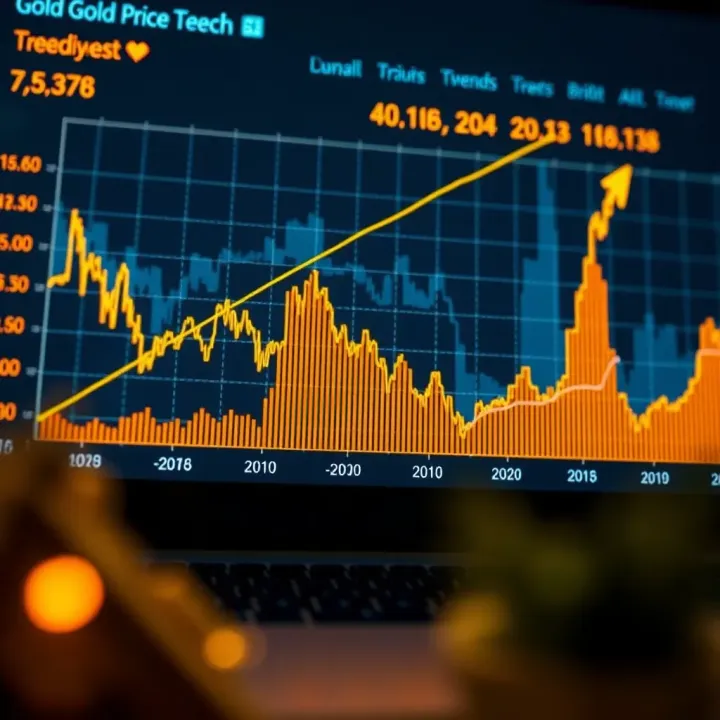
Gold prices in Pakistan have seen significant ups and downs in the last two decades. For instance, between 2010 and 2013, the price per tola (11.66 grams) hovered around Rs 40,000 to Rs 45,000 but then surged dramatically to over Rs 80,000 by 2013 amid a devaluation of the rupee and rising global prices. Another notable spike occurred in 2020 during the COVID-19 crisis when uncertainty pushed prices above Rs 115,000 per tola. These historical movements reflect how external pressures like currency depreciation and global crises directly impact local gold prices.
Tracking these patterns can help you identify similar conditions in the future, signalling whether gold might become more expensive or affordable. For example, sharp rupee devaluations generally coincide with steep gold price rises, offering cues to buy earlier.
As of early 2024, gold prices in Pakistan are relatively stable yet show signs of gradual increase due to ongoing inflation and a weaker Pakistani rupee against the US dollar. The price per tola is hovering near Rs 160,000, influenced by import duties, international gold prices remaining high, and uncertainty in the local economy. Seasonal factors also play a role; demand tends to pick up during wedding seasons and ahead of Eid, which tends to push prices slightly higher in those months.
Traders and investors watching these trends should note the widening gap between international gold rates and local prices. Import restrictions and taxes contribute to this premium. Plus, geopolitical tensions in the region often drive gold's safe-haven appeal, pushing demand higher.
Careful observation of both historical data and current indicators is essential for anyone involved in gold trading or investment in Pakistan. Ignoring these can lead to missed opportunities or losses.
In summary, the overview of gold price trends in Pakistan provides a foundation to comprehend why prices move the way they do and prepares you to respond to market shifts with informed decisions. Whether you are a seasoned broker or a new investor, this understanding shapes your approach to buying or selling gold effectively.
Gold prices in Pakistan do not shift randomly; several factors drive their movement, often intertwining but distinct enough to impact the market in clear ways. For traders and investors, understanding these elements helps in making timely decisions and anticipating price changes more accurately.
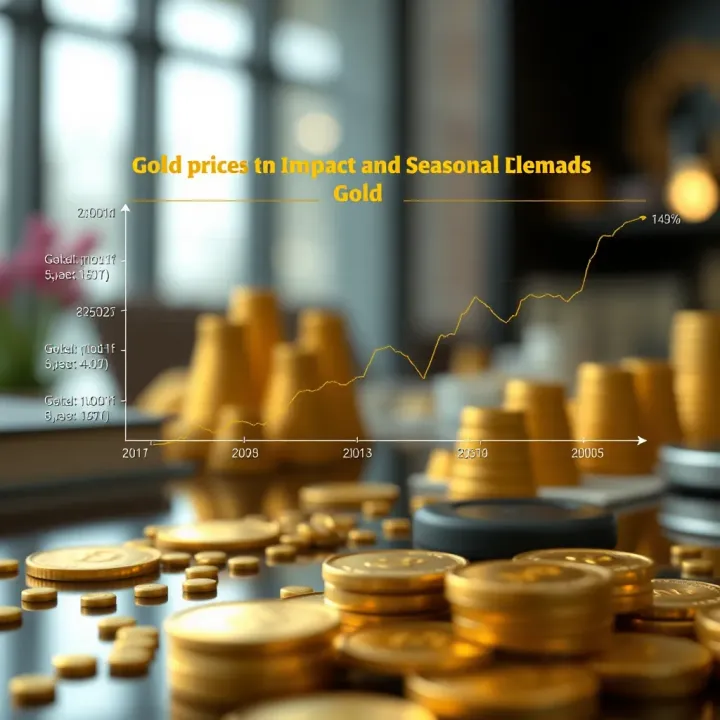
The Pakistani Rupee (PKR) to US Dollar (USD) exchange rate is a key factor since gold is priced internationally in dollars. When the rupee weakens against the dollar, imports cost more in local currency, pushing gold prices up. For instance, during times of PKR depreciation, gold prices in markets like Karachi or Lahore have historically surged by several hundred rupees per tola. On the flip side, a strong rupee can ease pressure on local gold prices, even if international rates rise.
Import duties and taxes imposed by the government directly affect the landed cost of gold. Fluctuations in customs duty rates, regulatory levies, or additional taxes can cause immediate price changes. For example, an increase in import duty from 5% to 10% raises the overall cost, which retailers pass on to buyers. Besides duties, the Federal Board of Revenue (FBR) also oversees taxes that can impact the overall burden on traders, influencing margins and retail gold prices.
Pakistan's gold market closely follows global trends, especially those from the London Bullion Market and COMEX (Commodity Exchange) in the US. When international demand spikes—say, due to geopolitical tension or inflation concerns—global gold prices climb. This ripple then affects Pakistan's rates after currency conversion and added import costs. Moreover, changes in global reserves such as those held by central banks, along with interest rate moves by the US Federal Reserve, also steer the gold price trajectory locally.
In Pakistan, cultural events and festivals play a significant role in gold demand. Weddings, Eid, and other major celebrations typically cause a surge in purchases, pushing prices higher due to increased buying pressure. Traders observe spikes in demand especially in months leading to these occasions, which often translates into short-term price hikes. Rural buying during harvest seasons also adds to gold demand seasonality, shaping price movements locally.
When following gold price movements in Pakistan, these factors combine in dynamic ways, and keeping an eye on currency trends, government regulations, global markets, and cultural timing offers the best picture for forecasting.
Understanding these factors helps investors and traders predict movements, plan purchases, and assess risks amidst fluctuating market conditions in Pakistan.
Economic indicators play a key role in shaping gold prices in Pakistan. These indicators reflect the overall health of the economy, which directly influences investor decisions and the demand for gold as a safe haven. Among these, inflation rates and monetary policies set by the State Bank of Pakistan (SBP), along with political stability, stand out as decisive factors. Understanding these helps traders and investors anticipate shifts in the gold market and plan their moves accordingly.
Inflation in Pakistan usually pushes gold prices upward. When the purchasing power of the Pakistani Rupee falls due to rising prices of goods and services, gold becomes a preferred asset for preserving wealth. For example, when inflation breached 10% in recent years, many investors turned to gold, driving local prices higher despite global gold price fluctuations.
The SBP's monetary policy closely interacts with inflation trends. When SBP raises its policy rate to curb inflation, borrowing costs increase and economic growth tends to slow down. This usually depresses gold demand temporarily as investors seek higher-yielding assets like government bonds or deposits. On the other hand, if the SBP cuts rates or keeps them low, gold prices might rise as the opportunity cost of holding gold decreases. Recent changes in the SBP policy rate in the FY 2023-24 affected gold prices, highlighting this link.
Strong inflation combined with accommodating monetary policy typically results in rising gold prices.
Political stability in Pakistan significantly impacts investor confidence. Uncertainty around government policies, elections, or geopolitical tensions often triggers volatility in financial markets including gold. When confidence dips, gold is seen as a ‘safe haven’ asset and its demand tends to increase.
For instance, ahead of the 2018 general elections, gold prices in Pakistan saw a steady rise as investors sought to hedge against market uncertainties. Similarly, episodes of political unrest or changes in government economic plans have historically influenced gold prices quickly.
In contrast, a stable political environment with clear economic direction tends to encourage investment in equities or real estate over gold, sometimes causing gold prices to stabilize or decline. Investors and traders closely monitor political developments, as even rumours can cause short-term swings in gold prices.
Economic indicators such as inflation rates, monetary policy decisions by SBP, and political stability exert considerable influence on gold prices in Pakistan. Inflation pressures, combined with SBP's interest rate stance, often set the underlying trend for gold demand. At the same time, political developments can trigger sudden changes in investor behaviour. Staying aware of these factors can help market participants make more informed decisions and anticipate price movements effectively.
This understanding is crucial for anyone following or investing in gold within the Pakistani market, offering insights that go beyond global gold price trends to include local economic nuances.
Forecasting gold prices in Pakistan helps investors and traders plan their moves with more clarity. Given the volatility in currency exchange, global economic shifts, and local demand spikes during wedding seasons or festivities like Eid, understanding what to expect can make a significant difference. For example, during peak wedding season in December-January, prices tend to rise due to higher jewellery demand. Predicting such patterns helps buyers decide when to invest and sellers to time their sales.
In the short term, gold prices in Pakistan are often influenced by sudden shifts in the rupee-dollar exchange rate and international bullion prices. If the rupee depreciates sharply against the US dollar — like during political uncertainties or after SBP monetary policy announcements — gold prices usually see an immediate uptick. Also, global events such as US Federal Reserve interest rate decisions or geopolitical tensions affect international gold prices, which in turn impact Pakistan's market.
For instance, if the State Bank of Pakistan raises its policy rate to control inflation, this might strengthen the rupee temporarily, causing gold prices to stabilise or dip slightly within weeks. However, unexpected spikes in global gold demand, such as during crises, can override this effect. Traders keeping a close eye on currency movements and global cues can capitalise on these short swings.
Looking beyond a few months, factors like inflation trends, sustained rupee depreciation, and import policy changes shape gold's trajectory. The government's stance on import duties and taxes is crucial here; any increase tends to push local gold prices higher. Over the medium term, consistent economic challenges and geopolitical risks may encourage more Pakistanis to treat gold as a safe haven.
Historically, over several years, gold prices in Pakistan have moved upward with inflation, offering a hedge against rupee devaluation. For example, from 2018 to 2023, gold prices climbed steadily in response to persistent inflation above SBP’s target range. Investors with a medium to long-term view should consider these patterns and global market linkage before committing sizeable capital.
Accurate forecasting requires monitoring multiple indicators: rupee exchange rates, SBP policies, international gold prices, and local demand cycles. This approach can help traders and investors reduce risks and time their gold investments more effectively.
In summary, always combine global and domestic factors when forecasting gold prices, and adjust strategies according to whether you target short-term gains or long-term protection against inflation and currency weaknes.
Navigating Pakistan's gold market can be tricky, especially with fluctuating rupee rates and varying import duties. For investors, getting the timing right and considering all investment options beyond just physical gold are vital. This section offers practical advice for those who want to make informed decisions amid uncertain market conditions.
Gold prices in Pakistan tend to follow distinct cycles, often linked to economic and seasonal factors. For example, prices generally rise during the months leading up to Eid and wedding seasons when demand surges. Buying gold just before these peaks can mean paying a premium, so investors might do better to purchase in the quieter months like January or February.
Watch the rupee-dollar exchange rate too. A weakening rupee usually pushes gold prices higher because Pakistan imports most of its gold. Investors could monitor forex trends via the State Bank of Pakistan (SBP) updates to spot opportunities. For instance, during sudden rupee depreciation in mid-2023, gold prices climbed noticeably, making early bets profitable.
Investors should also be aware of geopolitical tensions that affect global gold markets; unrest or financial crises tend to push prices upward. Keeping an eye on international headlines alongside local market signals can provide a fuller picture of when to buy.
Physical gold has its perks, like tangibility and cultural value, but it comes with risks such as theft, storage hassle, and liquidity issues. Nowadays, many investors in Pakistan are exploring alternative gold investments:
Gold Exchange-Traded Funds (ETFs): Traded on PSX (Pakistan Stock Exchange), ETFs offer exposure to gold prices without needing physical storage. This also allows easier buying and selling during market hours.
Gold Saving Schemes by Banks: Some banks provide gold accumulation plans where investors deposit a fixed amount monthly and receive gold certificates or equivalent value at maturity.
Digital Gold Platforms: JazzCash and Easypaisa have started offering digital gold, enabling users to buy and sell in small amounts seamlessly through mobile apps.
These alternatives provide flexibility and reduce security concerns but require understanding fees, liquidity, and verification processes.
Choosing the right approach depends on your financial goals, risk tolerance, and whether you value quick liquidity or physical possession.
In sum, timing your purchases carefully according to local and international trends, plus weighing options beyond physical gold, can help investors optimise returns in Pakistan’s unique gold market. Staying informed and flexible often pays off better than following fixed rules blindly.
Wondering if gold prices will rise soon? 📈 This article breaks down local & global factors affecting Pakistan's gold rates for smart investing decisions.
📈 Explore ARB coin's price trends and expert analysis tailored for Pakistani investors. Understand market forces, risks, and growth potential before investing.
📈 Today's gold price prediction in Pakistan explained with market trends, economic and geopolitical impacts, plus expert insights for smart investing. 💰
Explore the current Bitcoin outlook 📉📈, key market trends, risks, and expert predictions to guide investors in Pakistan through the crypto landscape in 2024.
Based on 10 reviews