
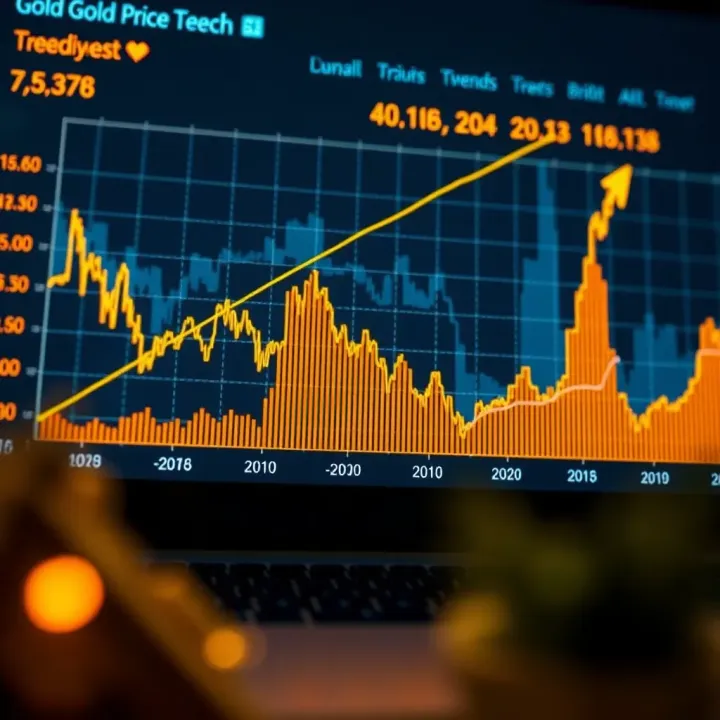
Will Gold Prices Rise Soon? Trends in Pakistan
Wondering if gold prices will rise soon? 📈 This article breaks down local & global factors affecting Pakistan's gold rates for smart investing decisions.
Edited By
Daniel Hughes
Gold has always held a special place in Pakistan's economy and culture, serving not just as a symbol of wealth but also as a trusted store of value during economic uncertainty. For traders, investors, and financial analysts, understanding the factors that impact gold prices in Pakistan is essential to making informed decisions.
Globally, gold prices respond to shifts in major economies, inflation rates, US dollar strength, geopolitical tensions, and interest rate changes. For example, when the US Federal Reserve adjusts its policy rate, it often triggers swings in gold prices worldwide. Pakistan does not operate in isolation; changes in global gold rates quickly reflect in local markets.
Locally, the Pakistani Rupee (PKR) exchange rate plays a pivotal role. When the PKR weakens against the US dollar, the import cost of gold rises, pushing prices higher in the domestic market. Inflationary pressures, political instability, and trade deficits also add to the complexity of price movements.
Demand and supply dynamics further influence gold pricing. In Pakistan, gold demand spikes during festivals like Eid and weddings, while investment purchases rise when people perceive the rupee as vulnerable. Meanwhile, the supply side depends largely on imports and official reserves, affected by import duties and government regulations.
Understanding these combined global and local factors helps investors navigate the volatile gold market wisely.
Global economic indicators such as US dollar index and inflation
Changes in monetary policies by major central banks
PKR fluctuations against the dollar
Seasonal demand spikes tied to cultural events
Import duties and customs regulations
In the following sections, this article will analyse recent market trends, explore major influences in depth, and provide practical insights for traders and investors looking to capitalise on gold’s market behaviour in Pakistan.
Understanding the patterns and movements of gold prices is essential for traders, investors, and analysts who deal with this critical asset. Gold acts as both a commodity and a financial safe haven, so tracking its price changes helps in making informed decisions that minimise risk and optimise returns.
Studying gold price movements reveals the impact of various global and local factors like economic news, currency changes, geopolitical tensions, and market demand. For example, during times of political unrest or financial uncertainty, gold prices often spike as investors seek a stable store of value. This behaviour directly influences investment choices and trading strategies in Pakistan's gold market.
By following recent price trends and regional patterns, traders can identify entry and exit points better. Gold price analysis also supports financial educators in explaining market dynamics to students and clients, while brokers rely on it to advise customers effectively.
Global gold prices have seen considerable fluctuations recently, influenced by several factors. The weakening of the US dollar amid inflation concerns has pushed gold prices higher, as gold becomes more affordable for holders of other currencies. For instance, in the first quarter of 2024, gold price per ounce rose by nearly 7% due to these currency shifts and persistent inflation worries.
At the same time, geopolitical crises—like tensions in the Middle East or Eastern Europe—have driven demand for safe-haven assets, supporting sustained gold prices. Moreover, central banks, including the State Bank of Pakistan and others in Asia, have adjusted their reserves, affecting supply and demand dynamics in the international market.
Commodity traders must weigh these global developments, as they directly impact import costs and eventual retail pricing in local markets, including Pakistan.
Pakistan’s gold market shows particular traits shaped by local economic conditions and cultural factors. The Pakistani Rupee’s exchange rate against the US dollar has a significant influence on gold prices in the country. For example, when the rupee weakens, gold prices usually rise due to increased import costs.
Besides currency, gold demand spikes during festivals like Eid-ul-Fitr and wedding seasons, often causing temporary price surges. Local jewellery shops and traders prepare months ahead for these periods, reflecting in supply shortages and price shifts.
On a broader level, Pakistan’s economic performance, including inflation and interest rates set by the State Bank, shapes gold’s attractiveness compared to other investment options. In recent years, persistent inflation and rupee depreciation have maintained robust demand for gold as a protection against currency devaluation.
Observing both global trends and Pakistan-specific factors helps investors anticipate changes and plan buying or selling at advantageous moments.
In sum, a clear grasp of gold price movements globally and within Pakistan equips you to navigate this complex market with greater confidence and precision.
Understanding the key factors that impact gold prices is essential for anyone involved in trading, investing, or analysing the precious metals market. These factors not only influence global gold prices but also affect local markets such as Pakistan’s, where currency fluctuations and demand patterns play a significant role. Let’s break down the most relevant elements shaping gold’s price trajectory.
Currency exchange rates, particularly the US dollar and Pakistani rupee (PKR), strongly influence gold prices. Since gold is priced globally in US dollars, when the dollar strengthens against other currencies, gold tends to become more expensive in local currency terms, dampening demand. Conversely, depreciation of the PKR usually pushes up gold prices locally because gold becomes costlier to import.
For example, during mid-2023, when the PKR weakend sharply against the dollar, gold prices in Pakistan rose noticeably despite stable international gold rates. Traders and investors keep a close eye on FX market trends because sudden rupee depreciation often triggers increased gold buying as a hedge against currency risk and inflation.
Global economic indicators like inflation rates, interest rates set by major central banks (such as the US Federal Reserve), geopolitical tensions, and stock market volatility affect gold prices worldwide. Gold is often seen as a safe haven during uncertain times, so when inflation spikes or equity markets fall, demand for gold tends to rise.
Take the recent period of rising US inflation: higher inflation expectations prompted many global investors to increase gold holdings, pushing prices upward. Likewise, announcements on Fed policy tightening or easing affect yields on bonds, indirectly influencing gold’s opportunity cost and market price.
In Pakistan, gold demand heavily depends on cultural factors, festivals, weddings, and economic confidence. For instance, the demand generally surges before Eid and wedding seasons when jewellery buying spikes. Simultaneously, constraints on foreign exchange reserves and import policies can limit gold imports, reducing supply and increasing prices.
Local jewellers and traders adjust prices not just to global trends but also according to PKR conditions and consumer sentiment. This is why at times, gold prices in Pakistan show unique volatility compared to global markets. For investors, paying attention to such local supply-demand shifts is key to making informed decisions.
Currency fluctuations, global economic signals, and local cultural demand form a complicated mix that shapes gold prices. Staying aware of these factors helps investors and traders navigate the market more confidently.
In summary, currency exchange movements, economic indicators abroad, and Pakistan-specific demand-supply situations all directly affect gold prices. Tracking these factors regularly provides a clearer picture of where gold prices might head next both globally and in Pakistan.
Gold holds a unique place in investment portfolios, especially during times of economic uncertainty. Its value tends to remain stable or even rise when other assets falter, making it a trusted store of value. In Pakistan, where inflation and currency fluctuations are frequent concerns, gold often acts as a shield against financial instability.
Investors prefer gold when markets are volatile or political tensions rise. For example, during the recent surge in geopolitical risks, many Pakistani investors turned to gold to protect their wealth. Unlike stocks or real estate, gold is a tangible asset that isn't directly tied to corporate earnings or government policies. This makes it less vulnerable to collapse in times of crisis.
Additionally, gold is easily liquidated in Pakistan’s major cities like Karachi and Lahore, giving investors quick access to cash. This liquidity factor makes it a practical choice for those looking to safeguard savings amid uncertain times.
Gold's ability to preserve purchasing power during turbulent periods is why it’s called a 'safe haven' asset.
Inflation reduces the purchasing power of money, which often drives investors to gold as a hedge. In Pakistan, where inflation frequently hovers in double digits, holding gold helps maintain real wealth. When the Pakistani rupee weakens against the US dollar, gold prices generally rise in local currency terms, reflecting its role as a protective asset.
For instance, during inflationary spikes in FY 2022-23, gold prices in Pakistan climbed noticeably, outperforming savings accounts and fixed deposits. Investors who held physical gold or gold-backed financial products like KSE-listed gold ETFs saw better preservation of value.
However, it's not only inflation but also expectations of future inflation that drive gold prices. If traders anticipate rising inflation, demand for gold increases ahead of time, pushing up prices even before inflation materialises.
Gold acts as a stable investment when financial markets waver, especially during political or economic turmoil.
Its liquidity in Pakistani markets allows investors to quickly convert gold into cash when needed.
Inflation and currency depreciation routinely push local gold prices higher, safeguarding investors’ purchasing power.
Monitoring both current inflation and expectations can provide insights into future gold price movements.
Understanding these dynamics can help traders, analysts, and investors in Pakistan navigate the gold market more effectively, making informed decisions to balance risk and return.
In Pakistan, the gold market operates with some unique practical challenges and opportunities. Buyers and sellers must understand how purity, certification, and local pricing affect their transactions. Besides these, timing one’s entry or exit in the market and ensuring proper storage are crucial for protecting investment value. This section focuses on these everyday considerations so readers can make smarter, safer decisions.
Gold purity directly impacts both price and resale value. In Pakistan, karat marks such as 24k, 22k, and 18k are common—24 karat means the gold is almost pure, while 18 karat indicates 75% purity. Jewellery sellers often mark purity on their products, but buyers should insist on official certification from reputable assayers or jewellers.
Certification confirms the gold’s authenticity and quality, helping buyers avoid scams or substandard material. These certificates typically include details about weight, purity, and maker’s mark. For instance, Khan Jewellery in Karachi offers certified gold that aligns with PTA regulations.
Pricing also depends on the international gold rate adjusted for the Pakistani Rupee (PKR) value and local making charges. These charges vary between jewellers, typically 5% to 15% of the gold price. Comparing rates at known bazaars like Lahore’s Liberty Market or Karachi’s Zaibunnisa Street helps ensure a fair deal.
Gold prices can fluctuate daily due to factors like PKR devaluation or global uncertainty. Investors in Pakistan often watch the rupee to dollar exchange rate: when the rupee weakens, gold prices tend to rise domestically. Also, festivals like Eid and weddings increase local demand, often pushing prices up.
While predicting precise price movements is tough, watching these patterns aids in choosing the right moment. For example, buying gold immediately after a price dip caused by favourable SBP monetary policy can be a good move. Similarly, selling before seasonal demand peaks might help avoid inflated making charges.
Proper storage keeps gold safe and maintains its condition. Many investors prefer bank lockers for security, especially those in cities like Islamabad and Lahore. Home safes can work if securely installed, but risk increases without vigilant protection.
Handling gold jewellery also requires care to avoid scratches or tarnishing. Storing pieces in soft cloth pouches and avoiding exposure to perfumes or harsh chemicals extends their life. A jeweller in Rawalpindi suggests regular checks to ensure clasps and chains remain intact.
Investing in gold in Pakistan demands more than just following price charts. Understanding purity, choosing certified sources, timing purchases wisely, and securing the physical asset are keys to gaining maximum benefit from this historic safe haven.
Whether you are a seasoned trader or a first-time buyer, these practical points will help you navigate Pakistan’s gold market more confidently and profitably.
Understanding the future outlook of gold prices helps investors and traders make more informed decisions about entering or exiting the market. Gold’s value is shaped by a complex mix of global economic conditions, currency stability, and local demand factors, which fluctuate rapidly. For Pakistani investors especially, foreseeing how these factors might evolve allows better timing and risk management.
Market data suggests that gold prices will likely remain sensitive to central bank policies worldwide, including the State Bank of Pakistan (SBP). For example, any future change in the SBP policy rate to control inflation could influence PKR strength and thus gold prices in the local market. Globally, factors such as inflation trends in the US, geopolitical tensions, and the strength of the US dollar tend to push gold prices upward when uncertainty rises.
Additionally, the persistent inflation in Pakistan—hovering around mid-teens in recent months—may continue to make gold an attractive hedge. Demand surges during festive seasons like Eid or wedding periods may cause temporary price hikes locally. Meanwhile, fluctuations in other investment avenues such as equities on the Pakistan Stock Exchange (PSX) also impact gold’s appeal as a relatively stable store of value.
Traders should watch SBP announcements and US economic indicators closely, as these will signal key shifts in gold price direction.
Pakistani investors face risks like sudden currency devaluation, which could spike gold prices but also erode purchasing power if timing is wrong. Import duty changes or government regulations on gold trading pose another risk, potentially affecting market liquidity and pricing transparency.
On the opportunity side, rising middle-class income in urban centres like Karachi and Lahore is increasing local demand for gold jewellery and investment bars. Pakistani investors savvy with market timing might benefit from short-term price volatility, especially by following trends during Ramadan or before monsoon season when demand patterns shift.
Moreover, digital platforms such as Daraz and JazzCash are facilitating easier gold buying, broadening access but also requiring investors to validate authenticity and pricing to avoid counterfeit risks.
To summarise, keeping pace with global and local economic cues, understanding seasonal demand cycles, and monitoring regulatory changes will help Pakistani investors navigate risks and capitalize on gold price movements effectively.
Wondering if gold prices will rise soon? 📈 This article breaks down local & global factors affecting Pakistan's gold rates for smart investing decisions.
Explore Apple's share price trends 📈, factors influencing it, and investment tips tailored for Pakistan investors 🇵🇰 seeking smart tech stock insights.
Explore Cardano's ADA price trends 📈 with insights on network updates, market sentiment, and crypto shifts. Stay informed about ADA's potential in Pakistan 🇵🇰.
📈 Today's gold price prediction in Pakistan explained with market trends, economic and geopolitical impacts, plus expert insights for smart investing. 💰
Based on 15 reviews