
Will Gold Prices Rise Soon? Trends in Pakistan
Wondering if gold prices will rise soon? 📈 This article breaks down local & global factors affecting Pakistan's gold rates for smart investing decisions.
Edited By
Benjamin Taylor
Gold has long been a trusted asset in Pakistan, both as a store of value and a hedge against economic uncertainty. Tracking its price movements offers crucial insights for traders, investors, and financial analysts aiming to make informed decisions.
Recent trends show that gold rates in Pakistan respond strongly to currency fluctuations, geopolitical tensions, and changes in global bullion demand. For instance, when the Pakistani rupee weakens against the US dollar, gold prices generally rise, reflecting increased import costs. This relationship remains a significant factor in local pricing.
On the global front, events like US Federal Reserve interest rate decisions and shifts in demand from major economies such as China and India shape international gold prices, which then influence Pakistan’s rates due to import reliance. For example, a rise in US interest rates often cools gold’s appeal, reducing prices temporarily.
Locally, Pakistan’s economic conditions—like inflation rates, government fiscal policies, and stock market performance—also impact gold’s attractiveness. During periods of high inflation, many Pakistanis turn to gold as a safer investment, pushing its price higher.
Understanding these multiple influences helps investors predict short- and medium-term price movements more accurately.
Exchange rate volatility, especially USD/PKR shifts
Global bullion price fluctuations driven by economic indicators
Domestic inflation and monetary policies
Political stability and security concerns affecting investor confidence
For traders and brokers, recognising seasonal demands—such as increased buying during wedding seasons or festivals like Eid—can offer practical advantages. Retail gold demand often spikes, temporarily driving local prices up.
Investment strategies should also consider storage costs, purity verification, and timely market entry and exit points. For example, buying from trusted jewellers or government-certified outlets helps avoid quality issues and fraudulent practices.
In summary, gold prices in Pakistan cannot be viewed in isolation; they result from a mix of local economic realities and global market trends. Careful monitoring of currency rates, inflation figures, and international commodity markets is essential for anyone involved in Pakistan’s gold trading or investment environment.
Understanding the gold market in Pakistan is essential for investors, traders, and financial analysts looking to navigate its fluctuations effectively. This section sets the foundation by exploring historical price trends and the economic role gold plays in the country, helping you anticipate future movements and strategise accordingly.
Gold prices in Pakistan have shown notable ups and downs influenced by both domestic and global factors. For example, during the global economic uncertainty in 2020, prices surged as investors sought safe assets. Locally, currency depreciation against the US dollar often pushes gold rates up since gold is priced internationally in dollars. Price spikes during Eid and wedding seasons reflect increased demand, especially in cities like Karachi and Lahore where gold jewellery is culturally significant. Such trends underline how external shocks and seasonal demand repeatedly shape Pakistan’s gold rates.
Gold holds a unique position in Pakistan’s economy, acting as both an investment and a store of wealth for many households. Unlike formal financial instruments, gold offers a tangible asset especially preferred in rural areas and among small investors. The informal gold market also supports many jobs, from jewellers to traders at bazaars like Lahore’s Anarkali or Karachi’s Saddar. Moreover, gold imports make up a significant portion of the country’s trade deficit, influencing foreign exchange and monetary policy decisions. Government initiatives that track and regulate gold purity through PTA (Pakistan Trade Association) schemes further highlight its economic importance.
Gold in Pakistan is not just a commodity but a cultural and economic pillar, influencing investing habits and economic policy alike.
A closer look into past price patterns and economic roles gives you the insight to better understand price drivers and investment signals. This overview prepares you to interpret current trends and forecast future gold rates in Pakistan with confidence.
Understanding the factors that influence gold prices in Pakistan is essential for investors, traders, and financial analysts. These factors can be broadly divided into local economic conditions and global market influences. Recognising their impact helps in making informed decisions, especially in a market sensitive to both domestic fluctuations and international trends.
Pakistan’s inflation rate directly affects gold prices due to the rupee's purchasing power. When inflation rises, the value of the Pakistani rupee typically weakens against major currencies, pushing gold prices upward in local terms. For example, during periods of high inflation in Pakistan, such as in 2022, gold became a preferred hedge as its value remained more stable compared to the depreciating rupee.
The rupee’s exchange rate against the US dollar also plays a role. A devalued rupee means importing gold becomes costlier, leading to local price increases. Traders and investors need to watch State Bank of Pakistan (SBP) reports closely, as currency trends affect gold rates more than one might expect.
The SBP’s benchmark interest rate influences gold prices indirectly by affecting borrowing costs and investment flows. Higher interest rates make fixed-income securities more attractive versus gold, potentially reducing demand for physical gold and ETFs.
Conversely, when SBP lowers rates, borrowing gets cheaper, stimulating economic activity and sometimes increasing demand for gold as investment or jewellery. For instance, during FY 2022-23, a cut in interest rates coincided with rising gold demand, reflecting investors’ search for alternatives amid uncertain returns on savings accounts.
Pakistan’s domestic gold demand mainly comes from weddings, festivals like Eid, and investments. Seasonal spikes disrupt supply-demand balance, raising prices temporarily. For example, the wedding season around October often sees a surge in gold purchases, causing rates to climb.
On the supply side, restrictions or duties on gold import affect availability and pricing. Government policies that increase import tariffs can reduce supply and nudge up prices, impacting traders dealing within the regulated framework.
Gold rates in Pakistan are closely linked to global gold prices set by international markets like London and New York. Fluctuations depend on factors such as demand from central banks, investment trends, and production levels from major mining countries like South Africa or Australia.
Traders in Pakistan track London Bullion Market Association (LBMA) prices to benchmark their buying or selling decisions. Significant global price movements usually reflect swiftly in the Pakistani market after adjusting for currency changes and import costs.
Unrest or uncertainty in global politics typically pushes investors toward gold as a safe-haven asset. Conflicts, sanctions, or tensions in oil-rich regions often cause gold prices worldwide to jump, including in Pakistan.
For example, geopolitical tensions in the Middle East tend to boost global gold demand, which Pakistan’s market reflects within days. This influence makes geopolitical news a vital factor for short-term price movements.
Since international gold prices are denominated in US dollars, the dollar's strength has an inverse relationship with gold prices. A stronger dollar makes gold relatively expensive for holders of other currencies, lowering demand and prices.
For Pakistani investors, the dollar-rupee exchange rate complicates this relationship. Even if the dollar gains strength, the rupee’s behaviour against the dollar can amplify or reduce gold price impacts locally. Being mindful of this dynamic helps in better timing investment decisions.
Understanding these elements offers a clearer picture of how gold prices fluctuate, allowing informed strategy planning for buying or selling in the Pakistani market.
Understanding the recent movements in gold rates helps investors and traders make informed decisions by revealing how local and global factors influence prices right now. Given Pakistan’s unique economic fluctuations and purchasing patterns, watching current gold trends provides practical insights into when to buy or sell.
Over the last twelve months, gold prices in Pakistan have shown notable volatility, largely influenced by currency fluctuations, inflation, and global market shocks. For example, during the peak of Rs 286-288 per gram in July 2023, rising inflation and the weakening Pakistani rupee pushed gold demand up as investors sought a hedge.
Conversely, minor dips occurred in November 2023 when the rupee slightly recovered and global gold prices softened due to easing US inflation data. Traders and financial analysts have closely followed such movements, because even small price shifts impact jewellery business margins and investment returns.
Besides macro factors, unexpected geopolitical events, like regional tensions, caused sudden price spikes, reflecting gold’s role as a safe-haven asset. The year’s ups and downs underline the need for constant monitoring alongside a clear understanding of external influences.
Seasonality plays a big role in Pakistan’s gold market. Major spikes typically arrive ahead of wedding seasons, especially in the months of August to November, coinciding with Eid-ul-Adha and the traditional wedding rush. For instance, last year saw a consistent price rise during the post-Ramazan period as families increased buying for jewellery and gifts.
Similarly, the months leading up to Ramadan often show steady demand growth, though not as sharp as wedding season. Traders exploit this by stocking inventory early, anticipating sellers will command higher rates. On the other hand, lean periods like early calendar year months tend to show subdued activity, sometimes triggering minor price corrections.
This seasonal rhythm matters not just for investors, but also for retailers planning stock and pricing. Those familiar with local demand cycles can better time their acquisitions or sales to optimise gains without falling prey to market ripples.
Tracking both recent price behaviour and seasonal demand offers a fuller picture of Pakistan’s gold market. Ignoring either could lead to misjudged timing or missed opportunities.
To summarise, understanding current gold price trends and their relation to Pakistan’s seasonal demand spikes equips you with the knowledge to navigate this fluctuating market effectively. Keeping an eye on daily price reports and factoring in local demand cycles is key to making smart, timely decisions.
Forecasting gold rates in Pakistan helps investors, traders, and analysts make informed decisions regarding buying, selling, or holding positions. Since gold serves as a hedge against inflation and currency depreciation here, understanding price forecasts keeps stakeholders ahead of market swings. For example, traders can adjust their portfolios quickly if they anticipate a short-term price jump before Eid, when demand typically rises.
In the short term, gold prices in Pakistan usually respond sharply to local economic signals and global events. Over the next three to six months, analysts anticipate some volatility driven by Pakistan’s inflation trends and currency fluctuations against the US dollar. If the rupee weakens further due to trade deficits or policy shifts from the State Bank of Pakistan (SBP), gold rates tend to climb as investors seek safer assets.
Seasonal demand also plays a role; gold rates often rise slightly before weddings and religious festivals when purchases increase. Recent government efforts to stabilise the economy and manage inflation might temper extreme price spikes, but sudden geopolitical tensions or changes in global gold prices could still cause short-term fluctuations.
Monitoring indicators such as Pakistan’s Consumer Price Index (CPI) and SBP monetary policies helps anticipate these short-term price movements.
Looking beyond six months, gold rates in Pakistan depend on broader economic recovery and international trends. If Pakistan manages to improve its trade balance and attract foreign investment, a stronger rupee could exert downward pressure on domestic gold prices. Conversely, persistent inflation or currency depreciation would make gold relatively more valuable.
Global factors remain critical for long-term trends. The strength of the US dollar and international mining outputs, along with geopolitical stability, influence global gold prices which directly affect the Pakistani market. For example, any prolonged tensions in key gold-producing regions or monetary tightening by the US Federal Reserve could push gold prices higher worldwide, impacting Pakistan accordingly.
Investors should watch for structural changes such as increased digital gold options or government policies that encourage or discourage gold imports. Over the next few years, cautious optimism about Pakistan’s economic reforms coupled with global uncertainties suggests that gold will remain an attractive asset for diversification.
In summary, forecasting gold rates in Pakistan requires balancing local economic signals with global market trends. Staying updated enables traders and investors to better time their actions and reduce risks related to fluctuating gold prices.
Understanding the need for sound advice is key for anyone looking to invest in gold in Pakistan. Gold has traditionally been a preferred asset for safeguarding wealth against inflation and currency fluctuations. However, without the right guidance, investors might miss out on optimal timings or fall prey to unreliable dealers. This section offers practical tips on when to invest and how to choose trustworthy sources, helping you make informed decisions tailored to Pakistan's unique market conditions.
Timing plays a crucial role in maximising returns from gold investments. Prices often rise around festive seasons such as Eid and the wedding months of October to February, driven by increased consumer demand for jewellery. Conversely, off-peak months like June and July tend to see softer prices. Monitoring Pakistan's economic indicators—like inflation and currency performance—can provide signals when gold price dips might occur, presenting buying opportunities.
For example, when the Pakistani rupee weakens significantly against the US dollar, local gold prices rise even if international rates are stable. Investors should keep an eye on State Bank of Pakistan's monetary policy announcements and inflation trends, as these impact the rupee’s value. By investing during stable or weakening demand periods before expected price hikes, you can avoid overpaying and improve returns.
Gold purity is vital to avoid losses in resale or disputes. In Pakistan, 24-karat gold is common, but sometimes dealers mix metals leading to substandard purity. Always ask for a certificate confirming the karatage and purity of the gold. Such certifications are typically provided by reputable jewellers and verified by assay laboratories.
Using a reliable testing method, such as an electronic gold tester or a simple acid test, can help affirm authenticity. Some jewellers allow customers to test gold on the spot or offer buy-back guarantees if purity proves less than declared. This practice protects buyers from counterfeit or adulterated goods.
Pakistan’s Pakistan Telecommunication Authority (PTA) doesn’t regulate gold directly, but related bodies like Pakistan Standards and Quality Control Authority (PSQCA) oversee jewellery standards. Additionally, government-led initiatives promote awareness around certified gold dealers and jewellery shops.
Consulting these official channels can help investors verify the legitimacy of dealers. For instance, some jewellers participate in government certification schemes or display quality marks verified by regulatory authorities. Buying from such sources minimises risks, providing peace of mind especially during high-value transactions.
Tip: Always request a proper purchase invoice showing karat, weight, and price per gram. Keep this document safe for future resale or verification.
In Pakistan’s gold market, blending prudent timing with careful dealer selection and purity checks ensures your investment holds value. This advice is tailored to help both new buyers and seasoned investors navigate the local gold landscape confidently.
Wondering if gold prices will rise soon? 📈 This article breaks down local & global factors affecting Pakistan's gold rates for smart investing decisions.
📊 Explore detailed XAU/USD technical analysis for Pakistani traders. Learn key chart patterns, indicators, price action, risk management, and local strategies.
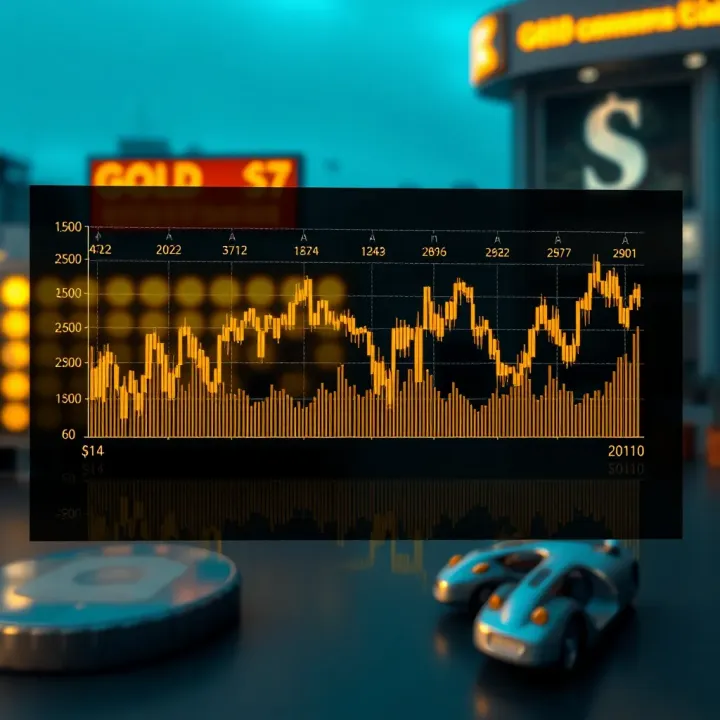
📈 Discover key factors shaping tomorrow's gold rate in Pakistan, learn how currency shifts & global trends affect prices, plus smart tips to track & trade gold wisely.
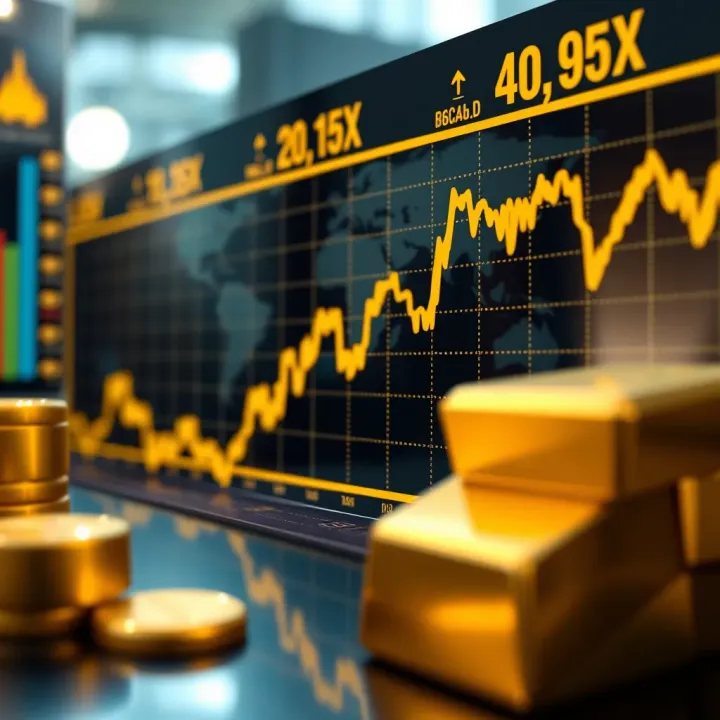
📉 Get detailed insights on XAU/USD movements affecting Pakistan's traders. Explore market trends, economic impacts, and smart trading strategies. 💰
Based on 7 reviews