
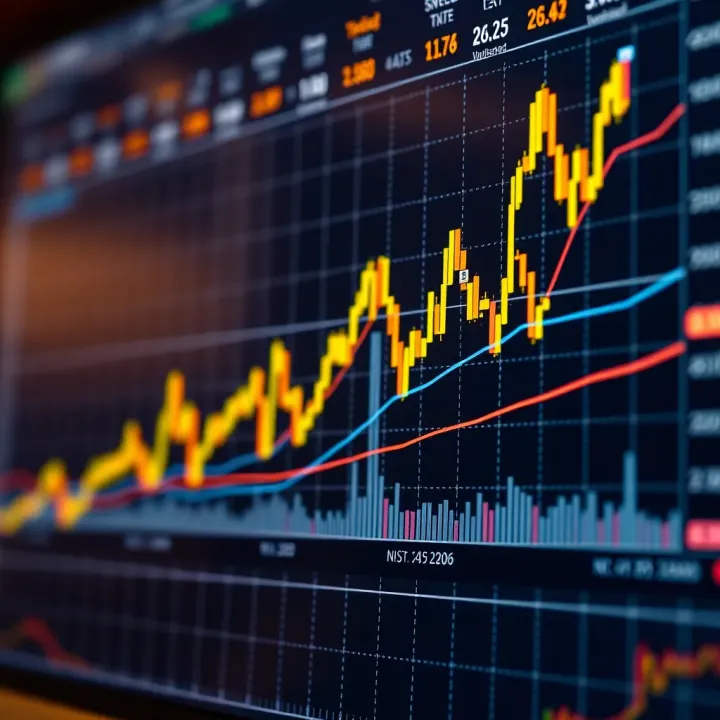
Understanding XAUUSD Gold Signals for Better Trading
📈 Learn how to read XAUUSD gold signals for smarter trades. Understand key indicators, risks, and strategies to improve your gold trading decisions in Pakistan.
Edited By
Isabella Mitchell
Gold trading signals serve as important tools for traders and investors looking to make informed decisions in volatile markets. These signals provide cues on when to buy, sell, or hold gold assets based on market data, technical indicators, or economic news. In Pakistan, where gold trading remains popular both as an investment and a hedge against currency fluctuations, understanding these signals is particularly useful.
Trading signals come from several sources, ranging from algorithmic patterns to human analysis of charts and global events. For example, a simple signal might be a moving average crossover indicating a change in price trend. Meanwhile, more complex signals could consider geopolitical developments impacting gold prices, such as tensions affecting global markets or Central Bank policies.
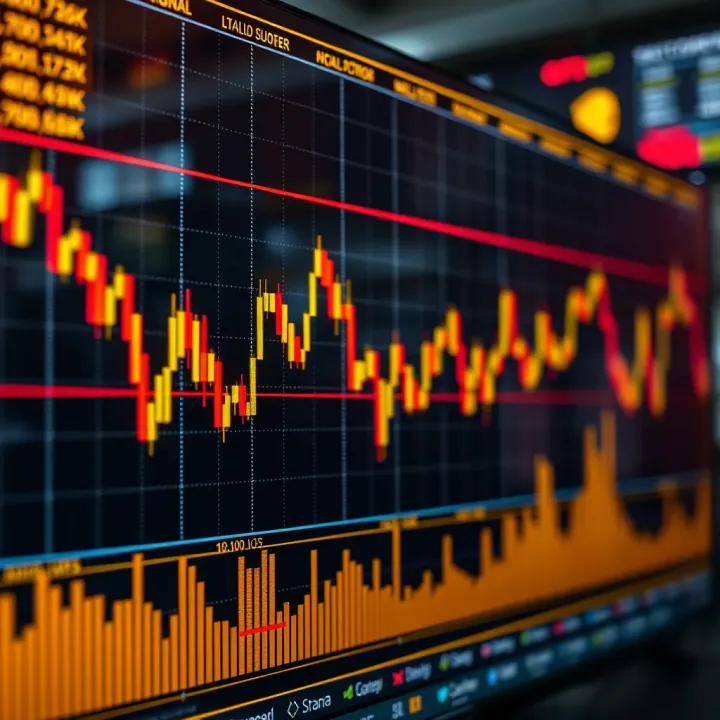
Successful traders in Pakistan often combine multiple signals to filter out noise and reduce false alarms, allowing them to act with greater confidence.
Because gold prices respond to diverse factors like inflation rates, USD strength, and geopolitical risks, signals need interpreting in context. A rise in global inflation figures might trigger a buy signal due to gold's traditional role as an inflation hedge. Conversely, announcements from the US Federal Reserve about interest rate hikes could cause sell signals as higher rates often suppress gold demand.
For Pakistani traders, local dynamics such as currency depreciation or changes in import duties also shape gold price movements and hence the reliability of certain signals. Many local traders follow technical indicators like Relative Strength Index (RSI), Bollinger Bands, and candlestick patterns on platforms such as the Pakistan Mercantile Exchange (PMEX).
In short, gold trading signals simplify complex market data into actionable insights, but they should not be blindly followed. Effective use requires understanding their basis, combining different types of signals, and factoring in Pakistan-specific market conditions. With experience and discipline, traders can use these signals to improve timing and risk management in gold trading.
Gold trading signals are tools that help traders know when to buy or sell gold. Since gold prices fluctuate quickly, especially in volatile markets like Pakistan's, these signals act as alerts or prompts that can guide decisions. They are important because they simplify complex market data into actionable cues, helping traders make timely moves instead of guessing.
Gold trading signals are essentially notifications or tips based on specific market data, suggesting a potential profitable trading opportunity. For example, a signal might indicate that the price of gold is about to rise following a certain price pattern or economic news release. Traders use these signals to decide when to enter (buy) or exit (sell) the market without spending hours analysing charts themselves.
Signals come from various sources, including technical indicators, expert analysts, and automated software. Technical tools may generate signals from price movements or volume changes, such as a moving average crossover hinting prices will increase. On the other hand, analysts might provide manual signals after assessing geopolitical tensions or economic reports that typically influence gold prices. Algorithm-based services use computer models to scan markets and deliver real-time signals. Each source brings its own advantages and traders often combine multiple sources for more reliable guidance.
One key role of gold trading signals is pinpointing the right time to enter or exit a trade. For example, a signal showing gold hitting a ‘support level’ suggests it won’t fall much further, making it a good entry point. Conversely, a ‘resistance level’ signal alerts traders that prices may drop soon, prompting them to sell. Without such signals, traders risk buying too early or selling too late, which can lead to losses. These cues add structure and discipline to trading.
Gold prices often swing sharply due to global economic changes or local currency fluctuations, making good timing essential. Signals help traders react quickly to these changes rather than missing opportunities or suffering from delayed decisions. For instance, during sudden PKR depreciation or political uncertainty, signals may warn of rising gold prices so investors can act fast. This ability to fine-tune timing can markedly improve profitability, especially in Pakistan’s fast-moving markets.
Reliable gold trading signals won’t guarantee profits but help traders reduce guesswork and improve decision-making in an often unpredictable market environment.
In short, understanding gold trading signals and their origins lets traders better navigate complex price movements and macro events. Applying these signals carefully alongside personal research helps in making informed market decisions rather than following instinct alone.
Gold trading signals come in various forms, each providing traders with insights based on different methods. Understanding these types helps you select the right signal suited to your trading style and the specific market conditions, especially in Pakistan’s fluctuating economic environment.
Moving averages and crossovers are among the most straightforward technical indicators. A moving average smooths out price data to show the trend direction over a set period. When a short-term moving average crosses above a long-term one, it signals a potential upward trend, known as a "golden cross." Conversely, a crossover downwards suggests a bearish move. For example, if the 50-day moving average crosses above the 200-day average, many traders view it as a buy signal for gold.

Relative Strength Index (RSI) applications measure the speed and change of price movements to identify overbought or oversold conditions. An RSI above 70 typically suggests gold is overbought and may face a price correction, while below 30 points to oversold conditions, potentially signalling a buy opportunity. For Pakistani traders, using RSI can help avoid entering trades just before price reversals, especially during volatile times.
MACD (Moving Average Convergence Divergence) explained helps track momentum by comparing two moving averages of different lengths. The MACD line crossing above the signal line often indicates bullish momentum, while crossing below points to bearish sentiment. This tool suits traders looking for confirmation of trend strength and timing their entry or exit points accurately.
Impact of global economic indicators on gold prices is significant. Data such as US inflation rates, interest rate changes by the Federal Reserve, and dollar strength directly affect gold’s appeal as a safe-haven asset. For instance, rising inflation globally usually pushes gold prices higher, as seen during inflation spikes in recent years. Pakistani investors should watch such indicators to anticipate gold price movements beyond local factors.
Influence of geopolitical events on gold prices cannot be overlooked. Conflicts, political instability, or sanctions often trigger safe-haven buying of gold, driving prices up. Take, for example, the surge in gold prices during escalating tensions in the Middle East or trade disputes. Traders in Pakistan should monitor these events closely, as they swiftly impact market moods and result in price swings.
Algorithm-based signal services use programmed models to scan markets and generate signals automatically. These can track numerous indicators simultaneously, offering quick alerts for buy or sell opportunities. Their speed is useful during fast-moving markets; however, local traders should verify these signals with their own analysis to avoid blind reliance.
Expert analyst recommendations provide insights based on experience and a broader understanding of market sentiment and fundamentals. Analysts might suggest gold trades based on events like changes in Pakistan’s State Bank monetary policy or global economic shifts. For many, these personalised views add value by combining data with market intuition, making them a trusted signal source alongside technical tools.
Understanding the different types of gold trading signals equips you to use them effectively, blending both technical and fundamental insights to navigate Pakistan’s unique market conditions.
When trading gold, relying on signals alone isn't enough. You must evaluate them using essential indicators to spot reliable opportunities and avoid traps. These indicators help confirm whether a signal reflects true market movement or just noise. Let’s look into two main categories: price trends and volume with market sentiment.
Support and resistance act as price floors and ceilings where gold prices tend to pause or reverse. For example, if gold repeatedly falls to Rs 200,000 per 10 grams and then bounces back, that level becomes a support. Conversely, if it struggles to break above Rs 205,000, that forms resistance. Traders watch these levels closely because signals near them offer practical clues for entry or exit.
Consider a signal suggesting a buy when gold bounces off the support level. Confirming that support holds can improve confidence in the trade, while breaking below may warn of deeper decline. The Pakistani market, affected by PKR fluctuations, sometimes stretches these levels temporarily, so always couple them with additional checks.
Trendlines connect consecutive highs or lows to show the general direction of prices. An upward trendline drawn below rising lows suggests bullish momentum. Signals aligned with this trend tend to perform better because they follow market flow. For instance, if a signal indicates buying gold when the price nears an upward trendline, it often means the rally will continue.
Chart patterns, like triangles or head and shoulders, reveal consolidation or potential reversals. Recognising these patterns helps evaluate if a trading signal is timely. A breakout from a triangle pattern on higher volume can confirm a strong move, whereas a failed breakout may signal caution. Pakistani traders often use these tools alongside signals to make clearer calls amid volatile global gold prices.
Volume measures how many gold contracts or units change hands during a session. It acts as a reality check for price moves. A price rise on high volume usually suggests genuine buying interest, making a bullish signal more trustworthy. However, if the price moves up on low volume, it might lack strength, and the signal could be misleading.
In Pakistan’s gold market, volumes may spike during festivals or uncertain economic phases. Matching signals with volume surges prevents being caught in false moves. For example, a buy signal confirmed by strong volume in the days leading to Eid could signal a profitable run.
Sentiment reflects how traders and investors feel about gold—whether optimistic or fearful. Monitoring this through news, market chatter, or specialised tools helps interpret signals better. For example, geopolitical tensions or economic instability typically tilt sentiment towards gold as a safe haven, reinforcing bullish signals.
Pakistani traders should watch how local factors—like inflation reports or rupee depreciation—shape sentiment. A positive sentiment combined with a bullish signal often warrants closer attention. Conversely, negative sentiment may suggest caution even if signals appear promising.
Effective use of gold trading signals demands understanding key indicators like price trends, volume, and market sentiment. These give weight to signals and support better decision making within Pakistan's unique market context.
Using gold trading signals effectively in Pakistan needs a clear understanding of local market dynamics alongside global trends. These signals can guide entry and exit points, but applying them wisely requires combining them with hands-on research and an awareness of regional economic factors such as currency fluctuations and central bank policies.
Gold trading signals provide useful prompts, but relying solely on them may not account for market nuances. You should supplement signals with your own research, such as tracking news on geopolitical events or monitoring local demand trends in Pakistan’s major cities like Karachi and Lahore. For instance, if a technical signal suggests a buy but local gold import restrictions tighten, you might want to hold back. This approach helps avoid costly mistakes by giving you a fuller picture before making a trade.
While signals can indicate potential price moves, setting achievable profit targets and strict stop-loss levels protects your capital. In the Pakistani market, where gold prices can be volatile due to sudden PKR swings or global events, having a stop-loss can prevent heavy losses. For example, if you buy gold at Rs 120,000 per tola after a buy signal, setting a stop-loss at Rs 118,000 limits downside risk if the market turns against you. Clear targets and stop-losses make trading disciplined, reducing emotional decisions.
The Pakistan Rupee’s value directly affects gold prices locally because gold is imported and priced in USD. A weaker PKR generally pushes gold prices higher. Traders must watch PKR exchange rates closely to interpret signals accurately. For instance, a positive technical signal might mean little profit if the PKR suddenly weakens by 2%, which would raise gold costs and change profit calculations. Understanding this link helps you react appropriately to signals, avoiding trades that look good on charts but fail in real terms.
Monetary policies from the State Bank of Pakistan (SBP) also shape gold price trends. Interest rate decisions influence PKR stability and inflation, which in turn impact investor interest in gold as a safe asset. If SBP raises rates unexpectedly, gold prices might drop as fixed income instruments become more attractive. So, when interpreting trading signals, factoring in SBP announcements can add valuable context. This awareness can prevent entering trades based purely on technical data that do not consider broader economic shifts.
Successful gold trading in Pakistan requires blending technical signals with local economic insight, disciplined trade management, and constant market attention.
By following these practical tips and considering the unique economic factors affecting Pakistan’s gold market, traders can use trading signals more effectively to make informed, confident decisions.
Gold trading signals offer useful guidance, but they come with risks that traders must recognise. Overlooking these risks can lead to losses, especially in volatile markets like Pakistan’s where gold prices react strongly to economic and political shifts. Understanding these limitations helps traders use signals more effectively alongside other tools.
One major challenge is the inaccuracy or delay in signals. For example, some technical indicators like moving averages respond slowly during sudden price spikes caused by geopolitical events or unexpected currency fluctuations. This lag can cause a signal to arrive after the ideal trade moment has passed, leading to missed opportunities or late entries.
Besides timing issues, false alerts are common. A Relative Strength Index (RSI) might show an overbought condition but the price could continue rising due to strong buying pressure from local investors. Traders relying solely on this signal may sell prematurely, suffering losses.
When signals diverge, meaning different indicators suggest opposite actions, risk management becomes crucial. For instance, a moving average crossover might indicate a buy, while volume trends suggest weak momentum. Traders should avoid making decisions based on conflicting signals alone. Instead, they can manage risk using smaller position sizes or waiting for clearer confirmation before acting.
Relying completely on signals without independent analysis often leads to poor outcomes. In Pakistan’s gold market, factors like rupee devaluation or State Bank of Pakistan’s policy shifts may not instantly reflect in standard signals. Traders must assess news, economic data, and local trends along with signal alerts. This combination forms a more reliable basis for decisions than signals alone.
Using gold trading signals as one tool among many ensures balanced trading strategies. Signals work best when paired with other methods like fundamental analysis, money management, and personal experience. For example, a trader might get a buy signal from an algorithm but also check upcoming budgets or tax announcements that could affect gold demand. This layered approach reduces the chance of costly mistakes and helps maintain steady profits even when markets act unpredictably.
Remember, gold trading signals are guides, not guarantees. Their best use is supporting your own research and risk controls, not replacing them altogether.
By appreciating these risks and limitations, traders can keep signals in proper perspective and enhance their market decisions in Pakistan’s dynamic gold environment.
📈 Learn how to read XAUUSD gold signals for smarter trades. Understand key indicators, risks, and strategies to improve your gold trading decisions in Pakistan.
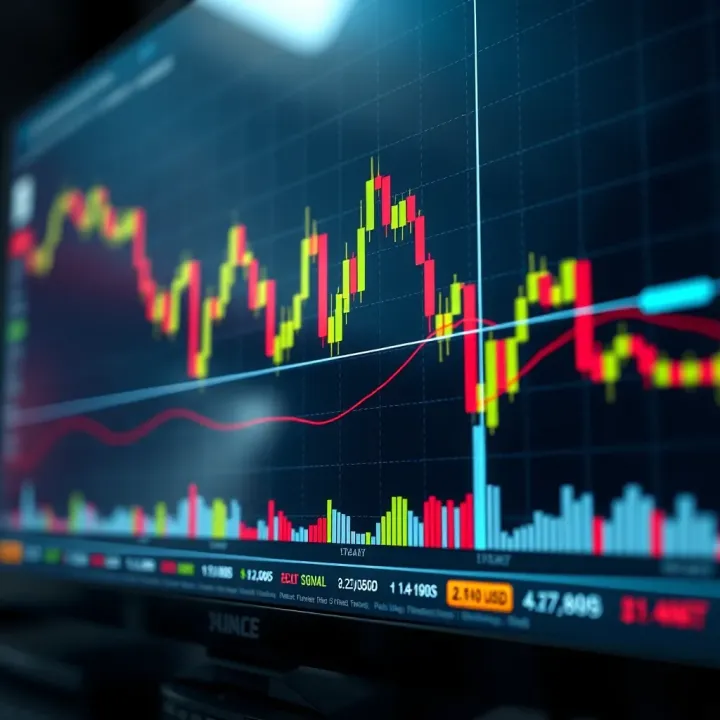
Discover how XAUUSD signals 🔍 guide gold traders in Pakistan. Learn signal types, analysis methods, and smart ways to boost your gold trading strategies! 💰
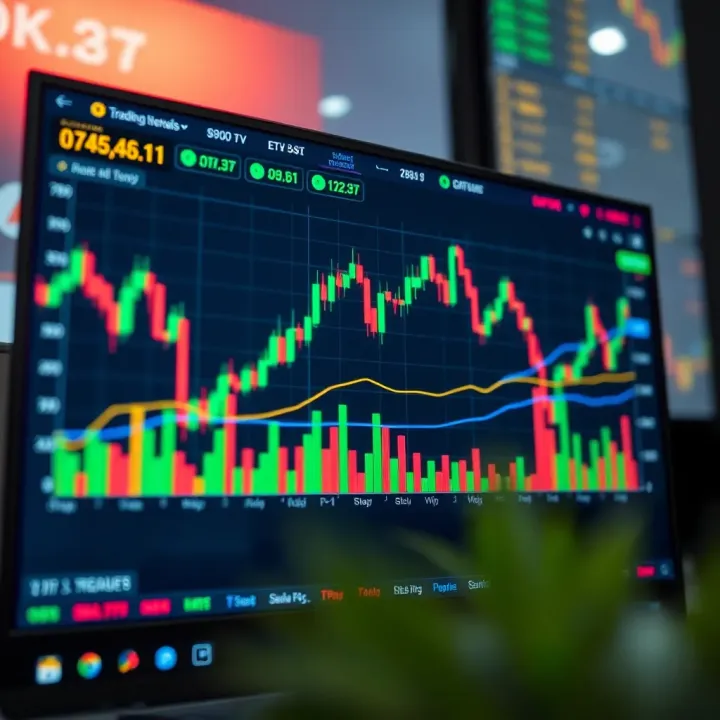
📊 Discover how trading signals work and learn to use them effectively in Pakistan's markets to improve decisions, spot trends, and manage risks wisely.

Learn how to use trading signals on Telegram effectively 📈✔️ Discover tips to spot reliable groups, manage risks, and enhance your trading in Pakistan 🇵🇰.
Based on 6 reviews