

Is Trading Halal or Haram in Islam?
Explore Islamic views on trading📈—learn which trades are halal or haram, the role of intention, and avoiding riba & gharar for ethical business.
Edited By
Thomas Reed
Trading is a major part of our lives, whether we realise it or not. It ranges from the simple act of buying vegetables at the local bazaar to more complex financial dealings like stock exchanges and commodity markets. For Muslims, however, questions often arise about whether trading is permissible or haram (forbidden) in Islam.
Islam encourages trade as a means to earn lawful income, but it sets definite boundaries to ensure fairness and transparency. The Quran and Hadith lay down clear rules targeting unfair practices. The main concerns centre around two concepts: riba and gharar. Riba refers to any guaranteed interest or usurious gain, while gharar means excessive uncertainty or ambiguity in transactions.
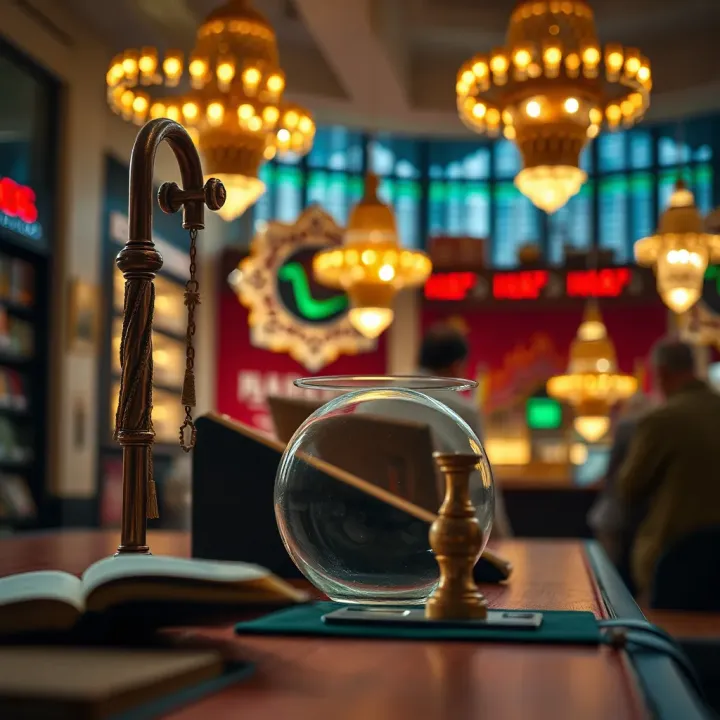
Trading itself is not haram, but trading that involves unjust elements like interest or deception is prohibited in Islam.
For example, if a trader sells goods with clear terms, avoids cheating customers, and stays away from interest-based dealings, their trade is halal (permitted). On the other hand, a trade involving speculative contracts without proper transparency or interest-based lending crosses into haram territory.
In Pakistan, many Muslim traders and investors find ways to follow Shariah principles while remaining competitive. Islamic finance institutions provide guidance and products structured around profit-and-loss sharing instead of interest rates. Platforms like PSX now offer Shariah-compliant investment options to serve this demand.
Understanding the difference between halal and haram trading practices is essential for anyone looking to engage in commerce without compromising religious values. This article explores the key principles, examples of permissible and impermissible trades, and practical advice for Muslim traders in Pakistan and beyond.
With clear knowledge about the Islamic view on trading, Muslims can confidently participate in markets while ensuring their earnings meet religious standards. This clarity also helps prevent confusion and fear around the subject, allowing traders to make informed decisions.
Next, we will discuss specific prohibitions like riba and gharar, then move to examples of halal trading practices and how to spot questionable deals in everyday business.
Trade holds a significant place in Islamic teachings, serving not only as a means of livelihood but also as an ethical framework guiding economic behaviour. Understanding these foundations is essential for traders, investors, and financial analysts who want to ensure their business aligns with Islamic principles. The Quran and Sunnah present specific instructions that promote fairness, transparency, and justice in all commercial dealings. These teachings are practical, preventing exploitation and establishing trust between parties.
The Quran explicitly recognises trade as a legitimate and commendable activity. For example, the verse "Allah has permitted trade and forbidden interest" (Quran 2:275) clearly sets the boundaries by allowing commerce while restricting exploitative interest (riba). The Prophet Muhammad (peace be upon him) himself was a merchant before prophethood, establishing trade ethics through his own conduct. He emphasised honesty and fair dealing in business. There are many hadiths that advise merchants to avoid deceit, fraud, and cheating, highlighting that truthful trade earns divine blessings and trust from society.
Commerce played a pivotal role during the early Islamic era, shaping the economic structure of the nascent Muslim community. Cities such as Madinah and Makkah thrived due to trade routes that connected different parts of Arabia and beyond. The Prophet’s companions engaged in various trading activities, and market regulations were based on Islamic law to curb unethical practices. For instance, monopolies and hoarding were discouraged because they harmed consumers.
These practices allowed the community to prosper while maintaining social justice. The establishment of market ethics ensured that wealth circulated fairly and risk was managed responsibly. Today, understanding these lessons can help Pakistani traders and financial professionals build businesses that comply with Shariah while contributing positively to the economy.
In Islam, trade is not just an economic activity; it’s a trust between parties that must be upheld with integrity and fairness.
To summarise, the foundations of trade in Islamic teachings provide a clear framework that balances economic gain with moral responsibility. These basics are vital for anyone involved in trading, whether small-scale shopkeepers or sophisticated investors using local platforms like Daraz or financial instruments. Following these principles leads to sustainable and halal trading practices aligned with Islamic values.
Understanding the principles that govern permissible trade in Islam is vital for anyone involved in commercial activities or investments. These principles ensure that trade remains ethical, just, and beneficial to society. They target practices that could lead to exploitation or injustice, emphasising fairness and responsibility. Knowing these rules helps traders navigate Pakistan’s markets within Islamic law and avoid transactions that might be deemed haram.
Riba, commonly understood as interest or usury, is strictly prohibited in Islamic trade. This prohibition aims to prevent unfair gain from money itself without any productive effort or risk-sharing. For example, earning fixed interest from a loan without risk contradicts Islamic justice. Many conventional bank loans or credit facilities involve riba, so Muslims need to consider Shariah-compliant financing alternatives, such as profit-and-loss sharing models or Islamic banking products offered by banks like Meezan Bank or Bank Alfalah.
The key takeaway is that any business dealing involving guaranteed interest payments is not allowed. Instead, transactions must be based on real economic activity and risk participation, which helps promote social equity and prevents debt traps.
Gharar refers to excessive uncertainty or ambiguity in contractual terms that can cause injustice or disputes. Islam prohibits trading that involves speculation or unknown risks that both parties cannot verify. For instance, selling fish that haven't been caught yet or buying property without a clear title can be cases of gharar.
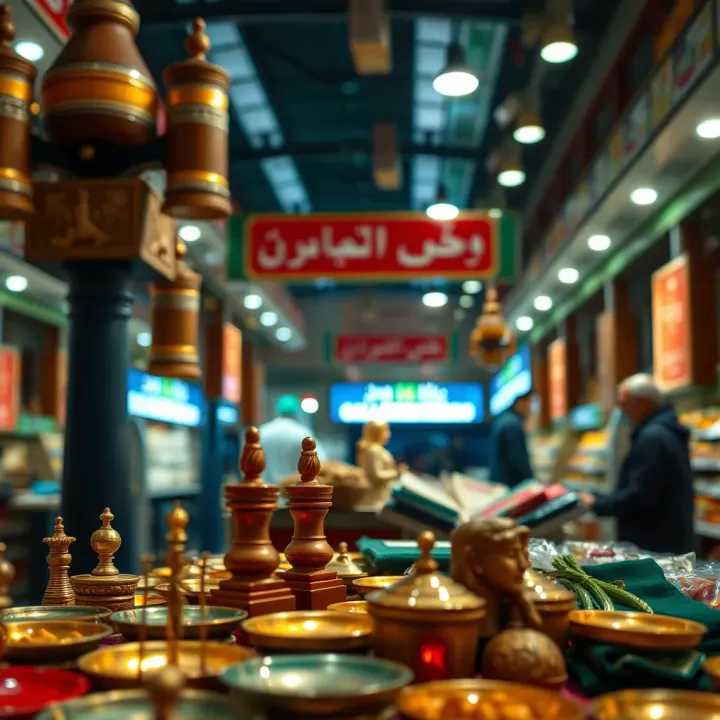
In practical terms, a trader in Pakistan should ensure all product details—quality, quantity, price, and delivery conditions—are clear and agreed upon. This transparency prevents disputes and builds trust. For example, a businessman selling textile goods must disclose fabric quality rather than making vague promises, avoiding gharar-related prohibition.
Trade in Islam is grounded in honesty and fair dealing. Prophet Muhammad (peace be upon him) emphasised truthfulness as the backbone of commerce. Misleading customers, cheating on weights or quantities, or concealing defects in goods breaks these principles and is classified as haram.
Pakistani traders often see success when they maintain transparency—such as providing receipts, upfront pricing, and full product disclosure. Doing so not only aligns with Shariah but also builds customer loyalty and a good reputation. For example, honest dealings in markets like Karachi’s Saddar or Lahore’s Anarkali Bazaar make businesses sustainable in the long run.
Ethical trading promotes social harmony and economic justice by ensuring every party benefits fairly.
In summary, avoiding riba, steering clear of gharar, and upholding honesty are the pillars that make trade permissible in Islam. Traders and investors in Pakistan who apply these principles can confidently engage in commerce that respects Islamic teachings while thriving in modern markets.
The question of whether trading goods and services is haram or halal has practical implications for many Muslims, especially traders and investors navigating Pakistan's dynamic markets. Understanding this distinction helps avoid transactions that contradict Islamic principles while promoting ethical commerce.
Islam does not categorically forbid trade; rather, it sets clear conditions to ensure transactions remain fair, transparent, and free from exploitative elements. It's vital to examine these conditions before engaging in any trade to confirm its permissibility.
Multiple factors determine whether trading is halal. Firstly, the traded goods or services must themselves be permissible (halal) under Islamic law. For example, selling halal foods such as fresh fruit or textiles is allowed, but trading in alcohol or pork products is not.
Secondly, the transaction must avoid riba (interest). Charging or paying interest is prohibited in Islam, so sales involving loans with interest or delayed payments attracting extra amounts are considered haram.
Thirdly, trade should not involve excessive gharar—that is, uncertainty or ambiguity about the terms or the goods. This means contracts must specify all relevant details clearly, avoiding situations where one party is unsure about the quantity or quality of goods. For instance, selling fish in a market where the seller clearly shows the catch is halal, but selling unidentified or unmeasured fish without inspection would be risky and could fall under gharar.
Lastly, honesty and transparency are cornerstones of halal trade. Misrepresenting goods, hiding defects, or using deceptive weights and measures violate Islamic ethics and invalidate the trade.
Halal trading thrives on clarity, fairness, and mutual consent.
Certain trading practices are explicitly disallowed in Islam due to their harmful effects. One common example is selling goods not in your possession without clear terms, especially if delivery is uncertain. This includes spot market transactions where the seller doesn’t own the delivered commodity at sale time without clarifying deferred delivery.
Another haram practice is speculative trading based solely on price differences without real asset transfer, resembling gambling. Excessive speculation often leads to injustice and financial instability, which Islam discourages.
Furthermore, trading in prohibited products like intoxicants, pork, or items used for unlawful purposes is clearly forbidden. Also, activities involving deceptive contracts, forged documents, or deliberate fraud reject Islamic trading principles.
In sum, while trading is an important part of economic life, ensuring it meets Islamic criteria helps Muslims avoid forbidden dealings while fostering trust and fairness in the marketplace. This understanding aids traders, investors, and financial analysts to align their activities with Islamic ethics effectively.
Many people mistake certain types of trading as inherently haram (forbidden) in Islam, but the reality is more nuanced. Understanding these common misconceptions helps traders avoid unnecessary fear and make informed decisions that align with Islamic principles. This section clarifies misunderstandings around stock market, forex, and cryptocurrency trading.
Stock market trading often sparks debate among Muslims because of concerns about riba (interest), gharar (uncertainty), and involvement in haram industries. However, trading shares of companies engaged in halal activities is generally permissible if done transparently and without deceit. Day trading, where stocks are bought and sold frequently within one trading session, raises questions since it resembles speculation.
Islamic scholars differ on day trading; some argue it resembles gambling due to its short-term nature, making it problematic. Others accept day trading if the trades are backed by real ownership and the stocks belong to halal businesses. For example, investing in shares of a textiles company listed on Pakistan Stock Exchange (PSX) is typically allowed, but trading shares of a conventional bank involved in interest-based dealings may not be.
Forex (foreign exchange) trading is controversial because it involves speculative currency exchange, often with high leverage. The use of leverage means borrowing money with an interest component, which is clearly haram. Another issue is the high uncertainty and rapid price swings, raising concerns about gharar.
Nonetheless, spot forex—where buy and sell happen immediately and without interest—can be acceptable if it follows Islamic finance rules. Muslim traders in Pakistan often look for Shariah-compliant platforms that avoid interest (riba) charges and restrict speculative practices. Avoiding margin trading and futures contracts is advisable to remain within halal boundaries.
Cryptocurrency has attracted significant attention, but its standing in Islamic finance remains unsettled. The main concerns include:
Lack of regulation: Many scholars worry about fraud and market manipulation.
Volatility: Extreme price fluctuations resemble gambling.
Uncertainty (gharar): Ambiguity about the asset's intrinsic value troubles some.
Despite hesitations, several contemporary Islamic finance experts consider certain cryptocurrencies halal if trading is done ethically without riba or gharar, and the coins have genuine utility. For instance, using Bitcoin for purchase of halal products or investing without excessive speculation may be compliant. Pakistani traders should consult knowledgeable scholars and prefer platforms that explicitly follow Islamic finance principles.
Understanding these misconceptions equips Muslim traders to navigate modern markets wisely, avoiding haram practices while participating in the economy.
Trade assets with clear, halal status.
Avoid interest-based leverage and margin.
Limit speculative, gambling-like behaviour.
Use Shariah-compliant platforms whenever possible.
Seek scholarly guidance on specific investment types.
Understanding these realities helps Muslim investors in Pakistan and globally make trading decisions that align with their faith without missing genuine opportunities.
Practising halal trading in Pakistan requires adhering to clear principles that align with Islamic teachings. This not only ensures religious compliance but also builds trust among customers and partners, which is vital in Pakistan’s growing market. Traders benefit from clarity and confidence in their dealings, ultimately helping them avoid costly religious or legal complications.
Before starting trading activities, it is wise to consult Islamic scholars who understand both the Shariah laws and the intricacies of modern commerce. These scholars help clarify doubts related to complicated financial instruments or speculative trading, which often cause confusion. For example, a trader unsure about the permissibility of forex trading can seek guidance to know if their strategy involves gharar (uncertainty) or riba (interest).
Alongside scholars, financial advisors familiar with Islamic finance structures can provide practical advice. They help traders design portfolios or set up businesses in a way that respects halal principles. In Pakistan, several banks and financial firms have specialised Shariah boards; their advice can prove invaluable to local traders and investors.
Choosing the right platform is key to practising halal trading. Platforms that operate under Shariah guidelines avoid interest-based transactions and prohibit investments in haram sectors, such as alcohol or gambling industries. Pakistani traders, for instance, can use local brokerage firms that offer Shariah-compliant accounts or international platforms with specific Islamic trading options.
Such platforms also promote transparency and provide clear information on fees, contracts, and ownership rights. This transparency eliminates concerns about hidden interest or excessive uncertainty, which are often violations in Islamic finance.
Certain practices easily lead traders into haram territory without them realising. For example, overleveraging in margin trading can create a form of hidden riba. Day trading with excessive speculation resembles gambling, which Islam forbids. Traders should avoid engaging in contracts where goods are not actually owned or transferable at the time of sale.
Practical steps include:
Avoiding interest-based loans for trading funds.
Ensuring the actual possession or entitlement of commodities before selling.
Steering clear of excessive uncertainty in contracts.
Regularly reviewing transactions with Islamic financial experts.
Traders in Pakistan should remain vigilant against shortcuts that might compromise halal status. Establishing sound habits with expert guidance and suitable platforms helps maintain faithfulness to Islamic commercial ethics.
In sum, practising halal trading in Pakistan demands more than just intention; it requires ongoing knowledge, sound advice, and cautious choice of platforms and deals. This makes halal trading not only a religious duty but also a smart, sustainable business approach.
Explore Islamic views on trading📈—learn which trades are halal or haram, the role of intention, and avoiding riba & gharar for ethical business.
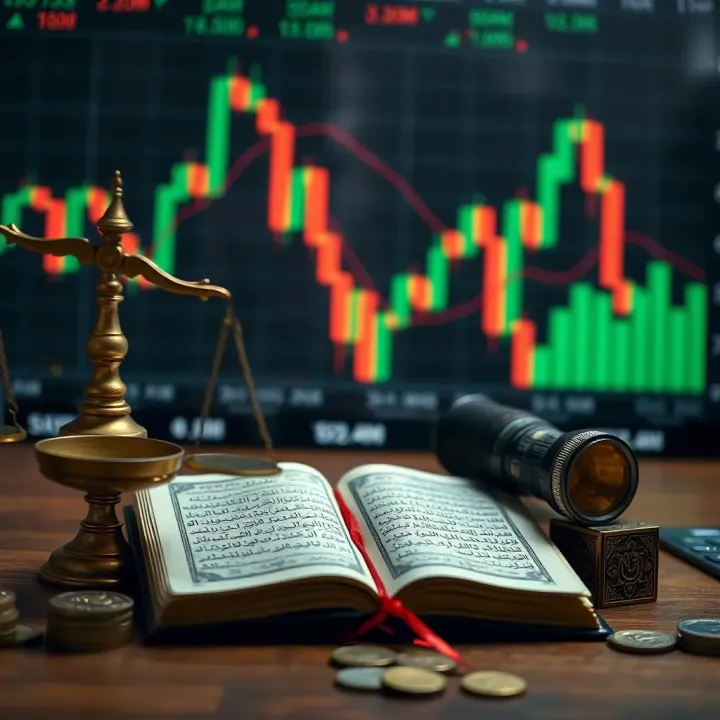
Is Quotex trading halal or haram? 📊 Explore its features and Islamic finance rules to guide Pakistani Muslim investors on ethical online trading practices today.
Wondering if futures trading is halal for Pakistani investors? Explore Shariah views on risk, speculation & interest to make informed, ethical decisions 📈🕌

Considering whether binary trading is halal or haram? 📉 Explore Islamic scholars' views, Shariah concerns on gambling & uncertainty for Muslim investors.
Based on 5 reviews