

Understanding Binance Minimum Deposit Requirements
Learn how Binance minimum deposit works for various cryptocurrencies and payment methods 💰. Tips and common issues for users in Pakistan 🇵🇰 included.
Edited By
Daniel Price
Pepperstone, a global forex broker, has clear minimum deposit requirements that traders need to understand before opening an account. These deposit limits can affect how quickly you begin trading and the kind of accounts you can access. Knowing these policies up front helps avoid delays and unexpected costs.
Minimum deposit amounts usually vary depending on the account type you choose. For example, the 'Standard' account may require a lower initial deposit, often around $200 (approximately Rs 55,000), while the 'Razor' account, favoured by active traders, might ask for $500 (around Rs 138,000) or more.
In Pakistan, payment methods accepted for deposits include bank transfers through local banks, as well as international options like credit/debit cards and e-wallets. Services like JazzCash and Easypaisa are generally not supported directly, so most traders rely on online bank transfers or international cards. Processing times for these payments vary; local bank transfers can take up to 2-3 working days, while card payments are often instantaneous.
Traders should always verify the minimum deposit amount in USD and convert it to PKR according to the current exchange rate, keeping in mind the rupee’s daily fluctuations.
Pepperstone usually does not charge deposit fees itself, but intermediary banks or payment providers might levy charges. Therefore, it’s wise to check with your bank or card issuer to avoid surprises. Also, ensure your CNIC all set and linked to your payment methods to comply with regulatory requirements.
Managing deposits effectively means planning ahead for account funding, factoring in processing times, and understanding limits or restrictions on payment methods. This approach keeps your trading activities smooth and uninterrupted, especially when responding to fast-moving market conditions.
In brief, understanding Pepperstone’s minimum deposit rules and payment options in Pakistan is essential for a hassle-free start. It allows you to pick the right account type, arrange payments properly, and avoid costly delays or rejected transactions.
Understanding Pepperstone and the various account types it offers is essential for any trader who wishes to start trading on this platform. This section provides a clear view of Pepperstone’s broker services and how different accounts cater to distinct trading styles and requirements. Knowing these details upfront can help you choose the right account to meet your trading goals and manage your investments effectively.
Pepperstone is a well-established forex broker recognised for its competitive spreads and fast execution speeds. It has gained trust globally, including among traders in Pakistan, by offering a user-friendly platform backed by solid regulatory compliance. The broker supports trading in forex, indices, commodities, and cryptocurrencies, making it versatile for various investment approaches.
Its reputation is built on transparent pricing, low costs, and reliable customer support. For Pakistani traders dealing with PKR deposits and withdrawals, Pepperstone’s robust infrastructure for local and international payments adds to its appeal.
The Standard Account caters to traders who prefer convenience and cost-efficiency. It typically features zero commissions, with costs included in slightly wider spreads. This account suits beginners or those who prefer straightforward trading without complex fee structures. For example, a new trader in Lahore might find the Standard Account ideal for getting started without worrying about additional charges beyond the spread.
Designed for more experienced traders, the Razor Account offers tighter spreads but charges a small commission per trade. This setup benefits high-volume traders and scalpers who can save on spreads despite the commission. Someone in Karachi trading large lots might prefer this account to optimise their trading costs and improve profitability through smaller spreads.
Pepperstone also provides an Islamic Account to comply with Shariah law, removing swap or rollover interest fees on overnight positions. This account is significant for Pakistani Muslim traders who want to avoid interest-based charges without sacrificing access to Pepperstone’s trading platform. The Islamic Account operates on the Standard or Razor models but with adjustments to meet religious requirements.
Selecting the right account type according to your trading style, experience, and ethical considerations helps manage your funds efficiently right from the start.
By grasping these account differences, Pakistani traders can find an option that aligns with both their financial goals and personal preferences, making Pepperstone a flexible choice in the forex market.
Understanding the minimum deposit requirements is key for anyone looking to start trading with Pepperstone. These requirements set the least amount of money you need to fund your trading account initially. Knowing these limits helps you plan your investment better and ensures your trading begins smoothly without surprises.
Pepperstone offers different account types, each with its distinct minimum deposit to cater to varied trading styles and financial capacities. For instance, traders not ready to risk a lot can start small, while active traders needing advanced tools might require a higher deposit. These thresholds balance accessibility and the broker’s operational needs.
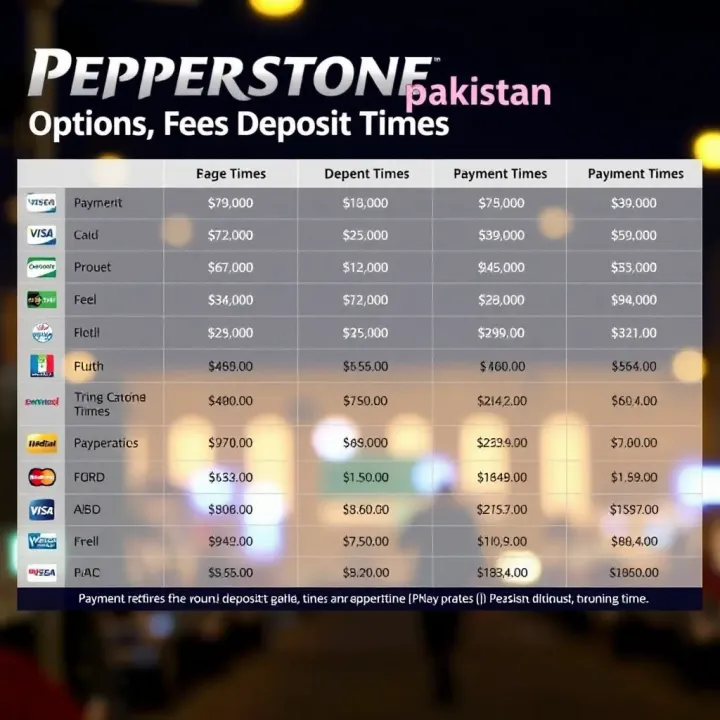
Pepperstone’s Standard Account is popular among beginners and casual traders. The minimum deposit here is $200 (around Rs 56,000), which allows traders to access major Forex and CFD markets without committing a large sum upfront. This amount lets you test Pepperstone’s services with limited risk. Since most trades start from a fraction of a standard lot, even Rs 56,000 can provide sufficient margin for small but meaningful positions.
For example, if you plan to trade USD/PKR or EUR/USD pairs, this deposit covers ample margin for everyday trading without frequent top-ups. It makes the Standard Account a solid option if you’re just getting comfortable with live trading.
Razor Accounts target serious or algorithmic traders who prefer tight spreads and direct market access execution. Here, the minimum deposit jumps to $2000 (about Rs 5.6 lakh). This higher threshold suits traders looking for professional-grade trading conditions and aiming to handle bigger volumes.
This higher deposit works because Razor accounts attract those ready to invest significantly to benefit from lower spreads and more precise order execution, which can improve profitability in scalping or high-frequency trading.
Pepperstone also offers Islamic Accounts, designed specifically for traders who avoid interest (swap-free trading) due to religious beliefs. The minimum deposit on Islamic Accounts aligns with the Standard Account, set at $200.
However, traders should remember that Islamic accounts have some restrictions; certain overnight fees are not charged, but the margin and leverage details stay similar to the Standard Account. This setup supports Pakistani Muslim traders who want to comply with Shariah principles without compromising access to global Forex markets.
Starting with the right deposit amount ensures your trading experience with Pepperstone is aligned with your financial goals, risk appetite, and trading style. Choose wisely, considering both your budget and the type of account that fits your trading plan.
By understanding these minimum deposit requirements clearly, Pakistani traders can better navigate funding their Pepperstone accounts, avoid deposit-related delays, and engage with Forex markets confidently.
Depositing funds safely and quickly into your Pepperstone trading account is essential for smooth trading activity, especially when operating from Pakistan. Understanding the available payment methods helps you select options that match your convenience, cost-effectiveness, and processing speed needs. In Pakistan, traders rely on a mix of traditional bank transfers and modern e-wallet solutions tailored to local preferences. Knowing the features and limitations of these options will save time and help avoid delays or additional charges.
Bank transfers remain one of the most reliable methods to fund a Pepperstone account from Pakistan. Major banks such as Habib Bank Limited (HBL), United Bank Limited (UBL), and MCB offer straightforward facilities to send money abroad through SWIFT or online banking portals. However, international bank transfer fees and currency conversion charges by local banks can add up, putting a dent in your deposited amount. Still, this method suits traders who prefer direct transfers from their PKR accounts without involving intermediaries.
Many banks also support quick transfers during banking hours, but processing can slow down due to additional verification or public holidays. Confirm with your bank if outward remittance limits or AML (Anti-Money Laundering) rules apply before initiating transfers, to avoid unexpected reversals or documentation requests.
Most Pakistani banks provide online banking platforms compatible with international payment gateways needed by brokers like Pepperstone. These platforms enable users to initiate transfers from home, track payments, and receive instant updates. For instance, banks such as Meezan Bank offer online remittance services that integrate smoothly with global forex brokers.
On the flip side, internet reliability and website downtime can affect transaction completion times. Traders should ensure their internet connection is stable during transfer and keep relevant transaction reference numbers for customer service follow-up. Also, regulating bodies occasionally update regulations affecting international transfers; keeping abreast with notifications from State Bank of Pakistan (SBP) is wise.
Mobile wallets like JazzCash and Easypaisa are gaining traction among Pakistani traders because they provide fast, low-cost ways to deposit funds. These platforms allow users to link bank accounts or load funds via local agents easily. When Pepperstone accepts deposits via these wallets (either directly or through intermediaries), Pakistani traders enjoy convenient payment solutions without visiting banks or paying high charges.
Besides ease of use, mobile wallets offer quicker processing, often reflecting in your trading account within hours instead of days. For example, a trader can top up their Easypaisa account at a nearby shop and send payment to Pepperstone without worrying about working hours or bank holidays. However, users should verify wallet limits per transaction and daily to plan deposits accordingly.
Besides local mobile wallets, Pepperstone also supports international payment gateways like Skrill and Neteller, accessible in Pakistan. These e-wallets allow traders to fund accounts via credit/debit cards or bank transfers and provide an additional layer of security by not exposing bank details directly to brokers.
Though not as popular locally as JazzCash or Easypaisa, Skrill and Neteller can be handy for high-volume traders or those with freelance income in foreign currencies. Keep in mind that currency conversion fees and withdrawal policies may vary between platforms, so check charges carefully before opting for these methods.
Always double-check the deposit method compatibility with Pepperstone and your payment provider to avoid rejected transactions and delays. Practical awareness of options and limitations helps you manage deposits smoothly without costly interruptions.
Understanding the charges and timing involved in depositing funds is essential for effective account management with Pepperstone, especially for Pakistani traders. Deposit fees directly affect your trading capital, while processing times determine how soon you can start trading after funding your account. Both factors influence your ability to respond quickly to market movements.
Pepperstone generally does not charge deposit fees for most methods, which is a relief for traders wanting to keep costs down. However, it’s important to note your chosen payment provider might impose charges, particularly international banks or payment gateways. For example, local bank transfers from Pakistan often come with nominal fees, sometimes Rs 100-200 per transaction, depending on the bank’s policy.
E-wallets like JazzCash and Easypaisa usually have minimal or no fees for transfers within Pakistan, making them attractive choices. On the other hand, using international payment systems like Skrill or Neteller can include both conversion fees and transfer charges, which you should check before depositing.
Always check with your payment provider about any hidden fees to avoid surprises that reduce your usable balance.
Deposit processing times vary widely by payment method. Bank transfers within Pakistan can take anywhere from a few hours up to 48 hours, depending on the bank and clearing cycles. Generally, faster processing occurs during bank working hours excluding weekends or public holidays.
E-wallets like JazzCash and Easypaisa process deposits almost instantly or within a couple of hours, offering quick access to your Pepperstone trading account. This makes them convenient for traders needing rapid entry to the market.
Credit or debit card deposits usually reflect immediately or within minutes, allowing traders to act on sudden market opportunities swiftly.
International wire transfers are the slowest option, often taking 2 to 5 business days due to cross-border banking protocols and currency conversions. These delays can lead to missed trading chances, so they should be used when no urgent funding is required.
Choosing the right payment method involves balancing cost and speed. For Pakistani traders, local bank transfers and mobile wallets offer a solid combination of low fees and quick processing, keeping your funds ready for trading without unnecessary delays.
In summary, by knowing the fee structures and expected processing times, you can plan your deposits better, avoid unwanted costs, and stay responsive in your forex trading activities.
For Pakistani traders using Pepperstone, managing deposits effectively is essential to avoid interruptions in trading and to maximise opportunities. The broker’s minimum deposit requirements need careful attention because failing to meet them can block account activation or limit market access. This section focuses on practical strategies and tips tailored to the Pakistani context.
Start by budgeting realistically according to your trading plan. Pepperstone usually requires a minimum deposit around $200 for standard accounts, so converting this to Pakistani Rupees at the current exchange rate is crucial to avoid shortfalls. For instance, if $200 equals roughly Rs 50,000 today, setting aside slightly more can cover any currency fluctuation or transfer fees.
Use local payment methods like bank transfers through HBL or UBL, which are familiar and reliable for large transactions. JazzCash and Easypaisa are more suited for smaller amounts but might not meet the minimum deposit threshold efficiently. Another approach is to consolidate funds through joint accounts or with trusted family assistance, easing the burden of meeting the minimum deposit in one go.
Plan your deposits when the exchange rate is favourable. Currency fluctuations between the US dollar and Pakistani Rupee can impact how much you effectively deposit. Keeping an eye on market rates and depositing when the rupee is stronger can save a few thousand rupees on the overall amount.
Always double-check your account details before making a deposit. Mistakes in your Pepperstone client ID or bank information can cause lengthy delays or lost deposits. While it may sound obvious, many traders overlook this and end up with funds stuck in limbo.
Ensure compliance with Pakistani banking regulations by submitting any required Know Your Customer (KYC) documentation promptly. Banks today often halt international transfers without proper verification, so have your CNIC and other documents ready when funding your trading account.
Choose payment methods known for fast processing. Bank transfers generally take 1-3 business days depending on the bank, while some e-wallets can process instantly but be mindful of their limits. Avoid using informal hawala or non-registered services to escape delays or compliance issues.
Keeping a record of your deposit transaction, including screenshots and bank challans, is a wise practice. This helps with follow-up in case funds do not appear in your trading account within the expected time.
In short, Pakistani traders should approach Pepperstone deposits with a clear plan, verify all details carefully, and choose payment methods wisely to avoid unnecessary delays. This practical management keeps trading smooth and avoids disruptions linked to funding problems.
Learn how Binance minimum deposit works for various cryptocurrencies and payment methods 💰. Tips and common issues for users in Pakistan 🇵🇰 included.
Learn about Quotex's minimum deposit, popular payment methods, smart investment tips, and how it compares with other platforms 📊 Keep your trades secure and supported!

Discover IQ Option minimum deposit rules and payment options for Pakistani traders 🇵🇰. Learn how to fund your account expertly and start trading confidently 📈.

📊 Discover how QouTax fits into Pakistan's tax system, registration needs, filing processes, and the challenges businesses face with FBR compliance.
Based on 6 reviews