
TradingView Guide for Pakistani Traders
Explore TradingView.com 📈 with our detailed guide for Pakistani traders 🇵🇰. Learn chart tools, market data, community features & tips for local trading.
Edited By
Charlotte Reed
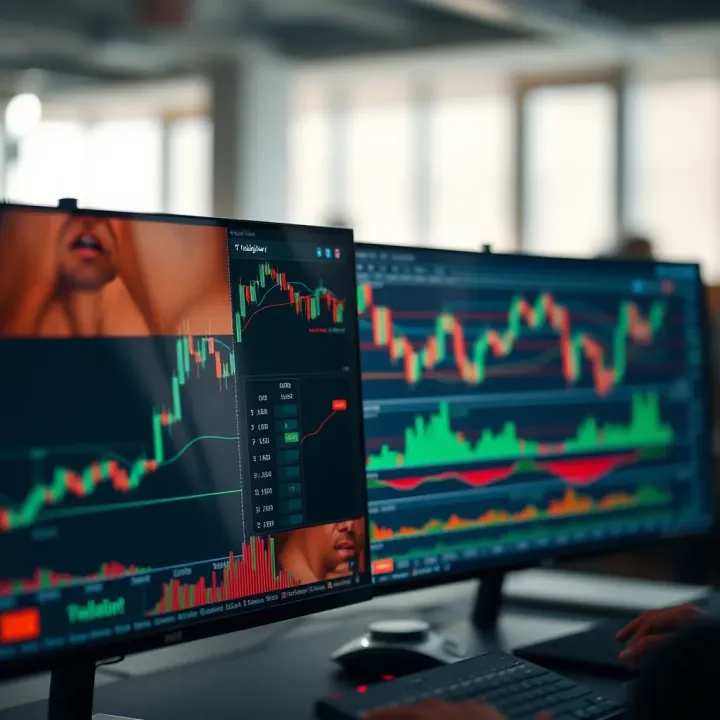
For traders in Pakistan, getting the right tools can make or break your success in the markets. TradingView.com has emerged as one of the world's leading online platforms, combining powerful charting tools with an active social network. This mix lets you analyze markets deeply and share ideas with a vibrant community.
This article dives straight into what TradingView offers, focusing on how it fits into the unique trading scene of Pakistan. From exploring the platform’s features to practical tips on subscriptions and integrations, the goal here is to give you a clear, actionable roadmap.
Why bother? Because trading isn't just about luck. It’s about having a toolbox that helps you read the market signals while staying connected with others who trade stocks, forex, crypto, or commodities like cotton or wheat.
"A toolkit alone won't trade for you, but with the right setup and know-how, your chances of doing well shoot up dramatically."
In the sections that follow, we cover everything you need: charting basics, social trading features, subscription plans tailored to different needs, and how to tailor TradingView to Pakistan's financial landscape—where certain stocks, indices, and regulatory factors come into play.
Let's get started with understanding what makes TradingView stand out and why it might just be the key platform you've been overlooking.
TradingView.com is a platform that’s become a staple for traders worldwide, and its relevance continues to grow here in Pakistan. Whether you’re dabbling in stocks, forex, commodities, or cryptocurrencies, TradingView offers tools that help you get a real handle on market moves without sweating over complicated software setups.
At its core, this section sets the stage for why Pakistani traders should pay attention to TradingView. It’s more than just charts on a screen; it provides a fresh way to track trends, test strategies, and connect with other traders who are navigating similar markets. For instance, a trader in Karachi watching the KSE index can rely on TradingView’s customizable alerts to catch price dips or breakouts in real-time, which helps avoid missing crucial trade windows.
TradingView is an online platform designed primarily for charting and analyzing financial markets. Think of it as your digital trading buddy that’s always there to help you visualize price movements and spot patterns. It supports an extensive range of assets—from local stocks like Pakistan’s PSX-listed companies to international forex pairs and Bitcoin.
A standout feature is that it’s web-based, so you don’t have to download bulky programs or worry about software updates. You just log in, and the interface equips you with advanced charting tools, technical indicators, and drawing tools. For example, a trader interested in the USD/PKR exchange rate can instantly pull up live charts, apply moving averages, or track RSI levels to make informed decisions.
There are plenty of platforms out there, but traders often pick TradingView for its ease and versatility. One key reason is the vast library of technical indicators that are ready to use or easily customized. This means you don’t have to reinvent the wheel every time you want to try a new strategy.
Another aspect is the social element: you can view ideas posted by other users, which can be really handy if you’re looking to get a sense of market sentiment or just want to see what patterns others are spotting. Imagine a trader in Lahore who accesses a community idea about a breakout pattern forming in the oil commodity charts—this could offer timely insights that complement their own research.
Additionally, TradingView’s alert system is noteworthy. Notifications via app or email when specific price points are hit mean you don’t need to monitor markets 24/7. This makes it a good fit for Pakistani traders who balance trading with other commitments.
TradingView combines powerful tools with an active community, making it a practical choice for traders aiming for smart, informed moves without fussing over technical hassles.
In short, getting acquainted with TradingView is the first step to making your trading approach more structured and connected. This intro helps new users understand what TradingView offers and sets expectations before diving into its features more deeply.
Charting tools are the bread and butter for any serious trader. On TradingView, they offer a wide range of features that make tracking price movements and spotting trends more straightforward, especially for Pakistani traders navigating volatile markets like the Pakistan Stock Exchange or forex markets.
One of TradingView’s standout features is its highly customizable charts and layouts. Traders can arrange multiple charts on a single screen with various timeframes, making it easy to compare different assets or time periods side by side. For example, a trader might keep a 1-minute chart open for scalping the FX market while simultaneously monitoring a 4-hour Pakistani stock chart.
Changing the chart type is effortless too—whether you prefer candlesticks, bar charts, Heikin Ashi, or even Renko charts, TradingView lets you switch easily. Plus, you can adjust the color schemes to reduce eye strain during long hours of analysis. This flexibility means traders can truly personalize the workspace to fit their style, which is crucial when decisions need to be quick and informed.
Technical indicators are essential for decoding market behavior, and TradingView packs more than 100 built-in indicators, from simple moving averages to more complex ones like Bollinger Bands and MACD. Suppose you’re a day trader in Karachi watching commodity futures; you could apply RSI (Relative Strength Index) alongside volume indicators to gauge entry and exit points.
Beyond indicators, drawing tools let traders mark trend lines, Fibonacci retracements, and support or resistance zones right on the charts. These tools are handy for spotting patterns that textbooks rarely cover fully, like the “cup with handle” formation on cement stock charts or a hidden divergence pattern in local forex pairs. You can save these annotations and share them within TradingView’s community, aiding collaboration and learning.
TradingView offers an impressive range of timeframes, from as short as 1 second (very helpful for crypto traders in Pakistan reacting to sudden price swings) to multi-month charts for those eyeing long-term investments. This spectrum lets traders zoom right in for scalping day trades or step back for a top-down view of market trends.
The platform also pulls in real-time data from major exchanges, including access to global forex and cryptocurrency markets, which is a big plus given the growing interest in crypto trading in Pakistan despite regulatory ambiguities. Real-time alerts and synchronized cross-market data mean you’re not left guessing—whether it’s the KSE 100 index or USD/PKR pair, you get timely info to stay ahead.
Mastering these charting tools means Pakistani traders can read markets like a pro—getting beyond guesswork to data-driven moves that make trading more rewarding and less nerve-racking.
TradingView is a versatile platform that caters to a wide range of markets, making it a one-stop solution for traders who want to analyze various asset classes without bouncing between different tools. For Pakistani traders, this flexibility means you can keep tabs on everything from local and international stocks to the fast-moving world of cryptocurrencies, all within a familiar interface. Understanding how TradingView adapts to equities, forex, cryptocurrency, commodities, and futures markets is crucial for making informed investment decisions.
TradingView offers extensive coverage of equities and indices, which is particularly beneficial for traders interested in Pakistan’s stock market as well as global markets like the NYSE, NASDAQ, and the FTSE. For instance, Karachi Stock Exchange (KSE) listed companies can be tracked alongside major US blue-chip stocks without switching platforms. This makes portfolio diversification easier by offering real-time quotes, historical data, and detailed charting for a variety of stocks.
One handy feature is the ability to follow major indices such as the KSE-100, Dow Jones, or S&P 500 to gauge overall market sentiment. For example, if the KSE-100 is showing a downward trend while the S&P 500 is climbing, it could suggest that regional factors are affecting Pakistan's market specifically. Traders can layer multiple indices on one chart to spot correlations or divergence patterns, which helps tailor entry and exit strategies.
Pakistan's growing interest in forex trading and cryptocurrencies is well supported on TradingView. The platform covers a vast array of currency pairs—ranging from majors like USD/PKR, EUR/USD, to more exotic pairs. This is invaluable for traders who want to monitor forex markets in real time, execute technical analysis, and react quickly when the rupee fluctuates sharply against the dollar.
Cryptocurrency markets receive equal attention, with multiple coins like Bitcoin, Ethereum, and emerging altcoins available for charting and analysis. TradingView's alert system can notify traders immediately if Bitcoin's price crosses critical resistance levels, allowing them to take advantage of volatile price swings. Given the 24/7 nature of crypto markets, having a reliable, real-time tool is a game changer for traders in Pakistan looking to stay ahead.
Trading commodities such as gold, oil, and agricultural products is common among Pakistani investors wanting to hedge their portfolios or capitalize on global trends. TradingView supports a variety of commodities futures and spot prices, offering up-to-the-minute market data and in-depth charting tools.
For example, gold prices influence the Pakistani market profoundly due to cultural preferences and economic factors, so being able to monitor gold futures alongside currency pairs gives traders a comprehensive outlook. Futures contracts for oil and other commodities can predict economic shifts and help traders make better timing decisions.
Futures markets are often complex for beginners but TradingView simplifies this by allowing customization of chart layouts and indicators tailored to futures trading patterns. This means Pakistani futures traders can keep an eye on contract expiry dates, volume spikes, and open interest directly from the platform, reducing a lot of guesswork.
Understanding TradingView's support for different markets not only helps Pakistani traders leverage variety but also ensures they use the platform to its full potential, enhancing decision-making across multiple asset classes.
By having all these markets available on one screen, TradingView makes it easier to compare assets, spot trends, and execute smarter trades. This versatility helps Pakistani traders stay nimble in a dynamic financial environment without having to rely on multiple tools or subscriptions.
TradingView isn't just a tool for charts and technical analysis; it thrives as an interactive community where traders from all over, including Pakistan, connect and learn. Social network features on TradingView add a powerful layer to trading—allowing users to follow market trends, exchange insights, and build confidence through shared experience. For Pakistani traders aiming to sharpen their strategies or pick up local market nuances, engaging with this social aspect can be a game changer.
One of TradingView’s standout features is the ability to follow other traders. This isn’t just about watching others’ trades but about soaking up real-time analyses and strategies that reflect different trading styles and viewpoints. For example, a forex trader in Karachi might follow a seasoned cryptocurrency analyst from Lahore to spot cross-market trends or discover fresh entry points.
The platform allows you to see public updates where traders post their ideas with annotated charts, predictions, or technical setups. This continuous feed can inspire your trading plan or even warn against potential pitfalls. When you find a trader whose style matches your approach or whose insights prove fruitful, you can add them to your watchlist to keep a close eye on their activity.
Publishing your own analysis on TradingView serves multiple purposes: it’s a way to clarify your thoughts, get feedback, and build a personal reputation within the trading community. Whether you’re experimenting with pattern recognition on KSE-100 index charts or outlining the impact of a monetary policy update on Pakistani rupee forex pairs, sharing your findings invites constructive discussion.
Aspiring traders often hesitate to publish due to fear of mistakes, but openness can accelerate learning. Posting regularly also helps you track your predictive accuracy over time—some traders use TradingView as a kind of public trading journal. Additionally, thoughtful, original analysis can attract followers, creating networking chances or even collaboration opportunities in Pakistan’s growing financial market.
TradingView's chat rooms and discussion groups add a dynamic layer where traders exchange ideas in a more casual, conversational format. You can find groups dedicated to Pakistani markets, Asian forex pairs, or global commodities, providing a space to ask questions, share news, or simply vent about market moves.
For instance, a trader confused about the impact of political news on Pakistan Stock Exchange can jump into relevant chat rooms and get immediate feedback. These discussions can reveal on-the-ground sentiments you might miss by looking at charts alone.
Networking in these groups doesn't just boost knowledge—it helps maintain emotional balance, a key trait in trading that’s often overlooked.
In summary, TradingView’s social network features transform the solitary task of trading into a socially rich experience. Pakistani traders who actively follow others, share their analysis, and partake in community chats may find themselves better prepared and more connected to local and global market currents.
Having a reliable and flexible way to trade is more important now than ever, especially for traders in Pakistan who might be juggling markets across various time zones. TradingView offers both mobile and desktop platforms to cater to your needs whether you’re on the go or at your workstation. This section breaks down how each platform shines and what advantages they bring to the table.
TradingView's mobile app is a real lifesaver for those moments when you’re away from your desk but don’t want to miss out on market moves. It’s available for both Android and iOS devices and brings almost the full power of TradingView right to your smartphone.
The app supports:
Real-time charts with multiple time frames, so you can analyze stocks, forex, or cryptocurrencies on the fly.
Custom alerts that notify you instantly when a specific price or indicator condition is met, making sure you’re not glued to the screen but still in the loop.
Watchlists and idea stream to quickly save your favorite instruments and see what other traders are posting without needing a PC.
For instance, imagine you’re commuting in Karachi and you spot a sudden spike in the PKR/USD pair through a custom alert. You can jump into the app, pull up the chart, and decide on the spot whether to enter or exit your trade. It’s this kind of mobility that cuts down delay and helps you react faster.
While the mobile app covers trade alerts and quick checks, the desktop app is geared towards more in-depth analysis. It runs as a standalone program on Windows and Mac, which means it's more stable and loads faster than the browser version.
Key perks include:
Multi-monitor support: Use multiple screens so you’re not swapping tabs all day. This is a boon if you track the Karachi Stock Exchange and forex markets simultaneously.
Better performance: The desktop app handles heavier chart setups and indicators without lagging.
Offline workspace: You can keep working with saved charts and analysis even if your internet cuts in and out—a usual annoyance in some parts of Pakistan.
Professional traders especially benefit from these features. For example, an equity trader in Lahore might keep detailed charts open for each major Pakistani stock, while also watching global indices and cryptocurrencies—all without the frustration of browser crashes.
Both mobile and desktop setups complement each other, making TradingView a versatile platform no matter how or where you like to trade.
Using these platforms together helps keep Pakistani traders sharp and connected in a fast-moving market environment.
Choosing the right subscription plan on TradingView can really shape your trading experience, especially for Pakistani traders keeping a close eye on costs. The platform offers several tiers, each packing different features, so knowing what fits your trading style and budget is vital.
The free plan is a tempting option for beginners or those experimenting with TradingView, but it’s quite restricted. You get access to basic charts and a few indicators, but you’re limited to just one chart per tab and only a handful of technical indicators. For instance, if you want to analyze the Pakistan Stock Exchange (PSX) alongside forex or cryptocurrency charts, juggling different tabs without multiple layouts becomes a headache.
Moreover, real-time data on the free tier can lag slightly for some markets, which might not be a deal-breaker for casual users but could cost more serious traders missed opportunities. Alerts are capped too – you can set only one active alert, which often falls short for traders monitoring several assets or conditions at once.
Upgrading to the Pro or Premium packages opens up much more flexibility and power. The Pro plan, a popular choice among active traders, allows multiple charts in one layout, up to 10 indicators on a single chart, and several set alerts. This can be a game-changer if you trade on multiple timeframes or want to combine indicators like RSI, MACD, and Bollinger Bands efficiently.
The Premium plan steps it up further with features like unlimited indicators per chart and up to 400 alerts, catering to algorithmic traders or those who depend heavily on real-time notifications across various assets. For example, a trader focusing on both PSX equities and foreign forex pairs with complex strategies would benefit from these advanced capabilities.
Also, the paid plans give you access to better customer support and faster data refresh rates, which is crucial when split-second decisions affect profits.
Whether upgrading makes sense depends on your trading approach and how much you value certain features versus the cost. Pakistan-based traders should weigh the subscription fees against their trading volume and styles.
If you're day trading PSX stocks or crypto, missing out on real-time alerts or multi-chart layouts can slow you down — which might actually cost more than the subscription itself.
For swing traders or those who analyze markets less frequently, the free plan or a modest Pro plan might suffice. But if you're juggling multiple markets or using automated strategies, Premium could offer significant advantages. Remember, payment options and currency conversion rates might slightly affect the affordability of higher plans.
Many Pakistani traders find the Pro plan strikes a good balance, offering enough tools for advanced analysis without breaking the bank. Keep in mind, TradingView often runs promotions or discounts – so it’s worth watching those carefully.
In summary, Pakistani traders should consider:
The number of charts and indicators they need
The importance of real-time data and alert limits
Their trading style and frequency
The subscription cost versus potential trading gains
Taking a close look at these factors helps ensure you're not paying for bells and whistles you won’t use, but also not getting stuck with a plan that holds you back when the market moves fast.
Connecting TradingView with brokerage accounts and using its API can seriously up your trading game, especially if you're trading in Pakistan’s market where timing and speed can make a big difference. This integration lets you place trades directly from the TradingView platform, track real-time decisions, and automate strategies — no need to jump between different apps or systems.
One of TradingView’s biggest perks is its brokerage integration. Pakistani traders can link their TradingView accounts with supported brokers like Interactive Brokers, OANDA, and a growing number of others. Once connected, you can execute orders straight from your charts, which saves time and helps avoid missing those golden entry or exit points.
Setting up the connection usually involves entering your broker username, password, and API key, making TradingView a one-stop shop for analysis and order execution. For instance, if you’re trading forex via OANDA, this setup lets you respond to changing currency prices instantly without switching platforms. Just remember, not all brokers support this feature yet; always double-check the list on TradingView before assuming your brokerage will sync up.
For the tech-savvy trader in Pakistan looking to automate their trading strategies, TradingView offers an API that’s a real game-changer. With this, you can craft custom algorithms to execute trades based on technical signals or other predefined rules, reducing emotional trading mistakes.
Using the API means you can build bots to monitor indicators like RSI or MACD, then automatically open or close positions when certain conditions are met. Say your bot spots an oversold condition on the Pakistan Stock Exchange’s KSE-100 index chart — it could trigger a buy order immediately, even if you’re offscreen.
Automation through the API helps manage multiple markets simultaneously, which is handy given the volatility in cryptocurrencies or commodities. Developers often use languages like Python or JavaScript to interact with TradingView’s API, so having some coding knowledge is a must. This approach suits traders who want to move beyond manual strategies and stay sharp no matter where they are.
Pro tip: Always backtest your automated strategies in TradingView before turning the API on live trades to avoid costly surprises.
By integrating your brokerage account and tapping into TradingView’s API for automation, you can make trading smarter, faster, and tailored to your style. This hands-on control is especially valuable in Pakistan’s dynamic markets, where a few seconds can mean the difference between profit and loss.
Using TradingView effectively requires not just knowing its features but understanding how to tailor them to fit Pakistan's unique market environment. This section focuses on practical tips to help traders in Pakistan make the most of TradingView’s tools with local conditions in mind. Incorporating these tips can lead to better analysis, smarter trades, and fewer mistakes.
Pakistani markets have their own rhythm, often influenced by local economic policies, political developments, and currency fluctuations. Traders should customize TradingView’s charts and indicators to reflect these factors. For example, incorporating Pakistan Stock Exchange (PSX) data and keeping an eye on the PKR-USD exchange rate can be crucial since currency swings directly impact many listed companies.
Also, understand that trading volumes on the PSX may be lower compared to larger international markets, which can cause price gaps and volatility. Use shorter timeframes selectively and focus more on daily or weekly charts where signals are often cleaner. You may also want to add alerts for key political or economic event announcements, like SBP policy rates or budget releases, since these events tend to move markets significantly.
TradingView’s social features are a goldmine for Pakistani traders ready to learn from peers and seasoned analysts. Following local traders who specialize in PSX or Forex pairs involving PKR can offer valuable perspectives not always available from global analysts. The community’s published ideas and scripts provide a chance to see how others interpret Nigerian market trends or technical setups.
Participate in discussion groups that focus on regional markets. Often, these forums discuss upcoming local market events, share trading setups aligned with Pakistan’s economic landscape, or provide warnings about market pitfalls. Being active in these communities helps you refine your strategies by watching how others adjust to local disruptions, like sudden political shifts.
A common trap for Pakistani traders new to TradingView is relying too heavily on default settings or blindly copying global strategies. For example, many beginners use indicators like RSI or MACD without adjusting their parameters for the PSX’s unique trading patterns, leading to false signals.
Another frequent mistake is neglecting risk management. The markets in Pakistan can experience sharp moves, so setting proper stop-loss and take-profit levels is essential. Avoid overtrading based on hype or social media noise; keep a cool head and stick to your trading plan.
Lastly, traders sometimes overlook TradingView’s alert system, which can be a lifesaver in a fast-moving market. Setting up customized alerts tied to relevant local news or technical thresholds means you won’t miss critical opportunities or warnings.
Smart use of TradingView means fitting the tool to your market, not forcing the market to fit a generic tool.
By keeping these tips in mind, Pakistani traders can better navigate their local market nuances and get the most from TradingView’s comprehensive platform.
When it comes to trading online, especially in a market like Pakistan where cybersecurity awareness is still catching up, the safety of your account and personal information can't be overstated. TradingView is widely trusted because it takes security and data privacy seriously. For Pakistani traders, knowing how your information is guarded and what you can do to tighten security can save you from headaches down the line.
Keeping your TradingView account safe starts with the basics, like choosing a strong password that you don't use anywhere else. But TradingView doesn't just stop there; it offers two-factor authentication (2FA), which is a real lifesaver. This means every time you log in, you need a second form of ID — usually a code sent to your phone. This extra step blocks hackers from sneaking in, even if they somehow get your password.
Another feature worth mentioning is TradingView's session management tool. You can see all devices currently logged in and kick off any unfamiliar session immediately, which is perfect if you suspect your account might be compromised. Plus, the platform sends notifications about important changes like password resets or login attempts from new devices.
TradingView collects personal information to provide a customized user experience and for regulatory reasons, especially if you link brokerage accounts. Pakistani traders should know that TradingView uses industry-standard encryption (SSL/TLS) when transmitting your data, which keeps it safe from interception.
However, while TradingView employs strong technical measures, users should also act prudently. Avoid sharing your login details or financial info over email or messages claiming to be from TradingView; phishing scams are unfortunately common.
In addition, TradingView’s privacy policy outlines clearly how they use your data — mainly for account management and improving services. They do not sell your data to third parties, which should ease concerns about your information being mishandled.
Always double-check URLs and verify official communications. A simple mistake like typing tradingv1ew.com instead of tradingview.com can land you on a bogus site designed to steal credentials.
In summary, TradingView combines solid security tools with clear data handling practices, but the user’s cautious approach completes the shield. Pakistani traders who use these protections well can focus more on their strategies and less on worrying about account safety or data theft.
When traders in Pakistan consider which platform to use, understanding how TradingView stacks up against the alternatives is essential. With options ranging from MetaTrader 4 and 5 to ThinkorSwim and NinjaTrader, the decision isn't just about functionality but how those functions meet local needs and trading styles. This section breaks down key comparisons to help Pakistani traders decide which platform clicks best with their strategy and daily trading routine.
TradingView shines when it comes to charting flexibility and community-driven features. For example, its easy-to-use interface allows users to set up multiple charts and layouts quickly, which can be a lifesaver for Pakistani traders juggling the volatile forex and crypto markets. It also has a massive library of indicators created by both the TradingView team and the user community.
However, TradingView isn’t perfect. Some traders find its free version too limited compared to MetaTrader 4, which offers extensive plugin support and direct brokerage links. Additionally, TradingView does not support order execution with all brokers, which can restrict Pakistani traders who rely on specific local or international brokerage services.
MetaTrader platforms, favored in many local brokerage firms, have an edge in algorithmic trading due to their robust Expert Advisors (EAs) system—a feature TradingView's Pine Script is still catching up on. That said, NinjaTrader’s complex order types offer an advantage for futures and commodity traders in Pakistan, contrasting with TradingView’s simpler approach.
TradingView excels as a social and analytical tool. When Pakistani traders want to share ideas or tap into a global community for fresh perspectives, TradingView's built-in social chat, idea publishing, and live discussions make it stand out. For instance, if you're tracking the KSE 100 or foreign exchange fluctuations alongside crypto markets like Binance’s offerings, TradingView’s real-time data and community-driven insights can be invaluable.
Conversely, for active day traders focused solely on local markets with quick order execution demands, platforms integrated directly with Pakistani brokers, such as MetaTrader 4 or local brokerage apps, might be more practical. These platforms offer faster execution with direct broker integration, which is crucial when seconds count in volatile markets.
Commodity and futures traders often lean toward NinjaTrader because of its advanced order management system and extensive backtesting options. But if you seek a user-friendly, web-based platform that requires minimal setup and offers a broad view across asset classes, TradingView fits the bill.
In short, consider TradingView like the Swiss Army knife of trading platforms: versatile and rich in features, yet sometimes less specialized for specific tasks compared to dedicated alternatives.
To sum up, while TradingView suits traders looking for a comprehensive, community-powered, and chart-focused experience, platforms like MetaTrader and NinjaTrader remain strong contenders for those prioritizing execution speed, broker integration, or algorithmic trading capabilities — factors that Pakistani traders should weigh heavily depending on their trading style and goals.
Wrapping up, deciding whether TradingView fits your trading style in Pakistan depends on a few practical points. It's not just about flashy features or the latest tech; rather, it’s about how well the platform suits your trading needs, the markets you focus on, and your budget. We've gone through its tools, social features, costs, and integration options, so now it's about weighing these against your specific situation.
TradingView shines in several areas that Pakistani traders can really benefit from:
Comprehensive Charting Tools: The platform offers highly customizable charts with a wide range of technical indicators, which can be tailored to different trading strategies, whether you're into day trading or long-term investing.
Community Insights: Access to a global network means you can share and learn from real traders' ideas, which is invaluable when navigating volatile markets.
Market Coverage: TradingView covers various markets—stocks, forex, crypto, and commodities—so it’s useful if you trade across different asset classes.
Accessibility: Its mobile and desktop apps make it easy to stay connected to the markets anywhere, something Pakistani traders juggling multiple tasks will appreciate.
Flexible Pricing Plans: From free access for beginners to subscription plans with advanced features, there's something for nearly every budget.
Take, for example, Ali, a forex trader from Lahore, who finds TradingView's live currency charts and social insights essential for his daily trades.
Before jumping in, consider what matters most for your trading setup:
Which Markets Do You Trade? If you mainly trade local stocks on the Pakistan Stock Exchange, check if TradingView provides the up-to-date data you need. However, for forex or crypto, TradingView is more robust and widely used.
Feature Needs: Are you a casual trader content with basic charts, or do you need advanced indicator customization and automated trading support?
Budget Constraints: The free plan is decent but limited, so try the trial periods for Pro and Premium to decide if the extras are worth the price.
Integration with Brokers: If you want to trade directly through your charts, ensure your broker supports TradingView integration.
Learning Curve: New traders might find TradingView overwhelming at first, so take advantage of tutorials and community support.
Choosing TradingView isn’t a one-size-fits-all decision. Think of it like picking a vehicle: a compact car suits city roads, while a pickup truck is for hauling bigger loads. Match the platform’s strengths to your personal trading demands.
Remember, the goal is to have a tool that makes your trading clearer and simpler, not more confusing or expensive. Test the platform free for a while, compare it with alternatives like MetaTrader or ThinkorSwim, and see which interface feels right in your daily hustle.
This final step often separates a good trader from a great one—picking tools smartly that fit your style and goals. So take your time to decide if TradingView deserves a spot in your toolkit or if another platform better fits your trading journey in Pakistan.
Explore TradingView.com 📈 with our detailed guide for Pakistani traders 🇵🇰. Learn chart tools, market data, community features & tips for local trading.

Explore TradingView.com with this detailed guide tailored for Pakistani traders 📊. Learn about charts, tools, community features, and subscription plans.
📈 Explore TradingView's powerful charting tools and strategies designed for Pakistani traders. Master market analysis and trading decisions with this detailed guide!
📈 Explore how TradingView and Deriv work together to improve your trading skills. Learn setup steps, key features, and tips for smarter trades in Pakistan.
Based on 12 reviews