

Understanding Trading Books in Pakistan's Market
📊 Explore key concepts of trading books, how they're managed, risk factors, and the impact of Pakistani regulations on financial trading insights.
Edited By
Henry Collins
Trading bots have become a hot topic in Pakistan's financial circles. With the local markets evolving and online trading platforms gaining ground, many traders wonder what these automated tools actually do and if they’re worth the hype.
Simply put, trading bots are software programs designed to execute trades automatically based on pre-set rules. This means they can monitor markets 24/7 and make decisions faster than a human could. But what does this mean for you? Are they magic wands or just complicated gadgets that might backfire?
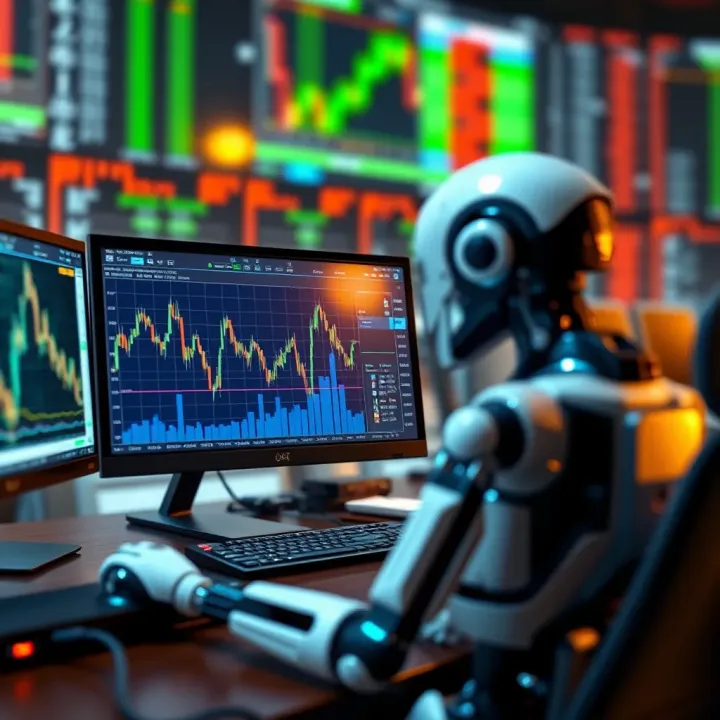
In this article, we'll take a clear look at how these bots work, their advantages, and the risks involved. Whether you're an experienced trader, an investor, or someone curious about automation in trading, this guide aims to give you a straightforward understanding and help you decide if and how to use trading bots effectively in Pakistan's market.
Remember, trading bots aren't a guaranteed way to make money. They’re tools that require knowledge and caution.
We’ll cover:
How trading bots operate under the hood
Key benefits like speed and emotion-free trading
Common pitfalls and risks to watch out for
Tips for selecting and setting up a bot safely
By the end, you should feel more confident navigating the world of automated trading without getting lost in jargon or hype.
In today’s fast-paced financial markets, trading bots play a significant role for many traders, especially those in Pakistan exploring automated methods to manage trades. A trading bot is essentially a software program designed to execute trades automatically based on predefined rules, cutting down human intervention and speeding up processes. This section breaks down the basic concept, showing why trading bots have become popular tools for individuals and institutions alike.
A core appeal of trading bots lies in their ability to work tirelessly—monitoring markets around the clock, spotting opportunities, and placing orders without the delays or emotional slips that often trouble human traders. For example, a local trader in Karachi might use a cryptocurrency bot to keep an eye on Bitcoin price swings all day, capturing small profits from frequent trades without needing to stare at a screen nonstop.
Trading bots automate the buying and selling of assets by following a set of programmed instructions or strategies. This automation means decisions are made instantly when market conditions meet those programmed criteria. Such automation helps avoid the lag between spotting an opportunity and placing a trade, which can be costly in volatile markets.
For practical use, consider a forex trader in Lahore who programs a bot to buy US dollars when the exchange rate falls below a certain threshold and sell when it exceeds another. Once set up, this bot can perform trades nonstop, which would be nearly impossible for an individual to do manually during volatile times.
The key characteristics of this automation include speed, accuracy, and discipline. Bots don’t hesitate or second-guess; they simply act on signal triggers. This removes emotional bias and enhances consistency.
Trading bots interact directly with financial exchanges via APIs (Application Programming Interfaces). These APIs allow the bot to send buy or sell orders, request market data, and manage account balances. When a bot detects conditions that align with its programmed strategy—say, a moving average crossover or a sudden drop in volume—it automatically places an order.
Execution speed is critical here. A bot operating on the Pakistan Stock Exchange (PSX) or Binance’s crypto market can react milliseconds faster than a human, giving it a potential edge. However, bots require careful setting to avoid errors like duplicate orders or placing trades at the wrong price due to lag.
In short, trading bots act like tireless agents, constantly scanning the market and executing trades without emotional hesitation, using fast and direct connections to exchanges.
While algorithmic trading has long been popular among institutional investors in global stock markets, retail traders in Pakistan are slowly adopting bots to trade equities too. Bots here execute strategies like day trading, trend-following, or scalping stocks listed on PSX or international markets like NYSE.
For instance, a trader might set up a bot to monitor volume surges and price breakouts in MCB Bank shares, placing buy orders quickly to capitalize on momentum before the price moves further. Bots here help to stay competitive in rapidly moving stocks, reducing manual efforts.
Cryptocurrency markets are some of the busiest grounds for trading bots. The 24/7 nature of crypto trading makes bots almost essential, especially because manual trading around the clock is impractical.
Popular crypto bots operate on platforms like Binance, Coinbase, and local exchanges such as CoinRevolution. Pakistani traders can program bots to exploit price differences between these exchanges or deploy strategies like grid trading to profit from fluctuating prices. For example, a bot might automatically buy when Ethereum drops 2% and sell after a 3% gain within minutes, a strategy hard for humans to follow rigorously.
Foreign exchange is known for its liquidity and volatility, making it an ideal market for bot-driven strategies. In Pakistan, traders dealing in USD/PKR pairs or other major currencies often lean on bots to place trades based on technical analysis indicators like RSI or MACD.
A bot tailored for forex can process streams of price ticks instantly, deciding to enter or exit positions without delay. This speed is critical when dealing with sharp intra-day currency swings, and bots help minimize losses and capture brief profit windows effectively.
In essence, trading bots have found footholds across various markets, each with its unique dynamics, allowing Pakistan’s traders to harness automation for smarter, faster, and less stressful trading experiences.
Understanding how trading bots operate is key for traders and investors who want to get more from automated trading. Bots don't just blindly execute trades; they use a combination of algorithms and data inputs to make decisions quickly and with minimal human oversight. This section breaks down the core algorithms powering these bots and the types of market data they rely on, giving you a solid grasp of what’s happening behind the scenes.
These are among the most common approaches in trading bots. They work by using mathematical indicators like Moving Averages (MAs), Relative Strength Index (RSI), or Bollinger Bands to analyze price movements and spot potential trade signals. For example, a bot may be programmed to buy when the 50-day MA crosses above the 200-day MA—a classic "golden cross" indicating a possible uptrend. This method helps automate the interpretation of market trends, reducing emotional errors and catching opportunities faster than a human might.
Arbitrage algorithms exploit price differences of the same asset across different markets or exchanges. Say Bitcoin is trading at 50,500 USD on Binance but 50,700 USD on Kraken. A bot using arbitrage can quickly buy on Binance and sell on Kraken, pocketing the spread in the process. This strategy requires speed and low-latency execution because these price gaps vanish in seconds. Traders leveraging arbitrage bots can benefit by capturing profits that would be unrealistic to spot manually.
Market making bots provide liquidity by placing both buy and sell orders around the current market price. Their goal is to capture small profits repeatedly by taking advantage of bid-ask spreads. For instance, a bot might place a buy order slightly below the market price and a sell order slightly above it. By continuously adjusting these orders, the bot can profit from the natural ebb and flow of prices, helping markets stay liquid—which benefits all traders.
Bots rely heavily on up-to-the-second price data to make informed decisions. This data stream comes directly from exchanges, reflecting every trade in real time. Without accurate, timely price feeds, a bot could act on outdated information, resulting in costly mistakes. Traders should ensure their bot is connected to a reliable source—like the APIs provided by Binance or PSX—to avoid delays or missed signals.
Order books show all the current buy and sell orders in the market, ranked by price and quantity. By analyzing this, bots gain insights into market depth and potential price support or resistance levels. For example, a large buy order sitting noticeably below the current price might signal that the market won’t fall much lower, influencing the bot to hold buying trades. Understanding order book dynamics helps bots anticipate short-term movements more effectively.
Beyond real-time data, bots analyze historical patterns to identify recurring behaviors like seasonality, volatility cycles, and price trends. This might involve backtesting strategies on past data to see what worked and what didn’t. A bot might notice that a particular currency pair tends to rise every Monday morning, prompting it to adjust trades accordingly. This mixture of history and live data creates a more balanced and resilient approach.
Effective trading bots aren’t just about speed—they combine smart algorithms with accurate data to make decisions that can keep up with fast-moving markets.
By understanding the nuts and bolts of how these trading bots operate, Pakistani traders can pick and customize bots that align with their goals and risk levels. It also sheds light on why sometimes bots succeed—while at other times, they may falter due to market complexities or data hiccups.
Trading bots have become increasingly popular among traders and investors worldwide, especially in fast-moving markets like cryptocurrencies and forex. The main reason? They offer clear advantages that can make trading more efficient and less stressful. In Pakistan's growing financial scene, where market conditions can fluctuate suddenly, these bots provide a valuable edge. Let's break down what makes trading bots an attractive tool.
Unlike humans, trading bots never take breaks or sleep; they keep an eye on the market all day, every day. This constant vigilance means they can spot price shifts or trade opportunities as soon as they arise—something hardly feasible for traders juggling other responsibilities. For instance, Bitcoin prices can swing drastically overnight. A bot monitoring the market during after-hours can execute trades instantly, preventing missed chances or unexpected losses.
This round-the-clock activity is particularly helpful in Pakistani markets where trading windows for certain assets might be limited or influenced by different time zones due to exchange locations. So even when you’re off work or asleep, your bot is on the job.

When the market moves, timing can mean the difference between profit and loss. Bots act on pre-set rules and algorithms faster than any human can. Imagine spotting a sudden price dip for a stock like Pakistan Telecommunication Company Limited (PTCL). A bot can immediately buy shares at the lower price, shaving seconds off its reaction time compared to manual trading.
This quick trade execution minimizes slippage—the price gap between when an order is placed and when it actually executes—improving overall returns. Faster placement is especially useful in volatile markets, allowing traders to capitalize on momentary arbitrage opportunities.
Human traders often struggle with emotions like fear and greed, resulting in erratic decisions. Trading bots, on the other hand, stick strictly to the strategy programmed into them. This consistency helps avoid knee-jerk reactions such as panic selling during a market dip or chasing losses recklessly.
For example, a bot following a moving average crossover strategy will execute trades only when signals match the pre-defined criteria, regardless of market hype or personal stress. This disciplined approach ensures that actions are always rooted in logic rather than fleeting feelings.
Bots operate purely based on code—no gut feelings or guesses involved. They analyze market data, gauge trends, and execute orders according to a clear set of rules established by the trader. This rule-based mechanism provides transparency and predictability in trades.
By removing subjective judgments, bots help prevent costly mistakes like holding onto losing positions too long or exiting winning trades prematurely. For traders in Pakistan who might be new to the markets or find it hard to resist emotional impulses, these automated checks and balances offer peace of mind.
Automation doesn’t guarantee profits, but using bots helps traders maintain a steady, unbiased approach to the otherwise emotional rollercoaster of trading.
In short, trading bots bring increased speed, unwavering efficiency, and discipline to market operations—advantages that are tough to beat manually. For anyone aiming to trade smarter rather than harder, understanding these benefits is a solid starting place.
Trading bots might seem like a silver bullet for trading efficiency, but they come with their own share of pitfalls. Understanding these risks is vital, especially for traders in Pakistan looking to automate their strategies. If you go in without knowing what could go wrong, you might end up losing more than you bargained for. This section breaks down some common challenges and highlights what you need to keep an eye on to avoid nasty surprises.
Trading bots rely heavily on a steady internet connection and uninterrupted access to exchange APIs. If there's any hiccup—like a dropped connection or a glitch in the exchange's system—the bot might miss critical market signals or fail to execute trades at the right time. For example, imagine your bot is designed to place a stop-loss order if the market dips, but due to a connection dropout, the order never makes it. This can snowball into bigger losses. To avoid such issues, always ensure you have a reliable internet service and consider using bots that can handle reconnection automatically without halting operations.
No software is perfect, and trading bots are no exception. Bugs or logical errors in the code can cause unintended behaviour—like placing trades at the wrong price, ignoring risk limits, or doubling down when it shouldn't. Such errors often arise from rushed coding or inadequate testing. A bot that sends repetitive buy orders due to a coding glitch could empty your account faster than you'd expect. It's wise to pick bots that have strong community support and regular updates, or hire a developer who can review and maintain the bot’s code. Testing your bot with small amounts first is another practical way to catch problems before they affect your funds seriously.
Markets are never completely predictable, and high volatility can throw trading bots off balance. Bots programmed with fixed parameters might not adapt well when prices swing wildly, especially in cryptocurrency markets like Bitcoin or local markets in Pakistan’s equity sector during political unrest. For example, a bot might chase a rapid rally and buy at a market top, only to watch the price plummet moments later. To handle volatility, configure your bot with flexible settings such as dynamic stop-losses or volatility filters. Also, keep a close eye on economic news — sudden announcements can cause market turbulence that bots aren’t always ready to handle.
Overfitting happens when a bot’s strategy is too narrowly tailored to past data, leading it to perform brilliantly in backtests but poorly in live markets. It’s like solving a puzzle that only fits one particular picture; once the market shifts, the strategy falls apart. For example, a bot might use last year’s bullish patterns from Pakistan Stock Exchange data, but fail when conditions change due to new regulations or global shocks. To avoid this trap, diversify your bot’s strategies and regularly update them with fresh data. Continuous testing and tweaking ensure your bot stays relevant, rather than becoming a relic of history.
Being aware of these risks doesn't mean you should avoid bots altogether. Instead, you should approach automated trading with caution, preparation, and regular oversight to make the most of what these tools offer.
Picking the right trading bot is more than just picking software—it’s about finding a tool that fits your trading style, risk appetite, and the markets you want to dive into. A bot that works splendidly for someone flipping cryptocurrency coins might be all wrong for a stock market trader. So, understanding the key elements before settling on one can save heaps of trouble and help you trade smarter.
Trading bots don’t all work everywhere. Some specialize in cryptocurrency exchanges like Binance or Coinbase, while others focus on local stock markets or forex platforms. You need to check if the bot supports the specific markets you’re interested in. For example, if you’re a Pakistan-based trader keen on the Karachi Stock Exchange or crypto trading on international platforms, confirm the bot can connect via API to those exchanges smoothly. Otherwise, you’ll be stuck with limited options or manual trades, defeating the purpose of automation.
A bot that allows you to tweak its strategy settings is golden. Customization means you can adjust parameters such as trade volume, stop-loss levels, or indicators used. This flexibility is crucial because not all trading strategies fit every market condition or your personal risk comfort. Say you prefer a conservative approach; you want to dial down aggressiveness rather than follow a one-size-fits-all script. Look for bots with user-friendly interfaces that let you tailor strategies without needing a master's degree in coding.
Security is a make-or-break deal when dealing with trading bots since they have access to your accounts. Check the bot’s reputation for data protection, use of two-factor authentication, and bucket-spell encryption methods for API keys. It’s worth picking a bot with solid customer reports on secure operations, especially because automated bots can be tempting targets for hackers. Moreover, never give bots withdrawal permissions unless you’re 100% sure; a good bot only needs to trade on your behalf, not move your funds.
User feedback is like having a crowd-sourced testimonial. It gives insights into how well a bot performs across different market conditions and how reliable the company behind it is. For instance, if many users complain about frequent crashes or poor customer support, it’s a red flag. Platforms like Trustpilot or specialized trading forums can offer honest opinions from real traders who’ve walked the path.
Trading bots come with all sorts of pricing models. Some have upfront purchase fees, others use a subscription basis, and a few charge based on trade volume. Be wary of hidden costs such as fees for strategy downloads or extra charges for multiple market connections. For example, Cryptohopper charges monthly subscriptions but includes community strategy sharing, while HaasOnline requires a hefty upfront license. Weigh your budget against how much value the bot offers and the trading frequency you expect.
A strong community around a trading bot signals ongoing development and better resources for troubleshooting. If you hit a snag, support availability matters. Look for bots with active forums, regular updates, and responsive customer service. Bots like 3Commas boast a lively user base and accessible support channels, which can be a lifesaver for beginners or those who want to exchange strategy ideas.
Choosing the right trading bot isn’t about going for the flashiest option but finding one that clicks with your trading goals, offers trustworthy security, and has support you can count on.
Making an informed choice here lays the groundwork for a smoother, safer trading experience, especially important when you're navigating volatile markets like those in Pakistan and beyond.
Setting up and running a trading bot is more than just turning software on and hoping for profits. It’s a critical phase where the theory meets practice. A well-configured bot can save time, reduce errors, and handle multiple trades at lightning speed—benefits that manual trading often struggles to achieve. For traders in Pakistan, where market dynamics and regulations might differ from global standards, getting these details right is key for long-term success.
Proper setup means connecting the bot smoothly with exchanges, picking strategies that suit your trading style, and configuring risk controls that protect your capital during unavoidable market swings. Regularly monitoring performance and updating the bot ensures it keeps pace with evolving market conditions. Without this groundwork, even the most advanced trading bot can quickly turn into a costly mistake.
APIs, or Application Programming Interfaces, act as the communication bridge between your trading bot and the exchange where trades are executed. Setting up API connections correctly lets the bot place orders, check balances, and pull price data in real time without manual intervention.
Every exchange—whether it’s Binance, Kraken, or local platforms supporting Pakistani traders—offers APIs but with slightly different connection steps and limitations. For example, some APIs have rate limits that restrict how often your bot can request data or execute orders. Ignoring these limits can result in failed trades or lockouts.
Always generate API keys with the minimum permissions required for your bot’s function—usually trading and read access without withdrawal rights—to protect your funds. Keeping these keys secure and regularly rotating them also reduces security risks.
Not every trading bot plays well with all exchanges or operating systems. Platform compatibility refers to whether a bot works seamlessly on your chosen device (like Windows, macOS, or Linux) and connects smoothly to your preferred exchanges.
For instance, if you plan to deploy the bot on a home PC, make sure the software supports your OS. Cloud-based bots or those running on VPS (Virtual Private Servers) offer greater uptime and speed, which can be a big advantage.
Also, check for mobile compatibility if monitoring trades on the go is important. Some bots come with dedicated apps or responsive web dashboards for easy oversight.
Choosing the right trading strategy is fundamental. The strategy dictates how and when the bot makes trades and can vary from simple moving average crossovers to complex arbitrage between markets.
Practical advice: test your chosen strategy with historical data to see how it would have performed in Pakistan’s market conditions. For example, a momentum-based strategy might work well during bullish periods on Pakistan Stock Exchange, but may falter in choppy sideways trends.
Many bots allow you to run multiple strategies simultaneously or switch between them based on market signals. This flexibility helps avoid putting all your eggs in one basket.
No strategy guarantees profits, so managing risk is crucial to avoid wiping out your account during sudden downturns. Configure your bot to include stop-loss limits, maximum daily loss caps, and trade size restrictions.
For example, set a rule that the bot won't risk more than 2% of your trading capital on a single trade or pause trading entirely if losses hit a preset threshold. These limits keep losses manageable and protect you from market shocks.
Integrating risk controls doesn’t just guard your funds, but also reduces emotional stress, preventing users from making rash adjustments based on fear or greed.
A bot isn’t a "set and forget" tool. Regularly reviewing performance metrics—like win rate, average profit and loss, and drawdown—gives you an honest picture of how well the bot is doing.
Using the built-in logs and reports most bots provide can help identify if the current strategy is effective or needs tweaking. For instance, if you notice consistent losses during certain hours, you could adjust trading times or parameters.
Active monitoring also helps you quickly spot technical glitches or connection problems before they cost real money.
Remember: The smartest traders learn from their bot’s mistakes and tweak strategies accordingly, rather than blindly trusting automation.
Financial markets evolve rapidly, and so do the tools used to trade them. Developers often push updates to fix bugs, improve strategy algorithms, and adapt to changes in exchange APIs or regulations.
Running outdated software might expose you to security risks or cause malfunctions. Schedule regular checks for software updates, and apply them promptly. Some bots even support auto-update features.
In Pakistan, where regulations and market APIs can change, staying updated is doubly important to maintain smooth bot operation.
Setting up and managing a trading bot may sound technical, but focusing on solid integration, smart configuration, and attentive maintenance turns it into a powerful ally for any trader looking to compete in fast-moving markets.
Understanding the legal and regulatory framework for trading bots in Pakistan is essential for any trader looking to use automation in their trading practices. Without the right compliance, traders risk facing penalties or disruptions that could cripple their operations. This section breaks down the key laws and regulations, focusing on how they apply to automated trading systems and what steps traders should take to stay within the bounds of the law.
The Securities and Exchange Commission of Pakistan (SECP) plays a vital role in regulating automated trading activities on local stock exchanges. While SECP hasn't banned the use of trading bots outright, it requires that any bot-based trading complies with market fairness and transparency principles. This means your bot must not engage in manipulative practices such as spoofing or wash trading.
Operators need to register their trading systems and demonstrate that their automation tools follow the established market rules. For example, if a bot is programmed to execute large orders that could potentially distort the market, SECP might flag this behavior for review. Staying updated with SECP's ongoing guidelines can help traders avoid unintentional rule breaches, which could lead to penalties or bans.
Cryptocurrency trading is a somewhat gray area in Pakistan, but recent moves by the government and financial authorities suggest increasing oversight. The State Bank of Pakistan restricts banks and financial institutions from dealing directly with crypto exchanges, affecting how you might fund your bot-operated accounts.
Traders using bots on crypto platforms should understand that these transactions aren't protected the same way as stock trading under SECP. This means higher risks, and you must audition your bots for strict compliance with exchange terms and basic legal restrictions. Keeping detailed logs and adhering to exchanges' KYC (Know Your Customer) and AML (Anti-Money Laundering) requirements reduces the chances of account suspensions or legal issues.
Traders need to be aware of their reporting obligations when using trading bots, especially in regulated markets. SECP mandates regular disclosures of trading activities for accounts with significant volumes or automated systems in use. These reports typically cover trade volumes, types of strategies used, and any system upgrades or changes.
Timely and accurate reporting can save you headaches down the road, proving that your automation respects the market rules. Neglecting these can result in fines or escalated scrutiny from regulators. Using proper software tools to track and prepare these reports will lighten this administrative load.
When deploying trading bots, especially if you offer services to others or manage accounts on behalf of clients, full transparency on the risks involved is non-negotiable. You should clearly disclose that bots operate based on programmed algorithms and can’t guarantee profits nor predict all market moves.
This practice benefits both parties—it reduces legal liability for you and helps clients make informed decisions about their investments. Standard risk disclaimers often include noting that bots may malfunction due to technical errors or market volatility, and past performance does not ensure future results.
Staying compliant in a market like Pakistan, where rules evolve quickly, requires vigilance and a good understanding of both securities laws and crypto-specific restrictions. Always err on the side of caution and keep thorough documentation of your trading bot's activities.
Register your trading bots with SECP if required
Avoid manipulative trading practices prohibited by law
Keep updated on crypto regulations and bank restrictions
Submit required reports on bot trading activities on time
Provide clear risk disclosures to all stakeholders
Following these guidelines will not only help you avoid legal troubles but also build trust with your fellow traders and clients in the growing Pakistani market.
Using trading bots isn't just about setting them up and forgetting. To really get the most out of them, you need to be actively involved in fine-tuning strategies and keeping tabs on their performance. This section covers practical ways to boost a bot’s effectiveness so it can adapt to changing markets and avoid costly mistakes.
Backtesting is like giving your trading bot a practice run — but instead of rehearsing on fake data, you use past market information to see how the bot's strategy would have performed. This helps you identify which tactics might hold water before risking real money. For example, if you're coding a crypto arbitrage bot, running it against six months of Binance and Coinbase data can reveal if your buy-low, sell-high idea actually nets profit amid market ups and downs. It’s important to backtest over various timeframes and market conditions to avoid surprises.
Backtesting isn’t a guarantee, but it’s a vital step to avoid blindly trusting your strategy in a live market.
Rather than overhauling a bot’s program in one big leap, changes should be small and incremental. This approach lets you track if each tweak—say adjusting stop-loss percentages or tweaking entry signals—actually improves performance. Suppose your initial settings cause the bot to exit trades too early; a stepwise adjustment might slowly relax those exit parameters until you find a better sweet spot. Tracking results after each tweak helps you understand cause and effect rather than guessing what change helped or hurt.
Relying on one bot with a single strategy is like putting all your eggs in one basket. Spreading risk across multiple bots, each with different approaches or targeting different assets, can smooth out losses during tough market conditions. For instance, you might run one bot focused on momentum trading in the Pakistan Stock Exchange while another handles longer-term forex signals. This balance reduces the chance that one bot’s failure wipes out your entire portfolio.
Even within a single bot, using a blend of trading tactics can be more robust than sticking to one. Combining trend-following algorithms with mean reversion strategies provides a kind of hedging inside the bot itself. When trends stall or reverse unexpectedly, having a backup tactic that thrives on market pullbacks can save you from losses. For example, a bot might buy during strong uptrends but switch to scalp trading during sideways moves. This mix can adapt better than pure one-style strategies.
By regularly testing and improving strategies and diversifying both across and within trading bots, traders can aim for steadier results. These practices help tackle the unpredictable nature of markets like Pakistan’s, where sudden policy changes or economic shifts might trip up a single rigid system. Taking care of your trading bot like you would any investment tool is key to harvesting its full potential.
📊 Explore key concepts of trading books, how they're managed, risk factors, and the impact of Pakistani regulations on financial trading insights.

💡 Learn binary trading basics, key risks, and smart tips tailored for Pakistan. Understand options types and trade wisely in your financial market.
📈 Discover how trading graphs work in Pakistan's markets! Learn types, components & tips to read charts for smarter, confident trading decisions.
Learn the basics of CFD trading 📈, understand margin rules 💸, explore strategies, and discover risks to trade smartly in Pakistan's market 🇵🇰.
Based on 11 reviews