

Trading Apps Without Upfront Investment in Pakistan
Discover trading apps in Pakistan that let you trade without an upfront investment 💰. Learn how they work, benefits, risks, and tips for beginners! 📈
Edited By
Liam Foster
Diving into the world of trading can feel like stepping into a crowded market with no map. For many in Pakistan, especially those just starting out, the idea of needing a hefty initial investment can be a big hurdle. But here’s the good news: several trading apps today allow you to kick off without putting your money down first.
These apps open the door wide for aspiring traders and investors by removing that initial barrier. They give you a chance to learn, experiment, and grow your money smarter, rather than just saving it under your mattress.

Throughout this article, we'll explore a handful of these trading apps designed for the Pakistani market. We'll break down how they actually work, what features they pack, and how you can sign up to start trading right away. Plus, we’ll point out the risks you should watch out for—because no investment comes without its quirks.
Whether you’re a seasoned financial analyst or a newbie wondering if trading is your cup of chai, this guide will help you figure out your next steps without the headache of complicated jargon or hidden catch-22s. Ready to hit the ground running without any upfront cash? Let’s get started.
In Pakistan’s fast-evolving financial scene, zero-investment trading apps have gained momentum as an entry point for many aspiring traders. These platforms let users practice or engage in trading without handing over any upfront cash. This is quite a shift, especially for folks who want to get a feel for the markets without risking their pocket money.
Having a solid grip on how these apps operate is key because it helps users separate genuine opportunities from gimmicks. Think of them as a training ground — where novices sharpen their skills and seasoned traders test strategies without financial exposure. For example, someone starting with a demo app on the Pakistan Stock Exchange can experiment with buying and selling shares virtually, understanding market shifts in real time.
Moving beyond the basics, these apps come with their own sets of benefits and limits, which are important to grasp before jumping in. Down the line, the piece will break down different app types, showing which might fit your style and goals best.
No-deposit trading platforms typically provide users with virtual money or credits to simulate real trading. These virtual funds are a kind of sandbox cash, allowing users to enter trades, monitor market reactions, and tweak their approach without the fear of losing real money. For instance, the IQ Option demo account offers $10,000 in virtual funds for practice.
The platforms mimic actual market movements using live or near-live data feeds. This means the experience closely resembles true trading but with zero financial risk. Moreover, they allow users to get familiar with order types like market, limit, and stop-loss, fostering a practical understanding of trading mechanics.
While no-investment apps don’t require money from users upfront, they still need to turn a profit. Many rely on alternative revenue streams such as:
Spread and Commission Fees: On real trades that some apps enable after users switch from demo to live accounts.
Affiliate Marketing: Partnering with brokers or services, earning commissions when users upgrade or buy premium services.
Advertisements: Displaying sponsored content or promotions tailored to trader interests.
Data Services: Some apps sell aggregated, anonymized trading behaviour data to financial firms.
Understanding this helps you spot apps that play fair versus those pushing aggressive upsells or questionable practices.
The biggest plus is clear: zero financial risk. Beginners can learn at their own pace, testing strategies without sweating losses. Also, experienced traders use these apps to try new tactics, minimizing risk while exploring.
On the flip side, the limitations include:
No Real Profits: Earnings in demo mode aren’t actual cash, so emotional stakes aren't the same.
Market Differences: Virtual executions sometimes differ slightly from live trading, especially during volatile periods.
Limited Features: Some no-investment apps might restrict advanced trading options or real-time data, affecting strategy evaluation.
Despite the downsides, these platforms serve as a crucial stepping stone, particularly in Pakistan where exposure to global markets is growing.
These apps simulate full trading environments using virtual funds and realistic market data. New traders can spot patterns, make trades, and understand risks effectively. For example, apps like eToro and IQ Option offer demo modes widely used in Pakistan.
Besides practice, these apps often feature tutorials and easy-to-use interfaces that help make the entry less intimidating. Their value lies in learning without losing money, a factor especially appealing for Pakistan's youth starting their trading journey.
Reward-based platforms give users real incentives like bonuses or points when they complete certain actions or succeed in specific trades, sometimes without initial capital. This could include small cash rewards or access to premium features.
However, it’s important to read the fine print. These rewards often come with caveats such as minimum trading volumes before withdrawal or restrictions tied to specific assets. While they provide a nice boost, these apps can carry more risk due to game-like elements possibly encouraging excessive trading.
Social trading apps blend no-investment trials with community interaction. They let users watch, follow, and copy trades from seasoned investors. Apps like ZuluTrade and eToro allow beginners to get a feel for actual market moves by replicating experienced traders’ choices without risking their own money initially.
This type is particularly handy for those who want to learn by observation but don't have the confidence to trade solo at first. It combines education with potential rewards while taking advantage of crowd wisdom.
Choosing the right zero-investment app depends on your learning style, risk appetite, and trading goals. Whether you prefer hands-on practice, rewards-driven challenges, or social learning, Pakistan’s market offers diverse options to dip your toes without the upfront splash.
When picking a trading app that doesn’t ask for any upfront investment, it's important to keep an eye on certain key features. These characteristics not only shape your overall experience but also help you decide whether the app is reliable and useful for learning or real-time trading practice. For example, a clunky interface can make trading a hassle, while poor security might put your data at risk. Let's dive into the must-have features you should look out for.
A smooth, easy-to-understand interface is a game-changer, especially if you're just starting out. Apps like eToro have clean layouts where you can quickly find your portfolio, market news, and educational resources without wading through confusing menus. Good design means you spend less time figuring out where things are and more time focusing on the trades themselves.
Since most users in Pakistan rely on smartphones for daily tasks, a trading app's mobile experience matters just as much as any desktop version. Look for apps that run well on Android and iOS, considering many affordable phones on the market. Apps like MetaTrader 5 offer fast, well-optimized mobile versions that don’t eat up excessive data or crash under pressure, crucial for on-the-go trading.
No one likes an app that freezes right before a trade! Speed and consistent uptime matter a lot. Apps such as IQ Option have servers optimized to handle large numbers of simultaneous users, minimizing lag that can lead to missed opportunities. You want an app that can keep pace with fast-moving markets without hiccups.
Trading without investment can be daunting, so look for platforms that pair you with solid educational content. Apps like Plus500 and Thinkorswim come with step-by-step tutorials and organize webinars featuring market experts. These resources help you understand strategies without risking real cash and build confidence for when you want to trade live.
When a hiccup happens, it pays to have someone to call or chat with. Reliable apps offer quick customer support through multiple channels — whether it's live chat, email, or phone. For instance, Robinhood offers 24/7 help on certain issues. Check if the app supports Urdu or English and if responses are timely, as delayed support can cost you valuable time.
Getting involved with other traders can boost your learning curve. Many apps foster communities where users share tips, strategies, or even copy trades from experienced investors. eToro is famous for its social trading feature, letting you follow successful traders and learn from their moves—a particularly handy tool in zero-investment scenarios.
Your personal and financial information should be guarded like treasure. The best no-investment trading apps use encryption to protect data from hackers—think of it as a digital lock and key. Also, features like two-factor authentication add another layer of safety, making unauthorized access much harder.
Even if you’re not depositing money, the app still needs to follow local laws and regulations. Look for platforms regulated or at least compliant with Pakistani authorities like the Securities and Exchange Commission of Pakistan (SECP). This boosts trustworthiness and ensures your trading environment is legit.
A robust verification process helps weed out fake accounts and scams. Apps requiring valid CNIC verification or biometric authentication add a layer of credibility. While it might seem tedious, proper verification protects users from fraud and contributes to a healthier trading community overall.
When it comes to zero-investment trading apps, features are not just bells and whistles—they are what make your experience safe, educational, and user-friendly. Always test an app’s features on demo accounts before going all in to see if it matches your trading style and comfort level.
In Pakistan's trading landscape, no-investment apps are catching on fast, especially among those new to markets or looking to practice without risking real money. These apps are crucial because they lower the barrier to entry—you get to explore stock trading or forex without plunking down cash upfront. This hands-on exposure helps users build confidence and understand market dynamics without the fear of losing hard-earned money.
Using these apps wisely can bridge the gap between theory and real experience. For instance, traders can test strategies, learn to read charts, and get a grip on price movements. This practical aspect is invaluable, as it prepares them better when they decide to move to live trading later on.
Demo trading platforms mimic real market environments, offering users virtual money to trade stocks, commodities, or currencies. The key benefit lies in their ability to simulate realistic scenarios. You get charts that update in real-time, order types like market or limit, and access to news feeds that can affect market prices—all without risking actual funds.
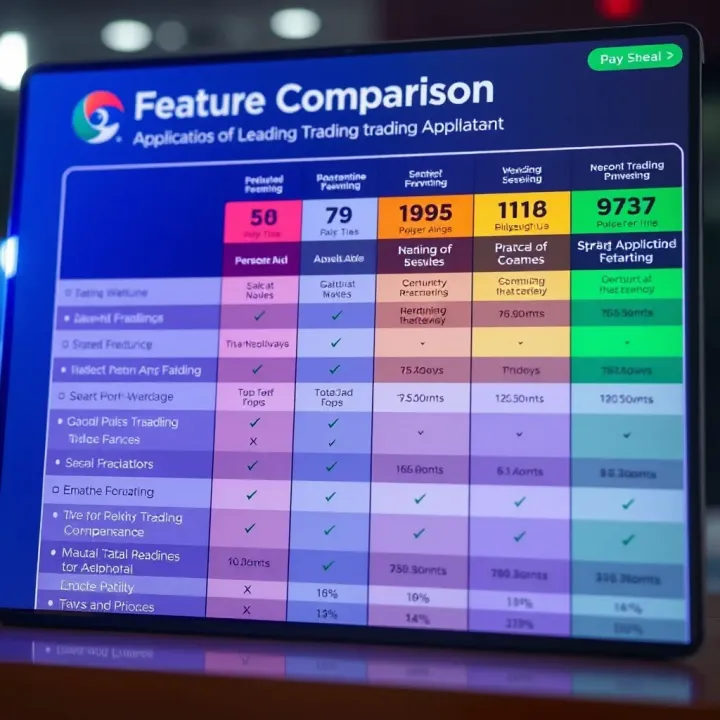
This setup allows traders to try out different approaches and see immediate results of their trades. For example, if a user places a speculative trade based on earnings reports, they can observe the outcome without losing money. It's a safe playground where mistakes become learning points.
Moreover, these platforms usually incorporate educational features, such as tutorials and trade analysis, which enhance the learning curve. These features help users understand why certain trades worked or failed, solidifying foundational trading knowledge.
Several apps stand out in Pakistan's no-investment demo trading space. "InvestMate" is well-known for its user-friendly interface and extensive tutorials tailored to local market conditions. Another popular choice is "Trademo" which offers real-time market data and a variety of instruments including Pakistani stocks, forex, and commodities.
"EasyTrade" also deserves mention—it provides not only a demo environment but also podcasts and webinars focused on market trends and economic factors affecting Pakistan. These localized resources make it easier for new traders to grasp concepts quickly.
Reward-based trading apps in Pakistan offer small incentives, such as cash bonuses or points, when users complete specific tasks like opening trades or inviting friends. For example, apps like "CashTrade" reward users for consistent trading activity or achieving milestone profits within the app's demo or low-stake environments.
Rewards might also come from participating in contests hosted within the app, where top performers win prizes. This gamification motivates beginners to engage more actively and learn faster, turning trading into a more exciting activity.
While rewards sound appealing, it’s important to approach these apps with caution. Some platforms have strict withdrawal conditions or require users to accumulate a minimum reward threshold before cashing out, which might not be realistic for everyone.
Also, focusing too much on rewards can distract from learning the actual mechanics of trading. Users might prioritize quick trades for bonuses instead of practicing careful analysis, which is a risky habit to develop early on.
Another limitation is that some reward-based apps might not provide the depth of market data or realistic trading conditions needed for serious learning. It’s always good to balance reward-driven trading with pure demo practice on more established platforms.
In summary, popular no-investment trading apps in Pakistan offer a practical way to start market trading without financial risk. Demo platforms like InvestMate and Trademo help build skills through real-like practice, while reward-based apps can motivate new users but need to be engaged with thoughtfully.
Trading newbies and seasoned investors alike can benefit if they choose apps aligning with their learning goals and risk appetite.
Starting with a trading app that requires no initial investment is a smart way for beginners in Pakistan to feel the pulse of financial markets without risking any actual money. These platforms offer a low-pressure environment to learn the ropes, understand trading mechanics, and build confidence before moving on to real capital. Whether your goal is to grasp stock movements or dabble in commodities, knowing how to get started properly can save you time and headaches.
Signing up for a no-investment trading app is usually straightforward. After downloading your chosen app—say, a popular one like EasyTrade or InvestPlus—start by entering basic details like your name, email, and phone number. The app generally sends a verification code to ensure you're not a bot or spam account. Following this, you'll be asked to create a secure password and maybe set up two-factor authentication for added security.
Many apps will then offer a brief tutorial to walk you through the main features. It’s a good idea to follow along so you don't miss key capabilities. Remember, the smoother your signup, the faster you start trading without risk.
Even for zero-investment apps, regulatory compliance is important. The Securities and Exchange Commission of Pakistan (SECP) requires identity verification and KYC (Know Your Customer) procedures for financial activities to prevent fraud or illegal transactions. Usually, this involves uploading a photo of your Computerized National Identity Card (CNIC) and sometimes a selfie for biometric comparison.
For example, the app may prompt you to upload your CNIC, after which it cross-checks the details against government databases. This step usually takes a day or two but helps protect you and the platform from fake accounts. Missing or incorrect details can slow down approval, so double-check everything before submitting.
Most no-investment trading apps provide a demo balance, a simulated amount of fake money you can trade with. Think of it as your practice cash—it’s there to help you test strategies without losing anything. For instance, if an app gives you Rs. 100,000 in a demo account, you can try buying shares of Pakistan State Oil or Engro Corporation to see how your decisions would perform in real time.
Using demo balances lets you explore market orders, limits, and stop-loss without stress. Don’t rush; pretend it’s your hard-earned money, so you get serious practice.
One of the trickier parts for beginners is making sense of price charts, volume data, and market trends. Trading apps usually present this info visually through candlestick charts or line graphs. By learning how to read these, you can spot when a stock prices might rise or fall.
For example, if you see a steady increase in trade volume for a company like HBL, combined with upward price movements, that might indicate growing investor interest. Many apps also include news tickers or alerts from sources such as Business Recorder or Dawn, keeping you posted on events affecting the market.
Before you place a trade, setting the right parameters is critical. This includes deciding how many shares you want to buy or sell, at what price, and whether you want to use order types like "market", "limit", or "stop-loss."
Suppose you want to buy 100 shares of Pakistan Petroleum but don't want to pay more than Rs. 200 per share. A limit order lets you set that price cap, so your buy won't execute beyond Rs. 200. A stop-loss order helps protect your investment by automatically selling if the price dips below a level you specify, limiting potential losses.
Starting slow and understanding these settings can make a big difference when you switch to real trading, helping you control risk effectively.
In summary, getting started with no-investment trading apps in Pakistan involves easy account sign-ups, navigating regulatory ID checks, practicing with demo money, interpreting market cues, and smartly setting trade options. Tackling each step carefully sets a solid base for your trading journey.
No-investment trading apps attract many beginners because they offer a risk-free way to practice trading. However, it's important to understand the risks involved even when no real money is at stake. These platforms can come with pitfalls that might cost you valuable time and sometimes even harm your financial perspective if you decide to move to real trading later. Recognizing these risks can save you headaches and help you choose apps that are truly beneficial.
One of the biggest red flags with no-investment trading apps is if a platform pushes you to deposit money immediately or pressures you with nonstop notifications promising huge profits. A legit zero-investment app should focus on education and practice, not on pushing you to fund real trades right away. Watch out for flashy ads that seem too good to be true or apps that demand your personal information upfront without explaining why.
Often, scam platforms display fake reviews or offer unrealistic returns in their demo trading sessions to lure users. For example, some apps might allow users to double their demo money overnight, which doesn’t match real market behavior and creates a false sense of confidence. If an app’s behavior feels fishy, don’t ignore your gut feeling—do some background checks and look for feedback from other Pakistani users.
Before investing your time in any trading app, verify its authenticity carefully. Check if the app is registered with Pakistan's Securities and Exchange Commission (SECP) or adheres to local regulations. Authentic platforms usually provide clear terms and conditions and have transparent privacy policies.
Ask yourself questions like: Is the app listed on official app stores with many genuine reviews? Does it provide proper customer support? Can you find credible information about its company history? Cross-check these details with financial news sources like Dawn Business or reputable trading forums in Pakistan. Being cautious upfront prevents falling victim to fake apps that might steal your data or even your identity.
Demo accounts often give the impression you can earn easy money, but real trading is a different ball game. Demo balances are virtual; losses and gains don’t affect your actual bank account. This means emotions like fear or greed aren’t present in the same way, which are key factors under real market conditions.
For instance, a beginner might win several trades on a demo app and start feeling overly confident, only to face real financial losses online. Such differences are crucial to understand, so you stay realistic about the skills you’re building. Using demo apps is great for learning chart patterns or practicing trades, but it isn't a guarantee of real earnings.
Some no-investment trading apps hook users with the promise of earning rewards or cash bonuses. However, converting those demo rewards into real money often comes with strict rules. Withdrawal conditions might include minimum earning amounts, verification steps, or even trading certain volumes before cashing out.
For example, apps like eToro or IQ Option offer demo accounts but require full verification and minimum deposit amounts to unlock real withdrawals. If you pick an app that claims to offer rewards on zero investment, be sure to read its withdrawal policies carefully. This keeps you from chasing phantom earnings and getting stuck in endless conditions.
Being aware of these common risks helps you navigate no-investment trading apps with clear expectations. Approach these platforms as tools for learning, not quick cash machines, and always do your homework to avoid scams or unwarranted losses.
Starting out with no-investment trading apps can be exciting but also confusing if you're new to the trading game. These tips aim to help beginners get a solid footing, avoid common pitfalls, and truly benefit from these platforms. By focusing on effective practice and staying informed, novice traders can build skills without risking actual money.
Demo accounts are like training wheels for trading. They let you test strategies and get familiar with market moves without the sting of losing real cash. To make the most of a demo account:
Treat it seriously: Act as if the virtual money is real to discipline your decisions.
Try different approaches: Experiment with buy/sell timing and order types to see what works.
Use app features: Many apps offer indicators and charting tools—get comfortable using these.
For instance, if you're exploring forex trading on a platform like "IQ Option", use their demo mode daily to practice reading currency pair charts and making quick decisions until you feel confident.
Keeping an eye on your results helps you spot strengths and weaknesses. Without tracking, you might repeat mistakes or miss what really works.
Maintain a simple log: Record each trade’s details—entry point, exit, profit or loss, and reason for the trade.
Review weekly: Look for patterns in your wins and losses.
Adjust your tactics: If certain trades consistently fail, rethink your approach.
Many apps provide built-in performance summaries. Use these to identify which trading style (day trading, swing trading, etc.) suits you best. Realistically evaluating your progress on demo accounts sets a good foundation for moving to real funds later.
Markets react quickly to news and events, so keeping up is essential. Apps like Bloomberg or Reuters have simplified versions suited for beginners.
Bookmark financial news sources: Regularly check Pakistani stock market updates and global economic headlines.
Understand market reactions: Learn how news like interest rate changes or political developments affect trading.
Use news alerts: Many trading apps allow setting alerts for keywords or market events.
For example, the State Bank of Pakistan's policy decisions often impact the local currency and stock markets. Being aware beforehand can help you position trades wisely in no-investment platforms.
Trading doesn’t happen in isolation. Events worldwide and at home ripple through markets.
Study global influences: Commodity prices, US Federal Reserve announcements, and geopolitical tensions can sway markets.
Follow local happenings: Election outcomes, government policies, and economic indicators in Pakistan affect market sentiment.
Integrate insights: Combine global and local knowledge when analyzing trading opportunities in no-investment apps.
Being mindful of these factors allows beginners to appreciate why markets move and avoid reacting blindly to price swings.
Remember, trading is a skill honed over time. Using no-deposit apps wisely by practicing consistently and staying informed will give you a much better shot at success when you eventually trade real money.
Choosing the right no-investment trading app is vital for anyone starting out or testing the waters of Pakistan’s financial markets. These apps differ widely in how they operate, the features they offer, and how they engage users. By comparing these platforms, you save time, avoid frustration, and increase your chance of success. For example, beginners might prioritize educational tools over flashy features, while seasoned traders may look for robust security and an intuitive interface.
The right app should match your goals and style. Say, if you're looking to practice without pressure, an app with a smooth demo trading experience like EasyMarkets or MetaTrader 5 might work best. On the other hand, if you want to learn while interacting with others, an app offering social trading like eToro could be a better fit. Understanding these differences is key before you commit your time.
Ease of use is the cornerstone for no-investment trading apps, especially for beginners. An app that's clunky or confusing can push users away pretty quick. Look for simple layouts where charts are easy to interpret and placing trades doesn’t feel like solving a puzzle. For instance, apps like IQ Option and Olymp Trade have streamlined interfaces, making navigation a breeze even for new users. Ease of use reduces the learning curve, letting you focus on testing strategies rather than figuring out the app.
Educational content turns an app from just a tool into a learning partner. Good apps in Pakistan often include in-built tutorials, videos, and articles tailored for zero-investment traders. For example, apps like Plus500 offer step-by-step guides that explain market terms and trading techniques clearly. When apps provide real-market lessons, timely market news updates, and interactive sessions, you gain knowledge without spending money elsewhere. It's a smart way to grow confident before risking real cash.
No matter how easy or educational an app is, security is non-negotiable. Pakistani traders should prioritize apps that use strong encryption methods, two-factor authentication, and comply with local regulations enforced by SECP. Apps like MetaTrader 5 and Zerodha Kite put emphasis on protecting your data and wallet. Weak security can expose you to fraud or data theft, which is the last thing you want when you're just starting out.
Reading user reviews gives real insight into whether an app truly delivers. Apps with consistently positive feedback from Pakistani users, especially those mentioning timely withdrawals and fair trade execution, tend to be more trustworthy. Platforms like Stox24 have earned trust by being transparent about fees and providing responsive service. An app’s reputation often reflects its operational honesty and reliability.
Good customer support can make all the difference during unexpected glitches or when questions pop up. Look for apps that offer multiple contact options — like chat, phone, or email — with quick response times. For instance, IG Markets provides 24/7 support in various languages, which can be a lifesaver if you encounter technical issues during trading hours in Pakistan. Strong support turns an average app into a dependable partner.
When comparing apps, remember: the best platform is one that fits your needs, feels comfortable to use, offers solid learning tools, and keeps your information safe. Don't rush; take your time to read reviews, test free demos, and weigh features before making your final pick.
When trading apps promise no upfront investment, it's tempting to jump right in. However, understanding the regulatory landscape in Pakistan is essential. Without proper oversight, users risk falling prey to scams or unregulated platforms that could vanish overnight. Clear regulations help ensure apps operate transparently and protect the interests of traders, especially newcomers who might not spot shady practices.
The Securities and Exchange Commission of Pakistan (SECP) is the primary watchdog overseeing financial markets, including trading platforms. Its role extends to licensing, monitoring, and enforcing rules that maintain market integrity. For example, any app offering stock or commodity trading should ideally have SECP approval. Besides SECP, the State Bank of Pakistan ensures the proper flow of funds, especially for payment gateways within apps. Together, these authorities work to protect users and foster a trustworthy trading environment.
Trading apps must follow strict compliance measures to operate legally. These include Know Your Customer (KYC) verification to prevent money laundering, secure handling of personal data, and reporting suspicious transactions. For instance, when signing up, apps typically ask for national ID cards and utility bills for address proof, ensuring users meet legal standards. Compliance reassures users that their funds and data aren’t at risk, and it prevents fraudsters from exploiting loopholes.
Not all zero-investment trading platforms in Pakistan are legally permitted. Some apps operate in a grey area, offering demo or reward-based trades without explicitly registering with the SECP. This lack of regulation may expose users to risks like unguaranteed returns or delayed payouts. Thus, it's wise to verify if the app has a valid license. Legal apps usually disclose their registration status and follow Pakistan’s financial regulations, giving traders a safer space to gain experience without risking actual money.
Regulations in Pakistan also aim to protect consumers using trading apps. This includes mandating transparency about risks, clear terms for withdrawals, and mechanisms to resolve disputes. For example, app users should find detailed FAQs explaining how bonuses or demo funds work and what limits exist on earnings. Additionally, proper encryption and data security standards protect users’ sensitive information from leaks or hacks. In case issues arise, users can approach SECP or consumer courts for resolution, which is a comfort absent in unregulated platforms.
Navigating the regulatory environment isn’t just legalese—it’s a lifeline for a trader's safety and peace of mind in Pakistan’s growing trading app scene.
By keeping regulatory considerations in mind, traders can choose apps that not only offer no initial investment but also protect their interests with genuine oversight and clear rules.
In Pakistan, the rise of trading platforms that don't require an initial investment is reshaping how many approach the stock market and other financial instruments. These platforms aren't just novelties; they play a real role in democratizing access to trading, especially for younger and financially cautious individuals. Understanding what lies ahead for these apps can help users and developers align their expectations and strategies accordingly.
Young Pakistanis increasingly see no-investment trading apps as gateways into financial markets without risking their hard-earned money. This surge is fueled by widespread smartphone use and familiarization with digital tools. For example, apps like InvestoPad and RoboTrade are rapidly gaining followers because they offer easy-to-use interfaces and free demo trading accounts. This buzz means more youth get hands-on practice, boosting financial literacy and potentially encouraging smarter investment choices down the line.
This trend isn't just about numbers; it encourages financial inclusion, allowing people from different regions to learn and trade independently. Plus, local influencers sharing trading tips on social media platforms help sustain interest and engagement.
Technology is not standing still. Trading apps are evolving by integrating features like real-time data feeds, AI-driven trading signals, and social trading that lets users mimic top traders’ strategies. For instance, Pakistan’s local market leader, EasyTrade App, is embedding AI chatbots to provide instant insights and support, enhancing user experience and confidence.
Advances in mobile technology, such as better connectivity in remote areas and more affordable smartphones, also widen access. These tech improvements support smoother, faster app operation, preventing frustrating lags that might otherwise turn off new traders.
Pakistan’s financial regulatory bodies, primarily the Securities and Exchange Commission of Pakistan (SECP), are consistently adapting rules to keep pace with digital innovations. While this creates a safer trading environment, new regulations could impact how no-investment apps operate — especially regarding user data, KYC (Know Your Customer) procedures, and withdrawal policies.
Current frameworks may tighten to prevent misuse or scams, meaning app developers must stay vigilant and users should be ready for more rigorous verification steps. For example, the recently introduced e-KYC standards could complicate signup processes but ultimately protect traders more effectively.
Volatility is the wild card in any trading environment, even more so in markets where users have little or no capital at stake initially. While demo trading mimics real market conditions, sudden market swings can make the transition to real trading disorienting for beginners.
Apps must therefore educate users about these risks. Platforms like TradeSmart Pakistan incorporate simulated risk alerts and tutorials on handling volatility, helping users adjust expectations realistically rather than getting caught off guard by wild price movements.
Understanding these factors—the growing youth participation, evolving technologies, regulatory shifts, and market fluctuations—can equip users with a clearer picture of what to expect. Staying informed and adaptable will ultimately help traders make the best use of no-investment trading apps within Pakistan's dynamic financial scene.
Discover trading apps in Pakistan that let you trade without an upfront investment 💰. Learn how they work, benefits, risks, and tips for beginners! 📈

Discover trading apps in Pakistan that let you practice trading without investing your own money 💸. Learn features, risks, and tips to start safely 📱.
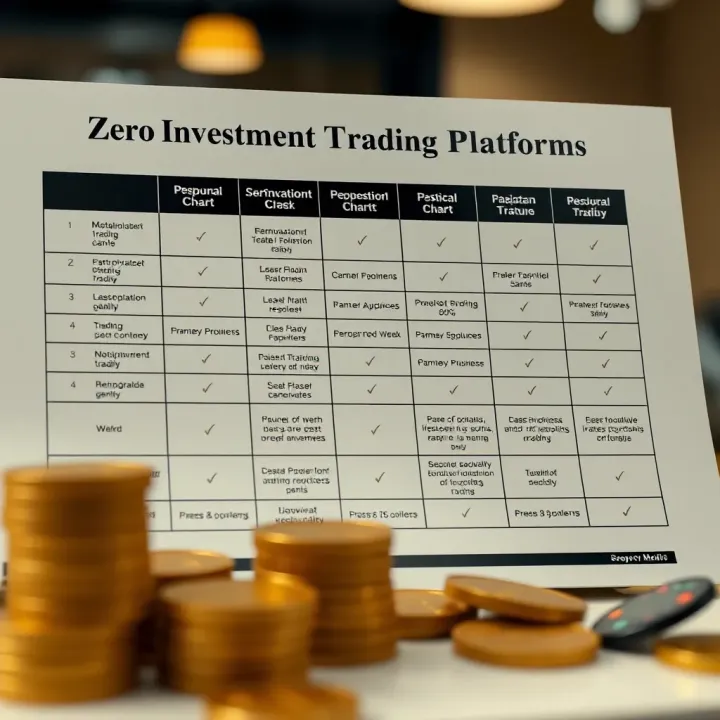
Explore how zero investment trading apps work in Pakistan 📱 Learn to trade smartly with no upfront cost, compare top platforms, and avoid common risks!

📈 Explore the best trading apps for users in Pakistan! Compare features, fees, security, and customer support to pick the right platform for you.
Based on 15 reviews