
How to Start Trading Without Any Initial Money
💹 Discover how to start trading without initial investment in Pakistan! Learn platforms, risks, steps, and tips to trade smartly without upfront cash.
Edited By
Sophie Graham
In Pakistan, where financial literacy is increasingly gaining attention, many people want to understand trading without risking their hard-earned cash right away. Trading apps that don’t require an upfront investment have grown popular because they offer a practical way to learn the ropes before putting real money on the line. These platforms allow users to simulate trading activities, kind of like a flight simulator for pilots, providing a risk-free environment to practice strategies and understand market behavior.
This article aims to cover how these apps work, what features make them useful, and why they have become a go-to choice for beginners and even experienced traders looking to test new moves. Whether you’re an investor looking to brush up on skills, a financial analyst seeking tools for demonstration, or just curious about trading, this guide will break down the essentials.
Grasping the basics through zero-risk trading apps can be a game-saver, especially in markets like Pakistan’s, where direct access to financial education resources can be limited.
We’ll touch on potential pitfalls too because, no matter how safe the environment, understanding risks is key. Finally, practical tips will help you choose the right app so you don’t end up wasting your time or falling for gimmicks. Let’s get started on this straightforward run-through of what you need to know about investing your attention before your money.
Trading apps that don’t require users to put money upfront have become increasingly popular, especially in places like Pakistan where many are curious about trading but hesitant due to financial risks. Understanding these apps is key if you're looking to dip your toes into trading without the fear of losing hard-earned cash. These platforms provide a low-pressure environment to learn the ropes, test strategies, and get a genuine feel for market behavior.
Simply put, these are applications that allow you to practice trading financial assets—stocks, commodities, currencies—without depositing any real money. Instead, you use virtual funds provided by the app for simulated trading. This setup is especially helpful for beginners or those wanting to sharpen their trading skills without exposure to actual financial risk. For example, an app might credit you with $10,000 in virtual money to buy and sell assets exactly like real markets operate, letting you experience market ups and downs firsthand.
The main difference lies in the absence of real financial stakes. Unlike traditional trading apps where you put in your money, these platforms often run on demo accounts or simulation environments. That means no real profits or losses occur, which is a big plus for learners but also a limitation if your goal is to make actual earnings. Some apps also offer rewards or contests that allow you to earn small prizes without investing, which isn’t typical in standard trading platforms. In contrast, real trading apps require deposits, sometimes have minimum amounts, and expose you to genuine market risk.
Most non-investment trading apps operate through simulation or demo modes. Here, market conditions mirror reality: prices fluctuate, orders fill or fail based on market rules, and your portfolio reflects gains or losses accordingly. However, since the funds are fake, the focus is purely on learning and skill-building. Think of it like a flight simulator for pilots—it's not the real deal, but it sure helps you get ready. Apps such as MetaTrader 4 demo or IQ Option demo mode show how this works well.
While actual trading profits aren’t possible here, some apps offer alternative ways to earn. For instance, participating in trading contests or completing educational challenges might earn you bonuses, vouchers, or even real money prizes paid later, often governed by strict terms. These incentives motivate users to engage seriously with the platform. Another example is referral programs where you introduce friends and get rewarded, none requiring your own financial input.
The key takeaway is that these apps serve as training grounds, allowing you to build confidence and understand market mechanics before possibly stepping into real trading with your own funds.
By grasping how these apps fundamentally work, users can make smarter choices in their trading journey and avoid common pitfalls that come with real money trading too soon.
Trading apps that don’t require initial investment come packed with several features designed to mimic real trading experiences without risking actual money. These features not only help users get a hands-on feel for the market but also build important skills before stepping into real trading. Understanding these common features is vital, especially for beginners in Pakistan, who want to familiarize themselves with trading without any financial upfront.
A defining feature of these apps is the demo account paired with virtual funds. This setup lets users trade with fake money that acts like genuine capital. For example, an app may give you PKR 100,000 in virtual money to buy and sell assets like stocks or forex. This allows trading without any financial risk, so you can test your strategies and learn market behavior in a controlled environment.
Virtual funds serve as a sandbox — you can make mistakes without losing a dime.
However, there are limitations. Since you're not trading real money, the stakes are lower, which can affect your psychology. Real markets move on real money and emotions; virtual trading can't replicate the stress or thrill exactly. Also, some apps may simplify order execution or price movements to keep the experience smooth, which isn't how the real market always behaves.
Most of these apps provide educational materials like videos, glossaries, and step-by-step guides. These resources cover key trading concepts such as candlestick patterns, risk management, and market indicators. For instance, apps like Investopedia Simulator also include live webinars and quizzes to reinforce learning.
This robust educational support plays a crucial role in skill development. Users get to understand complex ideas through simple explanations and real examples. Having tutorials at hand ensures that you’re not throwing darts blindfolded but instead learning the ropes systematically—something especially helpful for new traders trying to get their footing.
Many no-investment apps spice up the experience by hosting contests or trading challenges where users compete using their demo accounts. These contests often offer rewards like free courses, gadgets, or even token cash prizes.
The structure is usually straightforward — trade as actively and wisely as you can within a specific period. Leaderboards showcase top performers, which sparks friendly rivalry and motivation. This setup brings an element of excitement and real engagement, making learning less monotonous.
On the community front, these contests build a sense of camaraderie. Traders share tips, chat about strategies, and celebrate wins together. It turns a solo activity into a vibrant, interactive environment, which can be quite encouraging for beginners.
Engaging in competitions without risking money builds confidence and sharpens decision-making skills.
To sum up, demo accounts with virtual funds, educational content, and no-cost contests form the backbone of non-investment trading apps. They provide a safe playground to learn and grow, especially important in Pakistan’s emerging trading scene where hands-on experience is often limited by capital constraints.
Trading apps that allow users to trade without putting real money on the line have several advantages. These platforms offer a hands-on way to grasp market concepts while keeping your wallet safe. Instead of throwing money into unknown waters, you get a chance to learn the ropes in a stress-free environment.
First off, they let you gain experience without the constant fear of losing your hard-earned cash. Imagine testing different strategies and seeing how market moves affect your trades — all with virtual money. This practical trial-and-error process makes it easier to build confidence.
Next, these apps help sharpen your trading skills. They provide real-time market data and simulate conditions close to actual trading, helping you get a grip on how market dynamics shift in response to news or trends. Plus, you can test out your trading strategies without worrying about making costly mistakes.
Lastly, beginners find these apps especially handy because they offer easy access through mobile devices, opening up opportunities for those who might not otherwise step into trading. For many, this lowers the barrier to entry significantly, making the trading world less intimidating.
One of the biggest pluses of these apps is the risk-free practice environment. You get to play around with virtual funds, mimicking real trades without any chance of financial harm. This setup is crucial, especially for newcomers who often hesitate to start because of the steep risks involved.
Imagine a newbie trader in Karachi who's curious about forex but nervous to commit real money. Using an app like IQ Option's demo mode, they can experiment with buying and selling currencies, getting a feel for price fluctuations, and understanding order types — all without touching their bank account.
This trial zone encourages learning by doing, lets you face market volatility, and teaches patience and discipline in a controlled setting. When the time comes to move to real trading, you've already built a foundation without the typical financial bruises.
Understanding market dynamics is often the starting point for successful trading. Non-investment apps provide real-time charts, price updates, and news feeds, which help users understand how global events and market sentiment shape asset prices.
For example, when the State Bank of Pakistan announces a policy rate change, you can observe its impact on the Pakistani Rupee against the US Dollar without risking money. Watching these patterns over time enhances your market sense and timing.
Testing strategies safely is another crucial benefit. Say you want to try out a day trading plan or use moving averages to spot entry points; practice accounts let you execute these tactics repeatedly. This safe testing ground helps avoid the costly errors common in early stages of real trading.
Moreover, not all strategies perform well under live conditions — some may look good on paper but fail in practice. Trading apps with virtual funds give you feedback on what works, so you can refine your approach before committing actual cash.
The lower barrier to entry is a game-changer for new traders. Most traditional trading setups need an initial deposit, sometimes quite hefty. But with apps like eToro or Plus500 offering free demo accounts, anyone with a smartphone can dip their toes into the market.
This convenience removes common hurdles like financial risk and complicated account setups. Plus, many of these apps come with user-friendly interfaces that are easy to navigate, which encourages more people to get involved.
Speaking of convenience, mobile access keeps things flexible. Whether you're in Lahore's bustling streets or a quieter town like Abbottabad, you can open the app on your phone whenever you fancy practicing trades.
This anytime, anywhere access means learning doesn’t have to wait for a desktop or a special setup. It fits into your life—not the other way around. Young professionals, students, or anyone curious can fit trading practice into their daily routine—say during a commute or lunch break.
Using these no-investment trading apps equips you with practical skills and market confidence in a way that textbooks alone cannot, making it a smart stepping stone into the trading world.
While trading apps that don't require initial investment offer a risk-free way to learn and practice, it's important to recognize their drawbacks. These limitations can affect how well you prepare for real trading and shape your expectations. Being aware of them helps avoid common pitfalls, such as overconfidence or misunderstanding how markets actually work.
Trading without putting your own money on the line changes how you approach decisions and risk. Without real financial consequences, the emotional reactions that come with actual investment—like fear, greed, or hesitation—don’t kick in as strongly.
When you’re trading with virtual money, it’s easy to take risks you wouldn’t dare in real life. This disconnect means learners might miss out on developing discipline and proper risk management strategies. For example, a newbie might enter multiple trades impulsively, knowing there’s no real loss. That's not the kind of mindset you want when real money is involved.

Another point is how markets behave in simulations versus reality. Some apps simulate smooth and ideal trades without reflecting sudden price spikes or liquidity issues. This can lull users into thinking trading is simpler than it really is. In real markets, slippage or transaction delays could wipe out profits quickly, which demo versions rarely show.
When you don’t invest money upfront, the chances to make significant returns are limited or sometimes non-existent. It’s not just about profits—many non-investment apps restrict how you can monetize your trading skills.
Most of these platforms reward users with points, badges, or small prizes instead of actual money. For example, you might join a contest that lets you win a free subscription or access to advanced tools, but direct cash rewards are rare. This setup is common because providers need to keep risks low and comply with regulations.
Some apps try to keep you engaged by offering referral bonuses or in-app purchases for premium features. While these can add some earning potential, they often require you to spend real money eventually to unlock full benefits. Knowing this helps set realistic goals so you’re not expecting a payday simply by playing with demo funds.
Many beginner-friendly trading apps focus on ease of use, but that can come at a cost—missing the real intricacies of market trading.
Tools like stop-loss orders, margin trading, or understanding order books might be absent or simplified. For example, an app might not show how sudden news affects market volatility or how broker fees impact profitability. Without grasping these factors, traders may feel poorly prepared for real market conditions.
Because everything in these apps appears straightforward, users might develop a false sense of skill. This misplaced confidence can lead to reckless decisions when moving to real trading. A practical way around this is to combine demo trading with studying real market news and practicing small real trades once ready.
Remember, no app can fully replicate the tension and complexity of real trading. Use these platforms as stepping stones, not as a crystal ball for guaranteed success.
Understanding these downsides means you can approach non-investment trading apps with eyes wide open—learning smartly without getting blindsided when real money is on the line.
Choosing the right trading app without investment is more than just picking the one with the flashiest interface or highest download numbers. It’s about digging into the specifics that matter – how trustworthy the app is, what exactly it promises, and whether it really equips you to learn and practice trading effectively. In Pakistan, where new traders are often cautious about dipping toes into financial markets, evaluating these apps carefully can save a lot of hassle and disappointment.
When evaluating these apps, the key considerations break down into three main areas: reputation and user reviews, transparency of terms and conditions, and the quality of educational content. Each area offers practical clues about what to expect from an app before you start relying on it for your trading practice.
Credibility is a cornerstone. Apps with a solid reputation usually show it in their user base size, years of operation, and partnerships with well-known financial institutions. It’s worth scanning forums, social media, and app stores to see what current users say — specifically, watch out for consistent complaints about withdrawal issues or unexpected charges. For example, if multiple users complain that the supposedly 'free' app asks for money before you can cash out rewards, that’s a red flag.
Community feedback provides real-world insights beyond polished marketing. Engaging with comments reveals how responsive the app’s support is and whether updates fix past bugs. Some Pakistani traders share experiences on platforms like Facebook trading groups or local forums — these shared stories can uncover hidden strengths or risks. Always pay attention to responses from the app team in reviews; active communication often signals reliability.
Often, trading apps without investment offer rewards in the form of points, virtual currency, or sometimes even actual money. But the fine print usually governs when and how you can withdraw these earnings. Clear terms will state minimum withdrawal amounts, required verification steps, and any time delays. An app that openly provides this info upfront prevents nasty surprises down the road.
Hidden traps come in many forms — from auto-renewing premium plans to restrictions that make withdrawing winnings nearly impossible. Look out for jargon or vague clauses buried in the terms and condition that suggest limitations on your activities or earnings. For instance, some apps may allow earning but restrict withdrawals to only when you upgrade to a paid account. Spotting these early will save time and frustration.
Always take the time to read the small print, as it’s usually where the devil hides.
A trading app’s real value often lies in how much it teaches. Quality content goes beyond surface-level tips and equips you with solid understandings — like risk management, technical indicators, and market psychology. The best apps update their tutorials to match current market trends, helping users stay relevant rather than stuck with outdated info.
In Pakistan, language can be a barrier. An app that offers local language options or at least clear, straightforward English makes a big difference. Accessibility also means the content should be easy to understand for beginners, yet rich enough to engage intermediate users. Visual aids, quizzes, and interactive lessons help embed knowledge rather than just passive reading.
Taking the time to evaluate these factors carefully will help you avoid apps that might look good on the surface but don’t offer real learning or fair treatment. Instead, you’ll land with tools that genuinely prepare you for real trading when the time is right.
When it comes to picking a trading app that doesn’t require you to put your money on the line upfront, it’s important to consider what’s actually available and relevant for Pakistani users. These apps provide a smart way to learn the ropes, get hands-on practice, and build confidence before diving into actual investments. Because Pakistan's trading scene is unique—with local regulations, market specifics, and user needs—it helps to focus on platforms that cater directly to this audience.
A top priority in these apps is a solid demo trading feature. This means you get a risk-free playground where you can simulate trades with virtual money. You’ll want an app where the demo environment mirrors real market conditions closely, including up-to-date prices, order types, and market volatility. This helps you learn timing, develop strategies, and understand how orders are executed—all without the stress of losing real cash.
The importance here is straightforward: if you can’t test your trading skills in a realistic way, you’re missing the point of these non-investment apps. Make sure the app doesn't just throw around fake numbers but offers a dynamic simulation that feels like the actual market.
Beyond demo features, local market access matters a great deal, especially for Pakistani traders who want exposure to the Pakistan Stock Exchange (PSX) or regional commodities and currencies. Many global trading apps focus only on international stocks or crypto, which might not align with your priorities.
An app with local market access lets you practice trading on familiar securities or currency pairs. It also helps you stay in tune with domestic economic news, regulations, and trends that directly impact your opportunities. This local focus can improve your understanding of Pakistan's financial environment and prepare you better for real-world trading here.
Bazaar App: Known for its user-friendly interface, Bazaar offers a demo account with virtual funds and real-time access to Pakistan Stock Exchange data. This app is a strong option for beginners who want hands-on experience trading local equities.
InvestMax: Although newer, InvestMax focuses on educational content alongside demo trading. It includes curated tutorials and market insights tailored for Pakistani users, blending practice with learning.
KTrade: KTrade offers a straightforward demo trading platform with local market instruments. It also integrates news updates related to Pakistan’s economy, helping users stay informed while practicing.
Choosing apps like those mentioned offers several advantages:
Localized market data and instruments: This means your strategies can be tuned specifically for Pakistani stocks or forex pairs, making practice more relevant.
Educational support from a local angle: Learning materials that consider Pakistan’s trading rules, taxation, and cultural nuances enhance your preparation.
Ease of transition to real trading: Once comfortable, you can switch to actual trading within the same platform, reducing the learning curve and tech headaches.
Community engagement: Local user bases mean you can connect with fellow Pakistani traders, join contests, and share tips, adding a social dimension to your learning.
When selecting a trading app for non-investment trading in Pakistan, aim for tools that don't just flash pretty graphs but deliver practical, region-specific features. This approach lays a strong foundation before handling real money.
Overall, trading apps suited for Pakistani users that offer no-investment options are not just a luxury—they're a gateway to smarter, safer trading for beginners and a testing ground for veterans honing new strategies.
Getting started with a trading app that doesn’t require you to put your own money on the line can feel both exciting and a bit overwhelming. To make the most out of these platforms, you need a clear approach that balances learning with practical experience. This section focuses on actionable tips that'll help you build a strong foundation without risking real cash.
When you first dive into trading apps without investment, it's easy to get caught up dreaming about big profits. But it's crucial to set learning targets first rather than focusing solely on making money. Think of this phase as training wheels — your goal is to get comfortable with how the market works, understand jargon, and test different strategies without pressure.
For example, instead of aiming for a specific profit percentage, try to master how to read price charts or how to place different types of trades within a month. This mindset keeps frustration at bay and creates a steady learning curve. Over time, as your skills sharpen, you can gradually adjust your goals toward realistic profit expectations based on your growing understanding.
Consistency is the key to getting better at anything, and trading is no different. Try to schedule regular trading sessions on your app to simulate real market conditions. Even 15 to 30 minutes daily can make a huge difference in building your instincts and familiarity with the platform.
Setting a fixed time each day, say right after breakfast or before going to bed, helps make trading practice a habit. Remember, markets can be volatile, so practicing across different times also gives a clearer picture of various market behaviors. Over weeks, these small but steady practice sessions contribute to faster learning and confidence.
Most trading apps without investment come packed with educational materials — from video tutorials to articles and sometimes even live webinars. Make sure you dive into these resources. They explain concepts and strategies that can save you from common newbie mistakes.
On top of that, don't hesitate to reach out to the app’s community features if available. Many platforms have forums or chat groups where traders share tips, experiences, and even mistakes. Engaging in these communities gives you practical insights and encouragement. For instance, exchanging ideas in a WhatsApp group or commenting on app forums can highlight real issues and solutions beyond textbooks.
Remember, trading apps without initial investment offer a risk-free playground. Use this chance to learn actively, practice discipline, and gain insights from others before stepping into real trading.
By setting practical goals, sticking to a consistent practice schedule, and exploiting all educational and social features, you’ll be far better prepared to transition into real trading when the time feels right.
Transitioning from a demo trading app to real-world trading is a big step for any trader, especially those starting without investing upfront. This phase is crucial because the shift involves moving from a risk-free practice environment to one where actual money is at stake. Understanding when and how to make this transition helps in avoiding unnecessary losses and builds confidence to face real market volatility. The goal is to ensure that the skills and strategies you've honed with virtual funds can translate effectively in actual trading.
Knowing when to invest real money depends largely on your readiness and confidence. It's not just about feeling lucky after a few good trades on a simulator. You need to assess if you've truly grasped market dynamics and can manage losses without panic. For example, if you've practiced consistently for several weeks and your strategies have held up across different market conditions, that's a good sign. Additionally, consider your emotional response; if you're calm and methodical, not impulsive or anxious, it indicates a level of maturity needed for real trading.
A practical way to test this is to set measurable goals such as maintaining a certain percentage of profitable trades or effectively following stop-loss rules during your simulations. Once these targets are met reliably, you might be ready to invest small amounts. Remember, confidence should be grounded in knowledge and practice, not overconfidence.
Strategies to protect capital are essential when you start trading with real money. One of the common techniques is to use stop-loss orders, which automatically sell a trade if the price moves against you beyond a certain point, limiting potential losses. For instance, if you buy a stock at 100 PKR, you might set a stop-loss at 95 PKR to cut losses if the market turns.
Diversification is another strategy; spreading your investments across different assets reduces the impact of a poor-performing trade. Additionally, keeping a trading journal where you document every trade, your reasonings, and outcomes helps identify mistakes and improve decision making.
Starting small and gradually increasing your trading size is a wise approach that keeps your risks manageable. Jumping in with a large sum after demo trading success is tempting but dangerous. Begin with an amount you can afford to lose without stress—say 5,000 to 10,000 PKR. As your experience grows and you develop a consistent profit record, you can scale up. This method also helps you adjust emotionally to real trading pressures which differ significantly from simulated environments.
Taking small but steady steps into real trading builds discipline and protects your capital while you gain genuine market experience.
By respecting these practical steps, novice traders in Pakistan can transition smoothly from no-investment trading apps to participating in actual markets with greater confidence and fewer shocks.
When dealing with trading apps, especially those that don’t require an upfront investment, knowing the regulatory environment in Pakistan is more than just good practice—it’s essential. The rules set by financial authorities directly affect how these apps operate, what protections users have, and the overall trustworthiness of such platforms. Ignoring these regulations could lead to unintentional involvement with unlicensed or fraudulent services, which might not only cost time but could also pose legal risks.
By understanding Pakistan’s regulatory landscape, traders and investors can make better-informed decisions, avoid scams, and ensure their funds and personal information are as safeguarded as possible. For example, apps regulated under the Securities and Exchange Commission of Pakistan (SECP) are generally more reliable because they follow a clear set of guidelines to protect the users. This section explains these key considerations to help users navigate safely.
In Pakistan, the Securities and Exchange Commission of Pakistan (SECP) is the main authority overseeing financial activities that include trading practices. They’ve set up specific rules concerning brokerage services, trading platforms, and related financial products to ensure fair play and protect investors. For apps offering trading without requiring money upfront, these rules still apply to a degree, especially when users transition to real-money trading.
A key point here is that any platform facilitating trading or financial transactions must be registered or licensed with SECP. This registration helps verify the legitimacy of the app. Beyond licensing, the SECP enforces transparency in how platforms display fees, risks, and terms of service, so users aren’t caught off guard later.
For example, apps like IG or eToro, which offer demo accounts and practice trading, comply with international and local regulations by clearly separating simulated trading from real trading environments. Regular check-ups and audits by regulatory bodies ensure these platforms don’t mislead users into thinking they’re dealing with real money when they are not.
Knowing the rules means you’re less likely to fall into traps. It’s like having a map while walking through a maze.
Non-investment trading apps usually operate in a grey area when it comes to regulation because they don’t handle users’ actual funds initially. However, compliance and user protection laws still apply. The SECP encourages transparency in how these apps present their terms, ensuring users know when they’re dealing with virtual funds or real capital.
User protections include straightforward disclosure of risks, clear rules on contests or rewards systems, and mechanisms to prevent misuse of personal data. For instance, apps must get user consent before collecting data and provide a secure environment to avoid breaches. These legal requirements are enforced under Pakistan’s data protection and cybercrime laws, which intersect with financial regulation.
Furthermore, some apps might promise earning opportunities without investing money. SECP guidelines require these apps to clearly state the conditions under which users can earn or withdraw rewards, ensuring no false promises are made.
In practice, Pakistani users should:
Verify if the app is listed or recognized by SECP
Check for clear terms regarding earning and withdrawal
Ensure there is a transparent privacy policy protecting their data
Avoid apps that make exaggerated or unrealistic profit claims without clear backing
By understanding these legal aspects, users can confidently try out trading apps without investment, knowing they’re shielded from common pitfalls and scams.
Trading apps that don’t need any initial investment often spark a lot of questions among new traders and curious investors. This section addresses these common concerns. Clearing up misunderstandings helps users make smart choices and sets proper expectations about what these apps can and can’t do.
People often want to know if they can really make money without putting in their own cash, if these apps are trustworthy, and how long they should practice before jumping into real trading. By breaking down these questions with clear answers and examples, this part guides users in navigating the non-investment trading landscape with confidence and caution.
It’s tempting to think you can simply open an app, press a few buttons, and get paid without any personal risk. But the truth is more nuanced. Most trading apps that don’t require upfront investment focus on education and skill-building rather than direct income. While some apps run trading contests or reward leaderboards with prizes, these are exceptions rather than a steady paycheck.
For example, a Pakistani trader might use an app like eToro’s demo mode or IQ Option’s practice account to hone skills, but not expect to earn profits until real money is invested. You need to see these platforms as learning tools first, not quick-profit machines.
Some platforms offer small incentives like referral bonuses or cash rewards for engaging in contests. Others may allow users to compete in trading simulations with prizes. But these earnings typically come with strings attached, such as minimum withdrawal limits or specific conditions that can be tricky to meet.
Here’s a quick look at common earning methods without investment:
Leaderboard contests: Users with top virtual trading results win real prizes.
Referral programs: Inviting friends can lead to small bonuses.
Ad-supported rewards: Some apps might give in-app credits redeemable for perks.
A practical tip: Always read the fine print. Some apps advertise easy earnings but have withdrawal hurdles that mean hard cash isn’t so easy to get.
Safety is understandably a big concern. While using demo or simulated accounts involves no actual financial risk, there are other risks to watch out for:
Data privacy: Some apps might harvest personal info excessively.
Hidden fees: Even with no upfront investment, hidden charges might appear later.
Scams: Beware apps promising guaranteed profits without effort.
To stay safe:
Stick to well-known apps with positive user reviews.
Check if the app complies with Pakistan’s regulatory standards.
Avoid providing unnecessary personal info.
Be skeptical of “too good to be true” offers.
Always remember, if an app pressures you to pay or invest quickly, it’s a red flag.
There’s no one-size-fits-all answer here, but a sensible rule is to keep practicing until:
You consistently make profitable trades in the demo environment.
You understand how market fluctuations affect your positions.
You’ve tested different strategies and know your risk tolerance.
For absolute beginners, this could take 3 to 6 months of regular practice. For those with prior experience in finance or investing, a shorter period—maybe a few weeks—might suffice.
It’s better to err on the side of caution. Jumping into real trading too quickly, without sufficient practice, can lead to unnecessary losses. Start small when you do invest, and gradually increase your stake as your confidence and skills grow.
In short, patience and steady learning are key to making the transition from virtual to real money trading successful.
By addressing these common concerns in plain terms, users can approach non-investment trading apps with a clearer head and smarter expectations. This ultimately sets them up for a better experience, whether just practicing or eventually trading with real money.
💹 Discover how to start trading without initial investment in Pakistan! Learn platforms, risks, steps, and tips to trade smartly without upfront cash.
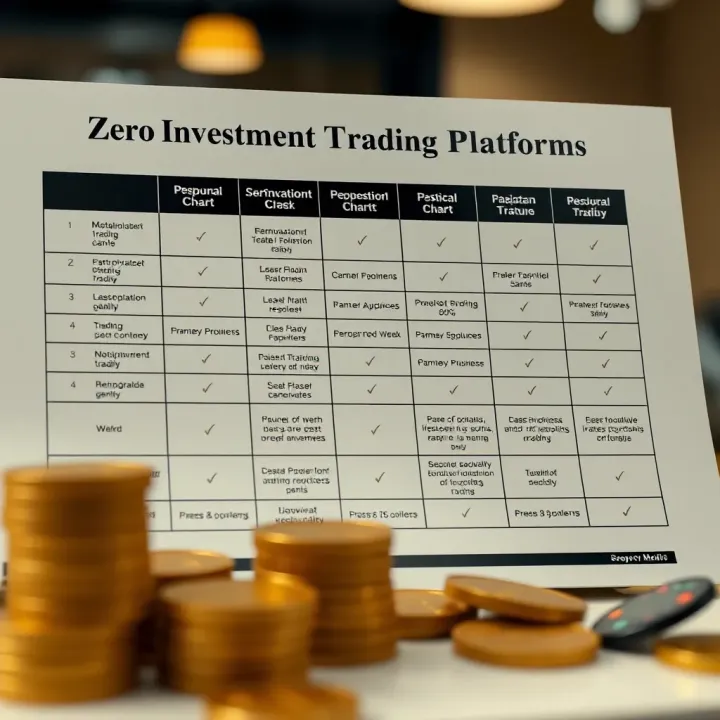
Explore how zero investment trading apps work in Pakistan 📱 Learn to trade smartly with no upfront cost, compare top platforms, and avoid common risks!
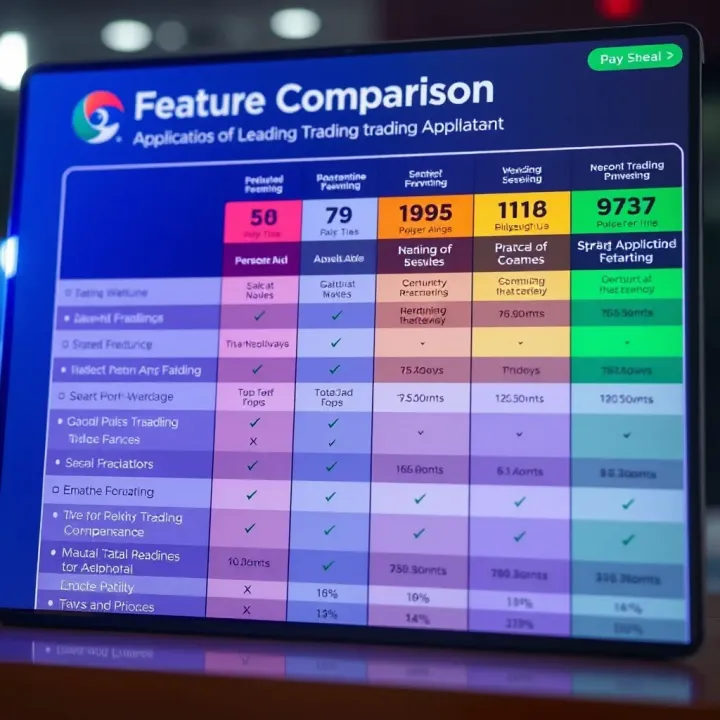
Discover the best trading apps in Pakistan 🏦 that require no initial investment ✨. Learn how to start, compare features, and trade wisely today!

Explore the best trading apps worldwide ✅ tailored for Pakistani traders 📱. Discover top features, security tips, and tools for seamless online trading 💹.
Based on 9 reviews