
Atom Price Prediction: Market Trends & Analysis
🔍 Explore detailed Atom price predictions with market trends, tech analysis, and key factors shaping Cosmos cryptocurrency's future value in Pakistan's market.
Edited By
Olivia Watson
Bitcoin (BTC) continues to capture the attention of investors and traders in Pakistan and worldwide. Understanding its current market position requires looking beyond price alone. Today, Bitcoin’s value is influenced by a combination of technical signals, global economic events, and local factors like regulatory developments and accessibility through Pakistani exchanges.
BTC’s price has shown mixed movements recently amid renewed volatility. On 4 April 2024, Bitcoin hovered around $28,500, reflecting a sideways trend after strong gains earlier this year. Key technical indicators like the Relative Strength Index (RSI) near 55 suggest a balanced market with neither strong buying nor selling pressure.
Traders should watch for Bitcoin’s support level near $27,800 and resistance at $29,200, since breaking either could set the direction for the next leg up or down.
Moving Averages: The 50-day moving average remains above the 200-day, signalling a bullish trend but with narrowing gaps.
Volume: Trading volume in Pakistani rupee (PKR) terms has remained steady, supported by platforms like Binance Pakistan and local OTC desks.
On-chain Metrics: Active addresses and transaction volume show modest growth, indicating steady user interest rather than speculative spikes.
Regulatory Situation: While Pakistan’s State Bank has yet to formalise clear crypto regulation, renewed discussions around legalising digital assets may boost market confidence.
Payment Channels: Integration with Easypaisa and JazzCash has facilitated easier Bitcoin purchases, expanding retail participation.
Market Sentiment: Social media chatter and forum discussions reveal cautious optimism, especially among younger investors watching global macro trends.
To navigate this environment, investors should combine technical analysis with close monitoring of local policy updates and global economic signals like Federal Reserve rate decisions or geopolitical tensions that can sway crypto markets.
Using this approach will help traders and investors in Pakistan make more informed choices about entering or adjusting positions in Bitcoin today.
Understanding Bitcoin’s current market status is key for investors and traders alike. It provides a snapshot of where Bitcoin stands right now, helping you make informed decisions about buying, selling, or holding. The market status includes price movements, trading volumes, and how Bitcoin compares with its recent past. These elements reflect market confidence and potential future trends.
Bitcoin’s price today has seen modest fluctuations, hovering around Rs 6,500,000, with trading volumes rising slightly compared to previous days. Volume trends act as a pulse check on market enthusiasm—higher volumes often suggest stronger conviction behind price moves. For example, a sudden spike in volume accompanied by a price jump typically means buyers are eager, while low volumes in a price rally could hint at hesitation.
In Pakistan, platforms like Binance and OKX have reported increased local trading activity today, signalling growing interest despite regulatory uncertainties. This rise in trading volumes may also reflect short-term traders reacting to global cues, such as recent shifts in US Federal Reserve policies or tensions in international markets.
When comparing today’s session with the last few days, Bitcoin’s price shows a slight uptrend after a period of sideways consolidation. Over the past week, prices had settled between Rs 6,200,000 and Rs 6,400,000, but today's move above Rs 6,500,000 indicates renewed buying strength.
Volume patterns support this observation; previous sessions had subdued volumes, suggesting market participants were waiting for clearer signals. Today’s increased activity could mark a turning point. This contrasts with earlier in the month, when sell-offs triggered sharper price drops with heavy volumes, reflecting panic selling.
Keeping an eye on how today’s price and volume compare with recent sessions helps identify momentum shifts and potential entry or exit points.
Overall, this overview helps Pakistani investors and traders grasp Bitcoin’s immediate outlook, aligning decision-making with real market behaviour. Staying updated with these trends supports smarter trading strategies and better risk management in an ever-changing crypto market.
Technical indicators serve as essential tools that help traders and investors understand Bitcoin’s current market movements with more clarity. They simplify complex market data into actionable signals, making it easier to assess momentum, trend direction, and potential turning points. Rather than relying solely on price charts, these indicators provide a more dependable lens through which to interpret market behaviour, especially in the fast-moving crypto world.
Support and resistance levels mark crucial price points where Bitcoin tends to pause, reverse, or break its course. A support level acts like a floor that price usually does not dip below for long, while a resistance level acts as a ceiling that holds price from rising higher. For instance, if Bitcoin repeatedly tests Rs 4,500,000 and bounces back, this price acts as a strong support. Traders watch these zones closely because a breach can signal significant price moves. Breaking through resistance may indicate bullish momentum, while falling below support could signal more selling pressure ahead.
Moving averages smooth out price data to highlight trends over specific periods. Commonly, traders use the 50-day and 200-day moving averages for Bitcoin. When the shorter-term 50-day crosses above the 200-day, it’s often called a "golden cross," signalling bullish momentum. Conversely, a "death cross," when the 50-day dips below the 200-day, indicates bearish trends. In Pakistan’s volatile market conditions, these trend signals help investors avoid chasing sudden spikes or panics. For example, during recent price turbulence, the 50-day moving average acted as dynamic support near Rs 4,600,000.
Volume confirms the strength behind price moves. Rising prices with increasing volume suggest solid buying interest, while rising prices on low volume might forewarn an unsustainable move. Momentum indicators like the Relative Strength Index (RSI) tell us if Bitcoin is overbought or oversold. An RSI above 70 often signals overbought conditions, meaning a price correction could be near, whereas below 30 indicates oversold, a potential buying opportunity. For example, in late February, Bitcoin showed an RSI close to 75 alongside high volume, warning traders of an upcoming pullback.
Understanding these technical indicators together paints a clearer picture of market dynamics and helps investors make smarter, measured decisions. While none guarantee certainty, combining support-resistance zones, moving averages, volumes, and momentum signals can reduce guesswork in Bitcoin trading today.
By watching these indicators regularly, traders in Pakistan can better align their strategies with market forces and stay alert to potential trend reversals or breakout opportunities.
Bitcoin's price often reflects the wider economic climate and regulatory shifts worldwide. For example, when inflation rises in major economies like the US or EU, investors may turn to Bitcoin as a hedge, pushing its price up. Conversely, tighter regulations, such as stricter know-your-customer (KYC) or anti-money laundering (AML) rules, can slow down trading activity and weigh on prices. The recent regulatory updates in China, where crypto transactions faced bans, led to notable dips in Bitcoin’s value before some recovery occurred. For Pakistani investors, global monetary policies and decisions made by agencies like the US Federal Reserve can impact the rupee-dollar exchange rate, indirectly affecting Bitcoin’s local demand.
Market mood plays a big role in Bitcoin's fluctuating price. Fear or optimism among traders often drives rapid buying or selling. For instance, when influential figures endorse Bitcoin or large companies announce crypto adoption, the positive sentiment can spark rallies. However, panic selling during negative news can cause sharp drops. Pakistani investors are also affected by local sentiment, particularly during periods of economic uncertainty or high inflation. Tracking sentiment indicators like the Fear & Greed Index helps traders anticipate short-term movements and decide when to enter or exit positions.
News headlines and social media buzz greatly influence Bitcoin’s price swings. Announcements about technological upgrades, large-scale hacks, or government bans tend to cause immediate reactions in the market. Social platforms such as Twitter and Reddit act as amplifiers, rapidly spreading both accurate information and rumours. For example, sudden tweets from well-known crypto personalities have caused quick price jumps or falls. In Pakistan, where social media usage is widespread, viral discussions about Bitcoin’s prospects or warnings from regulators can alter public perception and trading volumes.
Understanding these real-time factors helps traders and investors make informed decisions, avoiding reactionary moves based on hype or fear.
By monitoring global economic shifts, paying attention to changing regulations, observing market sentiment, and staying updated on news and social media trends, traders can better anticipate Bitcoin’s price movements today. This approach is especially crucial in volatile environments and emerging markets like Pakistan, where external pressures and local conditions intertwine closely.
Crafting trading strategies based on today's Bitcoin market analysis can make a real difference in your returns. Understanding the latest price movements, technical signals, and market sentiment helps traders and investors develop approaches that fit current conditions rather than relying on outdated information. Whether you are aiming for quick profits or long-term gains, adjusting your strategy according to today's trends ensures your decisions stay relevant.
Short-term traders need to watch Bitcoin's volatility closely, as it can create both opportunities and risks within hours or days. Using indicators like moving averages crossover and Relative Strength Index (RSI) can signal when to enter or exit trades quickly. For example, if Bitcoin's price falls below the 20-day moving average with rising volume, it might indicate a short-term sell signal. Due to fast-moving conditions, setting precise stop-loss orders helps protect capital from sudden swings. Also, staying alert to market news and social media chatter—especially from popular crypto influencers or regulatory announcements—can tip you off on shifts before they fully reflect in prices.
For those considering Bitcoin as a long-term asset, today's market analysis offers clues about fundamental trends rather than quick shifts. Look beyond daily price fluctuations to factors like adoption rates, institutional interest, and macroeconomic changes. Although Bitcoin's current price levels might waver, steady growth in blockchain usage or favourable regulatory developments can support holding during dips. For instance, if global economic uncertainty rises, Bitcoin often attracts attention as a hedge, reinforcing long-term bullishness. It helps to diversify holdings and not get swayed by short-term noise, focusing instead on the bigger picture.
Proper risk management is key in navigating Bitcoin’s unpredictable market. Today's analysis should guide how much capital you deploy and where you place stop-loss orders. Many traders recommend risking no more than 1–2% of total portfolio per trade to avoid heavy losses. Diversifying assets across different cryptocurrencies or even outside crypto can reduce exposure. Additionally, using tools like trailing stops allows locking in profits as the price moves favourably, while capping losses if the trend reverses. It’s also wise to limit leverage use, as it magnifies risks and can quickly wipe out invested capital.
Successful trading isn’t just about spotting opportunities, but also managing risks effectively. Tailoring your strategies with today’s market insights can help balance potential rewards against inevitable uncertainties.
In summary, today's Bitcoin analysis equips traders and investors in Pakistan and beyond with timely signals and market context. Combining technical indicators with proper risk controls and an understanding of trading horizons creates a disciplined approach that suits both short-term activity and long-term investing.
Bitcoin’s evolving market position has direct implications for investors in Pakistan. Given the country's growing interest in cryptocurrencies, understanding local dynamics around access, regulation, and trading infrastructure is essential. This section explores how these factors shape opportunities and risks for Pakistani traders and investors.
Cryptocurrency trading in Pakistan faces an uncertain regulatory landscape. While the State Bank of Pakistan (SBP) has not formally legalised Bitcoin as legal tender, there is no outright ban. Still, the SBP has prohibited banks from directly dealing in cryptocurrencies, making conventional banking integration difficult for investors.
Despite this, many Pakistanis access Bitcoin and other digital assets via offshore exchanges like Binance or Coinbase. Local peer-to-peer markets and informal trading circles have also emerged, albeit with risks. Recent governments have hinted at drafting cryptocurrency regulations, but clear guidelines are awaited. For instance, the absence of a regulatory framework complicates tax reporting as requirements remain unclear, leaving many investors exposed to potential compliance issues with the Federal Board of Revenue (FBR).
Pakistani investors increasingly rely on local platforms such as Bitso or independent P2P networks operating via WhatsApp and Telegram groups. Payment methods often involve bank transfers through multiple intermediaries or mobile wallets like JazzCash and Easypaisa. However, as banks tread cautiously, transaction delays can occur.
Many traders also use international payment methods; however, currency conversion from PKR to USD or other reserve currencies adds cost and complexity due to fluctuating exchange rates and foreign exchange regulations. Investors should be mindful of charges on remittances and the possibility of blocked transactions when dealing with crypto-related payments.
Bitcoin offers Pakistani investors a chance to diversify portfolios, particularly as the rupee faces depreciation pressures. Holding crypto assets can act as a hedge against inflation and currency instability. Moreover, with increasing internet penetration and smartphone usage, digital assets are becoming more accessible outside traditional financial systems.
That said, challenges persist. The lack of formal regulatory clarity increases operational risks. Market volatility combined with potential scams in the local P2P scene calls for cautious due diligence. Furthermore, technical literacy remains a barrier, as improper wallet management can lead to asset loss.
For Pakistani investors, staying informed about regulatory changes and using secured local platforms can help mitigate risks while exploring Bitcoin's potential in a still-nascent market.
To navigate these complexities, investors should prioritise verified exchanges, stay up-to-date with SBP and FBR announcements, and adopt risk management practices tailored to Pakistan’s unique economic landscape.
🔍 Explore detailed Atom price predictions with market trends, tech analysis, and key factors shaping Cosmos cryptocurrency's future value in Pakistan's market.
Stay ahead with today's Bitcoin price prediction 📊. Explore key factors, technical analysis, and market trends in Pakistan's crypto scene 🇵🇰.
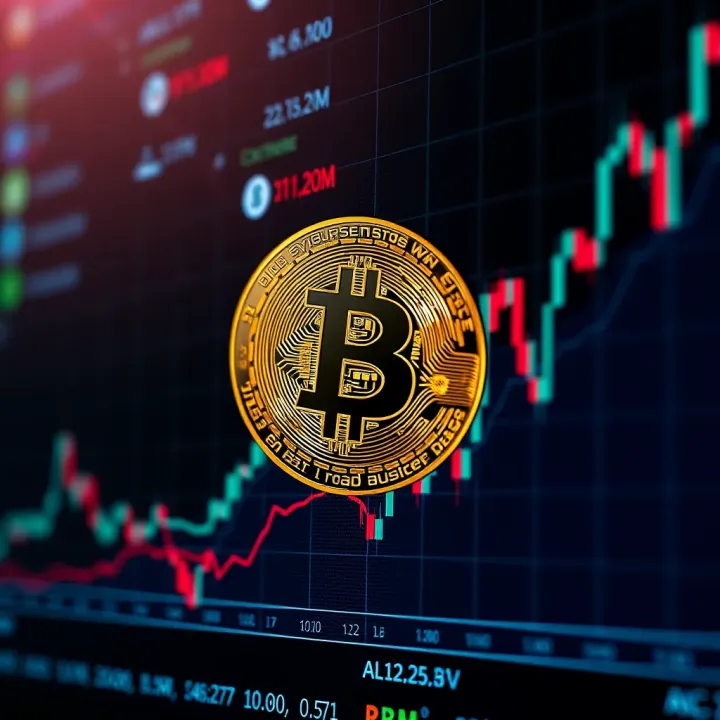
Explore the current Bitcoin outlook 📉📈, key market trends, risks, and expert predictions to guide investors in Pakistan through the crypto landscape in 2024.
📈 Explore APT price trends with expert insights, market data, and technical analysis. Learn how to predict APT prices wisely and understand the risks involved.
Based on 7 reviews