

Choosing the Best Stock Trading App in Pakistan
📈 Find the best stock trading app in Pakistan by comparing features, fees, security, and market fit. Trade confidently with the right tools! 💼
Edited By
Emily Carter
In Pakistan, the surge in internet accessibility and smartphone use has transformed how people approach investing. Trading apps have become the go-to platform for both newbies and seasoned investors to manage portfolios and seize market opportunities. But with so many choices out there—each promising to be the best—how do you pick the one that truly fits your needs?
This guide lays out the must-know factors when choosing a trading app catered to the Pakistani market. From usability and fees to security and available features, we'll cover what matters most. Whether you’re trading stocks on the Pakistan Stock Exchange or dabbling in international markets, understanding these points can save you time, money, and headaches.

Picking the right trading app isn’t just about flashy features; it’s about finding a reliable, user-friendly tool that aligns with your investment style and keeps your money safe.
We’ll also take a close look at some of the popular apps used by Pakistani investors to offer concrete comparisons. Armed with this information, you’ll be better equipped to make an informed decision—not just follow the crowd. So, let’s jump in and explore how to choose a trading app that works for you.
Before diving into the nuts and bolts of trading, it's essential to grasp what a trading app actually brings to the table. In Pakistan’s growing investment landscape, these apps have become the linchpin for many traders and investors, whether they're seasoned pros or just starting out. Knowing the specific offerings of a trading app helps you pick one that really suits your needs instead of stumbling blindly.
Trading apps do much more than just letting you buy or sell stocks. They provide real-time data, tools for analysis, quick order placements, and even ways to keep track of your entire portfolio on the go. Imagine missing a market-moving event because your app updates every five minutes instead of instantly — that could cost you dearly. For example, Pakistan Stock Exchange’s PSX Mobile app offers live market data, which comes in handy when you're tracking shares like Lucky Cement or Engro Corp.
Understanding these features also means you're better equipped to spot a platform’s strengths and its gaps. If you need deep research tools to buttress your decisions, or you're more about speed and simple navigation, knowing what each app offers keeps you from getting burned.
One of the most critical features is real-time market data — this is your pulse on the market's heartbeat. Instead of getting delayed or outdated info, apps that provide live updates give you a fighting chance in fast-moving markets. Whether you’re tracking the price of a local stock like Pakistan Oilfields or a global commodity like crude oil, seconds can make a big difference.
A practical tip: check if the app displays live bid-ask spreads and market depth. Apps like Interactive Brokers or HBL Konnect offer detailed and timely data, so you're not flying blind.
Another pillar of a decent trading app is smooth order placement and prompt order execution. It’s downright frustrating if your buy or sell order gets stuck, or worse, executes at the wrong price. Pakistani traders often trade in volatile conditions where slippage can eat away profits.
Good apps allow you to place different types of orders — market, limit, stop-loss — right from your phone or desktop. For instance, the MCB Trade Connect app supports quick order execution with various order types, giving you better control amid changing market conditions.
Managing your investments shouldn't feel like juggling knives while riding a bike. A neat portfolio management tool means you can see your current holdings, review profit and loss, and analyze performance over time, all in one place.
Apps like PSX Mobile, which support portfolio tracking tailored for the Pakistani market, simplify monitoring your shares, bonds, and mutual funds. It’s not just about knowing what you hold but deciding whether to hold, sell, or buy more.
Stock trading apps focus primarily on buying and selling shares listed on stock exchanges. In Pakistan, these will typically connect to the Pakistan Stock Exchange (PSX). They offer features tailored to equities trading, such as market news specific to listed companies, dividend tracking, and earnings announcements.
If you’re trading shares like Bank Alfalah or Nestlé Pakistan, look for apps that give you detailed stock charts and fundamental data to inform your decisions.
Forex and commodities attract a different breed of traders. Here, the apps cater to foreign exchange pairs like USD/PKR or commodities such as gold and wheat.
Platforms like MetaTrader 4 or local broker apps offering commodity futures give users access to these volatile markets. These apps typically include tools for leverage, stop-loss orders, and live charts to track price swings effectively.
Cryptocurrency has gained traction in Pakistan despite regulatory gray areas. Trading apps that handle cryptocurrencies allow buying and selling of Bitcoin, Ethereum, and other altcoins, often paired with local or USD currencies.
Apps like Binance and Coinbase (used via VPNs or international accounts) provide easy onboarding for crypto trading. Look for apps with strong security measures like two-factor authentication and cold wallet storage to protect your digital assets.
Understanding the core offerings of trading apps means you're not just picking a shiny tool but choosing a platform aligned with your style, risk appetite, and trading goals. Knowing which type of platform fits your market niche — stock, forex, commodities, or crypto — helps you avoid unnecessary headaches down the road.
Choosing the right trading app is more than just picking a platform to place orders; it's about boosting your trading efficiency and securing your investments. A well-suited app can significantly influence your decision-making speed, access to relevant information, and peace of mind in terms of security. Imagine trading stocks or forex with an app that crashes mid-trade during volatile hours—losing money because of technology is the last thing any trader wants.
In Pakistan’s evolving market, where internet speeds and regulatory scrutiny vary, selecting the right app means much more than convenience; it directly affects profitability and risk exposure. Whether you're a newbie or a seasoned trader, the right tool can empower you to catch opportunities while avoiding pitfalls.
Trading is a race against time, especially in active markets where prices fluctuate second by second. Speedy order execution prevents slippage—a common headache where trades get executed at a worse price than intended. Reliability also goes hand-in-hand with speed. For example, an app like IG Markets or MetaTrader 5 is popular because they rarely suffer downtime and provide quick order confirmations. For Pakistani users, apps that optimize performance even on low bandwidth connections are a big plus.
When your app is both fast and stable, you avoid frustration and costly delays. This means your trades enter the market exactly when you want them to, preserving your strategy.
Having the market’s pulse at your fingertips is crucial. A good trading app bundles in research and analytical tools such as real-time news, expert commentary, and technical charting. Think of apps like Thinkorswim or TradingView, prized for their detailed indicators and news feeds. They allow you to spot trends or red flags before jumping into trades.
Pakistani investors benefit from apps that include localized news as well, reflecting economic shifts, political developments, or regulatory changes affecting local stocks and currency pairs. This empowers you to make decisions based on insights, not just gut feeling.
Security breaches can be devastating, wiping out gains and personal data alike. The right trading app employs robust encryption to shield your financial information and transaction data from hackers. Apps that support two-factor authentication (2FA), such as those offered by Alpari or Saxo Bank, add an extra layer of safety.
Additionally, look for apps with transparent privacy policies—that communicate how your data is handled and whether it’s shared with third parties. Remember, the safest app won’t just protect your money, but also your identity.
Operating within the legal frameworks ensures the app follows financial regulations and safeguards user interest. In Pakistan, the Securities and Exchange Commission of Pakistan (SECP) mandates strict licensing and KYC (Know Your Customer) processes for trading platforms.
Apps compliant with SECP standards, like PSX’s official app, offer Pakistani investors added confidence. Regulatory compliance typically means better dispute resolution mechanisms as well, so you’re less likely to be left stranded if something goes wrong.
Picking a trading app without checking its compliance or security setup is like leaving your front door wide open with a "Please, rob me" sign.
Picking the right trading app isn’t just about flashy graphics or catchy ads. It boils down to the key features that make the entire trading experience smooth, secure, and effective. For Pakistani investors, in particular, these features can spell the difference between success and frustration in the fast-paced world of financial markets.
When you’re choosing a trading platform, you want tools that let you track markets in real time, execute orders quickly, and manage your investments without hassle. It's about getting the best bang for your buck while feeling confident every step of the way. We’ll break down the main ingredients every good trading app should have to be worth your time.
It’s no secret that a cluttered or confusing app can be a nightmare, especially when you need to act fast. Ease of navigation means the app lets you jump between different sections like portfolio, market news, and order placement without feeling lost.
Imagine you’re monitoring a sudden market dip – if you can’t locate the sell button quickly, you might lose your chance to limit losses. Look for apps with clear menus, logical layouts, and straightforward labeling. Apps like PSX Investr or platforms such as IG Markets have built interfaces focused on ease, minimizing unnecessary clicks.
Trading isn’t tied to your desk anymore. Pakistani traders often switch between desktop at work and mobile on the go. The best apps sync seamlessly across devices, keeping your data consistent without making you re-login constantly.
For example, platforms like Interactive Brokers offer robust desktop versions with deep analysis tools, while their mobile apps are designed to be nimble and responsive, perfect for quick trades during a lunch break or commute. Ensure your chosen app works well on your devices — a buggy or slow app on your phone can cost you dearly in this business.
Technical analysis is the bread and butter for many traders. Your app should provide customizable charts with technical indicators like Moving Averages, RSI, and Bollinger Bands to help you spot trends and reversals.
Think of it as having your own trading assistant who points out key market moments. Without these tools, you’re pretty much flying blind. Taking Pakistan Stock Exchange-focused apps like MTrade, you find well-integrated charting tools that let traders make informed decisions right from their screens.
Markets react fast to news. A trading app that feeds you real-time updates or alerts on major events can keep you ahead. Whether it's earnings reports, political shifts, or currency fluctuations impacting Pakistan’s economy, timely notifications mean you’re ready, not caught off guard.
Apps like Bloomberg or Reuters - accessible via their trading platforms - offer an edge here, but even homegrown apps are improving their alert systems. Set up personalized alerts to keep tabs on specific stocks or market changes without refreshing endlessly.

This one’s pretty practical: how easily can you move your money in and out? Look for apps supporting popular payment methods in Pakistan such as JazzCash, Easypaisa, or direct bank transfers.
A smooth withdrawal can make a huge difference, especially if you suddenly need funds. Some platforms charge high fees or have slow processing - that’s something to watch out for. Proper transparency about these charges can save you headaches.
Trading can get technical, and when problems hit, you want support that picks up the phone or responds quickly online. Good customer support isn’t a luxury here; it’s a necessity.
Check if the app offers 24/7 chat, phone support, or at least quick email responses. Local platforms like Trecmena offer dedicated support in Urdu and English, helping traders navigate issues easily. Don’t underestimate how a helpful support team can prevent small problems from turning into disasters.
Remember: Your chosen trading app is your gateway to the markets. Features that prioritize user experience, provide timely insights, and back you up with solid support are the ones that truly matter in the wild ride of investing.
When it comes to picking a trading app in Pakistan, knowing what's readily accessible and popular can make a huge difference. Not all platforms cater equally to local needs — things like payment options, language support, and local regulations matter a lot. Plus, familiarity breeds comfort, so many investors prefer apps that are widely used and trusted among their community.
Whether you’re just starting out or have a few trades under your belt, the choice of a trading app often hinges on how well it blends ease of use, features, and costs while aligning with the local market environment.
App A has quickly made a name for itself among Pakistani traders thanks to its clean interface and fast execution speeds. It gives users real-time quotes of Pakistan Stock Exchange securities, along with a solid range of order types including market, limit, and stop-loss orders.
One standout feature is its comprehensive educational section, perfect for beginners who want to learn the ropes without hopping between sites. The app supports Urdu language, which is a nice touch for users more fluent in local language than English.
For payment, it integrates easily with JazzCash and Easypaisa, making deposits and withdrawals straightforward – no juggling with tricky bank transfers.
App B targets seasoned traders who demand more advanced charting tools and technical indicators. It supports trading across global markets too, useful if you want to diversify beyond Pakistani stocks.
A key perk here is its low-latency order execution, which is critical for day traders chasing tight spreads. The app offers direct access to major stock exchanges including NYSE and NASDAQ alongside PSX.
It does require a slightly higher minimum deposit, which might steer beginners towards other options. However, its robust risk management tools and customizable alerts are big pluses for active traders.
App C strikes a balance by catering to both casual investors and those seeking moderate trading activity. Its simple, intuitive design is paired with AI-based investment advice, helping users make informed decisions without overload.
Local bank integration is smooth, with Pakistani rupee as default currency, reducing the hassle of currency conversions. Also, the app boasts strong customer service hours aligning with Pakistan Standard Time, which many users appreciate.
Overall, App C fits those who want a bit of guidance but still want control over their portfolio.
Choosing a local trading app often means better alignment with Pakistan’s regulatory landscape, minimizing headaches over compliance or transaction delays. Local providers usually offer customer service in Urdu and English, making support more accessible.
They also tend to integrate with national payment channels like local banks, JazzCash, or Easypaisa, which means funding your account or withdrawing profits is hassle-free and faster.
Since local apps focus primarily on the Pakistan Stock Exchange, these platforms often provide market insights and data that are highly relevant to local investors.
International trading apps open doors to foreign markets, giving Pakistani investors the chance to diversify portfolios beyond local stocks. Exposure to U.S., European, or Asian markets can be especially attractive for those looking to balance risk.
These platforms usually offer more advanced trading tools, a broader variety of asset classes including forex and cryptocurrencies, and sometimes thinner spreads due to higher liquidity.
Keep in mind, though, that international platforms may present challenges such as currency conversion fees, slightly longer customer support response times due to timezone differences, and sometimes more complex KYC (Know Your Customer) procedures.
Understanding the costs and fees attached to trading apps is essential for Pakistani investors looking to avoid surprises that can eat into their profits. While selecting a trading app, it might be tempting to focus only on features or usability, but ignoring fees can turn what looks like a bargain into a costly mistake down the line.
Costs directly impact the net return of your trades. Even small fees, when multiplied by frequent trades, can chip away significantly from your portfolio. Considering that trading environments in Pakistan sometimes involve additional currency conversion fees or bank charges, being clear on all direct and hidden costs ensures smarter financial decisions.
Many trading apps charge a fixed fee for every transaction you make, whether buying or selling stocks, commodities, or currencies. These per trade fees can range from a few rupees to a percentage of the trade value. For example, a local platform like PSX's official app might charge a flat Rs. 50 per trade, whereas some international apps could have dynamic fees based on trade volume.
For investors who only trade occasionally, per trade fees might be manageable. But if you’re making dozens of trades a month, these fees add up fast and can stunt your profits. It's smart to compare apps not just by their fee sizes but by how they structure these costs—some offer discounted rates for higher trading volumes or bundled plans.
The spread is the difference between the buying price and the selling price of an asset. Unlike per trade fees, spreads are embedded costs typically encountered in forex and commodity trading apps. For example, when trading the USD/PKR pair, the app might offer a buying price of 280.50 and a selling price of 279.90, meaning the spread is 60 paisas.
This margin can vary depending on market volatility and the app provider’s pricing model. Larger spreads mean the trade needs to move more in your favor before you start picking up profits. For active traders or those dealing with tight profit margins, understanding and comparing spread costs can make a solid difference.
Knowing both per trade fees and spread costs gives you a comprehensive picture of what trading will realistically cost you in the app you're considering.
Some trading apps in Pakistan and internationally impose inactivity fees if your account remains dormant for a specific period. This fee is charged to keep accounts active or cover maintenance costs from the broker's point of view.
For instance, if you open an account but place a trade and then stay inactive for six months, an app might start deducting Rs. 200 monthly. Beginners or casual investors often miss this detail during signup, turning a zero-cost plan into an expensive one over time.
Many platforms also charge account maintenance fees, usually on a monthly or yearly basis, to cover administrative or regulatory costs. These fees might be fixed or based on the size of your portfolio. For example, a local app might charge Rs. 500 annually, while international apps might have different policies based on account type.
While small, these charges can add up, especially for traders who hold accounts without frequent activity or high balances. Knowing these upfront avoids nasty surprises when you check your account statement.
Always ask for a detailed fee schedule before committing.
Look for apps with transparent and upfront pricing.
Consider your trading style—frequent traders benefit from low per trade fees while long-term investors should focus on account maintenance costs.
Don’t ignore exchange-related and withdrawal fees, which some apps sneak into their pricing.
Understanding the full cost landscape allows Pakistani investors to pick a trading app that aligns with both their budget and trading needs, preventing unnecessary expenses that could dim returns.
Picking a trading app isn't a one-size-fits-all situation — your trading style should guide your choice. A beginner’s needs are worlds apart from those of an active day trader, so understanding the specific features that match your approach can save you from headaches and missed opportunities.
If you’re someone who's just starting out, you’ll want tools that simplify the process and offer plenty of guidance. On the other hand, if you're juggling multiple trades in a day, advanced features that allow quick execution and detailed analysis become non-negotiable. For instance, a casual investor might find an app like EasyPaisa’s investment platform more than sufficient, whereas a day trader could benefit from platforms like MetaTrader 4 or Interactive Brokers that offer intricate charting and order options.
Choosing the right app based on your style means you won't just trade; you'll trade smartly, playing to your strengths while minimizing friction.
When starting on your investment journey, it’s key to have an app that doesn’t throw you into the deep end. Beginner-friendly apps usually focus on intuitive design and education to help you grow comfortable with trading basics.
Key features to look out for include simple navigation, step-by-step tutorials, and educational resources baked right into the app. For example, apps like HBL Konnect offer clear layouts and helpful tips that make buying and selling shares less confusing. They often have demo accounts too, so you can practice without risking real money.
Support matters, too. Reliable customer service can make a big difference when you hit a snag. Chat support or easy-to-access call centers help you get quick answers and keep you on track. For beginner investors in Pakistan, where market nuances exist, this kind of support can be a lifeline.
Active traders and day traders require tools that go beyond basic buying and selling. They’re after speed, precision, and data-rich environments to make lightning-fast decisions.
Look for apps that offer advanced charting tools like candlestick patterns, moving averages, RSI, and MACD indicators — these give you a clearer picture of market movements. Plus, flexible order types such as stop-loss, limit orders, and trailing stops can help you manage risk effectively.
Platforms like MetaTrader 5 and Thinkorswim cater to these needs well, allowing traders to customize charts, automate trading with algorithms, and access real-time news. Making split-second decisions is tough without these tools, so they’re vital for anyone actively managing multiple trades a day.
By matching your trading style with an app’s features, you’re not just picking software — you're setting yourself up for better results and smoother trading experience. Whether you’re easing into stocks or riding the waves of day trading, there’s a right fit for you in Pakistan’s growing market landscape.
Trading apps are great tools, but they're not without their hitches. Understanding the common challenges investors face and how to tackle them can save you a lot of headaches down the road. Whether it's a sudden app glitch or a security scare, knowing what’s likely to trip you up equips you better to handle those bumps on your trading journey.
Trading apps sometimes face downtime or technical problems that can leave you staring at a frozen screen when you need to act fast. That's why having a backup plan isn’t just a luxury—it's a must. For example, keeping an eye on multiple apps like HBL Konnect or the Utrade app alongside your primary platform can give you a safety net. If one goes down during crucial market hours, you switch to another and don't miss your window.
It’s also smart to have offline options ready, like placing orders through your broker’s telephone line in emergencies. These alternatives help keep your trades on track, preventing missed opportunities just because your app decided to crash.
Keeping your trading account safe is as important as making smart trades. Two-factor authentication (2FA) is a simple but super effective way to add an extra layer of protection. Imagine logging in: first you enter your password, then you need a one-time code sent to your mobile. This means even if someone guesses your password, they can’t get in without access to your phone. Apps like PSX's FirstTrade strongly encourage 2FA to keep users safe.
Regular updates and patches are another critical piece of the puzzle. Developers often release updates to fix vulnerabilities or enhance security features. Neglecting these updates is like leaving your front door unlocked. Set your app to update automatically and check for security patches regularly. This habit helps close security gaps before hackers find them.
Staying proactive about security isn't just advisable; it's necessary. The simplest steps like enabling two-factor authentication and keeping your app updated can stop most fraud attempts before they start.
In short, overcoming challenges with the right backup plans and security measures means you can focus more on trading and less on worrying about tech failures or security breaches.
Understanding the legal and regulatory framework is a must for anyone looking to trade through apps in Pakistan. These guidelines shape the safety and transparency of the trading environment, protecting both investors and the stability of financial markets. They ensure that trading activities operate within clear boundaries, avoid fraud, and comply with national laws, ultimately contributing to investor confidence.
Every trading app operating in Pakistan must obtain a license from regulatory authorities such as the Securities and Exchange Commission of Pakistan (SECP). These licenses show that the app meets specific standards related to security, transparency, and operational integrity. For investors, this means the platform they use is monitored by the regulator, reducing the risk of scams or malpractice. You should always check if an app is SECP-licensed before investing real money. For example, apps like PSX’s own official trading applications are fully licensed and comply with local rules, making them safer for local investors.
Pakistan’s regulatory bodies have put in place policies to protect investors, especially retail traders who may not be as experienced. This includes mechanisms like compensation funds and clear rules for dispute resolution should conflicts arise. Additionally, policies enforce strict transparency requirements, so you get timely information on fees, risks, and trade executions. Knowing that your investment is backed by such protections makes a difference, especially when choosing between local apps and overseas platforms, where regulatory oversight might be less strict.
Trading apps in Pakistan follow strict Know Your Customer (KYC) rules to verify the identity of their users before allowing them to trade. This process prevents money laundering and ensures only legitimate investors use the platform. Whitelisting refers to the practice where only approved, verified users can access certain features or trade particular securities, adding a layer of security.
You’ll typically go through these steps:
Submit identification documents like your CNIC.
Provide proof of address.
Possibly complete biometric verification.
Apps such as PSX’s ones or many brokerage firms like JS Global or Arif Habib Ltd strictly enforce these steps. For investors, this means enhanced security but also a bit of a waiting period during setup. It’s a small trade-off to keep your money and data safer.
Keep in mind: Compliant apps often undergo periodic audits and updates to maintain regulatory standards, so choosing one compliant platform reduces surprises and enhances trust.
Navigating the legal landscape might sound daunting, but sticking with regulated, SECP-licensed trading apps that fully implement KYC and investor protection policies is foundational. This approach helps traders dodge pitfalls and makes trading a more straightforward, confidence-filled experience in Pakistan.
Starting with a new trading app can be a bit overwhelming, especially in a market like Pakistan where regulations and market conditions can have their quirks. Knowing a few practical tips before you dive in can save you from common pitfalls and make your trading experience smoother. Whether you're opening your first trading account or moving to a new platform, paying attention to setup and strategies early on can set the tone for your success.
Verification is not just a formality; it's a critical step that protects you and keeps your account compliant with Pakistan’s securities regulations. Most trading apps will ask for your CNIC or passport, utility bills for address proof, and sometimes even a photograph to complete the KYC (Know Your Customer) process. This helps prevent fraud and ensures that only authorized users gain access.
Failing to complete verification can lead to delays in transactions or even losing access to your funds. For example, if you try to withdraw profits without finishing this step, your request may be rejected. So, be thorough and patient. Keep digital copies of your documents ready, and double-check the app’s instructions to avoid back-and-forth.
Your login information is the front door to your financial life, so locking it tight is non-negotiable. Start by creating a strong password mixing uppercase letters, numbers, and special characters — don’t just use “password123.” It’s worthwhile to set up two-factor authentication (2FA), which adds an extra layer of security by requiring a one-time code from your phone or email when logging in from a new device.
Also, avoid using public Wi-Fi when accessing your account, especially for trades or money transfers. Phishing attacks are common, so be wary of suspicious emails or messages asking for your password or PIN. Apps like HBL Konnect and JazzCash, known in Pakistan, offer decent security features, but you must do your part by keeping credentials safe.
Imagine putting all your sheep in one pen; if a fox comes, you lose them all. The same goes for your investment portfolio. Diversifying means spreading your investments across different assets — stocks, commodities, currencies, or even different sectors in the Pakistan Stock Exchange (PSX). This approach cushions you against the ups and downs in any single market.
For instance, if you have shares in a textile company, consider investing some funds in a technology stock or purchasing government bonds. Diversification limits risks and can smooth out returns over time, especially in volatile markets.
Even the smartest traders hit losses. What's important is how you manage that risk to protect your capital. Techniques like setting stop-loss orders ensure you don’t lose more than you can stomach on any trade. For example, if you buy shares at 100 PKR, setting a stop-loss at 90 PKR guarantees the position closes automatically if prices fall too far.
Another practical tip is not to invest money you can’t afford to lose. Many newcomers throw their entire savings into trading and get burned. Start small, track your trades, and learn from mistakes. Use risk management features that your trading app offers and remain disciplined.
Getting off on the right foot with your trading app—paying close attention to safe account setup and solid trading habits—makes a huge difference in your investment journey. Follow these steps to stay secure and keep your risks in check.
By focusing on these foundational tips, Pakistani investors can navigate trading apps confidently and build a portfolio that lasts.
Keeping an eye on future trends in trading apps is vital for Pakistani investors who want to stay ahead and make smarter decisions. The trading world doesn't stand still, and new tech developments and changing user needs mean the tools we rely on have to evolve too. Staying updated on what’s coming can help you pick an app that won’t feel outdated next year.
Artificial intelligence is starting to appear more and more in trading apps. For example, apps that can analyze past market data and predict possible price movements are becoming common. In Pakistan, where markets can be volatile, having AI-powered tools helps traders spot chances faster, without sifting through tons of data manually.
Beyond predictions, AI helps create smarter chatbots and personalized trading recommendations based on your habits and portfolio. Imagine your app nudging you when it detects unusual market activity or suggesting adjustments in your portfolio aligned with your risk profile. This isn’t just fancy tech; it cuts down reaction times significantly.
With the majority of Pakistani users accessing trading platforms via smartphones, developers are prioritizing mobile-first designs. This means smoother, quicker apps tailored for use on smaller screens and spotty internet connections. Think lightweight apps that load fast even on 3G or 4G.
One practical example is offline data caching, allowing you to review charts and news without internet for short periods. Notifications are optimized to deliver timely alerts without draining your battery. Also, fingerprint or face authentication integrated natively into apps improves security without making you jump through hoops every login.
Gone are the days when one-size-fits-all trading apps worked fine. Pakistani investors now demand apps customizable to their preferences — from setting up watchlists focused on local stocks like PSX-listed companies to choosing themes and layouts that suit their style.
This flexibility extends to notifications, where traders can tailor alerts only for significant market moves or specific assets, avoiding information overload. Custom dashboards pulling in favorite market data and news feeds also help traders feel more in control and less overwhelmed.
Social trading is catching momentum even in Pakistan’s investment circles. It lets less experienced traders follow or copy moves made by seasoned pros, learning in real time while minimizing trial-and-error losses.
Apps incorporating social features include chat rooms, leaderboards, and real-time idea sharing. For instance, you can join a community focused on commodity trading relevant to Pakistan’s agriculture sector or forex markets. This shared insight often leads to more confident trades and fosters a stronger investor community.
Staying on top of these trends isn’t just about keeping up; it influences how well you trade tomorrow. Opt for trading apps that embrace new tech, offer personalized experiences, and connect you with a broader trading community to make your journey smoother and more rewarding.
📈 Find the best stock trading app in Pakistan by comparing features, fees, security, and market fit. Trade confidently with the right tools! 💼
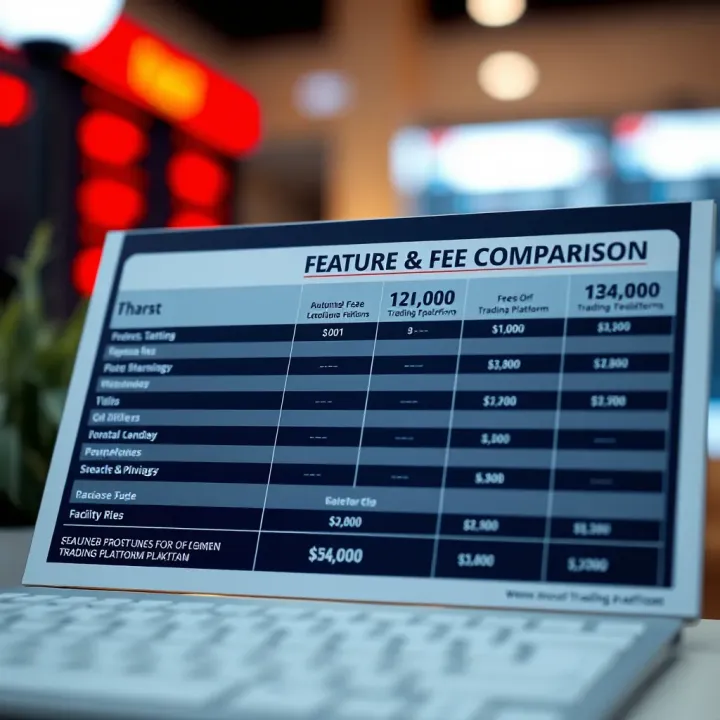
Explore top trading platforms in Pakistan 🇵🇰! Compare features, fees, security, and support to choose the best fit for your trading goals 📊💼.
💹 Find the best trading platforms in Pakistan with our detailed guide! Learn about features, fees, security 🔒, regulations, and tips for smarter trading.

Explore the best trading apps in Pakistan 📱 Learn setup tips, compare fees, check security, and get support to trade smartly and confidently.
Based on 6 reviews