

Forecasting AUD to PKR Exchange Rate Trends
Explore detailed insights on AUD to PKR rates 💱, including economic indicators, geopolitical impacts, and market trends to aid your currency exchange decisions.
Edited By
Charlotte Evans
The exchange rate between the British Pound (GBP) and the Pakistani Rupee (PKR) remains a point of keen interest for traders, investors, businesses, and financial analysts alike. Understanding how GBP to PKR moves—and why—can help you make smarter decisions, whether you’re involved in import-export, remittances, or currency trading.
Currently, several factors are shaping the GBP/PKR rate, including Pakistan’s trade deficit, inflation trends, and the monetary policy stance of the State Bank of Pakistan (SBP). On the UK side, interest rate decisions by the Bank of England, inflation figures, and political stability influence the pound’s strength globally.

Currency markets respond quickly to economic data and geopolitical developments; for example, unexpected shifts in SBP policies or UK inflation reports tend to cause short-term volatility in GBP/PKR.
For Pakistanis, this means the pound's exchange rate could fluctuate notably in the months ahead. Traders should watch economic indicators such as:
SBP policy rate changes
UK consumer price index (CPI) movements
Pakistan’s trade balance and foreign exchange reserves
Meanwhile, geopolitical tensions both regionally and globally can affect risk appetite, directly impacting currency flows.
Understanding these dynamics helps investors and businesses manage currency risk effectively. For instance, importers of British goods might consider forward contracts or hedging to lock in favourable rates before potential depreciation. Similarly, exporters receiving pounds could plan timing of conversions based on expected rate trends.
In this article, we will break down key influences on GBP/PKR, review historic patterns, and give practical advice tailored for Pakistani stakeholders looking to navigate this currency pair with greater confidence.
Understanding the GBP to PKR exchange rate matters a great deal, especially for traders, importers, exporters, and investors who deal with currency conversions regularly. This rate influences the cost of goods, profitability of trades, and returns on investments involving the British Pound and Pakistani Rupee. For example, a Pakistani importer purchasing machinery from the UK pays in GBP but needs to convert PKR accordingly. Fluctuations in GBP/PKR directly affect how much the purchase will cost in local currency.
The overview provides a foundational grasp of broader trends and alerts readers to factors that sway the rate. This section unpacks historical data, recent market behaviour, and underlying causes. It helps financial analysts better read the forex market and anticipate risks related to currency positions.
The GBP to PKR rate has seen notable swings over the last ten years. Around 2014, the rate hovered near Rs 170 but climbed steadily, reaching Rs 250 by mid-2022 amid rising economic uncertainty and inflation in Pakistan. Such changes reflect the complex dance between British economic policies and Pakistan’s fiscal challenges, including persistent current account deficits and inflationary pressures. These shifts aren’t just numbers; they affect day-to-day decisions like pricing of exported textiles or the cost of remittances.
Events like Brexit in 2016 shook the GBP substantially, causing sharp devaluation initially, followed by periods of recovery and volatility. The UK's Bank of England's decisions on interest rates also ripple through the GBP/PKR rate. Meanwhile, in Pakistan, surges in import bills during energy crises and political instability have pressured the Rupee, pushing the rate higher. For instance, during Pakistan’s 2020 energy shortages, the Rupee weakened, spiking import costs for UK-based goods.
GBP/PKR trends often align or diverge from PKR’s relation with other currencies like USD or EUR. Typically, when GBP strengthens against USD, it mirrors a broader confidence in GBP due to UK’s economic data. However, sometimes PKR’s stability against USD may differ owing to Pakistan’s trade relationships or dollar inflows. Traders tracking GBP/PKR alongside USD/PKR get a clearer picture of relative currency strengths, aiding currency hedging or risk management.
Today, GBP/PKR tends around Rs 270 to Rs 280, reflecting recent volatility due to global economic uncertainties and domestic factors. Short-term volatility spikes are common around announcements like changes in Bank of England policy rates or Pakistan's fiscal reports. Such fluctuations require businesses and investors to be agile; for example, importers delay purchases if the Rupee is weakening rapidly against the Pound.
Several factors influence the current rate, including interest rate differentials where higher UK rates attract forex inflows, strengthening GBP. Pakistan’s foreign exchange reserves and political stability play a big role; when reserves fall, the Rupee tends to lose ground against major currencies including GBP. Also, shifting global commodity prices and remittance flows impact demand and supply dynamics in forex markets. For traders, keeping track of these influences helps anticipate rate movements and plan currency transactions accordingly.
Staying aware of these trends helps you make informed decisions whether you’re exchanging money, investing, or planning imports and exports involving GBP and PKR.

Understanding what moves the exchange rate between the British Pound (GBP) and Pakistani Rupee (PKR) is essential for traders, investors, and financial analysts alike. This section highlights key economic and geopolitical factors that shape the GBP/PKR rate, providing practical insights for forecasting and managing risks.
UK inflation, interest rates, and GDP growth directly impact the strength of the Pound. When inflation rises in the UK, the Bank of England (BoE) may hike interest rates to keep prices in check. Higher interest rates attract foreign investors seeking better returns, which tends to push the Pound higher against currencies like the PKR. For example, recent BoE rate increases led to short-term rallies in GBP. Conversely, sluggish UK GDP growth signals economic slowdowns, prompting monetary easing that may weaken the Pound. Traders watch these indicators closely because they guide adjustments in monetary policy that ripple through currency markets.
Pakistan’s economic health and monetary policies play a significant role from the other side. The State Bank of Pakistan (SBP) manages interest rates and forex reserves to stabilise the rupee. If inflation in Pakistan rises or the SBP tightens rates, the rupee may strengthen, narrowing the GBP/PKR gap. However, persistent fiscal deficits, rising debt, or political uncertainties typically lead to depreciation pressures on PKR. For instance, during the recent fiscal year, Pakistan’s balance of payments challenges and IMF programme negotiations affected rupee stability. Monitoring SBP statements and government fiscal policies thus provides vital clues about rupee direction.
Balance of trade and remittance flows heavily influence PKR’s value. Pakistan’s trade deficit—when imports exceed exports—creates demand for foreign currencies like GBP, putting downward pressure on PKR. At the same time, remittances from overseas Pakistanis, especially from the UK and Gulf countries, inject much-needed foreign exchange, supporting the rupee. For example, remittance inflows crossed $30 billion in recent years, cushioning currency pressures despite trade imbalances. Observers should track monthly trade reports and State Bank data to understand this dynamic balance.
Political stability and international relations impact investor confidence and currency flows directly. Political uncertainty in Pakistan, such as changes in government or major protests, often triggers capital outflows, weakening PKR against major currencies like GBP. Meanwhile, stable UK political conditions support a stronger Pound. Moreover, diplomatic ties and trade agreements between the two countries can influence currency demand, especially for businesses involved in import-export or remittances.
Global energy prices and commodity trends affect Pakistan more directly due to its energy imports. Rising oil prices increase import bills, escalating the trade deficit and pressuring PKR. For instance, when crude oil prices jumped recently, Pakistan’s import costs soared, prompting the SBP to intervene to defend the rupee. Meanwhile, the UK, being a net energy producer and less reliant on imports, is less exposed to such shocks, which helps the Pound retain stability.
Effects of currency interventions and foreign reserves are critical. Pakistan’s foreign exchange reserves act as a buffer when the PKR faces depreciation pressure. The SBP may actively buy or sell dollars or Pounds to stabilise the exchange rate. However, reserves are finite; excessive intervention without structural improvements can deplete reserves, leading to currency vulnerability. Traders monitor SBP’s reserve levels and intervention announcements to forecast rupee movements. In contrast, the UK maintains a floating currency with minimal direct interventions, relying on market forces.
Exchange rate movements result from a mix of economic data, policy choices, and geopolitical developments. Traders who integrate these factors can better anticipate GBP/PKR shifts and manage risks accordingly.
BoE interest rate decisions and UK inflation
SBP monetary policy and Pakistan’s fiscal position
Pakistan’s trade deficit and remittance statistics
Political developments impacting investor sentiment
Global crude oil prices influencing Pakistan’s import costs
SBP foreign reserves and currency interventions
By keeping these indicators and events on radar, financial professionals can make informed decisions about GBP/PKR exposure and forecast future trends with greater confidence.
Understanding recent developments in both the UK and Pakistan is vital for forecasting GBP to PKR exchange rates. These shifts reflect changing economic conditions and policy decisions that influence investors’ confidence and currency demand. For traders and financial analysts, keeping up with these updates helps anticipate volatility and make informed decisions.
The Bank of England’s (BoE) interest rate decisions significantly affect GBP strength. When the BoE raises rates, borrowing becomes more expensive, usually attracting foreign investment seeking higher returns. This demand often strengthens the pound against currencies like the Pakistani rupee. For instance, in late 2023, the BoE’s rate hikes were a response to inflationary pressures, leading to a temporary appreciation of GBP.
Conversely, cuts in interest rates or prolonged periods of unchanged low rates tend to weaken the pound. Lower yields encourage investors to look elsewhere, which can reduce GBP’s value relative to the PKR. Watching BoE policy statements and inflation reports can give clues to upcoming interest rate moves crucial for traders dealing with GBP/PKR.
The monetary stance—whether tightening or easing—has practical implications for currency forecasts. Tightening, which includes raising interest rates or reducing money supply, signals an attempt to control inflation but can slow economic growth. A tighter policy usually supports a stronger pound, influencing the GBP/PKR exchange upward. This is important for Pakistani exporters priced in pounds or investors with GBP exposures.
On the other hand, easing measures, such as lowering interest rates or buying government bonds, aim to stimulate growth but tend to weaken the currency. For businesses reliant on imports priced in GBP, easing policies in the UK could mean higher exchange rates and increased costs in PKR terms.
The State Bank of Pakistan (SBP) actively manages the rupee’s value through multiple interventions. These include market operations to smooth excessive volatility and maintain competitiveness. For example, if the PKR weakens too sharply against the GBP, the SBP might sell foreign reserves to support the currency. Such measures are closely watched by traders, as they affect the short-term supply-demand balance and exchange rate trends.
Government initiatives also play a role in shaping Pakistan’s forex reserves and, by extension, the PKR’s strength. Policies boosting exports, attracting remittances, or securing foreign loans can enhance reserves, providing more stability to the rupee. A recent push to increase textile exports or negotiate foreign aid packages directly impacts the forex position and the GBP/PKR outlook.
For anyone involved in trading or investing with GBP/PKR, keeping an eye on SBP announcements and government forex strategies is essential. These factors can cause unexpected rate swings or offer opportunities to hedge positions effectively.
Combining developments in UK monetary policy with Pakistan’s currency management offers a practical framework to understand where GBP/PKR might head in coming months. Staying informed about these dynamic factors equips investors and businesses to navigate currency risks better.
Forecasting the GBP to PKR exchange rate is vital for traders, investors, and businesses dealing with currency exposure between the UK and Pakistan. Accurate forecasts help in planning imports, exports, remittances, and investment decisions, saving costs and optimising timing. Different forecasting methods provide insights into potential currency movements, using economic data, market patterns, and sentiment to paint a clearer picture of future trends.
Fundamental analysis accounting for economic data focuses on core economic indicators impacting the GBP/PKR rate. Analysts evaluate UK and Pakistani macroeconomic data such as GDP growth, inflation, interest rates set by the Bank of England and State Bank of Pakistan (SBP), trade balances, and remittance inflows. For instance, a rise in UK interest rates may strengthen the pound by attracting foreign capital, while higher inflation or political instability in Pakistan can weaken the rupee. Fundamental analysis offers a grounded understanding by examining the forces shaping supply and demand for both currencies.
Technical analysis based on currency charts uses historical price patterns and statistical tools to forecast future exchange rate movements. Traders look at support and resistance levels, moving averages, and volume trends on charts of GBP/PKR. For example, if GBP/PKR breaks above a previous resistance level, it might signal further gains. Technical analysis is particularly useful for short-term trading, helping market players identify entry and exit points amidst day-to-day volatility.
Market sentiment and expert opinion considers the psychological and behavioural aspects behind currency movements. Sentiment indicators assess whether traders are broadly bullish or bearish on GBP/PKR, often influenced by news, geopolitical developments, or central bank announcements. Experts' forecasts and consensus can sway investor confidence. For example, if experts warn about potential fiscal challenges in Pakistan, market sentiment might drive the rupee lower even before economic data confirm it. This approach complements quantitative methods by capturing the crowd's mood.
Expected movements in the next few months are shaped by recent economic releases and upcoming policy decisions. In the short term, factors like Bank of England’s interest rate announcements or Pakistan’s forex reserve updates can cause quick shifts in GBP/PKR. Market participants often watch for seasonality too; for example, remittance flows tend to increase around Ramazan and Eid, sometimes supporting the rupee. Forecasts for this period are practical for importers or exporters planning payments.
Risks and uncertainties influencing forecasts include unexpected political events, sudden changes in commodity prices, or shifts in global investor risk appetite. Pakistan’s economy faces vulnerabilities such as fiscal deficits or external debt pressures, while the UK’s economic recovery from global shocks also fluctuates. These factors make currency prediction challenging, demanding that traders keep risk management strategies ready. Volatile events like elections or international sanctions can overturn predictions rapidly, underlining the need for cautious interpretation of forecasts.
Well-rounded forecasting combines economic fundamentals, chart patterns, and market mood to give a more complete understanding of GBP to PKR movements.
By using these methods judiciously, those exposed to GBP/PKR fluctuations can better prepare for market shifts and minimise surprises in their financial dealings.
Managing currency risk is key for anyone involved in GBP/PKR transactions. Fluctuations in the exchange rate can affect costs, revenues, and profits, especially for traders, investors, and businesses dealing with import-export activities. Understanding how to handle this risk helps minimise losses and enhances financial predictability.
Timing the currency exchange properly can save significant amounts. For example, if a Pakistani importer expects to pay for goods in sterling three months from now, they might wait for more favourable rates. However, waiting carries risk if the pound strengthens. Forward contracts help here by locking in today's rate for a future date, protecting against unfavourable swings. Pakistani exporters often use forward contracts to secure rupee amounts before receiving GBP payments, ensuring stable cash flows.
Besides forwards, options and futures also provide tools to manage currency risk. Hedging means taking a position that offsets potential losses in the foreign exchange market. For instance, a business worried about the pound weakening against the rupee can buy a put option, which grants the right to sell GBP at a set rate. Although this involves some premium cost, it caps the downside. Pakistani companies listed on the PSX and dealing internationally frequently hedge to avoid sudden currency shocks that could impact their financial results.
Pakistani banks and forex brokers offer various services tailored for currency risk management, including forward contracts, swaps, and currency options. Platforms like JazzCash and Easypaisa provide convenient channels for remittances with competitive exchange rates and reduced transfer fees, minimizing hidden costs during currency conversion. Institutional clients often liaise with banks such as HBL or MCB to access bespoke risk mitigation products, whereas individual travellers or small traders benefit from straightforward prepaid forex cards or online forex trading platforms.
Importers should track GBP to PKR trends to time payments when the rupee is stronger. For example, paying suppliers soon after a slight rupee rebound can reduce cost. Exporters receiving sterling payments might delay currency conversion if projections show a weakening pound in the short term. However, this requires careful judgement against holding costs and liquidity needs.
Travellers should avoid last-minute forex purchases as rates tend to be less favourable. Booking foreign currency in advance when rates are stable can save money during trips to the UK.
Pakistanis receiving money in GBP, like workers’ remittances, should explore services offering real-time rates with lower margins. Banks with correspondent relations in the UK provide direct GBP to PKR remittance channels. Services like Western Union, JazzCash, or Easypaisa enable quick transfers, but fees and exchange rates vary, so comparing options helps avoid losing money in conversion.
Efficient currency risk management empowers you to navigate GBP/PKR volatility with confidence, protecting your financial interests whether you are trading, investing, or travelling.
Explore detailed insights on AUD to PKR rates 💱, including economic indicators, geopolitical impacts, and market trends to aid your currency exchange decisions.
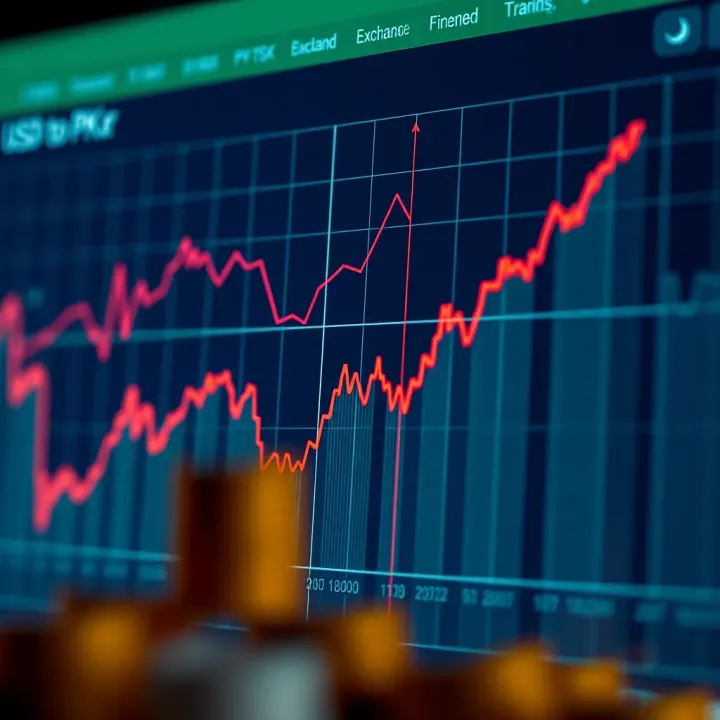
📉 Get detailed insights into USD to PKR trends, key economic and political factors, and practical tips to understand and adapt to exchange rate movements.
📉 Explore the USD-PKR exchange rate trends, economic impacts, govt policies, and expert views shaping Pakistan’s currency market forecast today.
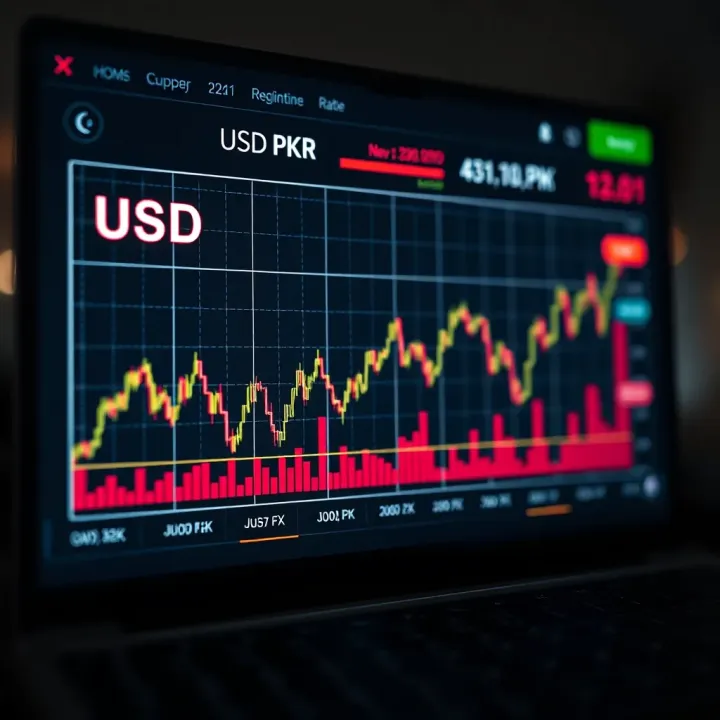
📉 Explore how economic trends, government moves, and market shifts could shape the USD to PKR exchange rate over the next 30 days in Pakistan.
Based on 6 reviews