
Understanding Auto Trading for Pakistani Investors
Explore auto trading in Pakistan 📈 Understand systems, evaluate risks, benefits, and regulations to trade smarter with automated tools successfully.
Edited By
Charlotte Reed
Cryptocurrency has become a popular investment choice worldwide, but for many Muslim investors in Pakistan and beyond, finding options aligned with Islamic law is key. Halal coins refer to digital currencies that meet Shariah principles — meaning they avoid interest (riba), excessive uncertainty (gharar), and investment in prohibited industries like alcohol, gambling, or pork products.
Understanding the criteria for halal coins helps investors avoid financial products that conflict with Islamic ethics. Unlike conventional cryptocurrencies, halal coins undergo rigorous screening to ensure compliance, making them suitable for observant investors seeking ethical investments.
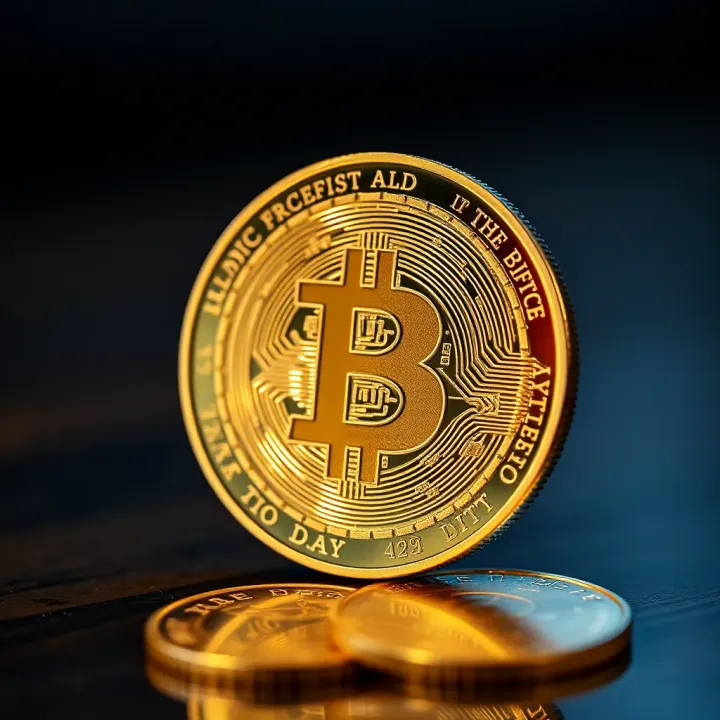
Popular halal coins often have strong backing from scholars or Shariah advisory boards. For instance, OneGram offers gold-backed tokens, combining Islamic finance's emphasis on tangible assets with blockchain technology. Another example is IslamicCoin, which seeks to finance sharia-compliant projects and charities.
Choosing halal coins not only aligns with religious duties but can also protect investors from volatile or unethical market practices common in the broader crypto space.
Key features to watch for include:
Avoidance of interest-based lending and borrowing mechanisms
Transparent project aims that exclude forbidden industries
Asset-backing to reduce excessive speculation
Shariah board certification validating compliance
For Pakistani investors, the rise of halal coins opens diverse opportunities. Since the State Bank of Pakistan (SBP) and Pakistan Telecommunication Authority (PTA) regulate digital payments and telecoms closely, many prefer halal crypto as a trustworthy option amid a growing fintech ecosystem including JazzCash and Easypaisa.
In this guide, you will learn how to evaluate halal coins confidently and understand their growing significance for ethical investing both locally and globally. This practical knowledge is crucial for traders, financial analysts, and brokers navigating Pakistan’s evolving crypto market while respecting Islamic finance principles.
Investing in cryptocurrencies has become popular worldwide, but for many Muslim investors, understanding whether a digital asset is halal is vital. Halal coins are cryptocurrencies designed to follow Islamic finance principles, allowing investors to participate without compromising their faith. This section explains what makes a coin halal and why such investments matter.
Islamic finance operates under specific guidelines derived from Shariah law, which prohibits earning interest (riba), excessive uncertainty (gharar), and investing in unethical industries like alcohol or gambling. Instead, it emphasises profit-and-loss sharing, asset-backed transactions, and fairness. When these principles apply to cryptocurrencies, coins must avoid elements that resemble conventional interest or speculative trading to be considered halal.
A halal cryptocurrency typically avoids interest-based mechanisms, excessive leverage, and speculative behaviour. These coins often have transparent governance, clear use cases aligned with ethical sectors, and follow guidelines confirmed by qualified Shariah scholars. For example, platforms using proof-of-stake consensus rather than interest-bearing lending align better with Shariah principles.
Muslim investors should steer clear of cryptocurrencies tied to gambling, alcohol, pork-related businesses, or projects that generate profit through usury. Additionally, high volatility leading to speculative gains, or investment in coins with hidden fees resembling interest payments, would be considered non-compliant. Avoiding such financial activities helps safeguard investments within ethical boundaries.
Halal investment allows Muslims to grow wealth without conflicting with Islamic ethics. Since cryptocurrency markets often involve complex financial products, ensuring Shariah compliance reassures investors that their profits are pure and acceptable. This respect for religious principles enhances investor confidence and trust.
Putting money into non-compliant coins can expose investors not only to financial risk but also to spiritual concerns, as profits gained through prohibited means might be considered void. Moreover, some non-halal coins may face regulatory scrutiny or moral critique within Muslim communities, leading to uncertain long-term viability.
As cryptocurrencies gain traction in Muslim-majority countries, demand for halal digital assets is rising. Investors in Pakistan and beyond want reliable options that meet Shariah requirements. This trend encourages projects to adapt and earn certifications from renowned Shariah advisory boards, expanding halal investment opportunities globally.
Halal coins bridge modern finance and traditional ethics, letting Muslim investors participate confidently in the fast-changing crypto world.
With this understanding, investors can make well-informed decisions that honour both their financial goals and religious values.
Investors aiming for Shariah-compliant cryptocurrencies need clear criteria to judge whether a coin is halal. This assessment protects them from unknowingly participating in forbidden financial practices. The criteria cover financial health, business activities, and ethical oversight to align investments with Islamic principles.
Islamic finance forbids excessive debt that relies on interest, so evaluating a cryptocurrency project’s leverage is essential. Generally, a coin linked to a project with debt levels above 33% of its total assets raises concerns. For example, if a blockchain platform's treasury reports Rs 100 crore in assets but Rs 50 crore in interest-bearing liabilities, it likely fails this screening.
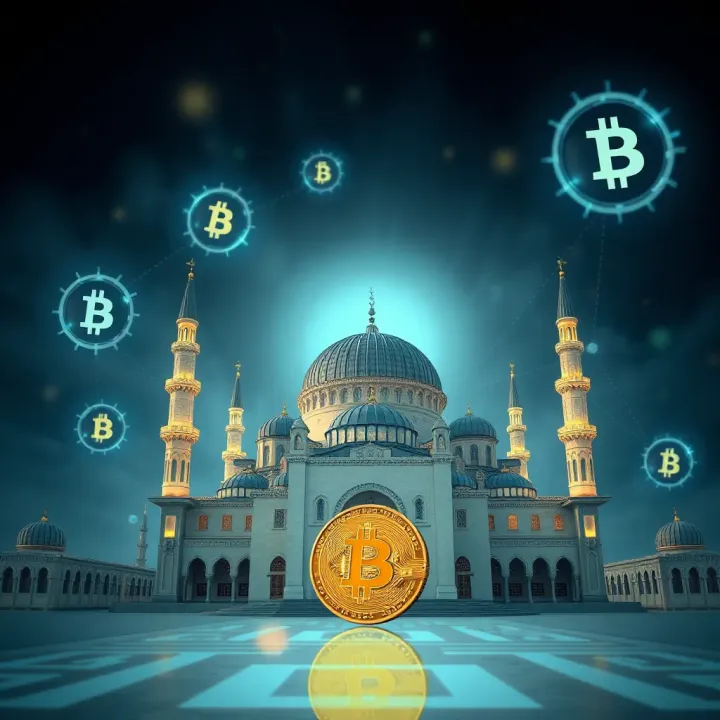
Interest (riba) is strictly prohibited in Shariah. Hence, coins linked to business models or treasury funds that earn or pay fixed interest fail compliance. An investor must examine whether the project's earnings involve interest-based lending or investments. If the native coin incentivises staking via fixed returns resembling interest, it requires careful scrutiny before deeming it halal.
The underlying business or use case of a cryptocurrency must be lawful (halal). Sectors like real estate, halal food trade, and ethical technology align with Islamic finance, while gambling, conventional banking, or alcohol-related businesses do not. For instance, a coin used in halal supply chain management presents a viable investment option compared to one supporting online casinos.
Good governance and transparency are key markers of halal projects. Investors should look for clear disclosures of team backgrounds, regular audit reports, and mechanisms for addressing user concerns. Poor transparency can hide unethical practices or financial mismanagement, so coins with anonymous teams or opaque funding sources are best avoided.
Many halal cryptocurrencies seek certification from Shariah advisory boards to verify compliance. These certifications add credibility and provide assurance that scholars have reviewed the project's principles. Investors should prioritise coins with recognised endorsements instead of relying solely on marketing claims.
Leading Shariah auditors known for crypto evaluations include firms associated with The Accounting and Auditing Organisation for Islamic Financial Institutions (AAOIFI). Some advisory boards in Malaysia and the Middle East have begun specialising in digital assets. Referring to coins certified by such bodies helps Pakistani investors navigate compliance confidently.
Choosing halal coins involves a thorough check of financial ratios, underlying business ethics, and scholarly certification. This layered approach helps investors align their portfolios with both profitability and Islamic values.
Popular halal coins have gained attention because they provide Muslim investors with ethical alternatives in the volatile cryptocurrency world. For traders and investors in Pakistan and beyond, these coins offer a chance to engage in crypto markets without stepping outside Islamic finance guidelines. Picking from established coins with clear Shariah compliance can reduce doubts around religious permissibility.
Coins like Stellar (XLM), Algorand (ALGO), and Cardano (ADA) enjoy broad recognition among halal investors. Their practical appeal lies in established technology, large market capitalisation, and the backing of Shariah advisory endorsements. For example, Stellar’s emphasis on fast, low-cost cross-border payments fits the Islamic finance principles that favour transparency and fairness in transactions.
Algorand and Cardano similarly focus on secure, scalable blockchain solutions with governance models designed to prevent obstruction or unethical practices. These features not only adhere to religious requirements but also offer robust infrastructure for investors concerned about project longevity and technological soundness.
These coins align with Islamic finance principles by avoiding interest (riba), excessive uncertainty (gharar), and involvement in haram sectors. Their whitepapers and business models emphasize ethical compliance, which can give investors peace of mind. This commitment also encourages wider adoption among Muslim communities globally, fostering a growing halal crypto ecosystem.
New halal tokens continue to enter the market, often aiming to fill gaps in compliance or to innovate within Shariah limits. Projects like X7 Finance or OneGram promote gold-backed tokens or decentralised finance (DeFi) options that claim strict adherence to Islamic principles.
While newcomers bring fresh potential and specific Shariah certifications, they carry higher risks due to limited track records, smaller community support, and sometimes unclear governance structures. Investors should weigh the promise of ethical innovation against the challenges of market volatility and project sustainability.
Careful research and patience are vital when considering emerging halal tokens, especially in markets prone to rapid shifts and speculative bubbles.
Potential rewards include early entry into projects that may benefit from rising halal investing demand. However, risks involve lack of liquidity, regulatory uncertainty in Pakistan and abroad, and possible failure to meet strict Shariah standards consistently.
For Pakistani investors, balancing these factors is key. Using verified platforms and staying aware of financial regulations, including FBR guidelines, will help maintain both compliance and financial security.
By focusing on well-established halal coins while keeping an eye on credible new projects, investors can build a balanced portfolio aligned with Islamic values and market realities.
Investing in halal coins requires a careful balance between adhering to Islamic principles and managing financial risks. Knowing how to properly evaluate these coins helps investors avoid non-compliant assets and minimise losses in a volatile market. For Pakistani investors, understanding these steps is particularly useful given the rising interest in Shariah-compliant digital assets and the evolving regulatory landscape.
Shariah compliance certifications are a key signal for halal cryptocurrencies. These certificates come from recognised Islamic scholars or advisory boards who review a coin's financial structure and business activities. In Pakistan and globally, investors should look for certifications from reputed bodies like the Shariah Advisory Council of the Accounting and Auditing Organisation for Islamic Financial Institutions (AAOIFI) or prominent Islamic finance institutions. These endorsements reduce uncertainty by confirming the coin respects Islamic prohibitions against interest (riba) and excessive uncertainty (gharar).
Simply spotting a certification is not enough. Investors should cross-check claims by comparing information published on official sites and independent Islamic finance blogs or forums. For example, if a coin claims shariah compliance, verify through multiple sources and examine whether the certification is recent and covers the coin’s current features. Due diligence also means reading the coin’s whitepaper carefully to assess transparency in governance and financial practices aligned with Shariah principles.
Cryptocurrencies are inherently volatile, and halal coins are no exception. Prices can swing wildly due to market sentiment, regulatory news, or technological changes. Investors must be prepared for price fluctuations and evaluate whether they can handle such swings without panic selling. For instance, Cardano, widely regarded as halal-friendly, has seen sharp ups and downs — recognising this helps manage expectations.
Halal coin investing is not just about profit; it prioritises ethical compliance. This might limit the pool of available opportunities but protects investors from prohibited activities. Pakistani investors should aim for a thoughtful balance: choosing coins that meet Shariah standards while also providing reasonable growth. Accepting slightly lower profits in exchange for religious compliance is often part of this strategy.
Trading halal coins via familiar and localised platforms like Binance Pakistan is convenient and secure. These platforms often support PKR deposits and withdrawals, and comply with Pakistan’s telecom and financial regulations. Using such services reduces concerns over international transfer delays or compliance issues. Plus, features like mobile apps and Urdu support improve user experience.
Pakistani investors should also stay aware of Federal Board of Revenue (FBR) rules on cryptocurrency. While the tax framework for crypto is still evolving, any capital gains or income must be reported transparently to avoid legal problems. Maintaining clear records of buy-sell transactions and consulting tax advisors ensures compliance with Pakistani laws.
Safely investing in halal coins involves verifying Shariah compliance, understanding market dynamics, and using trusted local platforms—all while respecting Pakistan’s regulatory environment.
This multi-step approach helps investors not only protect their faith-based values but also navigate the complexities of the crypto market thoughtfully.
The future of halal coins is increasingly shaping the financial landscape, especially for Muslim investors seeking ethical and Shariah-compliant investment options. This outlook matters because it signals how Islamic finance principles and digital assets are moving closer together, expanding opportunities while addressing specific concerns about compliance and market stability.
Regulators around the world, including in Pakistan, are beginning to pay closer attention to cryptocurrencies that follow Islamic finance rules. This trend helps boost confidence among investors and institutions by creating clearer guidelines on what qualifies as halal. For example, the State Bank of Pakistan has shown interest in understanding and potentially regulating digital currencies with a focus on preventing illicit finance, which includes ensuring Shariah compliance where relevant.
This regulatory recognition also means halal coins could become more integrated with formal financial systems, reducing grey areas for investors. This step not only protects consumers but also encourages more mainstream adoption.
Islamic banks and financial institutions are exploring how to incorporate halal coins into their product offerings. Integration with Islamic banking systems allows investors to use halal coins for more than just trading — such as in financing, remittances, and savings products that comply with Shariah.
For instance, some Islamic banks in Gulf countries have started pilot projects to explore blockchain technology for improving transparency and security in transactions. Pakistani Islamic banks may follow this path, which would open up new ways for local investors to engage with halal cryptocurrencies through familiar channels.
One key challenge is the difference in how scholars interpret Shariah compliance regarding cryptocurrencies. Some may consider particular aspects of crypto trading as speculative or uncertain (gharar), while others may approve under strict conditions. This variation creates confusion for investors trying to choose which halal coins to include in their portfolio.
Without a unified stance, coins certified halal by one advisory board might be questioned by another, so investors must keep track of multiple certifications and opinions to make informed decisions.
Halal coins face the same technical difficulties and price volatility as other cryptocurrencies. Rapid price swings can heighten risks, making it harder for investors to maintain a stable, ethical investment aligned with Islamic finance’s emphasis on risk-sharing rather than undue speculation.
Moreover, technical risks like hacking or network failure can undermine trust in emerging halal coins. Due diligence and selecting projects with transparent governance and strong security measures become essential steps for anyone investing in halal digital assets.
Understanding these trends and challenges helps investors navigate halal coins more confidently, striking a balance between religious compliance and the realities of a fast-changing financial market.
By keeping an eye on regulatory developments and technological advances, investors — particularly in Pakistan — stand to benefit from halal cryptocurrency investments that are safe, transparent, and aligned with Islamic values.
Explore auto trading in Pakistan 📈 Understand systems, evaluate risks, benefits, and regulations to trade smarter with automated tools successfully.
📈 Learn how Pakistani investors can use copy trading to mirror expert strategies, understand risks, benefits, and top platforms for smart investing.
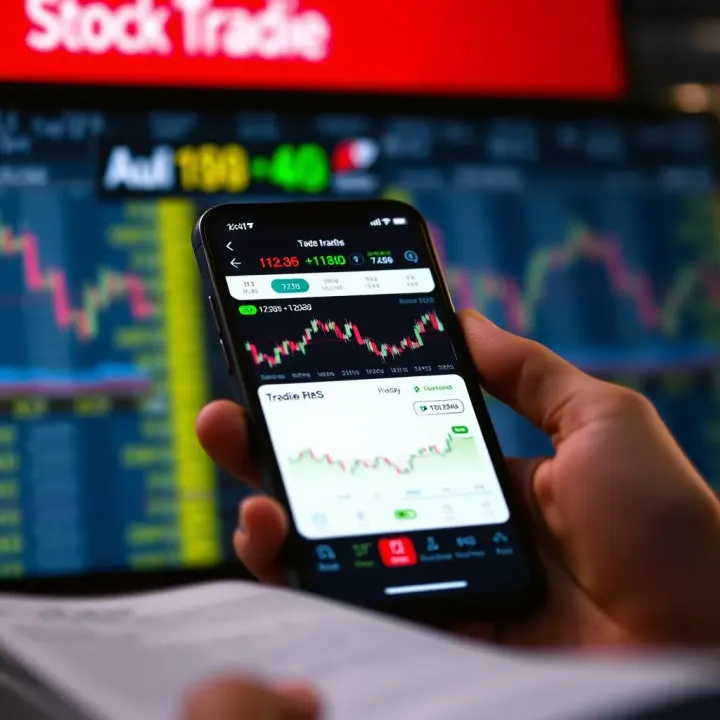
🔍 Explore trading apps tailored for Pakistani investors! Learn features, benefits, security tips & how local laws shape your trading experience. 📱💹
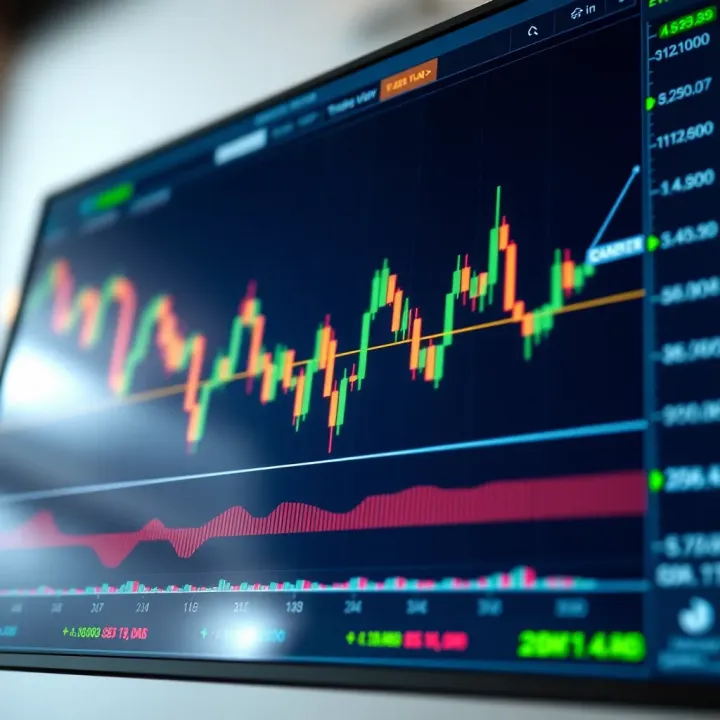
Explore TradingView's tools, customization, and community features 📊. Learn how beginners and pros use it for market analysis on desktop & mobile 📱.
Based on 7 reviews