
Understanding Copy Trading for Pakistani Investors
📈 Learn how Pakistani investors can use copy trading to mirror expert strategies, understand risks, benefits, and top platforms for smart investing.
Edited By
Liam Gallagher
In Pakistan, investing has seen a big shift thanks to technology. Trading apps have made it a breeze for people to access stock markets, commodities, and other financial instruments directly from their smartphones. Whether you're a newbie trying to make your first investment or a seasoned trader looking to stay ahead, understanding these apps can make a major difference.
Trading platforms are no longer just for the big players. With apps like PSX's own web and mobile platforms, and other third-party apps linked to brokers such as MCB-SEAMC or JS Global Capital, investors can buy, sell, and monitor their portfolios anytime, anywhere.
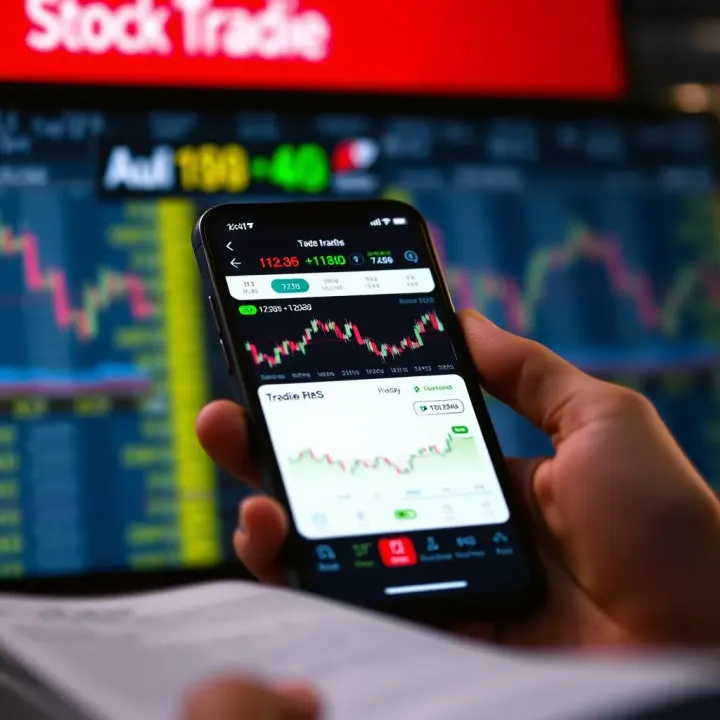
This guide dives deep into how trading apps work in Pakistan, their key features, and what stands out in terms of security and compliance with local laws. You'll also find practical tips on picking the app that suits your style, alongside potential risks to watch out for.
In today's fast-moving market, having the right trading app is like having your own personal financial assistant in your pocket.
By the end of this article, you'll have a clearer picture of how to use these tools wisely and how they fit into the bigger picture of Pakistan's investment landscape.
Understanding trading apps is the first step toward effectively navigating Pakistan's financial markets using modern tools. Trading apps have revolutionized how people access markets, bringing the power of trading to the palm of your hand. Knowing what these apps are, how they work, and their core features can save time, reduce risks, and improve decision-making for investors and traders alike.
In Pakistan, where mobile internet and smartphone usage are growing fast, trading apps provide unmatched convenience. Instead of being tied to a desktop or broker's office, traders can monitor stocks, forex, or crypto anytime. Grasping what trading apps do also helps investors pick the right platform suited for their needs—whether they’re dabbling in equities on the Pakistan Stock Exchange or looking at global forex pairs.
At their heart, trading apps allow you to buy and sell financial assets like stocks, currencies, commodities, and cryptocurrencies through your smartphone or tablet. Instead of going through lengthy paperwork or calling brokers, these apps let you place orders directly. For example, if you want to buy shares of Engro Corporation, you can simply search the stock, enter the number of shares, and execute the trade instantly. This immediacy cuts down the time between decision and action, reducing the chances of missing out on market movements.
Moreover, these platforms connect with exchanges or liquidity providers, ensuring the orders reach the market promptly. Some apps even support advanced order types, like limit orders or stop-loss, giving more control over when and how trades execute. This direct access makes trading fast, cost-effective, and accessible compared to traditional offline methods.
Successful trading hinges on timely information. Trading apps deliver real-time data on prices, volume, and market depth, which helps form the basis of informed decisions. Whether you're watching the live feed of PSX market prices or tracking USD/PKR forex rates, instant updates prevent surprises that lagging data might cause.
Besides raw prices, many apps pack analysis tools like candlestick charts, moving averages, and RSI indicators. For instance, apps like MetaTrader or Webull offer detailed charting to spot trends or reversals. Some local apps also include news updates tailored to Pakistani markets, allowing users to react quickly to events like State Bank policy changes or corporate announcements.
This immediate access to information levels the playing field, letting retail investors compete with bigger players armed with expensive data terminals.
A trading app is only as good as how easy it is to use. The user interface (UI) needs to be intuitive, letting users quickly find stocks, check their portfolio, and place trades without fumbling. For Pakistani investors, considering language options and local customer support also adds to accessibility.
Good trading apps feature clean layouts, clear fonts, and simple navigation menus. For example, PSX’s official app or a popular foreign app like TD Ameritrade adapts its interface to be user-friendly even for beginners. Accessibility also means being compatible with most smartphones and performing well even on slower internet connections, a factor critical in many parts of Pakistan.
By ensuring interfaces are straightforward, these apps help widen participation in the market and reduce errors caused by confusing designs.
These apps focus on trading shares listed on stock exchanges. In Pakistan, apps like PSX’s own platform or third-party apps such as iTrade Direct connect investors to the Pakistan Stock Exchange. They allow users to buy and sell shares, track portfolios, and view dividend histories.
Stock trading apps often include features like market depth to see buy and sell orders, earnings calendars, and corporate announcements. This makes it easier for investors to keep tabs on both local companies like Habib Bank and international stocks if supported. These platforms cater to investors from novices to seasoned traders seeking quick execution and data.
Forex apps specialize in trading currency pairs. Given the demand for USD/PKR, EUR/USD, and others among Pakistani traders, apps like MetaTrader 4 and 5 are popular choices. These apps offer advanced charting, automated trading scripts (Expert Advisors), and news feeds relevant to currency markets.
Forex trading apps emphasize liquidity and tight spreads since trades often occur in high volumes and short intervals. They also support leverage options which can amplify both profits and risks. For Pakistani users, finding forex apps that comply with local regulations and offer easy deposit methods like JazzCash or bank transfers is important.
With crypto’s surge in Pakistan despite regulatory uncertainties, apps that allow buying, selling, and storing digital currencies are gaining traction. Platforms like Binance, Coinbase (restricted but accessible via VPN sometimes), and local apps like BitSky provide crypto trading options.
These apps often include wallets to hold coins, real-time price tracking for Bitcoin, Ethereum, or altcoins, and options to swap cryptocurrencies. They cater to users who want to diversify beyond traditional assets. However, since crypto markets operate 24/7 and are volatile, these apps emphasize speed and security.
Commodity trading apps focus on markets like gold, silver, oil, or agricultural products. In Pakistan, many investors prefer gold as a hedge, so apps providing access to gold price movements and trading are useful. International apps like eToro and Plus500 offer commodity trading alongside other asset classes.
These apps provide live pricing, charts, and sometimes contracts for difference (CFDs), allowing traders to speculate without owning the physical commodity. They suit traders looking to diversify portfolios or hedge against inflation.
In the context of Pakistani investors, understanding these different types of trading apps helps in selecting one that fits your trading style, risk appetite, and asset interests. Whether it’s stocks on PSX or cryptocurrencies grinding through global exchanges, each app type offers unique tools to engage with the market effectively.
Trading apps have come a long way beyond just letting users buy or sell assets. Their usefulness hinges on a few core features that make trading smoother, smarter, and more manageable, especially for Pakistani investors navigating sometimes choppy market waters.
The first thing traders notice is how easy—or complicated—it is to use the app. A cluttered or confusing interface can make someone second-guess every move, which is the last thing you want when making quick decisions.
Simplified order placement is vital. Apps like PSX's official app or Tapal Securities have streamlined their order screens to the point where even a newbie can place a market or limit order without jumping through hoops. You shouldn’t have to dig through layers of menus — one or two taps should get your trade executed. This clarity speeds up trades and reduces costly mistakes.
Portfolio tracking is another must-have feature that keeps investors connected with their investments. Being able to check your overall portfolio performance, see how individual stocks or assets are doing, and quickly compare gains or losses all in one place is a huge help. For example, apps like HBL Konnect offer portfolio summaries that visually break down your holdings, making it easier to catch if one asset is dragging you down or if you’re overweight in a risky sector.
Trading apps aren’t just order platforms — they double as your personal market analyst.
Charts and indicators let traders spot trends without needing a formal course in technical analysis. You might start with simple moving averages or RSI (Relative Strength Index), steadily building towards more complex indicators patched together by apps like MetaTrader or IQ Option. These tools can help investors anticipate possible reversals or momentum before making a move, which can seriously boost decision confidence.
News feeds and alerts keep you plugged into the market buzz. Pakistani investors can find specialized news pushes about the PSX or currency fluctuations straight from apps like Mettis or Bloomberg Pakistan. Practical alerts might notify you if a stock hits your set price, or if there’s breaking legislation affecting market sectors, so you’re never caught off guard.
Handling your money smoothly and securely should never be an afterthought.
Deposit and withdrawal processes need to be clear and hassle-free. Many Pakistani trading apps now support local payment methods such as JazzCash and Easypaisa, alongside traditional bank transfers. Quick fund access means you don’t miss market opportunities just because your money is stuck waiting for clearances. Plus, watch out for any fees or delays—the faster and cheaper, the better.
Order history and summaries serve as your trade diary. By reviewing past orders, investors can learn from their previous trades or spot trends in their own behavior. Imagine being able to quickly pull up your trade list, see which ticks worked out and which didn’t, then adjust your strategy accordingly. Databases on platforms like Tradeciety or Interactive Brokers archive this data clearly and let you export it for your records or tax purposes.
A good trading app is more than just a gateway to markets—it’s your daily toolkit for smarter investing. Features that focus on ease of use, insightful analysis, and smooth money management make all the difference for Pakistani investors aiming to get the most from their trades.
With these features shaping the daily trading experience, investors can focus less on wrestling with clunky tools and more on making informed decisions that count.
Trading apps have reshaped how investors in Pakistan engage with financial markets, making trading more accessible and efficient. In a market where time and information can make or break gains, these apps provide several key benefits that traditional trading methods often lack. For Pakistani investors, the appeal lies not just in convenience but also in cost savings, educational opportunities, and real-time access.
Gone are the days when investors had to be glued to their desktop computers to place trades. Trading apps allow investors to buy or sell stocks, forex, commodities, or cryptocurrencies directly from their smartphones. For example, an investor waiting at a local tea stall in Lahore can monitor price movements and execute trades without rushing home to a computer. This accessibility ensures that investors don’t miss critical market opportunities due to location or lack of a desktop setup.
Markets don’t always move on a fixed schedule that fits everyone’s routine. Trading apps provide the flexibility to react quickly during market hours or even participate in after-hours trading where available. This is particularly useful for investors balancing jobs or studies, who can manage their portfolios on the go, during breaks or commutes. For instance, if the Pakistan Stock Exchange (PSX) announces sudden news affecting a stock, traders can act immediately instead of waiting until the next day.
One major plus point of trading apps is reduced commission fees. Traditional brokers in Pakistan might charge flat fees or percentage commissions that eat into profits, especially for small-volume trades. Apps like PSX’s own mobile trading platform or international brokers such as Interactive Brokers offer lower and sometimes zero commission trades, helping investors keep more of their money. Lower commissions encourage frequent trading without the worry of fees piling up.
Besides commissions, many traditional brokers apply wider spreads or hidden charges on transactions. Trading apps often have tighter spreads and transparent fees, giving users a clearer picture of costs involved. This allows investors in Pakistan to plan better and avoid surprises. For example, the spread on currency pairs in Forex trading apps like MetaTrader 4 tends to be narrower compared to manual broker trades.
Many Pakistani investors are just stepping into the world of trading, and apps recognizing this offer built-in tutorials and guides within their platforms. These resources cover everything from how to place trades to understanding market indicators and risk management. Platforms like Thinkorswim and TradingView provide such tutorials that help users improve their skills without leaving the app.
Reliable customer support can mean the difference between a small mistake and a costly error, especially for beginners. Trading apps often come with chat support, call centers, and email help desks that assist users in real-time. Local brokers like IGI Securities provide support tailored for Pakistani investors, answering queries about account issues, platform navigation, or transaction disputes.
Access to markets, cost savings, and learning on the go form the backbone of why trading apps are becoming a favorite choice for Pakistani investors. Their convenience and tools empower users to manage investments confidently no matter where they are.
Overall, the benefits of trading apps go beyond just buying and selling—they create an environment where investors can stay informed, trade smartly, and do so efficiently without high barriers or costs.
Trading apps have made investing far easier, but they're not without their headaches. In Pakistan, where internet infrastructure and regulatory frameworks are still catching up, users often bump into specific troubles that can impact their trading experience and, ultimately, their profitability.
Slow app response times can be a real snag for traders. Imagine trying to sell shares quickly during a market dip only to have the app lag or freeze. This delay can cost dearly, especially in volatile markets. Common causes include overloaded servers on the app provider's side or outdated devices struggling to keep up. Traders should ensure their apps are regularly updated and consider using devices with sufficient processing power to reduce sluggishness.
Internet reliability in Pakistan also plays a huge role. While urban centers like Karachi and Lahore enjoy decent connectivity, rural or suburban areas might still face frequent drops or slow speeds. For example, a trader in Faisalabad might find executing trades on time challenging due to intermittent internet. As a practical move, it's wise to have a backup internet source, like mobile data providers such as Jazz or Zong, especially when markets are moving fast. Hybrid use of Wi-Fi and cellular data can serve as a safeguard.
Protecting personal and financial data is non-negotiable. Trading apps often require sensitive information—bank details, identification, even biometric data. If mishandled, this could lead to identity theft or financial loss. Practical advice includes using apps that offer end-to-end encryption and two-factor authentication. Don't ignore permissions apps ask for; if a trading app demands access to contacts or camera unnecessarily, it’s a red flag.
Recognizing scam apps is key, too. Several fake apps mimic popular platforms like PSX or international names but are traps designed to swindle investors. One giveaway is unusually high promises of returns or poorly designed user interfaces. Pakistani traders should always stick to apps listed on official app stores and cross-check developer credentials. Reading user reviews, especially complaints about unauthorized withdrawals, can save a lot of grief.
Pakistan’s securities regulations impact how trading apps operate locally. The Securities and Exchange Commission of Pakistan (SECP) supervises market operations to protect investors. This means apps must comply with licensing requirements, data protection norms, and reporting standards. A trading app lacking SECP approval might not only be illegal but risky for investors due to lack of oversight.
Restrictions on foreign trading platforms add another layer of complexity. Many global apps like TD Ameritrade or Robinhood are not officially available in Pakistan due to regulatory blocks or currency exchange issues. Even when accessible through VPNs, these platforms might restrict account funding or withdrawals, leaving traders stuck. Understanding these limitations is crucial; Pakistani investors should prioritize apps tailored to local laws and financial systems to avoid unexpected hassles.
Staying aware of these challenges helps investors protect their capital and make informed decisions when picking and using trading apps in Pakistan.
By knowing the common pitfalls—from tech glitches to legal restrictions—traders can better navigate the growing but still bumpy world of mobile trading here. Always balance convenience with security and compliance to keep your investments safe and your trading smooth.
Picking the right trading app is like choosing the best tool for a job; getting it wrong can cost you time, money, and frustration. For Pakistani investors, this decision has added layers—from local regulations to payment options and customer support tailored to Pakistan’s market. Understanding which app fits your needs involves looking closely at fees, reliability, and security to avoid surprises along the way.
Trading can be profitable, but keeping an eye on fees is just as important. It's easy to get caught off guard by commission costs, which vary widely among apps. Some, like IG or TD Ameritrade, might offer lower commissions for stock trades, but forex trading fees can differ dramatically depending on the currency pair and volume.
Comparing commission costs: Always check whether the app charges per trade or uses a spread model. For example, some platforms charge a flat fee of around PKR 200 per trade, while others take a percentage commission ranging from 0.1% to 0.5%. Knowing this helps plan your trades and estimate returns more accurately.
Hidden fees to watch for: Beyond the obvious commissions, watch out for withdrawal charges, inactivity fees, or costs for data and market news updates. These can quietly chew into your profits. An app might promote zero commission but then hit you with high spreads or hefty charges for withdrawing funds, something many overlook in the excitement of starting out.
Before signing up, it’s smart to have a peek at what others say. User feedback offers real-world insights into app performance and customer service.
Sources for trusted feedback: Check reviews on Google Play, the Apple App Store, and financial forums like Investing.com or PakStockMarket forums. These platforms frequently feature detailed user experiences that can highlight recurring issues or praise-worthy features.
Common complaints: Frequent problems include delayed order execution, poor customer service, and glitches creating app crashes during volatile market hours. If an app has consistent negative feedback about these issues, it’s probably best to look elsewhere. Conversely, praise for intuitive design and helpful customer support can help narrow your choice.
Security isn’t just a nice-to-have; it’s a must, especially when real money is on the line. Pakistani investors should ensure the app employs top-notch safety measures.
Encryption standards: Look for apps that use end-to-end encryption to protect your login and transaction information. This technology scrambles data so hackers can’t intercept it—essential if you’re trading through public Wi-Fi at a café in Karachi.
Two-factor authentication: This extra step in login verification—using a code sent to your phone or email—adds a critical security layer. Apps like HBL Konnect or JS Global's trading platform offer this feature, deterring unauthorized access even if your password gets compromised.
Choosing a trading app without considering security is like leaving your front door unlocked. Take these steps seriously to protect your investments and personal data.
By weighing these factors carefully—fees, reputation, and security—you'll be in a stronger position to pick a trading app that fits your style and safeguards your funds. It’s not just about what looks good upfront but what serves you reliably in the long haul.
Diving into the world of trading apps in Pakistan can seem like stepping into a bustling marketplace for the first time—there's a lot going on, and knowing where to begin is half the battle. Getting started properly sets the stage for smooth trading experiences and helps avoid common pitfalls. This section addresses the fundamental steps Pakistani investors need to take before placing their very first trade.
Opening an account with a trading app is akin to setting up a bank account but often demands a bit more paperwork. The process always involves document submission and identity verification to comply with Pakistan’s financial regulations.
When registering with popular apps like PSX’s official platform or international brokers such as Interactive Brokers, investors will usually need to provide:
A valid CNIC (Computerized National Identity Card)
Proof of address such as a utility bill or tenancy agreement
A passport-sized photograph
Bank account details to link for fund transfers
Having these ready beforehand can save a head-scratching delay down the line. For example, missing or unclear document scans often cause verification processes to stall, delaying the ability to trade.
KYC, or Know Your Customer, is a mandatory protocol ensuring the platform knows who its users are, helping to prevent fraud and money laundering. In Pakistan, KYC usually involves not only submitting documents but also undergoing a verification call or video identification in some cases. This step is non-negotiable and is your trading app’s way to keep the ecosystem secure for everyone.
Getting your account funded is like putting gas in the tank before you can drive down the trading highway. Knowing your options here can make the process smooth and less nerve-wracking.
In Pakistan, popular payment channels for funding trading accounts include:
Bank transfers via local banks such as HBL, MCB, and UBL
Easypaisa and JazzCash mobile wallets, which add convenience for smaller amounts
Debit کارت or online payment gateways
Some platforms also support international methods like PayPal or wire transfers, but these may involve extra steps or fees due to currency conversion and regulatory oversight.
Funding in Pakistani Rupees (PKR) is common, but when trading international stocks or cryptocurrencies, currency conversion comes into play. Investors must be aware that exchange rates and fees can affect their purchasing power. For instance, purchasing US stocks via an app like eToro will typically convert PKR into USD, subject to the exchange rate at that moment. Watching out for hidden conversion charges here can save you some surprises in fees.
Once your account is funded and verified, taking the plunge to place your first trade can be exciting but requires clear understanding of order types and risk management.
Market orders execute your buy or sell instructions immediately at the current going price. This is good when you want a trade done quickly but might cost a bit more if prices fluctuate rapidly.
Limit orders give you control by setting the price at which you want the trade executed. For example, if a stock is trading at PKR 100 but you want to buy only if it drops to PKR 95, placing a limit order will help you get that price or better, waiting patiently until the market matches it.
For new investors in Pakistan, market orders are simpler but knowing limit orders can optimize costs over time.
These two settings help you manage risks and lock in profits:
Stop-loss sets a price point where your position closes to prevent further losses. Consider a stock bought at PKR 120; setting a stop-loss at PKR 110 limits your potential loss.
Take-profit triggers selling when a target profit level is reached, say a 10% gain, before too much market volatility hits.
Using these wisely prevents emotional decisions—like selling out of panic—and helps you stick to your investment plan.
To sum up, starting with a trading app in Pakistan involves careful paperwork, understanding payment routes, and knowing how to place smart trades. Each step builds a foundation for safer and more effective investing.
Trading apps have become a staple tool for Pakistan's investors, offering ease and speed in managing financial portfolios. But like any technology tied to money, they come with risks. Staying safe while using these apps is more than just good practice—it’s essential to protect your investments and personal information. This section dives into practical tips that will help you trade smartly and securely.
A huge red flag in the world of trading apps is falling victim to phishing scams. These sneaky attempts often come as emails, texts, or even messages within other apps, pretending to be from your trading platform or bank. They ask for login details or passwords under some urgent pretense.
Recognizing phishing attempts comes with training your eyes to spot certain giveaways: unexpected spelling errors, strange sender details, and requests to click on dodgy links. Remember, legit financial institutions never ask for passwords through these channels. If something smells fishy, double-check with official customer service before sharing any data.
Alongside recognizing scams, secure password practices are your first line of defense. It means making your password a tough nut to crack by including a mix of uppercase letters, numbers, and symbols. Avoid basics like "123456" or your birth year. Equally important is not recycling passwords from other accounts; if one account gets hacked, this stops the domino effect from happening. Use password managers to handle complex passwords without forgetting them.
Only downloading trading apps from official stores like Google Play or Apple's App Store reduces the chance of installing fake or malicious software. These platforms have vetting processes and security checks, so they’re generally safer.
Downloading from app stores doesn’t guarantee perfection but cuts down a lot of risk. If a trading app is missing on official stores or exists only as a downloadable file from a website, it’s best to skip it.
Next, verifying app authenticity means doing a quick quality check: Check the developer’s name, read through user reviews cautiously, and confirm the version number matches what’s announced on the company’s official website or social media. Scammers often use nearly identical icons and names just to confuse users.
Keeping your trading apps up-to-date might seem like a chore, but it’s crucial. Updates often patch security loopholes found in earlier versions, so delaying them leaves your app vulnerable to attacks.
Importance of updates goes beyond security; they also improve app performance, fix bugs that might affect your trades, and sometimes bring new useful features.
Furthermore, preventing vulnerabilities through updates shields your data from emerging threats. Hackers are constantly finding new ways to exploit apps. Regular updates make sure you have the latest protection shielded around your account.
Remember, being cautious and vigilant with your trading app security isn't just about protecting money—it's about peace of mind in your investment journey.
Following these safety guidelines puts you a step ahead of risks. Trading apps can open many doors, but only if you lock them down from threats first.
Regulations play a vital role in shaping the trading landscape in Pakistan, especially when it comes to trading apps. For investors, understanding these regulations is not just legalese but a practical necessity. They help ensure that trading remains fair, secure, and transparent—preventing shady activities that could wipe out someone’s hard-earned savings overnight. Most importantly, these rules protect individual traders and maintain integrity in the market, making apps a reliable platform for buying and selling assets.
By knowing how regulatory bodies and policies work, Pakistani investors can better navigate the options available for trading apps and choose platforms that comply with local laws—avoiding unnecessary risks or penalties down the line. Let’s break down the main regulatory players and their rules to give you a clear picture.
SECP is the principal body overseeing securities markets in Pakistan. Think of it as the watchdog that keeps an eye on brokers, asset managers, and trading platforms. For trading apps, SECP’s role means they must get proper licensing and follow rules to protect users, like ensuring no price manipulation or insider trading.
The commission mandates transparency in transactions and requires brokers behind apps to submit regular reports. For example, if you use an app linked to a Pakistani brokerage house, SECP ensures that your trades are legally executed and your client funds are safeguarded. Without SECP’s supervision, many trading apps could operate with very little oversight, increasing the risk of fraud.
While SECP focuses on securities, the State Bank of Pakistan (SBP) manages banking and currency matters related to trading apps. Since funding accounts and withdrawing profits involve banks, SBP’s rules shape how money moves in and out of these platforms.
An example is the strict controls on foreign currency transactions and cross-border remittances, which affect how international trading apps function in Pakistan. If an app allows trading on foreign stocks, it must comply with SBP’s regulations on forex usage and money laundering. This helps keep the process above board, reducing chances of illegal capital flight or unauthorized fund transfers.
Trading apps can't just pop up and start operating in Pakistan. They need proper licenses from SECP or other relevant authorities based on the services they provide. These licensing checks confirm that the app meets minimum technical, financial, and security standards before welcoming customers.
As a practical tip, before downloading or registering on any trading platform, verify if it holds valid licenses. If, for example, a new app claims to offer Pakistani stock trading but isn't registered with SECP, steer clear. Licensed platforms provide peace of mind that your investments are handled through regulated channels.
To protect investors, regulators require trading apps to have certain safeguards. These include clear disclosure of fees, transparent order execution policies, and mechanisms for dispute resolution. Many platforms are obligated to segregate client funds from their operational accounts to prevent misuse.
Moreover, SECP mandates that brokers provide investor education and warnings about risks associated with trading. For instance, margin trading or leveraged products must come with explicit risk disclaimers. So when using trading apps, you should get a fair chance to understand potential losses and how the app handles your money.
In short, Pakistani regulations act like guardrails, making sure trading apps are safe, accountable, and fair for everyday investors. Being aware of these rules doesn’t just keep you legal but helps you pick trustworthy platforms that won’t leave you in the lurch.
Understanding these regulatory roles will help you trade smarter, with fewer surprises, on platforms that make sense for your financial goals in Pakistan.
When it comes to trading in Pakistan, the choice of app can make or break your investment journey. Popular trading apps bring convenience, useful features, and local advantages that every investor needs to consider seriously. Using the right app means smoother trades, better access to local and international markets, and tools that suit your trading style.
Local trading platforms like PSX-owned PSX Trader and broker apps such as JS Investor focus on features tailored for Pakistani investors. These apps typically offer:
Easy access to Pakistan Stock Exchange (PSX) stocks
Real-time price updates on frequently traded shares like Lucky Cement and Engro Corporation
Customized alerts on dividend announcements and market holidays
Integrated research reports often reflecting local economic conditions
These features help users keep a finger on the pulse of the local market without wading through irrelevant global info. Moreover, local apps often provide customer support in Urdu and English, which is invaluable for beginners.
A solid advantage of local platforms is their seamless connection with Pakistani banks and payment systems. Apps like TradeSME allow direct bank transfers with major banks such as Habib Bank Limited and United Bank Limited, avoiding the hassle of converting currencies or dealing with international transaction fees.
They also support local identification and verification processes, making account creation smoother. Plus, regulatory compliance with Pakistan's Securities and Exchange Commission (SECP) offers an added layer of trust and transparency.
Many Pakistani traders also tap into global markets via international apps like eToro and Interactive Brokers. These platforms provide access to multiple asset classes — foreign stocks, ETFs, forex, and even cryptocurrencies.
However, availability sometimes depends on the app’s willingness to operate in Pakistan, and connectivity or regulatory restrictions may limit full usability. Still, the user interfaces are often more polished with advanced charting tools, social trading features, and automated trading options. These can appeal to experienced traders looking beyond the local market.
The downside comes with a few hurdles:
Regulatory limitations: Foreign apps may not comply fully with Pakistani trading laws, making certain transactions legally grey.
Currency issues: Funding accounts with Pakistani Rupees can be problematic; often requiring conversion to USD or other currencies leading to extra fees.
Support and localization: Customer service may be limited or not available in local languages, making issues harder to resolve.
Payment delays: International bank transfers or card processing can slow deposit/withdrawal times, frustrating traders who need quick access to funds.
For Pakistani traders, weighing local convenience against international exposure is essential. Each option carries its pros and cons depending on your specific trading goals and needs.
In summary, selecting between local and international trading apps comes down to balancing ease-of-use, cost, regulatory comfort, and market access. Many investors prefer a hybrid approach—using local apps for domestic stocks and international platforms for broader options. Knowing these details helps make informed, practical decisions in Pakistan's evolving financial scene.
Keeping an eye on future trends in trading apps is essential for Pakistani investors aiming to stay ahead in a rapidly changing financial environment. These trends shed light on how technology and market dynamics are shaping investment tools locally, impacting everything from user experience to security and accessibility. Understanding these changes helps traders make informed decisions, adapt strategies, and benefit from emerging innovations.
Smartphones and reliable internet access have become increasingly common across Pakistan, including in smaller cities and rural areas. This expansion means more people now have the ability to access trading platforms right from their phones. As a result, the market is witnessing a surge in novice investors who prefer mobile apps over traditional desktop platforms.
For example, increased 4G coverage by local providers like Jazz and Zong means smoother app performance even in areas where internet was previously spotty. This trend lowers the barrier to entry and fuels the growth of active users, making the Pakistani trading ecosystem more inclusive and dynamic.
With more users joining through smartphones, trading apps are improving features to meet diverse demands. Apps now offer intuitive interfaces designed for thumb-friendly navigation, quick order placements, and real-time notifications that keep users updated on market moves without overwhelming them.
Features such as biometric logins like fingerprint scanning, personalized news streams focusing on the Pakistan Stock Exchange, and offline data caching are being rolled out to cater to local preferences and infrastructure limits. These improvements make trading faster, safer, and more accessible, encouraging users to engage more confidently.
Artificial intelligence is starting to play a bigger role in Pakistani trading apps by analyzing vast amounts of market data and user behavior. For instance, apps like TADAWUL+ incorporate AI to suggest trades based on current market trends, historical data, and risk appetite, tailored specifically for Pakistani traders.
Such smart suggestions help users, especially beginners, to navigate volatile markets with informed guidance rather than relying solely on guesswork. This reduces emotional decision-making and makes trade execution more strategic.
Automation is another trend gaining traction, allowing investors to set parameters like risk levels, investment goals, and asset preferences. The app then automatically rebalances the portfolio, executes trades, or adjusts stop-loss settings without continuous manual input.
Examples include apps like Kujore’s Robo-Advisor feature that tailor portfolios for users based on local market conditions and economic indicators specific to Pakistan. Automated management saves time, reduces errors, and helps maintain discipline, which is crucial for consistent long-term gains amid Pakistan’s evolving markets.
"Embracing these trends means Pakistani investors not only keep pace with global advancements but also leverage tools specially adapted to their unique financial environment."
By closely following the growth in smartphone penetration and adopting AI automation, trading apps in Pakistan are becoming smarter and more user-centric. This offers practical benefits for investors wanting to make the most of market opportunities while minimizing risks and effort.
When starting out in trading, having reliable resources can make all the difference. Additional resources help investors deepen their understanding, stay updated, and avoid common pitfalls. For Pakistani traders, who may face unique market conditions and regulatory nuances, tapping into the right sites, forums, and guidance can significantly boost confidence and success.
Access to solid educational websites and active forums bridges the gap between theory and real-world trading experience. Locally, platforms like PSX’s official site and Investopaper offer tailored information reflecting Pakistan’s stock market specifics, broker fees, and regulatory updates. Globally, sites such as Investopedia and BabyPips provide foundational knowledge and help explain complex trading concepts in easy terms.
Tip: Consistently visiting these sites ensures you're not flying blind. Keeping current on rules, market shifts, and investment strategies is key to sharper decision making.
Following market news is equally vital. Local newspapers like Business Recorder, plus international news outlets such as Bloomberg or Reuters, keep traders informed of economic developments that impact markets instantly. Many trading apps integrate newsfeeds, but holding a habit of cross-checking information from multiple news sources prevents surprises and fraud.
Learning from someone who's been down the road is invaluable. For ambitious traders, finding mentors online through financial networks or groups on platforms like LinkedIn or Facebook can provide personalized advice, feedback on strategies, and encouragement. These relationships offer insights beyond books and articles and help avoid costly mistakes.
Additionally, utilizing financial advising services helps if you want professional help tailored to your portfolio. Advisors licensed in Pakistan understand local tax laws, investment options, and can craft strategies suited to your financial goals. This is particularly useful if you're juggling multiple assets or need help understanding complicated products like derivatives or commodities.
Practical advice: When choosing a mentor or advisor, verify their credentials and reviews. Reputable professionals will have transparent records and clear communication.
Together, educational resources and personalized mentorship form a solid foundation for anyone serious about trading in Pakistan. They reduce guesswork, provide practical tools, and help build lasting skills essential for navigating both local and global markets.
📈 Learn how Pakistani investors can use copy trading to mirror expert strategies, understand risks, benefits, and top platforms for smart investing.
Explore auto trading in Pakistan 📈 Understand systems, evaluate risks, benefits, and regulations to trade smarter with automated tools successfully.
Explore top trading apps in Pakistan 🇵🇰, learn key features, safety tips, and how to trade smartly in a secure & regulated environment 📈📱.
📈 Explore top trading platforms for Pakistani investors! Learn features, safety tips, and local vs global options to trade smartly within Pakistan's rules.
Based on 11 reviews