
Choosing the Best Trading Platform: A Simple Guide
🔍 Discover how to pick the best trading platform for your needs! Compare features, secure options, and smart tips tailored for investors in Pakistan 🇵🇰.
Edited By
Sophie Graham
Trading in Pakistan has seen a steady rise as more people turn their attention to stock markets, forex, and cryptocurrencies. Choosing the right platform to execute trades is no longer a luxury but a necessity. Not all platforms are created equal—some fit well with beginners, while others are tailored for seasoned traders seeking advanced features.
In this guide, we’ll sift through the maze of available trading platforms specifically from a Pakistani investor’s perspective. Why focus locally? Because understanding the local market, regulations set by SECP (Securities and Exchange Commission of Pakistan), and banking practices can make or break your trading experience.
We’ll dig into the types of trading platforms, what features you should look for, the balance between local and global options, and practical advice to get you started on the right foot. Whether you’re checking out software like MetaTrader, web-based platforms, or mobile apps like HBL Konnect or JS Global’s trader portal, you’ll get a clear picture to help you trade smart.
Successful investing often starts with the tools you pick. Using the right trading platform is like laying a solid foundation for your financial growth.
By the end of this guide, you’ll not only understand what trading platforms are out there but also which ones align with your goals, whether you’re into day trading, long-term investing, or something more niche like commodity trading in Pakistan’s market.
Grasping what trading platforms are is the first stepping stone for anyone diving into the trading world, especially for Pakistani investors navigating the local and global markets. Trading platforms serve as the digital bridge linking traders to financial markets. Knowing what they do and how they work helps you pick the right tools to make informed decisions, avoid unnecessary fees, and streamline your trading activity.
At its core, a trading platform is software that lets you buy and sell financial instruments like stocks, forex, commodities, or cryptocurrencies. It's more than just a storefront—it's where you analyze prices, execute trades, and track your investments in real time. Think of it as your personal trading desk, accessible from your computer or phone. For example, platforms like MetaTrader 5 or local options like PSX's web portal give Pakistani traders the ability to place orders, monitor market movements, and manage their portfolio from one place.
Every trading platform offers certain basics to make trading efficient and safe. These include:
Real-time price quotes and charts for up-to-date market information
Order placement and management tools to buy, sell, or modify trades
Account management sections showing balances, trading history, and open positions
Alerts and notifications to keep you updated on market changes or order executions
These features may seem obvious but they form the backbone of a reliable platform. Without accurate data or smooth order execution, trading becomes guesswork at best.
Trading platforms act as the gateway between you and the global financial ecosystem. When you hit “buy” or “sell,” your order travels through the platform's servers to financial exchanges or liquidity providers. In Pakistan, for instance, platforms linked directly to the Pakistan Stock Exchange or international brokers give you access to multiple markets without physically being there.
This connection means you aren't limited to local stocks only—you can trade forex pairs, global indices, or commodities too. The platform’s job is to make this process smooth and reliable, so you don't miss out due to slow connections or outdated information.
Modern platforms often include automation tools like algorithmic trading or stop-loss orders that help manage risk without needing to babysit the screen 24/7. For example, setting a stop-loss on a ticker like OGDC allows you to limit losses automatically if the price dips below a certain level.
Execution speed also matters a lot. A fraction of a second delay in order processing can mean buying or selling at a worse price. Platforms optimized for fast execution help especially day traders who rely on quick moves. Platforms like MetaTrader or local apps such as NextTrade are designed to process these orders rapidly, reducing slippage and errors.
Understanding these core functions puts you in the driver's seat, so you can choose a platform that fits your trading style and keeps you ahead in the market.
Understanding the different types of trading platforms is essential for Pakistani investors aiming to pick the one that fits their unique trading style and needs. Each platform type offers its own set of advantages and challenges, impacting how people access the market, analyze data, and execute trades. Whether you prefer something beefy and feature-rich or need convenience on the fly, knowing your options can save you from costly mistakes down the road.
Desktop platforms have been the go-to for serious traders due to their robustness and reliability. These platforms run on your computer, offering better stability during high-volume trading. They're packed with advanced charting tools, technical indicators, and faster order execution speeds—perfect for those who want to dive deep into market analysis without worrying about glitches or lag.
For example, platforms like MetaTrader 5 and NinjaTrader are popular among Pakistani traders who dabble in forex and commodities because these applications offer customizable interfaces and automated trading options. The downside? You need a capable computer and a decent internet connection, but the payoff is a full-featured trading experience.
Pakistani investors often rely on platforms such as MetaTrader 4 and MetaTrader 5 because they support local brokers like Topline Securities and IGI Securities. These platforms cater to forex, CFDs, and futures trading with robust charting capabilities. For stock trading on the Pakistan Stock Exchange (PSX), platforms like PSX’s proprietary web-based software are common, but many also use desktop apps provided by brokers for enhanced functionality.
Web-based platforms work right from your browser, no installation required. This means you can access your trading account from virtually any device with internet access, making it a huge win for casual traders or those who switch between devices frequently. Platforms like TradingView or broker-specific web portals are examples widely used in Pakistan.
They usually offer enough tools for basic trading and charting but might lag when it comes to ultra-fast execution or complex strategies. That said, the ease of use and quick startup makes web platforms attractive, especially for beginners or investors who don't want to be tied to a single machine.
On the plus side, web platforms don't hog your computer’s resources or require updates on your end. This means lower maintenance headaches. On the flip side, depending on your internet speed and browser performance, the platform may slow down or freeze; also, they sometimes lack deep customization options.
A common complaint is the occasional downtime during high traffic, which can be a drawback in volatile markets where every millisecond matters. So, if trading fast and heavy is your game, a web-based platform alone might leave you feeling a bit behind.
Mobile trading apps bring the market to your pocket. You can monitor your portfolio, place trades, and get notifications no matter where you are—waiting in traffic or at the chai wala. Apps like HBL Konnect, MCB Arif Habib Savings & Investments, and international apps like MetaTrader’s mobile versions are gaining ground in Pakistan.
These apps excel in convenience. However, given their screen size and limited processing power, they’re generally better suited for quick trades or checks rather than detailed market analysis.
Mobile apps typically mirror their desktop counterparts but streamlined. They include watchlists, real-time quotes, push notifications for price alerts, and simpler charting tools. Yet, that's where limitations creep in. Usability concerns revolve around trading errors due to small touch targets or sluggish interface responses, especially during high-volatility times.
Traders must be cautious with order accuracy on mobiles—a slip of a finger can lead to unintended trades. Security is another key issue; mobile apps must use strong encryption and biometric locks, which many leading platforms have now incorporated.
Choosing the right trading platform type hinges on your trading frequency, style, and tech comfort level. Pakistan's growing market has all these options, so test a few before settling on the one that fits like a glove.
Picking the right trading platform isn’t just about flashy graphics or catchy ads. For Pakistani investors, it's about finding a tool that helps you make smart moves efficiently and safely. Certain features can mean the difference between a smooth trading experience and one filled with frustration or costly mistakes. When browsing options, focus on what truly impacts your daily trading routine—like how easy it is to use, the quality of tools for analysis, how well your orders get executed, and the platform’s security.
A trading platform with an intuitive design reduces the learning curve, saving you time and headaches. Imagine logging into a platform and immediately knowing where to check your portfolio, place trades, or analyze data without hunting around through confusing menus. This clear design makes trading accessible, even if you’re new to the market.
Customization options are also a big plus. Not every trader looks at the market the same way. Some want to see candlestick charts on the main screen, while others prefer an order book or news feed front and center. Platforms like MetaTrader 5 allow users to tailor dashboards, so you can arrange widgets or chart styles according to your routine. This makes your workspace work for you, not the other way round.
Charts and indicators form the backbone of smart trading decisions. Platforms that offer a variety of chart types—line, bar, candlestick—and indicators like Moving Averages, MACD, or RSI, empower you to spot trends and entry points with confidence. For example, a Pakistani trader following the Pakistan Stock Exchange might rely on Bollinger Bands to gauge volatility around oil and gas stocks.
Being able to backtest strategies or view historical data right in the platform gives you an edge. This kind of technical analysis helps reduce guesswork, making your moves based on patterns rather than hunches.
Understanding different order types is fundamental. A market order executes immediately at the current price, great if you want fast entry or exit. A limit order allows you to specify a price, which helps if you’re waiting for a dip or break out. Some platforms also offer advanced orders like stop-loss or trailing stops, crucial for managing risk without staring at screens all day.
Execution speed is another non-negotiable. Slow execution can mean missing good deals or getting filled at a worse price—especially during volatile sessions. Platforms powered by robust servers with low latency, like Interactive Brokers or ThinkMarkets, often provide speedy trade executions that matter when seconds count.
You’re entrusting these platforms with your money and sensitive info, so strong security should be a dealbreaker if missing. Encryption protocols ensure that your data—logins, transactions—don't get swiped by hackers. Many platforms use SSL encryption, which is a must-have today.
Two-factor authentication (2FA) adds an extra layer of protection. It means that even if someone guesses your password, they can’t get in without a second verification step (like a code sent to your phone). Platforms like HBL Broker or Alfalah Securities offer these features, giving peace of mind amidst raising cyber threats.
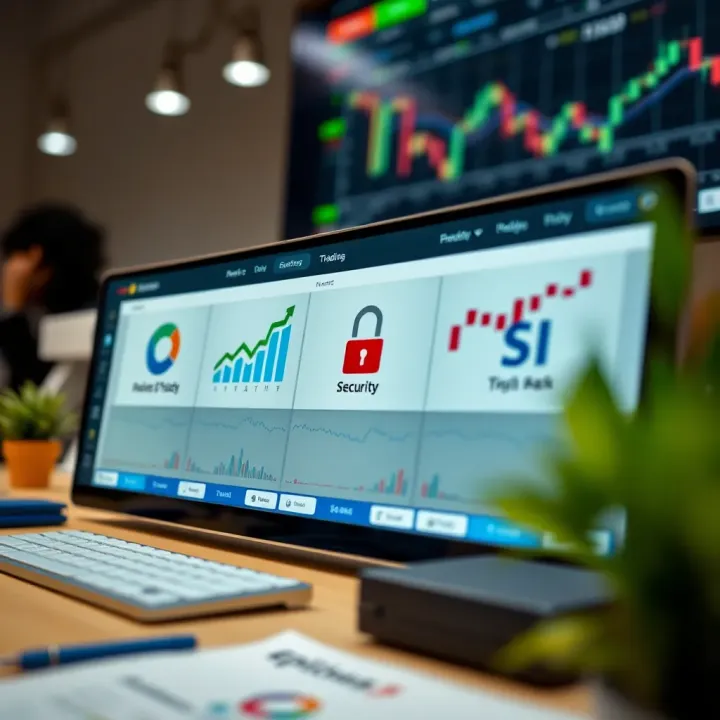
In trading, a platform that is easy to navigate, equipped with solid analytical tools, fast in execution, and highly secure makes all the difference. Don’t settle for less by overlooking these essentials.
Choosing wisely upfront sets you up for smoother trades, better decisions, and safer investments in Pakistan's fast-growing financial markets.
Choosing the right trading platform is essential for any investor, but it becomes even more critical in Pakistan due to local regulatory frameworks, market specifics, and available financial assets. Popular trading platforms, whether local or international, shape how Pakistani investors access markets, handle transactions, and manage their portfolios. Understanding which platforms are widely used helps investors make better decisions tailored to their needs.
Local brokerage platforms play a significant role by providing access to Pakistan Stock Exchange (PSX) and other regional investment opportunities. Firms like JS Global Capital, AKD Securities, and IGI Securities are among the prominent brokers offering dedicated trading platforms. These companies often provide desktop and mobile apps tailored to Pakistani market conditions, supported by local languages and customer service geared towards domestic traders.
These platforms’ local roots bring unique advantages. For example, they often offer direct integration with local banks for easier funding and withdrawals in Pakistani rupees, which avoids costly and time-consuming international transfers. Moreover, these brokers understand Pakistan’s regulatory requirements deeply, helping investors stay compliant with rules set by the Securities and Exchange Commission of Pakistan (SECP).
Unique local features, such as direct access to commodity futures trading on the Pakistan Mercantile Exchange, or specialized reporting tools adapted to local tax regulations, allow investors to operate more seamlessly within Pakistan’s financial system. Customer support teams specialized in Pakistani business hours and real-time assistance make it easier to solve any issues promptly.
For many investors new to trading, starting with a local brokerage platform offers the comfort of familiar currency handling, localized support, and regulatory assurance.
While local platforms focus mainly on PSX and regional assets, international trading platforms open doors to global stocks, forex, and commodity markets. Platforms like Interactive Brokers, eToro, and Saxo Bank have made inroads in Pakistan by allowing investors to diversify beyond local markets with access to the NYSE, NASDAQ, LSE, forex pairs, and commodities like gold and oil.
International platforms typically offer advanced tools suitable for more active or diversified traders. For instance, Interactive Brokers features low commissions and sophisticated order types, appealing to day traders and professional investors. eToro stands out for its social trading aspect, allowing users to follow and mimic experienced traders worldwide.
That said, regulatory considerations are crucial here. Pakistani investors must navigate foreign exchange regulations and Pakistan's tax laws on capital gains made abroad. Currency conversion fees and withdrawal restrictions can add layers of complexity. Moreover, the SECP requires investors to ensure that international brokers comply with local financial guidelines to avoid legal issues. Language barriers, time zone differences with customer support, and funding limitations may also impact the user experience.
Using international platforms provides excellent diversification opportunities but demands a firm understanding of cross-border finance and compliance.
In summary, Pakistani investors benefit from a mix of local brokerage platforms with tailored features and international platforms for broader market access. Weighing these options carefully in terms of security, costs, usability, and regulatory factors is key to selecting the platform that fits your trading goals best.
Choosing the right trading platform can feel like picking the perfect shoe—it's gotta fit your style and needs just right. For Pakistani investors, this means looking beyond flashy features and focusing on what truly syncs with your trading habits, budget, and goals. The right platform affects not just ease of trading but also your potential returns and peace of mind.
When it comes to trading, there's no one-size-fits-all. The way you trade dramatically shapes which platform suits you best.
Day traders thrive on quick moves, snapping up stocks or currencies several times a day for small gains. They need fast execution, real-time data, and tools for technical analysis. For instance, a day trader working with platforms like MetaTrader 5 or ThinkorSwim wants minimal lag and advanced charting to catch short-term trends.
On the flip side, long-term investors play the patience game. These folks hold stocks for months or years, focusing more on fundamental research than speed. For them, platforms with comprehensive research reports, dividend tracking, and a simple interface like HBL Konnect or JS Elite are often better suits.
Day trading tools prioritize precision and speed:
Real-time level 2 market data
Multiple chart indicators like RSI, Bollinger Bands
Quick order execution and modification
Long-term investors benefit more from:
Fundamental data on earnings, P/E ratios
Portfolio tracking and performance history
Easy access to dividends and corporate actions
Knowing your trading style upfront helps avoid the misery of juggling a platform that feels like using a wrench to drive a screw.
Cost can sneak up on you if you aren’t careful. Trading platforms in Pakistan often have clear commissions but can hide other fees.
Some brokers charge a flat fee per trade, say PKR 100 per trade regardless of size, which works well for big transactions. Others go with a percentage like 0.1% of your trade value, better for smaller trades. Interactive Brokers, though international, is known for competitive commissions, while local players like IGI Securities might have different slabs. It pays off to compare.
Remember: a platform that charges low commission but has slow execution can eat into profits just as badly.
Watch for fees that don’t scream at you upfront:
Withdrawal fees when moving money out
Inactivity or account maintenance charges
Data fees for premium market info
Currency conversion fees when trading international stocks
For example, many Pakistani platforms will charge a small fee to convert PKR to USD for global trades, something you shouldn’t overlook.
Testing before committing cash is smart and sometimes ignored.
Nearly all major brokers offer demo accounts. These give you fake money and let you test everything—from placing orders to using charts—without risking a rupee.
For example, if you want to try out IG Wealth or Easy Traders, opening a demo account first can show you how intuitive the design is and whether their tools match your style.
When you’re trying out a platform, focus on:
How smooth the order placement and cancellation feels
Accuracy and update speed of market data
Range of tools like screeners, alerts, and newsfeeds
Customer support responsiveness if things go wrong
Taking your time during the trial phase can save headaches later. A platform might look good on paper but feel clunky in daily use.
Choosing a suitable trading platform is not just about the bells and whistles. It's about finding your match—fit in terms of style, costs, and usability. For Pakistani traders, this means paying extra attention to fees and available local support, so you don't get stuck with surprises down the road.
Starting with a trading platform is often the trickiest part for new investors in Pakistan. It's not just about signing up; it’s about understanding crucial steps like account setup, funding, and placing your first trade. These stages lay the foundation for your trading experience, so knowing what to expect can save you a lot of hassle down the road. Whether you’re using a platform like PSX's own systems or international players like MetaTrader 5, these steps share a lot in common.
To open a trading account in Pakistan, regulators require certain documents to ensure legitimacy and security. Typically, you'll need a CNIC (Computerized National Identity Card) for identification, a recent utility bill to prove your address, and a bank statement or passbook for financial verification. These documents help the broker verify your identity and meet the Securities and Exchange Commission of Pakistan (SECP) compliance standards. Without proper documents, your account verification can be delayed or rejected, which stalls your trading plans.
The registration process usually begins with filling out an online or physical application form. Here’s a simple rundown:
Choose your broker/platform and register through their website or office.
Submit the required documents mentioned above.
Complete a KYC (Know Your Customer) check.
Wait for account confirmation, which might include biometric verification depending on the broker.
Receive your trading credentials—user ID and password.
Some platforms may also require you to link your bank account for easier fund transfers. Keep your email and phone number active during this period as brokers often send OTPs (One-Time Passwords) to complete verification.
Most Pakistani trading platforms support multiple local deposit methods, including bank transfers, EasyPaisa, JazzCash, and even direct deposit through ATMs or branches. For example, brokers like JS Global and AKD Securities allow seamless transfers via internet banking or mobile wallets, making it straightforward to add funds. When choosing a deposit method, consider convenience and transaction fees, which can vary between options.
Since Pakistani platforms primarily deal in PKR, funding your account in this currency is straightforward. However, if you're trading internationally, platform accounts might require USD or other currencies. In such cases, currency conversion becomes an added step. Be mindful of exchange rates and bank fees when transferring funds abroad or across currencies —these can eat into your investment capital if not accounted for. Use services with transparent fee structures whenever possible.
Your first step in trading is deciding what to invest in. You could go for equities listed on Pakistan Stock Exchange, government bonds, commodities like gold, or even forex pairs if your platform supports them. Beginners often prefer starting with stocks from well-known companies like Engro or Habib Bank since they're more stable. Understanding the asset’s market behavior and volatility is key to making informed decisions.
Once you pick an asset, the next part is setting your order details: the type of order (market, limit, stop-loss), quantity, and price where applicable. For instance, a market order executes immediately at the current price, while a limit order waits for your specified price. Pakistani platforms usually offer these order types, but it’s good to double-check. Correctly setting your order protects capital, especially in volatile markets. Also, watch out for order execution timings, as the Pakistan Stock Exchange hours might differ from international markets.
Starting slow, understanding each step, and being patient with the process will help you avoid costly errors. The first trade is a big deal, so taking the time to get these basics right goes a long way in building confidence and skill in trading.
Keeping your trading accounts safe is not just a good idea—it's a necessity. For Pakistani traders, the risks multiply with growing digital usage and increased online scams targeting investors. This section will spotlight practical steps you can take to shield your trading account from threats, ensuring your investments stay protected.
Passwords act like the front door to your trading accounts. Picking a weak password is like leaving your door unlocked in a busy neighborhood. A strong password should combine letters (both uppercase and lowercase), numbers, and special characters, making it tough to guess. Instead of using "123456" or "password," opt for something unique and unexpected, like mixing phrases, dates, and symbols — for example, “P@kSt0ck$2024!”.
Use a reliable password manager if remembering complex passwords is tricky—these apps securely store your passwords and generate strong ones for you. Also, avoid using the same password across multiple platforms. If one gets breached, all your accounts could be compromised.
Phishing scams remain one of the top ways hackers get hold of your login details. These scams often come disguised as genuine emails or messages, claiming to be from your broker or trading platform. They might ask you to "verify your account" or "confirm your password," sometimes even using familiar logos to gain your trust.
Always double-check the sender’s email address and never click on suspicious links. Brazilian traders, for instance, recently reported phishing attempts where fake messages promised insider info but led to credential theft. The same caution is needed here in Pakistan. Instead of following a link, navigate directly to your broker’s official site.
The Securities and Exchange Commission of Pakistan (SECP) is the watchdog behind the scenes, making sure brokers and trading platforms operate fairly and transparently. Their job is to weed out fraudulent activities and protect investors by enforcing rules and licensing brokers.
If your trading platform is regulated by SECP, you have an added layer of protection. This means the platform must meet standards for reporting, security, and customer handling. The SECP also acts as a complaint resolution channel if you face issues like fund mishandling or unfair practices.
Before committing to any trading platform, check whether it’s SECP-licensed and compliant with Pakistani regulations. This helps avoid untrustworthy operators who might disappear with your money.
Look for clear disclosures about compliance on the platform’s website or app. For international platforms accessible in Pakistan, confirm they follow global regulations and that you understand their terms, especially around deposits and withdrawals.
Always verify platform credentials before depositing funds. Taking this step early can save you significant headaches later.
By combining strong account security habits with awareness of regulatory protections, Pakistani traders can participate in the financial markets with greater confidence and peace of mind. Taking these practical security tips seriously means you're less likely to fall victim to scams, mishaps, or unauthorized access.
Navigating the ups and downs of a trading platform is a reality for any investor, especially in Pakistan where connectivity and tech infrastructure can vary widely. Understanding common problems early on saves you from panic and costly mistakes. Troubleshooting isn’t just about fixing things; it’s about keeping your trades on track and protecting your investments against avoidable glitches.
A stable and fast internet connection is the backbone of smooth trading. In Pakistan, not everyone enjoys fiber optics or high-speed broadband, so knowing the minimum requirements for your platform is key. Most platforms suggest at least a 4 Mbps connection, but trading with real-time data and charts often pushes this higher. Using mobile data can scramble orders if the signal drops suddenly.
Practical tip: Test your internet speed during peak hours when you plan to trade and consider backup options like a second SIM card or an alternate ISP to prevent trading without connection.
Sometimes glitches go beyond your control—maybe the platform is down, or your orders aren’t processing right. Don’t hesitate to reach out to your brokerage’s support team if you notice:
Inability to log in despite correct credentials
Persistent order delays
Errors or crashes repeatedly happening
Record the exact error message or take screenshots; this helps support troubleshoot quicker. Pakistani brokers like JS Global or AKD Securities offer reasonably prompt support via phone and chat. Remember, early contact can prevent a small hiccup from turning into big losses.
Delayed order execution can be infuriating and costly. In volatile markets, even a delay of a few seconds might mean missing out on a great entry or exit point. Delays often result from server overloads or poor internet connection. Sometimes the brokerage routes your orders via multiple networks, slowing things down.
To avoid this, choose platforms with good track records for execution speed like MetaTrader 5 or local brokers known for direct market access. If you notice consistent delays, it’s wise to ask the broker to explain their routing process and whether faster execution options exist.
A slip of a finger or selecting the wrong instrument can happen to anyone, but the consequences can be heavy with live funds. Immediate steps include:
Contact your broker immediately to see if trade cancellation or correction is possible.
Check if your platform offers a ‘confirm order’ feature or a setting to review trades before sending.
Use limit orders instead of market orders where possible to control buy/sell prices and avoid surprise fills.
"Mistaken trades are a wake-up call—review your platform’s settings and train yourself to double-check before hitting ‘submit.’ Prevention is better than cure."
Getting familiar with these common issues and how to manage them arms you with confidence for daily trading. Keep these troubleshooting tips handy—sometimes, it's the small details that keep your trading smooth and your peace of mind intact.
Trading platforms today don’t just offer a space to buy or sell assets; they also pack in tools and resources that help you sharpen your skills and stay updated on market trends. For Pakistani investors, especially those new to trading or juggling markets, these extras can be a real time-saver and a guide to smarter decisions.
Many platforms like PSX’s official brokerage interfaces or international favorites such as MetaTrader 5 provide built-in educational content. These range from simple video tutorials on placing trades to detailed courses about technical analysis and risk management. For example, some platforms offer step-by-step guides on how to read candlestick charts or set stop-loss orders. This makes it easier for investors to get familiar with trading basics right within the platform, without hunting for resources elsewhere.
Markets change fast—what worked yesterday might flop tomorrow. Staying updated with regular webinars, tutorials, and articles helps investors adapt to evolving conditions and sharpen their strategies. A Pakistani trader attending a weekly webinar on forex trends or commodities can better understand price movements and economic indicators relevant to Pakistan’s financial landscape. Continuous learning reduces costly mistakes and builds confidence, making it an investment in itself.
Instant access to market news from within your trading platform cuts down on time wasted jumping between apps or websites. Leading platforms like Interactive Brokers and Thinkorswim include news panels showing real-time updates about the stocks, commodities, or forex pairs you follow. This feature means you get the lowdown on earnings reports, political developments, or economic data releases that might affect your trades, all in one place.
Platforms often offer customizable alerts that trigger when certain market conditions are met—say, when a stock you own hits a target price or when the Pakistani rupee's exchange rate shifts beyond a threshold. These alerts keep you in the loop and help you act fast, even if you’re away from the screen. Real-time newsfeeds from trusted sources keep you ahead of the curve, allowing you to react before the crowd catches on. For example, an alert about a sudden drop in oil prices could be crucial for investors in PSX energy stocks.
Leveraging these additional tools and resources within trading platforms can sharpen your edge as an investor in Pakistan’s markets, making your trading not just reactive but informed and proactive.
🔍 Discover how to pick the best trading platform for your needs! Compare features, secure options, and smart tips tailored for investors in Pakistan 🇵🇰.

Explore top trading websites for Pakistani investors 🇵🇰! Learn features, security tips, regulations & how to choose the best platform for smarter trading 📈.
📊 Discover essential trading tools for Pakistani investors to enhance market analysis, platform selection, and risk management for smarter trades in Pakistan.

🔍 Explore trading apps tailored for Pakistani investors! Learn features, benefits, security tips & how local laws shape your trading experience. 📱💹
Based on 10 reviews