
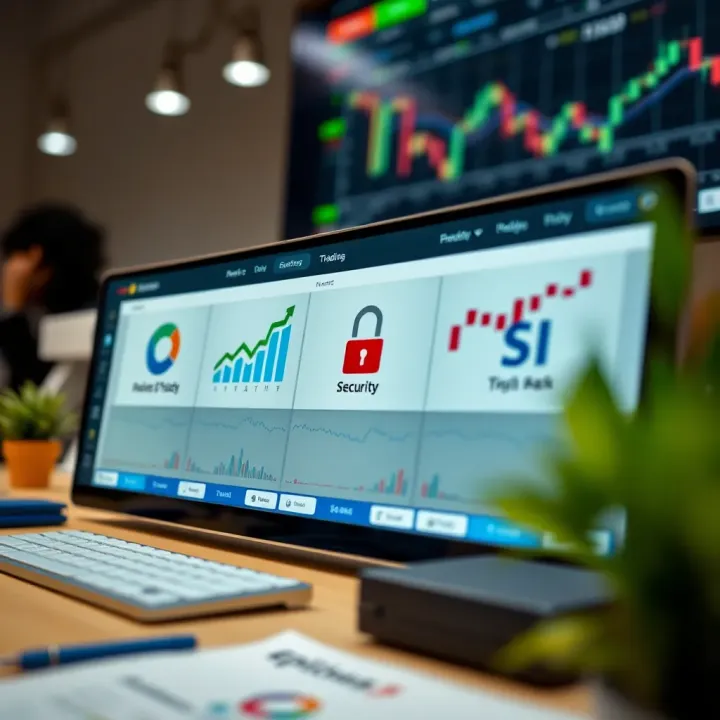
Guide to Trading Platforms for Pakistani Investors
📈 Explore top trading platforms for Pakistani investors! Learn features, safety tips, and local vs global options to trade smartly within Pakistan's rules.
Edited By
Liam Gallagher
Investing in Pakistan has become more accessible thanks to an increase in digital platforms tailored for local traders and investors. Online trading websites provide a gateway for people looking to dive into stock markets, forex trading, or even commodities. With so many options out there, it can be confusing to pick the right platform that suits your needs.
This guide aims to clear the fog by walking you through what to look for in a trading website specifically geared toward Pakistani investors. We'll explore the variety of websites available, from brokerage platforms to educational tools, while also touching on important aspects like regulations and security.

Whether you're a seasoned trader or just starting out, understanding these platforms can make a big difference in your trading experience and success. Knowing what features to prioritize and the risks involved can help you avoid common pitfalls and make smarter choices.
Getting the hang of trading websites is not just about picking a flashy interface; it’s about making sure the platform you choose aligns with your investment goals, is trustworthy, and offers tools that make sense for your strategy.
With the rapidly evolving financial market landscape in Pakistan, this article will serve as a practical compass, steering you closer to a well-informed decision on which trading website to call your own.
Trading websites have become essential tools for investors in Pakistan, offering a direct window into the financial markets and simplifying investment activities. Understanding their role is key because these platforms influence how you access markets, manage trades, and make investment decisions. For instance, if you rely on outdated methods, you might miss timely opportunities or face higher transaction costs.
These websites don’t just act as marketplaces; they provide investors with critical information, trading functions, and portfolio management tools all in one place. Think of them as your trading assistant — making your life easier by bundling data, order handling, and analytics in a single platform.
Most trading websites let you invest across a variety of assets, from local stocks listed on the Pakistan Stock Exchange (PSX) to international equities, commodities, and sometimes even cryptocurrencies like Bitcoin. This broad access means investors can diversify their portfolios without juggling multiple accounts or platforms. For example, Karachi-based investors can use PSX’s official trading platforms for blue-chip stocks while simultaneously investing in US tech stocks through reputable international brokers accessible online.
Having up-to-the-minute data is like having your finger on the market’s pulse. Trading websites provide live price feeds, market depth, and interactive charts that help you pinpoint trends or spot sudden market moves. This immediacy is crucial in volatile markets—say, around quarterly earnings or geopolitical events—that can flip prices within minutes. Websites like iTrade or Mettis Brokerage in Pakistan offer real-time data with tools for technical analysis, so you can make educated decisions rather than shooting in the dark.
A key feature of any trading site is the ease of order execution. Good platforms enable quick buy or sell orders with options like limit, stop-loss, or market orders to control your trades precisely. Beyond order placement, portfolio management features give you snapshots of your holdings, payout histories, profit/loss statements, and even tax reports. This centralization helps Pakistani investors keep track without drowning in paperwork or switching between apps.
These are usually tied directly to licensed brokerage firms like JS Global Capital or AKD Securities. They focus largely on local markets. The advantage here is reliability and compliance with SECP regulations, ensuring your trades are secure. Their platforms often come with customer support and tailored services such as margin trading or IPO subscriptions. However, options can be limited to their specific market focus.
Platforms like eToro or Interactive Brokers fall into this category, allowing Pakistani investors to trade stocks, forex, commodities, and cryptocurrencies all under one roof. They’re useful for traders interested in a variety of asset classes without opening new accounts at every broker. These websites offer wider market exposure but may have more complex fee structures and certain restrictions due to Pakistani financial regulations.
A relatively newer breed, these platforms enable you to follow and replicate experienced traders’ moves automatically. For example, ZuluTrade connects you with seasoned investors, allowing you to mirror their trades in real time. This can be helpful if you’re new to trading but want to learn by observing. Just keep in mind, results aren’t guaranteed and it’s wise to carefully vet which traders to follow.
Understanding these options helps Pakistani investors select a platform that matches their trading style and needs, whether you want in-depth local stocks access or a broad global portfolio with automated strategies.
By mastering how each type of platform works and what they bring to the table, you can navigate the trading ecosystem confidently, making smarter decisions every step of the way.
Choosing the right trading website isn't just about jumping into the market; it's about making sure the platform suits your trading style and needs. For Pakistani investors, who often deal with unique challenges like fluctuating internet speeds and currency differences, certain features become even more critical. A good trading website should offer an intuitive experience, solid security, and powerful tools that help you make smarter decisions—not just flash fancy charts or promise overnight gains.
An easy-to-use website can make or break your trading experience. Imagine trying to pull the trigger on a trade only to get lost in menus—that’s throwing money away. Here's what to keep an eye on:
The faster and cleaner you can place an order, the better. Platforms like PSX’s KATS or local players such as Summit Securities offer straightforward order placement with minimal clicks, ensuring traders don’t miss critical price moves. This feature matters especially when markets are volatile—the last thing you want is lag or confusion costing you an opportunity.
Everyone’s trading approach is different. Some prefer keeping tabs on just a few stocks, others on a broader watchlist. Customizable dashboards help by letting you arrange your workspace: add widgets, track specific indices, or display real-time news feeds. For instance, MCB Arif Habib’s platform lets users tailor their homepage, making it easier to focus on what’s important without clutter.
In Pakistan, where many rely on smartphones for internet access, mobile compatibility is more than a bonus—it’s a must. A trading website should offer a mobile app or at least a responsive site that works well on smaller screens. Apps like HBL Invest and Utrade have been tailored for quick trades, real-time alerts, and portfolio management on the go, enabling traders to react without being tied to their desks.
No one wants their personal and financial data leaked or hacked. Pakistani investors should look out for robust security features to protect against threats common in the online world.
Encrypted connections—usually verified with HTTPS and SSL certificates—keep your data safe during transmission. Websites must also implement secure login procedures. For instance, brokers regulated by SECP like JS Global often invest heavily in backend security to assure clients their information is locked up tight.
A trading site compliant with Pakistani regulations (SECP licensing, Anti-Money Laundering policies) adds a layer of trustworthiness. Before investing your hard-earned cash, confirm the platform’s regulatory approvals. This reduces risk from scams or unregulated entities operating in the shadows.
Passwords alone don’t cut it anymore. Two-factor authentication (2FA) forces users to prove their identity via a second step—like a text message code or app notification—adding a strong line of defense. If available, always enable this feature to prevent unauthorized access.
For more serious investors, beyond buying and selling easy, having relevant tools is essential.
Platforms that come with integrated charting software—offering a variety of indicators such as Moving Averages, RSI, MACD—help traders spot trends and make informed decisions. For example, the PSX’s KATS platform offers basic charting, but international platforms like TradingView, though not Pakistan-specific, are popular for in-depth analysis.
Automation is slowly catching on here. Automated trading or algorithmic trading allows investors to set predefined rules for buy/sell actions. While local adoption is limited, platforms like MetaTrader provide plugins that Pakistani traders can use to reduce emotional biases and execute trades faster.
Staying updated with the latest market developments can mean the difference between profit and loss. Trading websites that integrate live news feeds, economic calendar alerts, or personalized push notifications help keep investors one step ahead. For instance, some platforms send notifications when a stock hits a target price, letting you act quickly without constantly monitoring.
The right trading website is more than a portal—it’s your partner in navigating complex markets. Especially for Pakistani investors, spotting platforms that combine user-friendliness, strong security, and analytical depth can significantly tilt the odds in your favor.
Selecting a site with these key features in hand makes the trading journey smoother and safer, leading to better decisions and ideally, better returns.
When stepping into online trading, especially in Pakistan, understanding the regulatory environment is non-negotiable. The frameworks laid down by the local authorities ensure that investors park their money in legitimate platforms, while also safeguarding them against common pitfalls like fraud or malpractice. Without this knowledge, investors could easily fall prey to scams or lose money through unregulated brokers.
For Pakistani traders, the Securities and Exchange Commission of Pakistan (SECP) stands as the main gatekeeper, ensuring fairness and transparency across trading platforms. Knowing about the legal backdrop helps investors make informed choices, reducing the risk of legal troubles or financial loss.
All trading websites operating within Pakistan must be licensed by the SECP. This licensing process includes a thorough vetting to confirm the platform meets strict operational, financial, and security standards. For traders, seeing that a platform is SECP licensed acts as a green light, signaling that it adheres to local laws and is periodically monitored.
For example, platforms like Murex and Topline Securities proudly display their SECP licenses to assure clients of their legitimacy. Without this license, platforms are not authorized, and using them carries a higher risk of fraud and can result in difficulties when trying to address disputes or recover assets.
The SECP doesn’t just license platforms; it also puts investor protection mechanisms in place. These include ensuring trade settlements are handled correctly and that client funds are segregated from the company’s operational money. This means your money is safer even if the brokerage faces financial difficulties.
Further, the SECP has a dispute resolution framework so affected investors can file complaints and have their issues addressed promptly. This formal safety net builds trust in the regulated market and encourages more Pakistanis to enter the trading arena with confidence.
Trading platforms in Pakistan must strictly enforce anti-money laundering (AML) policies to deter illegal financial activities. This means websites are required to verify identities through Know Your Customer (KYC) procedures and monitor transactions for suspicious activity.
These checks aren't just bureaucratic hurdles—they protect investors and the financial ecosystem by preventing the platform from being used for illicit gains. For instance, platforms enforce transaction limits and flag unusual trades that deviate from a user’s normal behavior.
Transparency is a cornerstone of trust in trading platforms. Regulated websites have to maintain clear records and report relevant financial data to the SECP regularly. This openness covers fees, trading volumes, complaints, and financial audits.
This transparency benefits investors by making it easier to spot platforms that try to hide fees or manipulate data. It also helps regulators keep a continuous watch on the market to spot trends or emerging risks. When choosing a platform, look out for those that openly share audit reports and fee structures.
Staying informed about regulatory policies isn't just for the big players. Every investor, novice or experienced, has a stake in knowing that their chosen platform operates under strict legal safeguards to protect their investments.
In sum, paying attention to the regulatory and legal considerations in Pakistan isn’t just a box to tick. It’s the backbone of safe and successful trading. Licensing, investor protection, AML, and transparency rules work together to create a system where investors can focus on growing their portfolios instead of worrying about shady dealings.
For anyone looking to dive into the stock market or other financial instruments, choosing the right trading website is like picking the right tool for a fixing job—get it wrong, and it can lead to all sorts of headaches. Popular trading websites in Pakistan have carved a niche by catering to the unique needs of local investors, blending accessible interfaces with features designed for both newbies and seasoned traders.
Access to these platforms means more than just buying and selling; it's about tapping into resources that help understand market trends, manage risks, and execute trades smoothly. Whether it's local brokerage sites familiar with Pakistani regulations or global platforms opening doors to international markets, knowing the strengths and limitations of each can shape your investment outcomes.
Local brokerages often stand out by offering services tailored for Pakistani investors. These platforms usually come with features such as direct access to the Pakistan Stock Exchange (PSX), real-time data feeds, and support in Urdu or regional languages, which can make a significant difference if you aren’t comfortable navigating purely English interfaces.
Features and fees: Local platforms typically present competitive fee structures that can be more affordable than international counterparts. For example, companies like JS Global Capital and AKD Securities charge brokerage fees that are often fixed or capped, avoiding surprise charges on high-volume trades. They often provide margin trading, research reports, and personalized advisory services.
Understanding the fee structure is essential—some might have flat brokerage commissions which simplify cost expectations, while others use percentage-based fees that could eat into your profits if you’re regularly trading large volumes. Always look out for extra charges like account maintenance or transaction fees, which can add up.
Customer support services: Another strong suit of local brokerages is dedicated customer support tailored to the Pakistani investor. These platforms generally feature call centers with familiar operating hours and responsive support in local languages. For instance, Topline Securities is known for its quick turnaround on client queries and personalized guidance.
Solid customer service means you’re less likely to be stuck in the dark when facing issues—whether it’s trouble placing orders, technical glitches, or account concerns, immediate assistance can save time and reduce stress.
Many Pakistani investors look abroad for broader asset classes and global exposure. Platforms like eToro, Interactive Brokers, and Saxo Bank have made inroads for Pakistani users, offering access to stocks, forex, commodities, and more from multiple countries.
Account opening considerations: Opening an account on international platforms often requires more paperwork and verification than local ones. You’ll typically need a valid CNIC, proof of address, and sometimes tax documents. Be ready for additional requirements like source of income declarations due to international anti-money laundering laws.
Keep in mind that some platforms might not offer full services to Pakistani residents or could have limitations on deposit methods. For example, credit card deposits might not always be accepted, and wire transfers can involve delays and fees.
Cross-border regulations: Trading internationally introduces regulatory layers that local investors must navigate carefully. Currency controls enforced by the State Bank of Pakistan can affect funds transfer and repatriation. The SECP regulates Pakistani investors' foreign investments, which means compliance with reporting and limits on exposure.
Moreover, different countries have distinct tax treatments for investment gains, which can complicate tax filings back home. Staying informed about these regulations and consulting a financial advisor or tax professional who understands cross-border investing can prevent pitfalls.
In summary, while local platforms shine for ease of access and customer-focused services, international platforms offer diversification but require understanding complex procedures and regulations. Picking the right one hinges on your trading goals and comfort with these factors.
When diving into online trading, getting a handle on the costs and fees involved can save you a pretty penny in the long run. For Pakistani investors, these charges can vary significantly between platforms, and they often shape how profitable your trades actually turn out to be. Knowing what to expect and where fees might sneak up on you helps avoid surprises and lets you plan your investments more carefully.
One of the first things to check on any trading website is how they charge commissions. Some platforms, like PSX-approved brokers, prefer flat fees—this means you pay a fixed amount regardless of the trade size. For example, an investor might pay Rs. 50 per trade, no matter if they buy one share or a thousand. This simplifies budgeting but may feel steep on smaller trades.
On the flip side, some international platforms charge a percentage of your trade’s value. So, if the commission is 0.1%, a Rs. 100,000 trade would cost Rs. 100. This can be great for larger trades but end up costing more for frequent small transactions. If you’re planning to trade frequently with smaller amounts, flat fees could be your friend.
Knowing which commission model suits your trading style is key. Don’t just pick the cheapest on the surface—calculate what you’d pay over a typical month. It might turn out that a slightly higher flat fee beats a percentage rate once you total it up.
Watch out for fees that don’t show up upfront in the commission schedule. These hidden charges can sneak in as:
Platform maintenance fees
Data feed charges
Priority order execution fees
Currency conversion rates for international trades
For example, some platforms may appear inexpensive but charge Rs. 200 monthly just for keeping your account active or to access live market data. Or if you’re trading on an international website like Interactive Brokers, currency conversion fees might quietly chip away at your profits every time you trade or withdraw.
Before committing, read the fine print carefully and ask customer support about any unclear charges. A little diligence here can prevent nasty surprises.
Many Pakistani investors overlook the costs involved when moving money in and out of their trading accounts. Some platforms, like local brokerage houses, might offer free deposits but charge withdrawal fees to cover bank costs. For instance, a broker could charge around Rs. 100 per withdrawal, which adds up if you’re cashing out frequently.
Similarly, using international platforms may involve wire transfer fees or additional bank charges, sometimes not included in the platform’s fee structure. Being aware of these can help you decide how often to transfer funds or whether to keep a buffer amount in your trading account.
If your trading pace slows down, watch out for inactivity fees. Some platforms charge a monthly fee if you don’t execute any trades for a set period, usually 3 or 6 months. This is often overlooked but can sting, especially if you’re holding long-term positions without frequent trades.
For example, UBL Fund Managers might charge a nominal fee after 6 months of inactivity, which can eat into your returns if you’re not paying attention. Always check these details before opening an account, especially if you’re more of a buy-and-hold investor.
Being clear on all costs upfront—from commissions to hidden fees and account minimums—empowers you to choose a trading platform that aligns with your trading style and investment goals. Don’t let hidden charges sneak in and dampen your profits.
By thoroughly understanding these costs, Pakistani investors can make smarter decisions, avoid unexpected expenses, and keep more of their hard-earned money working for them.
Security is a big deal when it comes to trading online, especially here in Pakistan where digital scams are on the rise. Making sure your personal info and money are safe helps you trade with confidence without constantly worrying about losing your hard-earned cash or identity. This section digs into the key steps you can take to guard yourself against cyber threats while using trading websites.
One of the top priorities while trading is protecting your personal and financial data. Trading platforms require sensitive details, and if those slip into the wrong hands, you could face serious trouble.
Phishing scams are sneaky attempts by fraudsters posing as trustworthy sources, like your trading platform or bank, trying to trick you into giving up your login info or other sensitive data. For instance, you might get an email claiming to be from a popular platform like PSX’s official site, saying your account needs urgent verification. One quick tip is to always check the sender's email address carefully and never click on suspicious links. Safer bet? Log into your account directly from the official website instead of links in messages.
Staying alert to red flags like unsolicited requests for passwords or unusually urgent messages helps you avoid falling into these traps. Remember, reputable platforms never ask for your password via email or phone.
Never underestimate the power of a tough password. Using something like “123456” or your birthday is basically handing the key to your account to anyone with basic hacking skills. It’s vital to create long, complex passwords mixing letters, numbers, and special characters.
What's even better is using a unique password for each trading platform to avoid a domino effect if one account gets compromised. Password managers can be a lifesaver here—they store and autofill complex passwords so you don’t have to remember dozens of tough combos.
Choosing the right trading website is as important as securing your account. Some platforms out there are wolves in sheep’s clothing, promising high returns but with no real guarantee or protection.
In Pakistan, the Securities and Exchange Commission of Pakistan (SECP) is the go-to watchdog. Always make sure your trading platform is licensed by SECP or regulated by a reputable international authority if you’re using global sites like Interactive Brokers or eToro. This certification isn’t just a formality; it means the platform follows certain standards to protect investors.
You can usually find licensing info clearly displayed on the site’s homepage or footer. If it’s missing or vague, that's a big warning sign.
Before committing your money, take some time to read user reviews and check the platform’s reputation online. Pakistani traders often share their experiences in local investment forums or social media groups. Look for patterns in complaints—issues with withdrawals, poor customer service, or hidden fees.
A good platform should have a solid track record and transparent user feedback. Avoid websites with overwhelmingly negative reviews or those that lack any user presence. Remember, a few bad reviews are normal, but consistent problems are not to be ignored.
Tip: When scouting for a trustworthy trading website, combining regulatory approval and positive user feedback offers a pretty solid safety net.
By staying cautious and informed, Pakistani investors can safeguard their trading journeys, keeping scams at bay and focusing on smart, profitable decisions.
Mobile trading apps have become a game-changer for Pakistani investors. With smartphones becoming widely accessible—even in smaller cities and towns—a lot of traders now prefer managing their portfolios on the go rather than being tied to desktop platforms. These apps provide a direct line to the markets, enabling investors to react swiftly to price changes, news, or unexpected events without missing a beat.
The importance of mobile trading apps lies in their ability to bridge the gap between accessibility and timely action. Considering the pace of today's markets, where even a few seconds can make a difference, having reliable mobile access is more than a convenience; it’s almost a necessity. For instance, a Karachi-based trader might be commuting or away from their computer but still needs to place a critical order when the Pakistan Stock Exchange opens. The mobile app steps in perfectly here.
Mobile trading apps offer unmatched convenience, allowing investors to open and close positions anytime, anywhere. This ease comes from user-friendly interfaces designed to fit small screens but still deliver essential trading tools. For example, apps like JS Global's mobile platform or HBL's Konnect app let traders execute orders within seconds, usually faster than traditional browser-based platforms, which may lag under high traffic.
This quick response ability isn’t just about speed; it helps investors manage risk better. If sudden market news impacts stock prices, Pakistani investors can react immediately without waiting to reach their desktops. The neat thing is that many apps also let users set predefined orders, making it easy to automate trades even without constant monitoring.
Another big plus is real-time notifications. These alerts keep traders connected to the latest market moves, corporate announcements, or margin calls. Imagine getting a quick push notification on your phone while enjoying chai outside, warning you about a sudden dip in your portfolio’s top stock—such timely info is a lifeline for active traders.
Notifications can be customized; users decide which events matter most. Some traders may want alerts for price targets, while others keep an eye on economic events like SBP policy rate decisions. This immediacy minimizes delays between market events and investor actions, which can ultimately protect profits or stem losses.
Not all mobile trading apps are created equal when it comes to device compatibility. Pakistani investors use a range of smartphones, from budget Android devices to high-end iPhones. It’s essential to choose an app that runs smoothly on your particular model without constant crashes or slowdowns.
For example, an app optimized for newer Android versions might stutter on older phones common in rural areas. Hence, try downloading the app and testing basic functions on your device first before signing up or depositing funds. Also, checking if the app supports tablet use can be a bonus for traders who prefer larger screens on the go.
Security is a must-have, especially on mobile apps that often work over public or unsecured Wi-Fi networks. The top apps in Pakistan offer features like two-factor authentication (2FA), biometric login (fingerprint or face recognition), and encrypted communication to protect your data.
To illustrate, MCB-Arif Habib’s trading app uses encrypted SSL connections and offers optional fingerprint access, adding extra layers of protection that many users overlook. Always look for apps compliant with SECP regulations and read user reviews focusing on any reported security issues.
Make sure to regularly update the app as developers frequently patch vulnerabilities. Also, be cautious about granting unnecessary permissions and avoid apps that request access beyond what’s needed for trading.
Mobile trading apps provide the flexibility and responsiveness necessary for today’s fast-moving markets, but selecting the right app with solid security and compatibility should always come first to keep your investments safe and accessible.
By understanding these points, Pakistani investors can better leverage mobile trading apps for smoother, safer investing experiences.
Trading online in Pakistan isn’t always smooth sailing. While digital platforms make market access easier, they also bring their own set of challenges. Understanding these hurdles is key for Pakistani traders to avoid mishaps and make informed decisions. From shaky internet connections to market unpredictability, these issues directly affect how efficiently you can trade and manage risks.
In Pakistan, internet speeds and connection stability vary widely across regions. A slow or dropping connection can cause delays in placing or confirming trades, sometimes resulting in missed opportunities or worse—unintended losses. For example, if the market suddenly plunges and your order doesn’t execute on time due to lag, you might end up buying or selling at an unfavorable price.
You don’t have to be at the mercy of flaky internet. Keep multiple data sources handy: a Wi-Fi connection plus mobile data, for instance, so you can switch on the fly. Using trading platforms with offline order placement or automated trades can also help by executing orders even if you lose connectivity briefly. Some traders keep a secondary device as a backup—like a tablet or old smartphone—to jump in if their primary device acts up. And always have a quick way to contact your broker by phone for urgent matters.
Markets can be a rollercoaster, especially when unexpected news hits or global events shake investor confidence. Pakistani traders must use risk management tools to safeguard their investments. Techniques like setting stop-loss orders limit how much you lose if prices drop suddenly. Diversifying your portfolio across stocks, commodities, and even currencies helps spread risk. For example, if you only invest in one sector like textiles and it tanks, your entire portfolio will suffer; spreading your funds reduces that impact.
Knowledge is power in trading. Staying updated with reliable sources such as Dawn Business or Bloomberg’s market reports gives you a heads-up on events that might shift market trends. Many trading apps feature push notifications for breaking news or price alerts—use these wisely to react promptly. Ignoring news can leave you blindsided by shifts in government policies or global economic changes that affect Pakistani markets.
Remember, facing these common challenges head-on, with clear planning and quick adaptations, helps turn potential setbacks into manageable parts of your trading journey.
By recognizing and preparing for the technical hiccups and market swings that affect Pakistani traders, you build not just resilience but a smarter approach to online trading.
Picking the right trading website isn't just about flashy charts or low fees. It’s about finding a platform that fits your own trading style, goals, and experience level. Especially for Pakistani investors, where the market and regulatory landscape can be slightly different, selecting a platform that matches your needs can save you a lot of hassle and even money later on.
A well-chosen platform helps you trade more confidently, access the right tools, and navigate the markets without getting overwhelmed. Avoid going in blind—you want a site that feels intuitive and complements your strategies rather than complicates them. Let’s break down what exactly you should be thinking about when making this decision.
Your trading goals and how seasoned you are play a big role in picking a platform. Think of it like choosing the right car—you wouldn’t buy a race car if you’re just learning to drive, right?
Beginners vs. experienced traders’ needs: If you’re new to trading, platforms with simple, clean interfaces and good educational resources like webinars or tutorials can make a huge difference. Sites like PSX's own platform or apps from popular local brokers such as AKD Securities are more beginner-friendly. Meanwhile, experienced traders often want advanced charting tools, custom indicators, and fast execution speed. They might lean towards international platforms like Interactive Brokers or Saxo Bank, which offer a wider range of assets and sophisticated features.
Types of assets you want to trade: Another key factor is what securities excite you most. Pakistani investors might focus on local stocks, but some also jump into forex, commodities, or global equities. Not all platforms cover every asset type. For example, Tradezella lets you trade Pakistani stocks and commodities but might not provide forex trading, whereas platforms like XM or FXTM fill that niche. Clarify your asset priorities first; it’s no use picking a platform that doesn't support your main interest.
Selecting a platform without matching it to your trading goals and assets is a bit like buying a fish tank without thinking about the type of fish you want to keep.
Before diving in for real money, testing platforms with demo accounts is a must. Think of it as kicking the tires before buying a car.
Benefits of testing before committing: Demo accounts let you explore features risk-free. You can practice order placements, experiment with market orders, stop losses, and try out technical indicators. This hands-on time is invaluable; it helps uncover hidden quirks like slow execution or complicated menus before you put money on the line.
What to look for during trials: While testing, pay attention to things like speed of execution, platform stability, and usability on your device—whether desktop or mobile. Also, note if the demo platform updates market data in real time and offers useful tools like news feeds or alerts. Does the interface clutter you with too much info or is it nicely organized? How good is customer support if you face issues? These factors reveal how the platform will perform when you’re trading live.
Testing shouldn’t be a quick skim; spend a few days using the demo as if it’s your real account. This practical trial can reveal surprises before you invest a single rupee.
Choosing the right trading website is about aligning the platform’s offerings with what you aim to achieve and how comfortable you are navigating the trading world. Starting with this foundation sets you up for smoother, smarter trading experiences.
When stepping into trading, especially in a market as dynamic as Pakistan's, having the right educational resources and support is more than just nice to have – it’s essential. These resources demystify complex concepts, helping investors avoid costly mistakes and stay ahead of market trends. Whether you're just starting or sharpening your skills, learning opportunities like tutorials, webinars, and robust customer support can significantly boost your confidence and success rate.
Online tutorials are a great starting point for understanding the nuts and bolts of trading. For beginners, these often cover basic trading concepts like market orders, stop-losses, types of assets, and how financial markets operate. For instance, a tutorial might break down how Pakistan Stock Exchange functions or explain the impact of economic events on stock prices. By digesting such material, new traders develop a solid foundation, enabling them to engage with trading platforms more effectively.
Moving beyond the basics, advanced strategies tutorials and webinars delve into topics such as technical analysis, algorithmic trading, and portfolio diversification. These sessions are particularly useful for seasoned traders seeking to refine their approach. For example, learning how to interpret candlestick patterns or apply Fibonacci retracements can help in timing market entries and exits better. Importantly, many Pakistani trading platforms offer live webinars featuring market experts who share real-time insights and strategies – tapping into these can be invaluable for staying updated.
Trading isn't always smooth sailing, which is why access to timely help can make a world of difference. Reliable platforms like JS Global or IG Pakistan have dedicated customer service teams reachable via phone, chat, or email. Prompt assistance with technical glitches, account queries, or transaction issues prevents small problems from snowballing into bigger setbacks. Having that quick support often means traders can get back to the market without unnecessary delays.
In addition, learning from other traders through community forums adds a social dimension to trading education. Platforms like PakStock Tips or local Facebook trading groups provide space where investors share experiences, trade ideas, and warn against potential pitfalls. Engaging in discussions allows traders to pick up practical wisdom not found in textbooks, such as how to manage volatility during political unrest in Pakistan or understanding specific stock behaviors. This peer interaction, combined with formal educational resources, rounds out a well-informed trading approach.
Combining solid educational content with responsive support creates an environment where Pakistani investors can trade smarter, not just harder. Both elements work hand in hand to lower the learning curve and enhance your chances of success.
By prioritizing these resources and support services, investors in Pakistan are better equipped to navigate the complexities of online trading while growing their financial knowledge steadily.
Trading websites are not standing still—every year brings new tech and shifts in how investors interact with markets. For Pakistani investors, staying on top of these trends is more than just a good idea; it’s practically necessary to keep pace with both the local and global markets. Emerging trends like AI-driven automation and the explosive growth of mobile and social trading platforms are reshaping the way people trade and invest online.
These trends promise more than just flashy features. They offer improved efficiency, smarter decision-making tools, and foster community-driven environments which make trading more accessible and less intimidating. Understanding these changes helps investors pick platforms that not only fit their current needs but also future-proof their trading strategies.
Algorithmic trading is no longer some exclusive tool for Wall Street banks. Platforms increasingly use sophisticated algorithms that execute trades based on pre-set conditions faster than any human could. For Pakistani traders, this means you can potentially enter and exit the market with precision timing, mitigating the lag often caused by slower manual trading.
More platforms now offer tools to build simple automated strategies—even without programming skills—which help in reducing emotional decision-making. For example, a trader could set rules to buy a stock when its moving average crosses a certain threshold or sell if losses exceed a specific point. This kind of automation improves discipline and can contribute to steadier returns over time.
AI’s role extends beyond just making trades; it’s increasingly capable of analyzing your trading style and portfolio to offer tailored advice. Some platforms incorporate machine learning algorithms that crunch volumes of data, spotting patterns and providing suggestions on which stocks or commodities to watch or trade next.
This personalization helps both newcomers and seasoned investors by cutting through the noise of endless market data. Imagine a tool that flags opportunities based on your risk appetite and investment goals—this changes the game by making trading smarter and less guesswork-driven.
Mobile trading apps have transformed how Pakistani investors access the markets. No longer tethered to desktop computers, traders can react instantly to market events—even while commuting or sitting in a chai shop. This immediacy influences trading behavior, encouraging more frequent trades and tighter monitoring of positions.
However, this also brings challenges like overtrading or succumbing to impulsive actions. Knowing this, investors need to balance convenience with discipline. Mobile notifications for price alerts or market news can keep investors informed, but they should be set wisely to avoid information overload.
Social trading is gaining traction as a way to learn from and interact with other traders. Platforms like eToro or TradingView offer features that let users copy trades from successful investors or join communities to discuss ideas and strategies.
For Pakistani investors, this provides a twofold benefit: learning from collective wisdom and gaining more confidence through shared experiences. This support network can be especially valuable where formal financial education may be limited.
In a nutshell, the fusion of artificial intelligence, mobile accessibility, and social interaction is reshaping how investors in Pakistan engage with trading websites. Staying informed about these trends isn’t just about embracing new tech — it’s about making trading more efficient, insightful, and connected to real human experiences.
📈 Explore top trading platforms for Pakistani investors! Learn features, safety tips, and local vs global options to trade smartly within Pakistan's rules.
📊 Discover essential trading tools for Pakistani investors to enhance market analysis, platform selection, and risk management for smarter trades in Pakistan.
Discover the top trading websites for Pakistani investors 🌐 with key insights on fees, security, user experience, and support to boost your trading confidence 📈
🔍 Explore trading apps tailored for Pakistani investors! Learn features, benefits, security tips & how local laws shape your trading experience. 📱💹
Based on 13 reviews