
Trading Cryptocurrency in Pakistan: A Practical Guide
Learn how to trade cryptocurrency in Pakistan 🚀. Discover top platforms, market tips, legal rules, and smart strategies to boost your crypto success today!
Edited By
Isabella Mitchell
Trading cryptocurrency has become one of the hottest topics in Pakistan's financial circles. From Bitcoin to Ethereum, more people are dipping their toes into this market, hoping to catch a profitable wave. However, like any market, crypto trading has its ups and downs, and jumping in without a solid understanding can lead to costly mistakes.
This guide aims to shed light on the essentials of cryptocurrency trading tailored specifically for traders and investors in Pakistan. We'll covering everything from the basics of how digital coins work to different trading techniques, risk management, and the regulatory landscape. Whether you're a seasoned financial analyst or just someone curious about crypto, this article offers practical insights to make smarter trades.
By focusing on clear examples relevant to Pakistan's unique market environment, this guide helps you navigate the often volatile and confusing world of cryptocurrency. In the end, the goal is to equip you with tools and strategies so you can approach crypto trading not just blindly chasing trends but with confidence and control.
Understanding the market fundamentals and knowing the rules of engagement can be as important as the trades you place. Without these, even the best opportunities can slip through your fingers.
In the sections ahead, we’ll dive into core concepts, discuss popular cryptocurrencies, review trading options available locally, and look at how to protect yourself from common pitfalls like scams or regulatory issues. By the time you're done, you should have a solid grasp on what it takes to trade successfully in Pakistan’s crypto market.
Cryptocurrency trading has grown from a niche hobby into a serious financial activity affecting millions worldwide, including many in Pakistan. It offers traders the chance to tap into a highly dynamic market where prices can surge or plunge within minutes. This makes understanding the basics essential before diving in.
Knowing how to navigate this market can help you spot opportunities and avoid costly mistakes. For instance, a trader who understands market swings might cash in on Bitcoin’s sudden spikes, while another may prefer a steadier approach with Ethereum’s more predictable trends.
Cryptocurrency trading isn’t just about buying low and selling high; it’s about understanding what drives those price changes and using that knowledge to your benefit.
This section lays the groundwork by defining cryptocurrency trading, its unique features compared to traditional trading, and highlighting key coins you’ll commonly encounter. Mastering these basics early on arms you with practical tools to make smarter trading decisions.
Cryptocurrency trading involves buying and selling digital currencies like Bitcoin, Ethereum, or smaller tokens with the goal of making a profit. It’s an online activity where traders use exchanges to swap cryptocurrencies or convert them into fiat currencies such as Pakistani Rupees or US Dollars.
The market operates 24/7, allowing traders flexibility beyond traditional stock market hours. For example, if you catch wind of a sudden news event affecting Bitcoin’s price overnight, you can react immediately, unlike traditional markets that close after hours.
Traders analyze price charts, market news, and technical tools to decide when to enter or exit trades. Trading can be short term, aiming to capture quick gains within hours or days, or long term, where investors hold onto assets over months hoping for bigger appreciation.
While there are similarities, crypto trading has some unique twists. Traditional markets—stocks, bonds, forex—usually operate during fixed hours and tend to be regulated by governments or agencies that enforce transparency.
Crypto markets never sleep, which adds both opportunity and volatility. A breaking news story can send prices soaring or plummeting at any time. Moreover, cryptocurrencies are decentralized; no single entity controls them, making regulation patchy and responses harder to predict.
Also, crypto assets tend to be far more volatile. For example, it’s not unusual to see a 10% price move in Bitcoin within a single day, something rarely seen in major stocks or forex pairs.
This volatility means potential for quick profits but also steep losses. Unlike traditional trading that often relies on established companies’ performance, crypto values can be influenced by hype, tech developments, or social media chatter—adding complexity to your decision-making.
Bitcoin (BTC) is the trailblazer and remains the most traded cryptocurrency globally. Its widespread acceptance and relatively stable status as “digital gold” make it a common entry point for Pakistani traders. Many view BTC as a safe bet during market turmoil, though it still carries significant risk.
Ethereum (ETH), the second largest by market cap, is prized for its smart contract platform which supports decentralized apps. Ethereum’s price tends to reflect broader blockchain tech trends, making it popular among traders wanting exposure to innovation beyond just a currency.
Both coins offer high liquidity, meaning you can buy or sell large amounts without huge price swings, a practical advantage in trading.
Beyond BTC and ETH, thousands of alternative coins (altcoins) exist. Some, like Binance Coin (BNB) or Cardano (ADA), show promise due to strong developer teams or unique use cases. Others are riskier but offer big rewards if they catch on.
For example, in Pakistan, coins focused on financial inclusion or remittances might gain traction due to local demand. But these smaller or newer coins carry higher volatility and often less liquidity, so they require careful research.
Successful traders often keep an eye on altcoins that show real-world adoption rather than just hype. This means checking project roadmaps, community engagement, and partnerships.
Making a mix of established coins like BTC and ETH, along with select altcoins, can balance your portfolio between stability and growth potential.
Jumping into cryptocurrency trading can feel like stepping into a fast-moving river—you need to find the right footing early on to avoid getting swept away. This section helps you understand the foundational steps so you can trade confidently and avoid common pitfalls.
When picking a trading platform, focus on key features that matter most for your needs. First up, security is non-negotiable. Make sure the platform supports two-factor authentication and has a strong track record for protecting user funds. Liquidity is another must-have—platforms with high trading volumes like Binance or Coinbase typically offer better prices and faster order execution.
User interface also matters. If you’re new to trading, you’ll want a platform with an intuitive design and helpful tutorials to get the hang of things quickly. Fee structure is the last puzzle piece. Some platforms charge high fees that can eat away at your profits, so check how fees apply for trades, deposits, and withdrawals.
Platforms popular in Pakistan include Binance, which supports Pakistan rupees deposits and withdrawals, and local options like Urdubit, which specifically cater to Pakistani traders. Using these platforms ensures smoother transaction flows and better customer support tailored to local needs.
To trade cryptocurrencies, you'll need a wallet—a digital tool that holds your coins securely. Wallets come in a few flavors:
Hardware wallets like Ledger Nano S or Trezor offer offline storage, making them tougher for hackers to reach. Ideal if you're holding large amounts.
Software wallets such as Exodus or Trust Wallet run on your phone or computer and provide quick access, perfect for frequent traders.
Web wallets offer convenience through browsers but are riskier since keys are stored online.
Safety is key when managing wallets. Always back up your private keys and store them somewhere secure—think of them like your cryptographic lifeline. Avoid sharing your keys or storing them digitally where they can be hacked. A good habit is to enable additional security features your wallet offers, like PIN codes or biometric locks.
Remember, no third party, not even the platform you trade on, can access your wallet's private keys. If you lose them, you lose your coins permanently.
Starting with the right platform and wallet sets up a strong foundation for your crypto trading journey. It’s like having the right fishing gear before heading to the river—you’re better equipped to catch the opportunities without getting caught off guard.
Grasping market trends and conducting solid analysis are the backbone of smart cryptocurrency trading. In this ever-shifting arena, knowing how to read the market’s pulses can save traders from nasty surprises and help catch profitable waves early. For anyone aiming to trade crypto successfully in Pakistan or elsewhere, understanding these trends isn’t optional — it’s a practical must.
This part of the guide cuts through jargon to help you see what’s really moving the market. Traders who can analyze trends properly position themselves to act, not just react, to the price swings. It's like having a head start before the crowd jumps in or out. For example, spotting a trend reversal early on Bitcoin or Ethereum can lead to timely buys or sells that protect your capital and boost returns.
Checking the foundation of a crypto project is like inspecting the engine under the hood before buying a car. A solid project usually has clear goals, a reliable development team, transparent tokenomics, and an active community backing it. For instance, if a new altcoin has a vague whitepaper with unrealistic promises and no updates on GitHub or social media, it’s a red flag.
Taking Ethereum as a case, its shift to a proof-of-stake system improved scalability and energy efficiency, which boosted investor confidence and drove its price trends. Investors must dig into these fundamental changes to anticipate market moves instead of blindly following price charts.
News stories and policy announcements pack a punch in crypto markets. A government statement in Pakistan regarding cryptocurrency regulation can trigger sudden price swings. For example, rumors of a crackdown can prompt mass sell-offs, while news about regulatory acceptance might spark buying sprees.
Beyond local news, global events matter too. When the U.S. Securities and Exchange Commission releases statements about specific tokens, the ripple effects can influence prices worldwide. Staying updated and assessing the credibility of these sources helps traders avoid knee-jerk reactions and plan moves strategically.
Charts are the trader’s map, with indicators marking the key routes. Basic tools like moving averages (MA), relative strength index (RSI), and Bollinger Bands help identify trends and possible reversals. For example, when the short-term MA crosses above the long-term MA — often called a "golden cross" — it might hint at a bullish run.
Instead of just guessing, these tools provide signals that improve decision-making. A consistent habit is to confirm signals from multiple indicators before entering a trade. This reduces risk caused by false alarms. Practical use of such charts is common on platforms like Binance and Kraken, which offer integrated toolsets.
Some chart patterns often repeat, signaling what might come next. Recognizable formations include:
Head and Shoulders: Usually indicates a trend reversal. An inverted version suggests a rally is ahead.
Double Top/Bottom: Two peaks or troughs hinting the price may move opposite to the previous trend.
Triangles: Can suggest continuation or breakout points depending on whether it's ascending, descending, or symmetrical.
For example, a trader watching Bitcoin’s chart notes a symmetrical triangle forming, which often leads to a breakout. Anticipating this allows for quick entry just before prices move strongly in one direction.
Understanding these analytic methods helps you navigate cryptocurrency’s notorious volatility. You trade smarter by combining solid fundamentals with sharp technical cues — not relying on luck or hearsay.
In sum, mastering both fundamental and technical analysis arms you with a more rounded view of the market. This knowledge is especially useful in Pakistan’s emerging crypto scene, where both global factors and local regulations play their parts. Whether you’re a day trader or long-term investor, these skills make your trading plan more reliable and less guesswork-driven.

Understanding the different types of cryptocurrency trading is key for any trader aiming to navigate this bumpy yet rewarding market. Each style suits a particular kind of trader depending on their risk tolerance, time availability, and financial goals. Whether you're a high-speed trader reacting to minute price shifts or someone playing the long game, knowing these approaches can help you choose the right path.
Day trading and scalping are all about jumping on small price movements within short time frames. Day traders typically close all positions before the market closes, never holding overnight, while scalpers zoom in and out within minutes or even seconds. For instance, a trader might scalp Bitcoin on Binance by buying at $30,000 and quickly selling at $30,050 multiple times a day, stacking tiny profits that add up.
This approach demands quick decision-making, constant market monitoring, and a keen eye on trading volumes and trends. The benefit? You’re less exposed to overnight risks, but it can be stressful and time-consuming.
Effective day trading wouldn't be possible without the right tools. Popular platforms like Binance and Kraken offer real-time charts with indicators like Moving Averages (MA), Relative Strength Index (RSI), and Bollinger Bands that help spot entry and exit points. Many day traders also use trading bots such as 3Commas or Cryptohopper to automate these rapid trades around the clock. These bots can react faster than manual trades and help maintain discipline by sticking to predefined strategies.
Quick tools and sharp strategies make the difference between catching quick profits and missing the boat in this fast lane.
Swing trading sits somewhere between day trading and investing for the long haul. Swing traders hold coins for several days or weeks, aiming to profit from expected market swings. For example, they might spot Ethereum dipping following a network upgrade and buy in, expecting a bounce back when adoption grows. This method requires patience and basic technical analysis to identify support and resistance levels.
The main advantage is it’s less hectic than day trading but still permits active profit taking by taking advantage of market momentum.
Long-term holding, or "HODLing" in crypto slang, involves buying assets and sticking with them regardless of short-term volatility. This approach banks on the belief that over years, cryptocurrencies like Bitcoin or Ethereum will trend upwards due to adoption and scarcity. Investors who held Bitcoin through its wild ride from a few dollars in 2015 to thousands today saw massive returns.
Holding reduces the need for constant market monitoring and avoids losses from impulsive trading decisions. Plus, it often minimizes trading fees, and historically, long-term holders get rewarded if the fundamentals stay strong.
Whether you like the thrill of active trades or the calm of long-term bets, each trading style has tools and strategies tailored for your goals. Choosing wisely means knowing yourself as much as knowing the market.
Navigating the cryptocurrency waters without a clear handle on risk is like sailing without a compass—you're bound to hit rough seas. Managing risks appropriately helps traders shield their funds from sudden market swings and security pitfalls. In Pakistan's evolving crypto scene, where regulations and market behavior can be unpredictable, grasping risk management isn't just smart—it's necessary. This section tackles the main risks facing crypto traders, especially volatility and security threats, and offers practical steps to handle them with more confidence.
Cryptocurrency prices often move like a rollercoaster, spiking one hour and dipping the next, which is the heart of market volatility. Unlike stocks that react mostly to earnings or economic data, crypto responds heavily to social media buzz, regulatory news, or even tweets from influential people. For instance, a single tweet from a major figure like Elon Musk has sent Bitcoin's price soaring or plummeting within hours. This unpredictability means traders can potentially make quick gains but can also incur steep losses if caught unprepared.
Knowing that volatility is baked into the crypto market allows traders to prepare mentally and financially. It is wise to avoid over-leveraging positions—putting down more money than you can afford to lose due to sudden downswings. Also, diversifying across a few cryptocurrencies instead of putting all eggs in one basket can cushion impacts when one coin tanks unexpectedly.
No trader can predict exactly when the market will swing, but anticipating that wild price moves happen can improve readiness. Installing price alerts on trading platforms helps you react swiftly to major drops or rallies without staring at charts 24/7. Setting stop-loss orders, which automatically sell your assets if the price falls to a certain point, is a useful tool to minimize unexpected financial damage.
For example, if you bought Ethereum at ₨180,000, placing a stop-loss at ₨160,000 safeguards against deeper losses if the market turns bearish. It's like having a safety net that kicks in when you can’t monitor every tick. Overall, blending alert systems and stop-losses into your trading setup keeps panic selling or impulsive decisions at bay.
The crypto world is fertile ground for scams, with everything from fake ICOs to phishing attacks designed to rob traders. In Pakistan, where crypto awareness is still growing, new traders can fall prey to promises of guaranteed returns or bogus investment schemes. One common tactic involves impersonating legitimate exchanges or wallet providers to trick users into revealing private keys or passwords.
Knowing how to spot red flags is critical. Be wary when someone offers too good to be true deals, or pressures you to send crypto immediately. Verify the legitimacy of any platform by checking reviews on trusted sites like CoinMarketCap or CryptoCompare. Avoid clicking on suspicious email links or sharing sensitive info on unsecured networks.
Keeping your crypto safe starts with strong passwords and enabling two-factor authentication on exchange accounts and wallets. Hardware wallets like Ledger Nano S or Trezor provide cold storage options, keeping funds offline and far from hackers’ reach. Avoid storing large amounts on hot wallets connected to the internet for everyday trading.
Frequent software updates on devices and apps also patch vulnerabilities before scammers can exploit them. Lastly, consider using separate emails for crypto activities and regular communication to lower risk exposure. By making these steps routine, you build a fortress around your investments.
Managing risks in cryptocurrency trading is less about avoiding losses entirely and more about controlling exposure. Being prepared for market swings and safeguarding your assets allows you to trade with confidence.
In the following sections, we’ll explore how regulatory and legal measures in Pakistan further shape these risk considerations for traders.
Understanding the regulatory and legal landscape around cryptocurrency in Pakistan is essential for anyone involved in trading here. It’s not just a bureaucratic hurdle; these laws directly affect how you trade, what strategies you can use, and how you keep your assets safe. Knowing the legal framework helps protect traders from unexpected penalties, freezes, or loss of investments caused by regulatory uncertainties.
Pakistan’s government has shown a cautious stance towards cryptocurrencies. The State Bank of Pakistan (SBP) has not yet officially recognized cryptocurrencies as legal tender. This means using or trading crypto is in a gray zone — it’s neither officially banned nor fully allowed. For example, the SBP issued a circular prohibiting banks and financial institutions from facilitating crypto transactions, which makes it tricky to convert crypto to PKR or move funds legally through banking channels.
This cautious approach impacts traders in practical ways. Because crypto can't be officially exchanged through banks, people often rely on peer-to-peer (P2P) platforms or international exchanges to trade. That adds an extra layer of risk, as there’s less oversight, and the chances of scams are higher. Still, this doesn’t mean crypto trading is impossible; it just requires more vigilance and understanding of local rules.
The regulatory uncertainty affects liquidity and accessibility in the Pakistani crypto market. For example, many international platforms restrict Pakistan-based accounts, forcing traders to look for alternatives. This can result in higher transaction fees, slower transfers, or limited options for withdrawing profits in fiat currency.
Also, the fear of a sudden regulatory crackdown causes volatility beyond normal market swings. Traders must keep a close eye on official announcements and news from SBP or the Securities and Exchange Commission of Pakistan (SECP). Quick shifts in sentiment or regulatory actions can cause abrupt market movements, so effective risk management becomes even more important.
Pakistani tax authorities have started paying more attention to cryptocurrency transactions, although clear and detailed tax laws specifically about crypto have not fully been spelled out yet. Currently, any profits from crypto trading should be declared under capital gains or income tax, depending on the trading frequency and volume.
Failing to report crypto earnings can lead to penalties or investigations. For instance, if a trader earned significant profits through crypto flipping, those gains ought to be reported alongside other income. Ignorance won’t cut it because Pakistan’s Federal Board of Revenue (FBR) is becoming more equipped with tools to track digital transactions.
To stay on the safe side, traders should keep thorough records of every trade—dates, amounts, prices in PKR, and the platforms used. This documentation is crucial if tax authorities ever ask for proof or clarification.
It’s also wise to consult with a tax advisor familiar with digital assets in Pakistan. They can offer tailored advice on how to declare earnings and which tax forms to use. Furthermore, using a local bank account to move profits after converting crypto helps create a clear trail that supports compliance.
Being transparent and prepared with records not only saves you from legal hassle but also simplifies your accounting work come tax season.
In sum, while Pakistan’s regulatory environment isn’t crystal clear, traders can navigate it successfully by understanding current restrictions, staying alert for updates, and maintaining good records for tax compliance. This careful approach ensures that you won’t get caught off guard and can focus on trading smartly rather than worrying about the law.
Having the right tools and resources under your belt can make all the difference when trading cryptocurrency. This section sheds light on the practical ways traders can sharpen their edge by tapping into technology and community knowledge. Using these tools effectively not only saves time but also helps manage risks better and spot opportunities more clearly in volatile markets like crypto.
How automation helps traders: Automation can lighten the load by handling routine tasks such as monitoring price changes and executing trades based on pre-set conditions. This means you’re not stuck glued to your screen all day. Bots can react instantly to market fluctuations, something humans can't replicate consistently. For example, if Bitcoin suddenly dips or spikes, a trading bot can buy or sell without hesitation, preventing missed chances or impulsive mistakes.
It’s important to remember that bots aren’t magic - they work best with clear rules and constant oversight. Putting blind trust in automation without understanding the underlying strategy can backfire, particularly with unpredictable markets where sudden news or regulations might cause wild price swings.
Popular bots in the crypto space: Some well-known options that traders can explore include 3Commas, HaasOnline, and Cryptohopper. Each offers different levels of customization and integration with major exchanges like Binance and Coinbase. 3Commas, for instance, is favoured for its user-friendly interface and features like trailing stop-loss, which helps protect profits as prices move.
Beginners might start with simple pre-built strategies these bots offer before customizing their own. Remember, the goal is to reduce manual errors while still keeping close oversight on your trading activity.
Learning from experienced traders: Nothing beats firsthand insight from those who’ve been through the ups and downs of crypto trading. Joining webinars, following experts on platforms like Twitter or LinkedIn, and subscribing to crypto-focused newsletters can share valuable tips. For instance, traders often discuss how sudden regulatory announcements from the State Bank of Pakistan affect local trading volumes and strategies.
These insights help newcomers avoid pitfalls and spot trends that aren’t obvious from charts alone. Real-life stories add context to numbers, showing what worked, what failed, and why.
Online forums and social media groups: Platforms like Reddit's r/CryptoCurrency and Facebook groups dedicated to Pakistani crypto traders create spaces for questions, advice, and news sharing. These communities often have active discussions on the best wallets, security practices, and exchange updates relevant for local users.
Being part of such groups keeps you in the loop with the latest market chatter and allows you to get quick answers on technical glitches or trade setups. Just be cautious and verify info, since not all shared tips are reliable.
Staying connected with both automated tools and human expertise provides a balanced approach to trading. It’s not just about numbers or bots, but also about community insights and continuous learning.
In the end, a wise trader is one who picks the right tools for their style and doesn’t hesitate to learn from the collective experience around them.
Creating a trading plan is like drawing a map before setting off on a road trip. Without it, you're more likely to get lost in the fast-moving cryptocurrency terrain. A solid plan helps traders avoid emotional decisions, stay disciplined, and measure progress. It's not just about picking coins or predicting markets; it's about outlining specific steps, boundaries, and goals tailored to your risk appetite and experience level.
A good trading plan lays out: what you want to achieve, how much risk you’re willing to take, when to enter and exit trades, and how you'll evaluate your performance. For instance, if a trader aims to earn a consistent 5% monthly portfolio gain and plans to stop losses at 2% per trade, that clearly defines success and limits turmoil during sudden market swings.
Setting clear goals means you define what "winning" looks like for you in crypto trading. It’s important to avoid vague ideas like "make a lot of money" and instead focus on measurable objectives. For example, a goal might be increasing the portfolio value by 10% over six months or successfully completing 20 profitable trades a quarter.
These metrics help you track progress without getting discouraged by day-to-day price swings. They also keep your expectations realistic, so you don’t jump the gun chasing unrealistic returns. In practice, you could use tools like Excel or trading journals to log progress against these goals.
"Without measurable goals, it’s easy to drift off track and make impulsive choices."
Understanding how much risk you can stomach is vital. If you can’t sleep at night because of your investments, your risk tolerance might be too high. This translates to how much of your portfolio you’re willing to risk on a single trade. Many traders stick to risking 1-2% per trade to protect overall capital, but some seasoned traders might go higher.
The key is setting stop-loss orders and position sizes that align with your comfort level. For example, if your portfolio is PKR 100,000 and you decide to risk 2% per trade, your maximum loss per trade should not exceed PKR 2,000. This practical approach shields you from large losses, especially in a volatile crypto market.
Keeping detailed records of each trade is more than just a bookkeeping chore. It’s your feedback loop for improvement. Note down the coin, entry and exit points, trade size, strategy used, and the outcome. This way, you can identify patterns in your successes and mistakes.
For example, you might discover you do better with short-term trades on Ethereum but lose more on long-term holds of lesser-known altcoins. Using simple spreadsheets or dedicated trading journal apps makes tracking easier and more organized.
Reviewing past trades helps you avoid repeating costly errors. It’s like having a coach pointing out what works and what doesn’t. Look for trends like consistent losses due to ignoring stop losses or missing profit-taking points.
One trader shared that after reviewing their journal, they realized impulsive trades right after news drops often backfired. Armed with that knowledge, they adopted a 24-hour rule—waiting a day before acting on news—which improved their success rate.
Reflecting regularly on your trades tunes your judgement and sharpens strategies over time.
In short, developing a practical trading plan with clear goals, risk limits, and disciplined record keeping can transform your crypto trading approach. It keeps you grounded, focused, and ready for the ups and downs of the market.
Trading cryptocurrency can be rewarding, but it’s easy to fall into traps that cost time and money. Knowing common mistakes helps traders stay sharp and protect their investments. In this section, we'll highlight some of the biggest missteps newcomers and even seasoned traders make, focusing on overtrading and ignoring due diligence. Avoiding these pitfalls can make your trading journey smoother and more profitable.
One of the quickest ways to drain your crypto account is jumping into trades without a plan—this happens when emotions take over. Imagine a trader sees Bitcoin suddenly spike 10% in minutes and rushes to buy without checking why. This knee-jerk reaction might lead to losses if the price quickly corrects. Impulsive decisions often come from fear of missing out (FOMO) or panic selling during dips.
Look for signs like frequent trades with little research, trading based on social media buzz, or feeling anxious about every market movement. These are red flags indicating impulsive moves that can hurt long-term profits.
Discipline means sticking to your plan even when the market behaves wildly. Here are some practical tips:
Set strict trade limits: Decide how much capital to risk per trade and stick to it.
Use stop-loss orders: Automatically sell assets if prices fall to a set point, reducing emotional selling.
Maintain a trading journal: Record the reasons behind each trade and the outcome to spot patterns in your behavior.
Take breaks if overwhelmed: Constantly staring at price charts can encourage rash decisions—disconnect regularly.
Discipline is your best shield against emotional trading. Treat your strategy like a recipe—follow it carefully and don’t improvise without good reason.
Not all information out there is trustworthy. Relying on random internet posts or unreliable influencers can mislead you into bad trades. Always cross-check news and updates from reputable exchanges like Binance or Coinbase, official announcements from token projects, and established crypto news outlets such as CoinDesk or The Block.
Example: Suppose a new token claims explosive future growth but lacks a proper development team or clear roadmap. Dig deeper by verifying the project's website, whitepaper, and community feedback to avoid falling for scams.
Hype can push prices up suddenly, but it rarely lasts. Buying into a cryptocurrency just because it’s trending on Twitter or because a celebrity mentioned it often leads to rushed, uncalculated decisions. This behavior is known as "pump and dump" where prices spike artificially and collapse soon after.
Wise traders wait for solid fundamentals and concrete reasons to invest rather than chasing the buzz. Look beyond the flashy headlines:
Assess the technology and use case
Review team credibility
Check market liquidity
Always remember, the loudest noise in crypto doesn’t always mean the smartest move. Deep research beats hype every time.
Avoiding these common mistakes might not guarantee immediate big wins, but it lays a strong foundation for sustainable trading. Traders who master discipline and put effort into solid research greatly increase their chances of long-term success in the unpredictable world of cryptocurrency.
Understanding the future outlook of cryptocurrency trading in Pakistan is vital for traders and investors to make savvy decisions. This section sheds light on the trends and regulations that will shape the market—and why it's important to keep an eye on them. The crypto scene is anything but static, and grasping what lies ahead can help traders avoid surprises and seize new opportunities.
Pakistan has seen a steady rise in crypto interest, especially among the younger population comfortable with digital finance. Rising smartphone penetration and improved internet access have made crypto trading more accessible, even in smaller cities. Moreover, remittances from overseas Pakistanis, which form a significant part of the economy, are pushing people to consider cryptocurrencies as a lower-cost alternative.
The growth of local blockchain startups also points to increasing adoption. Projects focusing on solutions for supply chains and financial inclusion are becoming more common, signaling a shift towards mainstream acceptance. This momentum is critical because it means the ecosystem will support more advanced and user-friendly platforms, which in turn attract more users.
With the market gaining traction, traders have a broader base to work with. New altcoins that cater to Pakistan’s unique market needs could offer fresh trading avenues aside from Bitcoin and Ethereum. For instance, tokens linked to local payment solutions or Pakistani startups might emerge as interesting prospects.
Automation tools and trading bots, customized for regional market conditions, are also becoming more available. This enables traders to capitalize on price swings even when they can't actively monitor the market all day. Plus, the likely increase in liquidity over time will help reduce slippage, making larger trades less risky. Overall, staying informed on emerging trends could give traders a leg up when new coins or platforms hit the market.
The government and the State Bank of Pakistan have so far been cautious, even skeptical, about cryptocurrencies. However, recent talks and reports suggest a shift toward clear regulations rather than outright bans. This could mean official licensing for exchanges and stricter consumer protection measures.
If regulatory frameworks become more defined, it will reduce the legal gray area currently surrounding crypto trading. Traders can expect clearer rules on reporting and taxation. For example, trading platforms might soon have to comply with KYC (Know Your Customer) norms or disclose transaction details to tax authorities. Anticipating these changes can help traders prepare their compliance steps ahead of time.
Clearer regulations often lead to more confidence among investors and traders, potentially attracting institutional players to the Pakistani market. This can result in better infrastructure, like more secure exchanges and easier access to fiat-to-crypto pairs.
On the flip side, regulations could also introduce more bureaucracy, slowing down some processes or limiting anonymous trading. Traders should weigh the benefits of a safer trading environment against any potential constraints on freedom or speed.
Staying alert to upcoming policy changes is not just about avoiding penalties; it's about positioning yourself to benefit from a more mature and trustworthy market.
In short, the future of cryptocurrency trading in Pakistan hinges on both market growth and how the regulatory landscape evolves. Traders who keep tabs on these developments and adjust their strategies accordingly will be the ones who navigate this fast-changing market successfully.
Learn how to trade cryptocurrency in Pakistan 🚀. Discover top platforms, market tips, legal rules, and smart strategies to boost your crypto success today!
📈 Learn to trade online in Pakistan with clear tips on markets, risks, top platforms, and local regulations. Start smart, stay safe, and grow your skills!
📚 Discover practical tips on trading PDF books—find reliable guides, understand key topics, weigh benefits & risks, and boost your trading skills effectively.
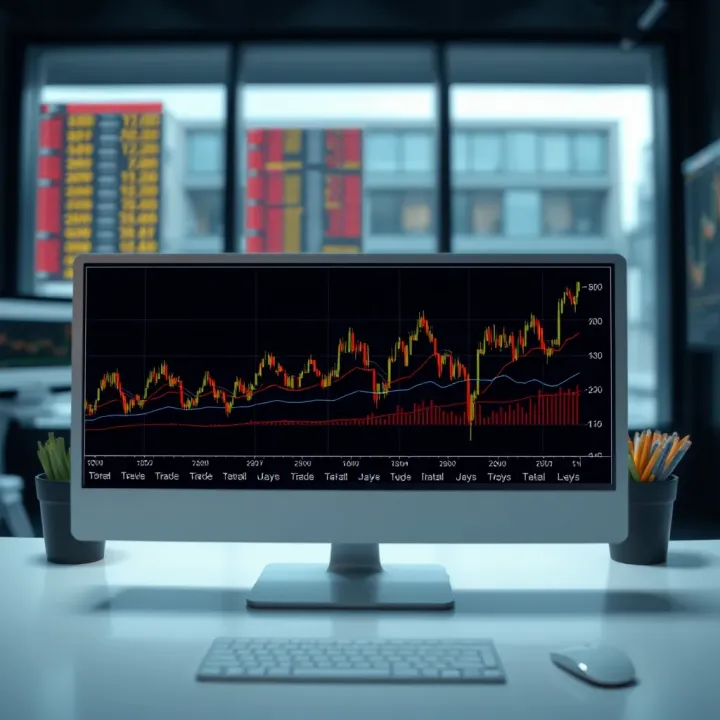
📊 Learn how to read trading chart views like candlestick & line charts, use technical indicators, and pick the right charts for your trading style in Pakistan.
Based on 10 reviews