

Trading Books in PDF: A Practical Guide
📚Explore top trading books in PDF format to boost your skills! Learn to pick quality reads, grasp key concepts, and sharpen your trading strategy easily.
Edited By
Emily Dawson
Trading is no easy game—it's like navigating a busy street in rush hour without clear signs. Many traders look for reliable guides to cut through the noise, and PDF books have become a popular source. These digital manuals pack dense info into handy files that you can consult anywhere, anytime.
This article is all about those trading PDF books. We'll talk about what they really offer, how to spot ones worth your time, and what's usually inside. More importantly, we'll cover the good, the bad, and the ugly—what benefits you can reap from these resources and the risks lurking behind some shady or outdated guides. Plus, we're not just gonna skim the surface; expect hands-on tips to make the most out of these materials and actually improve your trading skills.
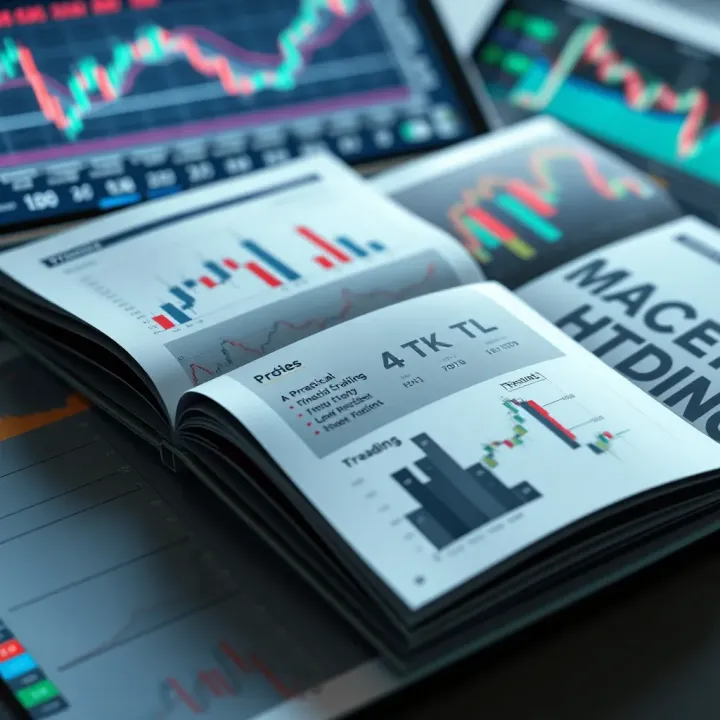
So, why does this matter? Because in a market swamped with info—and often misinformation—having clear, practical knowledge can save your hard-earned money and boost your confidence. Whether you’re a trader, investor, broker, or even an educator looking to enrich your toolkit, understanding trading PDF books can give you an edge.
Remember: Not all that glitters is gold—PDF books vary wildly in quality. Picking the right ones could be the difference between a winning trade and a costly mistake.
Let's get started with the essentials and get you on track to making smarter moves in the trading world.
Grasping what trading PDF books entail is key for anyone serious about making smarter move in the markets. These PDFs act like compact, portable classrooms that traders can open anytime—no need for pricey courses or endless searching. They bring practical lessons right to your fingertips, often covering everything from beginner basics to more complex strategies.
Trading PDF books are digital guides designed to educate individuals on various aspects of trading, including stocks, forex, commodities, or cryptocurrencies. Unlike bulky textbooks, these PDFs are usually concise, easy to download, and often updated more frequently. For example, a trader interested in forex might download "Forex Trading for Beginners" by Jim Brown to get a straightforward snapshot of essential skills without committing to a full-length course.
These documents often blend theory with real-life examples to help readers not just understand concepts but also apply them. They differ widely in focus and depth—some might center on beginner knowledge, while others dive deep into topics like swing trading or algorithmic strategies.
Trading strategies form the backbone of any solid trading guide. PDFs typically outline both basic and advanced strategies, breaking down how to enter and exit trades, timing, and money management. For instance, a scalping technique—a strategy focusing on quick trades for small profits—might be explained alongside clear charts and risk levels, offering you hands-on tactics to try in simulated trading.
These strategies provide a roadmap, helping traders create consistent approaches rather than guessing every step. The key takeaway is learning how to tailor strategies to your personal risk tolerance and market conditions.
No trading guide overlooks risk management because it’s the shield against blowing up your account. PDFs will cover setting stop-loss orders, calculating position sizes, and diversifying assets to minimize risk. For example, a PDF might describe the 1% rule, where you risk only 1% of your trading capital on any single trade.
This part helps traders stay sane and survive the inevitable losses. Understanding risk means you’re not throwing dice on hope alone but building a safety net to protect your money while chasing profits.
Before diving into trades, you’ve gotta know how to read the market. PDFs often teach both technical and fundamental analysis. Technical analysis involves studying charts, trends, and indicators like moving averages or RSI, while fundamental analysis looks at economic data or company performance.
Imagine a PDF that breaks down a candlestick chart, showing what a "hammer" or "doji" means for potential price reversals—these tangible insights help traders spot opportunities instead of feeling lost in numbers and lines.
This is where many guides shine, talking about the mental game. Managing emotions, sticking to your plan, and avoiding impulsive decisions is critical but often overlooked. PDFs might include tips on how to handle losses without panic or greed, using real stories from traders who faced these challenges.
Understanding trading psychology reminds us trading isn’t just numbers—it’s also about discipline and mindset. Failing to master this can turn even the best strategies into losses.
Learning through trading PDFs can give you a solid foundation and alert you to pitfalls before you lose real money.
Bringing it together, understanding what trading PDFs offer helps turn scattered information into actionable knowledge. As a trader in Pakistan or anywhere else, this know-how means you don’t waste time on vague ideas but focus on what's proven and practical.
Finding trustworthy sources for trading PDF books is essential for anyone looking to improve their trading skills without wasting time or money on misleading information. This section discusses where to find reliable trading PDFs and what to watch out for to avoid scams and low-quality materials.
Several websites and platforms are widely recognized for offering credible, well-researched trading PDF books. One example is Investopedia, which, although primarily an educational site, provides downloadable PDFs on market concepts and trading strategies that beginners and seasoned traders alike can benefit from.
Some brokerage firms like TD Ameritrade and Interactive Brokers offer free PDFs and guides as part of their educational resources. These are particularly useful since they often come with practical insights tied to actual trading platforms.
You can also find reliable materials on well-known financial education platforms such as BabyPips, especially for forex traders. Here, PDFs often cover the basics and advanced strategies with updated market notes.
Public libraries or university libraries often provide access to technical trading books in PDF format through services like OverDrive or Libby. These resources are vetted for quality and can save you a great deal on buying expensive books.
When looking for PDFs, prioritize sites linked to reputable financial institutions, educational organizations, or verified authors to ensure the content is accurate and current.
The vast volume of free PDFs available online means you have to be cautious. Scams often disguise themselves as free trading books that promise unrealistic returns or "get-rich-quick" schemes. These often lack substance or contain outdated or wrong information.
To spot poor-quality or fraudulent materials, check the author’s credentials. Real experts usually have a documented track record in trading or finance education. Reviews and ratings on forums like Reddit’s r/forex or r/stocks can also provide useful feedback on the credibility of the book or author.
Beware of PDFs that require you to sign up with your email and then push you aggressively to buy expensive courses or software. Legitimate free PDFs usually don’t come with hard sell tactics.
Additionally, avoid downloading PDFs from unofficial or suspicious websites including random file-sharing platforms. Files can sometimes be infected with malware or contain plagiarized content, which benefits no one.
In short, stick to known platforms, verify author expertise, and listen to community feedback. This way, you can avoid wasting both time and resources on sketchy materials and focus on trading knowledge that actually helps.
Using trading PDF books the right way can make all the difference between just reading and actually learning. These resources are packed with useful info, but if you don't know how to apply what you read, it’s like carrying a toolbox but leaving it locked. The key is not just consuming the material but making it work for you — turning those pages into practical skills.
Start by figuring out what you really want to achieve with these PDFs. Trading isn't a sprint; it's more like figuring out the rhythm in a complicated dance. If you aim to master advanced strategies right away, you'll likely get overwhelmed and burn out fast. Instead, set small, achievable goals, like understanding a particular indicator or learning one risk management technique per week.
For example, if you're reading about moving averages, don't just stop at the theory—set a goal to identify and apply simple moving averages on demo charts before moving on. This keeps your progress steady, boosting confidence and preventing frustration.
Reading alone won’t cut it if you don't pair theory with real-world practice. As you come across concepts like Fibonacci retracements or candlestick patterns, go plug them into a trading simulator or platform. Watching how these indicators move in real-time helps solidify your understanding better than any page can.

Consider setting up a demo account on platforms like MetaTrader 5 or TradingView to try out what you learn. If a book explains a strategy involving stop-loss and take-profit levels, implement these in a demo trade, then observe how they impact gains or losses. This back-and-forth between reading and doing builds intuition that’s hard to get otherwise.
Remember, trading PDFs are a starting point, not the full university. Mixing learning with hands-on experience is what turns knowledge into skill.
Using PDFs effectively also means revisiting complex chapters more than once, taking notes, and even discussing tricky parts in forums or with peers. This active engagement keeps concepts fresh and uncovers details you might’ve missed at first glance.
By keeping your goals realistic and blending study with practice, you’re setting yourself up to move from a reader to a trader who understands the markets on a deeper level.
Trading PDF books offer several practical advantages, especially for those looking to build or sharpen their trading skills efficiently. These resources pack useful insights and strategies into a format that’s easy to access and digest. Understanding these benefits can help traders choose the right learning materials and approach their education more effectively.
One of the biggest perks of trading PDF books is their easy accessibility. You can download them instantly and start reading on your phone, tablet, or computer anytime, anywhere. For example, a busy trader in Karachi can quickly pull up a PDF guide during a commute or a break without needing a physical book.
This convenience removes barriers like library hours or shipping delays. PDFs also allow for quick searches within the text for specific topics, such as "stop-loss strategies" or "technical indicators," saving valuable time. Plus, they don’t require a constant internet connection once downloaded, meaning traders can review important concepts offline during travel or in areas with poor connectivity.
Trading PDFs tend to be pocket-friendly compared to seminars, paid courses, or printed textbooks. Many renowned traders and analysts offer free or low-cost PDFs packed with actionable trading advice. Even when paid, these guides are generally a fraction of the cost of an in-person workshop or multi-module online course.
Take for instance, a detailed PDF on candlestick patterns by a known expert might cost $10-$20, while a live online course on the same topic could easily run into hundreds of dollars. This makes PDF books especially valuable for beginners or traders on a shoestring budget who want credible learning materials without breaking the bank.
Additionally, PDFs don’t add shipping costs, and updates or corrections can be delivered quickly via improved digital editions, unlike printed copies that remain static.
In short, trading PDF books pack a lot of value into a small digital package—combining ease of use with affordability, making them an excellent tool for traders seeking practical knowledge without excess expense or hassle.
When diving into the world of trading PDF books, it’s easy to overlook the possible downsides. But recognizing these risks upfront will save you a pain or two down the road. This section takes a hard look at two main pitfalls: outdated or inaccurate information and overreliance without real-world experience. Both can seriously hinder your progress if you’re not careful.
One big issue with trading PDFs is that markets move fast. A guide written five or ten years ago may teach strategies that no longer work well, thanks to evolving technology, regulations, or market conditions. For example, a PDF explaining day trading tactics might neglect the impact of algorithmic trading, which has reshaped execution speed and strategy effectiveness.
Relying heavily on such outdated material can leave you flat-footed, especially in volatile markets. Worse, some PDFs spread misinformation or oversimplify complex concepts, which can mislead beginners. Say a book heavily promotes a "sure-fire" indicator that hasn’t stood the test of time, you could waste valuable time and money chasing bad advice.
Practical tip: Always check the publication date, cross-reference facts with recent market reports like those from Bloomberg or Reuters, and look for updated editions or author updates.
Reading about trading is one thing; living it day to day is quite another. It’s tempting to think that mastering PDFs alone will make you a pro trader overnight. Unfortunately, trading also hinges on emotional control, quick thinking, and adapting to unpredictable moves — skills that no PDF can fully teach.
Think of it like learning to swim by reading a book. You get the theory, but until you get wet and practice, you won’t learn how to stay afloat. Overdependence on PDFs without applying the strategies in real or simulated environments can breed false confidence. This often results in costly mistakes that could’ve been avoided with hands-on experience.
For example: You might read about a risk management technique like setting stop-loss orders, but if you don’t practice placing and adjusting these in demo accounts, you’re less likely to execute them effectively when money’s on the line.
"No book, no matter how detailed, can replace the lessons learned from actual trading practice. Use PDFs as a foundation, but get your hands dirty."
Balancing study with action helps build intuition and toughness — both critical for success. Mix your reading with watching market trends live, paper trading, and participating in trading forums or local meetups whenever possible.
By recognizing these potential pitfalls, Pakistani traders and others can navigate trading PDF books wisely, extracting value while avoiding the common traps that trip up many beginners.
When diving into trading PDF books, not all guides are made equal. It's easy to get swayed by flashy titles or thick volumes, but the real deal lies in what those pages actually offer. Knowing what key elements to look for can save a lot of time and frustration while sharpening your skills effectively.
Clarity should never be an afterthought in trading literature. A good trading PDF book breaks down complex ideas into digestible chunks without losing the essence. For instance, instead of just stating "use moving averages to identify trends," a solid guide will walk you through a chart example showing when to buy or sell using the 50-day and 200-day moving averages.
Practical examples make a huge difference—they turn abstract concepts into actionable steps. Imagine you’re reading about risk-reward ratios; clear examples can show you how risking $100 to make $300 might fit into your trading plan. When explanations get fuzzy, even experienced traders struggle, so always pick PDFs with well-structured lessons and real scenarios.
Markets evolve fast, and strategies that worked five years ago might flop today. Reliable trading PDFs keep their content fresh by including updated market data and current strategies. For example, a good book might analyze cryptocurrency trends from the last year alongside traditional stock market methods.
Look for recent case studies or references to events like the 2022 market volatility or the rise of algorithmic trading. These details signal the author’s active connection with the market. Using outdated tactics can be risky—like trying to navigate modern roads with an old map—so prioritize materials that reflect the present market dynamics.
Who wrote the book matters just as much as what’s inside. Authors with practical trading experience or a background in finance bring credibility and depth. Someone who’s only read about trading won’t deliver insights as robust as a trader who's faced ups and downs in real markets.
Take names like Dr. Alexander Elder or Kathy Lien—they're known for blending academic knowledge with hands-on trading. Aside from credentials, user reviews offer ground-level feedback; readers often note if explanations were beginner-friendly or if strategies proved useful in real trades. So, before downloading a PDF, check the author's background and peek at honest reviews to avoid wasting time on mediocre material.
Always remember, a trading PDF book is a tool, not a magic formula. Choosing one with clear explanations, updated info, and credible authors puts you a step ahead in mastering the market nuances.
This approach ensures you’re not just reading to read but learning with purpose and context, perfectly suited for traders and investors aiming to sharpen their edge in today's fast-moving markets.
Getting a handle on trading lingo is like having a good map before going on a trip—without it, you’re just guessing. For traders, investors, and anyone dabbling in markets, understanding trading terms and concepts isn’t just helpful, it’s essential. It shapes how you interpret charts, grasp market moves, and make smart decisions that could protect your capital or boost your profits.
Familiarity with trading language lays the groundwork; it separates someone who’s guessing from someone who's making informed moves.
Every trader starts somewhere, and that somewhere usually involves stumbling over words like "bullish," "pip," or "spread." Knowing these terms isn’t just academic; it’s practical. For instance, 'bullish' means an expectation that prices will rise — basic, but if you missed that, you'd be scratching your head when everyone talks about a "bull market".
Here are a few must-know terms:
Bid and Ask: The bid is what buyers are willing to pay, the ask is what sellers want. The gap between them, called the spread, affects the cost of trading.
Leverage: Trading with borrowed funds to increase exposure. While it can ramp up gains, losses also get magnified, so knowing the risks is key.
Margin: The amount you put down to open a leveraged position.
Stop Loss: An order to close a trade at a certain price to prevent bigger losses.
Having these basics down helps traders read trading PDFs without getting lost in the jargon. For example, spotting a strategy involving setting stop losses at certain price points is only useful if you know exactly what that means.
When it comes to figuring out if a stock, currency, or commodity is worth buying or selling, traders mainly use two approaches: technical and fundamental analysis. Each has a different mindset but together, they can provide a fuller picture.
Technical analysis is all about what the markets are doing right now and recently. It studies price charts, trading volumes, and patterns. Think of it as reading smoke signals. For example, if the chart shows a pattern called "head and shoulders," many traders see that as a signal of a coming reversal. Popular tools like Moving Averages or the Relative Strength Index (RSI) are part of this toolkit.
Fundamental analysis digs into the "why." It looks at real-world data like company earnings, economic reports, or political news. Imagine you follow Pakistan’s State Bank interest rate decisions or the quarterly earnings reports of companies listed on the Pakistan Stock Exchange (PSX). Those factors can heavily sway markets.
Knowing the difference and when to use either approach lets you get more from trading PDFs. For example, a textbook might explain Fibonacci retracements (a technical tool) but without grasping fundamental factors like geopolitical risks in Pakistan, you might misread market sentiment.
In short, learning these core trading concepts through PDFs—and actually applying them either in demo accounts or real trades—can make learning far less confusing. It bridges the gap between reading theory and real-market action, sharpening your ability to make smart moves rather than firing blind shots.
Master common terminology to avoid confusion and improve comprehension.
Use both technical and fundamental analysis for balanced market understanding.
Apply terms and concepts practically—don’t just memorize them.
This basic foundation is vital, especially when diving into more complex trading strategies found in PDFs or other resources tailored to Pakistan’s unique market environment.
Relying solely on PDF books for trading education can limit your grasp of the dynamic markets. Blending these books with different learning methods broadens your perspective and helps solidify complex concepts. This mix approach mimics real-life trading where theory meets practice, which is why traders often combine multiple resources to sharpen their skills.
Online courses and webinars offer a real-time, interactive layer to trading PDFs. They provide a platform where you can ask questions directly and clarify doubts, bridging gaps that static texts might leave. For example, platforms like Coursera or Udemy offer courses on technical and fundamental analysis, sometimes taught by market veterans.
Webinars, often hosted by brokers or market analysts, focus on current market trends and strategies. They can be quite valuable because they bring up-to-the-minute insights that PDF books may not capture, especially when markets shift quickly. Moreover, some courses include quizzes and assignments which help retain knowledge better than just reading.
When using these alongside PDF books, it’s smart to choose courses that complement your chosen readings. If your PDF focuses on risk management, for instance, selecting a webinar that dives into live examples of managing trades can create a fuller understanding.
Trading communities bring the human element to your learning. Online forums like Trade2Win or dedicated Facebook groups allow you to exchange ideas, share charts, and discuss strategies with fellow traders at various skill levels. These interactions encourage you to test theories learned from PDF books in a supportive setting.
For Pakistani traders, local communities can be particularly useful to understand market nuances or regulatory conditions unique to Pakistan’s trading environment. They also serve as a sounding board for ideas — you might discover a fellow trader using a strategy found in a PDF book but adapted to Pakistan Stock Exchange (PSX) realities.
Engagement in these communities helps develop critical thinking. Seeing different viewpoints or questioning your assumptions can spark insights that no book alone would provide. Just be cautious of advice that contradicts verified strategies or seems too good to be true—peer review within a community is vital.
Combining PDF books with active learning methods like courses, webinars, and communities isn’t just a good idea—it’s often what separates consistent traders from those stuck in perpetual learning cycles.
In short, trading PDFs lay down the groundwork, but integrating them with other methods ensures you don’t just read about trading; you live it. Whether updating knowledge through webinars or exchanging ideas in forums, the multi-dimensional approach enriches your understanding and hones your decision-making.
Trading in Pakistan's financial markets introduces unique challenges and opportunities, which makes tailoring your learning materials essential. Pakistani traders using trading PDF books should focus on resources that acknowledge local market dynamics and conditions. This approach helps avoid generic advice that might not translate well due to differences in market structure, liquidity, and regulatory environment.
Understanding how the Pakistan Stock Exchange (PSX) operates is essential before diving deep into trading PDFs. Unlike major international markets like NYSE or NASDAQ, PSX has its quirks such as specific trading hours, different levels of liquidity across sectors, and a greater influence of local political factors.
When selecting trading PDF books, look for those that include examples or case studies relevant to Pakistani sectors such as textiles, energy, and agriculture. For instance, a strategy that works well in tech-heavy markets abroad might not apply directly to PSX due to lower technological sector representation. Also, keep an eye on the frequently changing patterns in currency exchange rates between PKR and USD, as this affects foreign investment flows and market sentiment.
Regulations in Pakistan’s trading environment may differ significantly from those discussed in many international PDFs. The Securities and Exchange Commission of Pakistan (SECP) governs market regulations, and understanding their rules is crucial for compliance and risk management.
It's beneficial to complement trading PDFs with official SECP publications and updates. Many PDFs might not reflect the latest regulatory changes, so cross-referencing is key. For example, recent amendments about margin trading or insider trading rules should be understood clearly by Pakistani traders to avoid inadvertent mistakes.
Pakistani traders should also tap into local educational resources like the Pakistan Institute of Development Economics or brokerage firms such as AKD Securities, which frequently offer workshops and webinars. Integrating these resources alongside PDFs enhances learning with localized insights.
Pro Tip: Always verify that the strategies proposed in your PDFs respect Pakistani laws and market conditions to avoid entering trades that might contravene local regulations or suffer from liquidity issues.
In summary, Pakistani traders will benefit greatly by using trading PDF books that are supplemented with a solid understanding of domestic market traits and regulatory boundaries. This tailored approach increases the probability of success and reduces costly mistakes stemming from one-size-fits-all advice.
Wrapping up this guide is important because it pulls together everything we've discussed about trading PDF books. When you’ve spent time digging into strategies, market analysis, and how to spot good materials, a summary helps keep the key points fresh in your mind and highlights what matters most moving forward. Think of it as packing your toolbox after a day at the workshop—knowing what tools you've grabbed makes it easier to get the job done later.
To get real value from trading PDFs, it’s not enough to simply download and skim them. Start by setting clear goals—maybe mastering a specific trading strategy or sharpening your risk management skills. For example, if you’re looking into swing trading, target PDFs that provide step-by-step approaches plus examples of trades from real markets.
Mix reading with action. Instead of just passively absorbing theories, take notes and try to apply what you read by setting up a demo account. Many platforms like MetaTrader or TradingView let you practice without risking real cash. This practical twist helps lock in learning better than just reading.
Also, don’t hesitate to revisit material. Market conditions change, so what worked last year may need tweaking now. PDFs with updated data or new case studies can provide fresh insight. Always check the publication date and prefer sources from recognized authors or institutions to avoid outdated strategies.
Learning to trade is ongoing, and PDFs are just one piece of the puzzle. Once you’ve built a foundation, branching out to other types of resources makes sense. Online courses and webinars can offer interactive lessons where you can ask questions and get immediate feedback. For instance, websites like Investopedia or courses on Udemy often provide current content that evolves with the market.
Engaging with trading communities—whether local groups in Pakistan or international forums—also adds value. Sharing experiences and hearing different perspectives often brings to light issues or opportunities that stand-alone PDFs miss. Plus, it keeps your motivation up when trading gets tough.
Financial markets are dynamic, so staying flexible and curious is key. Regularly updating your knowledge beyond static documents is what separates casual learners from experienced traders. As you grow more comfortable, consider subscribing to financial news services or reading books that dive deeper into psychology or advanced analytics.
In short, treat PDF trading guides as your starting map, but don’t stop there. The best traders keep learning, experimenting, and adapting to new information—making education a continuous part of their trading craft.
📚Explore top trading books in PDF format to boost your skills! Learn to pick quality reads, grasp key concepts, and sharpen your trading strategy easily.
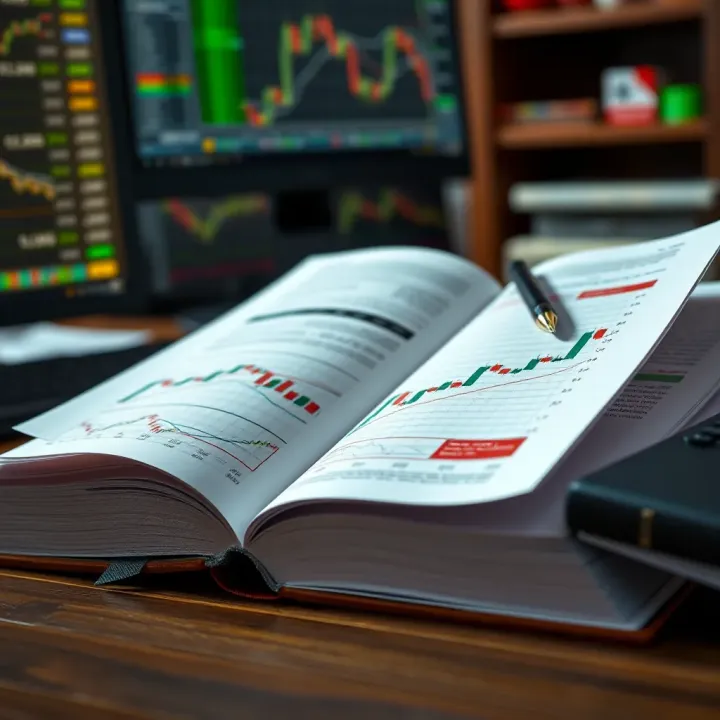
📘 Explore top trading chart patterns books in PDF! Learn key patterns, pick the best reads, and sharpen your trading skills with practical tips. 📈

💹 Discover practical tips and strategies for trading cryptocurrency in Pakistan. Learn market basics, trading techniques, and how to manage risks effectively.
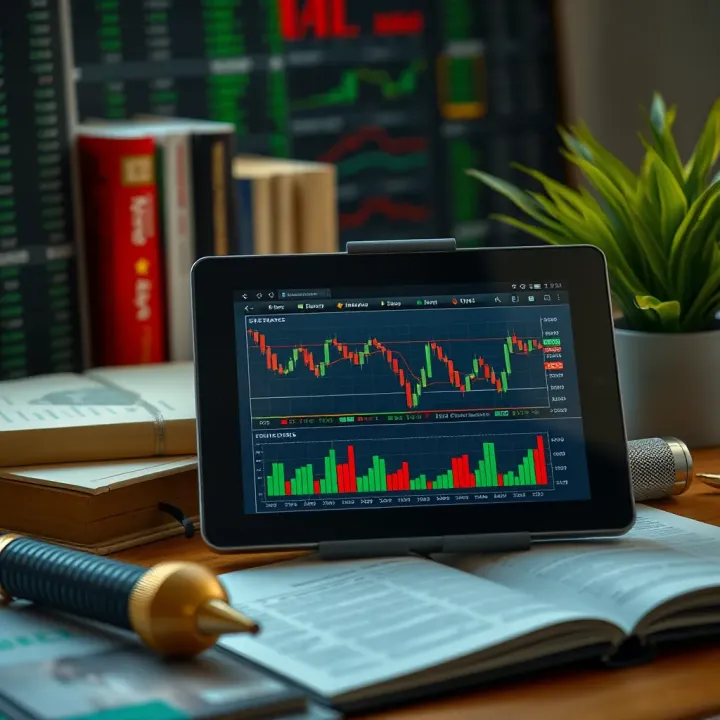
📚 Explore top trading books in PDF tailored for Pakistan traders. Learn strategies, techniques & get legal tips to boost your trading skills effectively.
Based on 7 reviews