

TradingView Guide for Pakistani Traders
📈 Master TradingView with this practical guide tailored for Pakistani traders! Learn setup, charting, indicators, and broker integration to trade smarter.
Edited By
Sophie Graham
Trading is a buzzing topic these days, especially in Pakistan where more people are stepping into the game looking to grow their wealth. But let's be real—getting a grip on how to trade effectively isn't just about luck. You need solid knowledge, on-point strategies, and reliable resources. This is where trading PDFs come into play.
Trading PDFs are like Swiss Army knives for traders; they pack valuable info in a compact, accessible form. Whether you want to understand the basics, explore advanced strategies, or just keep up with market trends, these documents provide a handy way to deepen your knowledge without getting overwhelmed.
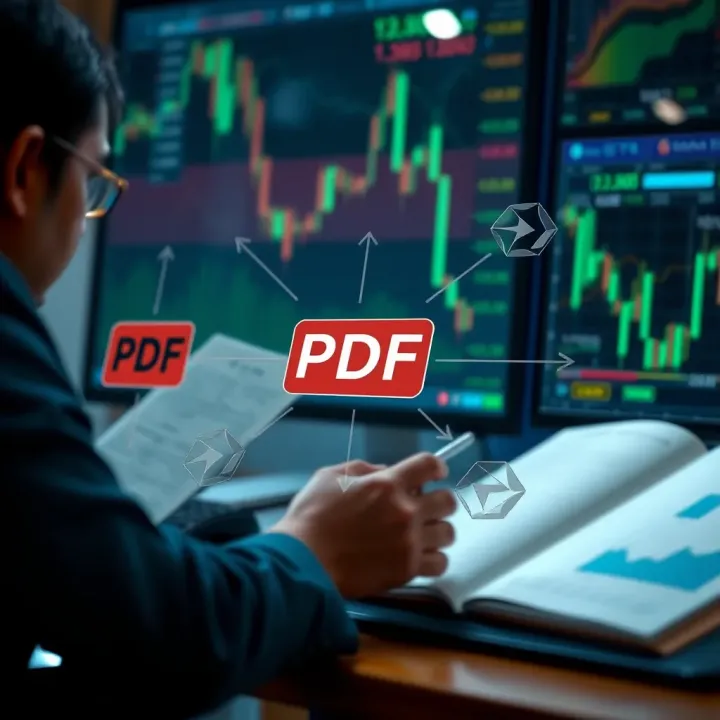
In this guide, we’ll walk through what these trading PDFs actually are, why they're essential for traders in Pakistan, and how you can find good ones without falling prey to low-quality or outdated content. We’ll also share practical tips on how to use these PDFs to boost your daily trading routine and how to sift through tons of resources to find those nuggets that really work in the Pakistani market.
By the end of this, you’ll be better equipped to pick the right PDFs that suit your trading style and integrate what you learn into your real-world trading moves, hopefully avoiding common pitfalls along the way.
Remember: Knowledge isn’t just power; in trading, it’s money—and the right info can keep you from burning a hole in your pocket.
Getting a grip on what trading PDFs actually are is something every trader should start with. These documents pack a punch by offering a clear way to study and apply trading info without wading through endless web pages or videos.
Trading PDFs serve as bite-sized manuals or guides that break down complex market ideas into something more manageable. Whether it's explaining how to read candlestick charts or outlining risk management tactics, these PDFs give traders a handy reference that fits right on their laptop or phone. Think of them as quick toolkits—when the market gets tricky, you don’t want to be scrambling for the basics.
Most trading PDFs you'll come across are neatly formatted with a mix of text, charts, and tables. They can range from beginner-friendly glossaries to detailed strategy playbooks, complete with examples and exercises. Some might focus on technical analysis, others on fundamental data like earnings reports or economic indicators. For Pakistani traders, it’s common to find PDFs tailored to local market conditions, like state bank reports or Pakistan Stock Exchange summaries.
PDFs are easy to download and access on almost any device, which makes them a popular choice. You don’t need constant internet, and they open quickly without loading delays. For a busy trader in Karachi caught between meetings or a professional in Lahore commuting to work, having trading info ready offline is a lifesaver. Plus, they’re usually compact, meaning no bulky files cluttering your device.
One big advantage of PDFs is they let you study markets on your own time—no need to be online or tethered to a platform. Suppose you want to review a technical analysis guide during a power cut or on a flight. In those moments, having a well-structured PDF can keep your learning on track. Moreover, you can highlight, annotate, and bookmark crucial sections. This personal touch helps traders build their own knowledge bank, which proves invaluable when markets behave unpredictably.
Keeping these points in mind helps Pakistani traders use trading PDFs not just as reading material, but as practical, everyday tools for making informed decisions.
Finding trustworthy sources for trading PDFs is a cornerstone of any trader's toolkit in Pakistan. Reliable documents help traders avoid misinformation and outdated data, which can be costly in volatile markets. In Pakistan, access to these PDFs isn’t just about quantity but quality — making sure the content is credible and relevant to local market conditions.
The State Bank of Pakistan (SBP) publishes regular reports and bulletins that provide deep insights into the country’s monetary policies, inflation trends, and economic indicators. These PDFs are gold mines for traders looking to understand macroeconomic factors impacting the market. For example, an SBP quarterly report might detail foreign exchange reserves or credit growth data — crucial info for those trading currency pairs or banking stocks.
Using SBP reports helps traders ground their decisions in updated, official stats rather than speculation. Plus, these documents often include historical data tables, making trend analysis easier. If you trade financial instruments linked to Pakistan’s economy, such as government bonds or rupee-based assets, SBP reports should be your starting point.
The Pakistan Stock Exchange (PSX) offers a range of downloadable PDFs, including market summaries, company disclosures, and trading regulations. PSX’s official resources are highly valuable for daily traders and investors since they reflect the real-time status of listed companies and market movements.
For example, quarterly financial results and corporate announcements published in PDF form on PSX's website enable traders to monitor company performance without chasing multiple sources. These documents often contain concise overviews of earnings, dividends, or management commentary, providing clear, actionable insights. Many seasoned traders use these resources to spot undervalued stocks or confirm technical signals with fundamental data.
Local forums like Pakistani Stock Market Club or Regional Trader Groups are where traders often share and exchange PDFs related to trading strategies, market analysis reports, and educational material. These platforms allow members to crowdsource information, validate ideas, and discuss real trading experiences specific to Pakistan’s markets.
The advantage here is having access to grassroots content, sometimes reflecting insider knowledge or tips not found in official publications. For instance, a trading forum might circulate a PDF explaining the nuances of day trading during Eid holidays when volume tends to drop dramatically. However, caution is necessary as the quality of PDFs can vary widely; always cross-check crucial data.
Websites like Investopedia Pakistan or local financial training hubs offer well-researched PDF guides on technical analysis, fundamental analysis, and trading psychology. These are crafted by experts familiar with Pakistan’s market dynamics and often include updated case studies or examples relevant to local traders.
Such platforms provide a structured learning approach, which can be especially useful for beginners or intermediates aiming to strengthen their foundation. The PDFs from these sources typically come with clear explanations, diagrams, and examples, making complex concepts more digestible. Furthermore, many educational websites commit to periodic updates, ensuring that their materials don’t get stale.
Accessing a balanced mix of official reports, active community content, and expert-produced educational PDFs creates a solid foundation for making informed trading decisions in Pakistan. Traders who lean only on one type often face blind spots.
In short, knowing where to find reliable PDFs is half the battle won. Use official websites for heavyweight data, trading forums for local flavor, and educational platforms for systematic learning. Together, these sources form a robust network for Pakistani traders eager to improve their game.
Understanding the different types of trading PDFs can be a game changer for Pakistani traders. Whether you’re a beginner or have some experience, having the right kind of PDF resources at your fingertips can boost your skills and confidence. This section breaks down common types of trading PDFs, so you know exactly what to look for and how to apply them.
Technical analysis is the bread and butter for many traders. PDFs covering this area focus on price movements and market behavior, which can help you make smarter trading decisions.
Chart patterns are visual representations of price trends and reversal points on stock charts. PDFs that explain chart patterns teach you to spot setups like the "head and shoulders," "double tops," and "flags." These patterns give clues about where prices might head next. For instance, a PDF might explain how to recognize a bullish flag and suggest entering a buy position once the price breaks above the flag’s resistance line. This kind of knowledge lets you predict short-term moves without guessing blindly.
Indicators like moving averages and oscillators such as the Relative Strength Index (RSI) help measure momentum and overbought or oversold conditions. A good PDF guide explains how to combine these tools for timing trades effectively. For example, a trader might use a 14-day RSI indicator from a PDF to identify when the market is oversold, signaling a potential buy. Understanding these tools prevents you from relying solely on guesswork and sharpen your trading approach.
While technical analysis focuses on price action, fundamental analysis dives into the underlying factors affecting asset values.
Financial statements such as balance sheets, income statements, and cash flow reports are vital in judging a company’s health. A well-crafted PDF guide offers clear explanations on interpreting numbers like debt levels, profit margins, and revenue trends. For example, Pakistani traders examining listed companies on the Pakistan Stock Exchange can use these reports to see if a company reliably grows earnings before committing funds.
Macroeconomic data like inflation rates, GDP growth, and interest rate decisions directly impact markets. PDFs that review economic indicators help traders understand broader market trends. A guide might show how rising inflation could hurt purchasing power and weigh on stock prices, or how central bank policies affect currency value. This insight is especially useful for local traders navigating both the stock market and currency or commodity trades.
Strategy PDFs provide ready-made blueprints to help you approach markets methodically.
Day trading requires quick decisions and clear rules. PDFs focused on this area outline methods ranging from scalping to momentum trading. For example, a resource might teach you to watch volume spikes on a particular stock and jump in for a quick gain before the price reverses. These guides are practical, often including charts from Pakistan Stock Exchange, showing entry and exit points that traders can apply immediately.
No strategy is complete without managing risk. PDFs that cover risk management equip you with methods to protect capital, like setting stop-loss orders or position-sizing strategies. For instance, a guide might advise never risking more than 1-2% of your trading capital on a single trade — a simple rule that helps survive losing streaks. This kind of practical advice ensures you don’t blow up your account chasing wins.
Selecting the right type of trading PDF is like picking the right tools before fixing a car. Each serves a different purpose but together, they make your trading more effective and less stressful.
Having a variety of PDFs on technical and fundamental analysis as well as on trading strategies will give Pakistani traders a solid foundation to navigate the markets wisely and with confidence.
When it comes to trading, not all information is created equal. Evaluating the quality of a trading PDF is essential to make sure the content you're relying on is trustworthy and helpful. For Pakistani traders, this becomes even more important due to the specific market conditions and regulatory environment. A well-vetted PDF can save you time, prevent costly mistakes, and provide a solid foundation for your trading decisions. Think of this step as double-checking your ingredients before cooking—you want the freshest and most reliable stuff for the best result.
One of the first checks you should do is on the author’s background. Ask yourself: Does the author have real experience or recognized credentials in trading? For example, is the author a chartered financial analyst (CFA), a seasoned trader with a proven track record, or a respected financial educator? PDFs authored by credible professionals often include a brief bio or credentials section; don’t skip that. On the other hand, a random PDF filled with vague claims and no clear author info should raise red flags.
Having an author with a solid background gives you peace of mind. Say you find a strategy PDF co-written by someone who’s been navigating the Pakistan Stock Exchange for over a decade—that naturally holds more weight than a generic guide from an unknown blogger.
Where you get your PDF matters just as much as who wrote it. Trustworthy sources like the State Bank of Pakistan, Pakistan Stock Exchange, or established financial education platforms like Investopedia Pakistan carry more credibility than unverified websites or obscure forums.
Pay attention to sites known for accurate and up-to-date info. If the PDF comes from a community like PakValue or resources linked to SECP (Securities and Exchange Commission of Pakistan), that adds a layer of reliability. On the flip side, be wary of PDFs that pop up on file-sharing sites without clear origins or those shared widely on social media without proper accreditation.
In trading, using outdated or irrelevant data is like trying to drive with a fogged-up windshield. Make sure the PDF uses data that applies to your market and timeframe. For example, if the PDF discusses Pakistan’s inflation trends, but its data is from 2010 and ignores recent economic shifts, it’s far less useful.
Check if the examples and case studies reflect the Pakistani market specifically or at least markets comparable in terms of regulation and liquidity. PDFs that discuss strategies without contextualizing them may not translate well to your situation.
Markets evolve fast, and so should your resources. A PDF last updated five years ago might lack insights on new trading tools, post-pandemic market changes, or recent regulatory adjustments in Pakistan. Look for indications of the last revision date, or if the author mentions updating the material regularly.
Regularly updated PDFs can provide ongoing value. For instance, a technical analysis guide that incorporates the latest version of MetaTrader or recent trends in algorithmic trading will keep Pakistani traders ahead rather than stuck with old-school techniques.
Remember: A great trading PDF is more than just words on screen; it’s your guide in a tough market. Verifying author credentials, source reputation, data relevance, and how up-to-date the content is will give you the confidence to apply what you learn and trade smarter.
By being conscious of these factors, Pakistani traders can avoid wasting time on unreliable PDFs and focus on materials that can actually improve their trading game.
Using trading PDFs as a learning resource isn't about just reading through pages. It's about tapping into practical knowledge and turning it into skills you can use in real trading. For Pakistani traders, who often juggle fast-changing market conditions and limited time, learning from PDFs can be a game changer if done smartly. With the right approach, these documents become more than just static text—they become your personal trading coach.
Start with clear, specific goals before you dive into the PDFs. Are you trying to understand basic chart patterns, get a grip on risk management, or study the latest economic indicators affecting Pakistan’s market? Setting goals keeps your learning focused and prevents you from getting lost in the sea of info.
For example, if you want to master technical analysis, your goal could be: "Learn the top five chart patterns and how to apply them within 3 weeks." This acts like a roadmap and gives your study sessions direction, making sure you don't waste time on unrelated topics.
Consistency beats intensity. Instead of cramming a whole PDF in one go, carve out fixed times daily or weekly for your study. A 30-minute session each evening after work can be more effective than trying to read for hours once a month.
Try creating a timetable that fits your lifestyle. If mornings are slow, use that time to review notes from yesterday’s session. Site the distractions—turn off notifications and find a quiet spot. Over time, this schedule builds a habit, helping you absorb material better and avoid burnout.
When reading trading PDFs, jot down the most important facts, formulas, or strategies in your own words. Use bullet points or lists to keep them neat and digestible. This practice not only reinforces memory but also creates a quick-reference guide for later.
A good hack is to keep a dedicated notebook or digital file with headings like ‘Patterns,’ ‘Indicators,’ and ‘Risk Tips.’ When you come across something valuable, drop it under the right category. This keeps your learning organized and easy to revisit before trading sessions.
Don’t shy away from marking up your PDFs—highlight key sections, underline definitions, or add margin notes. These little annotations act as triggers that help you recall concepts faster. Many free PDF readers allow you to do this digitally, making it easy to spot important points at a glance.
For instance, when you see a strategy explained, you could add a note about how it relates to Pakistani market volatility or past experiences you’ve had. This personal touch makes learning more interactive and increases retention.
Remember, effective learning isn’t about passively reading but actively engaging with the material. With a solid study plan and smart note-taking, your trading PDFs become powerful tools that boost your confidence and skills.
Putting the knowledge gained from trading PDFs into practice is where theory meets the real world. For Pakistani traders, this step is vital because markets here often have unique behaviors influenced by local economic policies, political events, and currency fluctuations. Simply reading and understanding PDF guides won't cut it; you need to apply those insights carefully in your trading activities to see actual results.
From the strategies you learn to the technical analysis methods you practice, turning that information into real trades can build confidence and improve decision-making. By applying what you've learned effectively, you begin to develop a personalized trading style rather than just copying methods blindly.
Testing techniques risk-free
Before risking actual money, simulated or demo trading allows you to practice strategies from PDFs without financial loss. This means using platforms that offer paper trading or virtual accounts, such as those provided by brokers like PSX (Pakistan Stock Exchange) or international platforms that support local traders. Practicing in a risk-free environment helps you get comfortable with techniques like moving averages or Bollinger Bands without the stress of losing your capital.
For example, if you've just read a detailed PDF on day trading strategies tailored for volatile markets, demo trading gives you the chance to apply those steps exactly as outlined. You can see how timing, entry, and exit rules work when the market shifts, all without any real stakes.
Tracking performance
Keeping a record of your trades — even simulated ones — is crucial to see what works and what doesn’t. Track metrics such as win/loss ratio, average profit per trade, and drawdown. This log will show patterns over time. Does a PDF's momentum strategy really perform well during earnings seasons on the KSE-100, or does it struggle?
Keeping a trading journal or spreadsheet is an easy way to organize this information. By reviewing it regularly, you can tweak strategies, spot common mistakes, and build a more reliable trading approach. Without tracking performance, applying knowledge remains guesswork—you lose valuable feedback that drives improvement.
Adapting strategies
No trading PDF will offer a one-size-fits-all solution, especially for Pakistan’s markets, which can be quite volatile compared to Western exchanges. When you move from paper to actual trades, adapting the strategy to your personal risk tolerance, capital size, and market conditions is a must.
For instance, a scalping strategy might look perfect in a PDF but might demand tweaking if daily volumes on your selected stocks are too low. Or you might find that combining technical indicators like RSI with fundamental insights like SBP policy announcements enhances your edge.
The key is to treat PDFs as starting points. Observe how concepts fit in the local market context and don't be afraid to modify entry points, stop-loss levels, or the timeframes you trade on.
Continuous learning
Markets don’t stay still, and neither should your education. The knowledge from PDFs is like stock in your trading toolbox—it needs regular updates and sharpening. Keep opening new PDFs, attending webinars, or joining local trader groups to stay ahead.
Continuous learning also means reflecting on your own trades. Was a loss caused by market news missed in your PDF research? Did a new technical pattern emerge that you need to understand better? By treating learning as an ongoing process, your trading skills will grow more robust.
Remember, trading is as much about adapting and evolving as it is about having a solid foundation of knowledge. Don't let your PDFs gather dust; put them to work, test consistently, and keep learning.
By combining simulated trading, performance tracking, careful adaptation, and constant study, you transform passive reading into active trading success, making your journey as a Pakistani trader more informed and effective.
Trading PDFs are valuable resources, but they're not without their quirks. Pakistani traders often face unique hurdles when using these materials, making it essential to spot and tackle these challenges early on. Understanding common issues like information overload and market changes can help traders make the most out of their PDF resources and avoid getting stuck in confusion or outdated strategies.
In today's digital age, trading PDFs come in all shapes and sizes, packed with technical jargon, charts, and jargon-heavy strategies. This sheer volume can quickly feel overwhelming.
Filtering relevant content is the skill of sifting through piles of data to find what's actually useful. For instance, a newbie trader may download multiple guides on indicators like RSI or MACD but without focusing on how these work specifically in Pakistan's market context, it’s easy to get lost. A practical way to handle this is by setting clear goals before diving into PDFs — for example, concentrating on resources that explain the PSX market trends rather than generic global patterns.
Prioritizing topics goes hand-in-hand with filtering. Not every piece of information holds equal weight for every trader. Suppose you're interested in day trading specifically; then it’s better to first study PDFs focusing on short-term strategies instead of detailed fundamental analysis that suits long-term investing. Juggling too many subjects leads to confusion and stalls progress. Stick to essentials and advance topic-by-topic.
"Less is more" often applies to learning trading tactics. Trying to absorb everything at once is like drinking from a firehose.
Markets shift fast, and PDFs can become outdated quickly—especially for Pakistani traders where regulatory changes or economic conditions can alter trading environments.
Updating resources should be a regular practice. Always check for the publication date of your PDFs and look for newly released versions or additional commentary from credible sources like the Pakistan Stock Exchange (PSX) or financial analysis by local experts. Rather than depending on a single static document, treat PDFs as stepping stones to ongoing learning.
Staying flexible means adapting what you’ve learned to current market realities. For example, a strategy that worked during low volatility might perform poorly when political instability hits. Flexibility can come from practicing strategies in demo accounts or tweaking risk management methods—the key is not to cling blindly to old material but to test and adjust continually as the market demands.
Keeping your trading toolkit updated and your mind open helps avoid nasty surprises in volatile markets.
By recognizing these hurdles and actively managing them, Pakistani traders can turn trading PDFs from mere reading material into powerful tools that enhance real-world trading. Focusing on relevant content, keeping materials fresh, and staying adaptable makes your trading journey smoother and more effective.
When diving into trading PDFs, it's easy to get wrapped up in the technical details and strategies, but overlooking legal and ethical aspects can lead to serious troubles down the line. For Pakistani traders, understanding the legal framework and ethical boundaries is not just about compliance—it’s a way to protect yourself and build credibility in the market. From respecting intellectual property rights to following the Securities and Exchange Commission of Pakistan (SECP) regulations, these considerations form the backbone of responsible trading.
Downloading PDFs from disreputable sources may seem like a shortcut, but it often breaches copyright laws. For example, grabbing a forex trading guide from a random file-sharing website without the author’s consent can lead to legal consequences or fines. Plus, such files might be outdated or contain errors, which can mislead your trading decisions. Pakistani traders should always check if the PDFs come from official or authorized distributors, such as verified publishers or educational platforms like Investopedia or resources provided by the Pakistan Stock Exchange.
Giving credit where it’s due isn’t just good manners; it’s a legal necessity. Authors and creators spend countless hours researching and compiling their work, whether it’s a technical charting PDF or a fundamental analysis report. Sharing or distributing their content without permission disrespects their effort and risks legal action. When you use such materials for your trading education or workshops, cite the source clearly and never claim the content as your own. This habit safeguards your integrity as a trader and supports the community of content creators.
The Securities and Exchange Commission of Pakistan (SECP) regulates trading activities and enforces rules meant to keep the market fair and transparent. Traders must ensure any strategies or information gleaned from PDFs align with SECP’s guidelines. For instance, when using materials about margin trading or derivatives, confirm these methods comply with Pakistan’s legal framework. Non-compliance can lead to penalties—and that’s the last thing you want when trying to grow your trading portfolio.
Honesty goes a long way in the trading world, especially under Pakistani regulations. Transparency means clearly disclosing your trading intentions and avoiding misleading claims about investment returns. Suppose you’re using a PDF strategy to advise others or promote trading tips; transparently sharing potential risks alongside the benefits is crucial. This builds trust and keeps you in good standing with regulatory authorities and peers alike.
Legal and ethical awareness doesn’t just shield you from trouble—it enhances your reputation and creates a foundation for sustainable trading success.
By paying attention to these legal and ethical points, Pakistani traders can navigate the world of trading PDFs responsibly, staying informed and protected while sharpening their skills.
📈 Master TradingView with this practical guide tailored for Pakistani traders! Learn setup, charting, indicators, and broker integration to trade smarter.

🔍 Explore trading apps tailored for Pakistani investors! Learn features, benefits, security tips & how local laws shape your trading experience. 📱💹
📈 Learn how Pakistani investors can use copy trading to mirror expert strategies, understand risks, benefits, and top platforms for smart investing.

Explore auto trading in Pakistan 📈 Understand systems, evaluate risks, benefits, and regulations to trade smarter with automated tools successfully.
Based on 8 reviews