
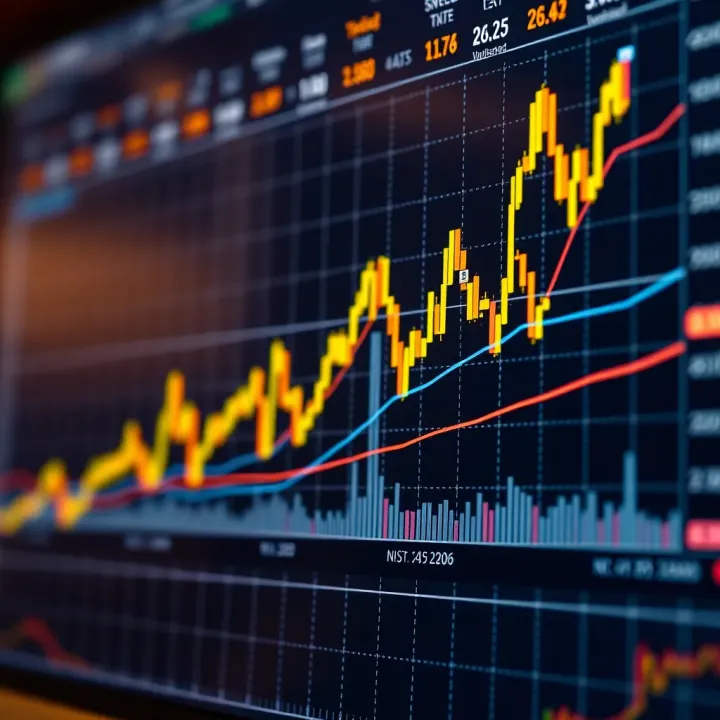
Understanding XAUUSD Gold Signals for Better Trading
📈 Learn how to read XAUUSD gold signals for smarter trades. Understand key indicators, risks, and strategies to improve your gold trading decisions in Pakistan.
Edited By
James Carter
Gold holds a special place in Pakistan’s investment landscape. From traditional jewellery buying to portfolio diversification, gold is considered a reliable store of value, especially during times of economic uncertainty. Understanding gold signals — the cues and indicators that hint at price movements — can give investors, traders, and financial analysts a practical edge in navigating the gold market effectively.
These signals come from various sources, including global economic news, currency fluctuations, and technical charts specifically tailored to Pakistan's gold market conditions. For instance, when the Pakistani rupee weakens against the US dollar, gold prices usually rise because gold is priced internationally in dollars. This relationship offers a useful signal for local investors aiming to time their purchases or sales.

It's also important to recognise the role of government policies and state institutions. Announcements related to import duties, taxes by the Federal Board of Revenue (FBR), or changes in regulatory rules from the State Bank of Pakistan (SBP) impact gold demand and supply. Monitoring such developments helps investors avoid surprises.
Moreover, reliable sources are key. Pakistan's gold market is influenced by jewellers’ networks, bullion traders in Karachi’s Zaibunnisa Street, and updates from regulatory bodies such as the Pakistan Mercantile Exchange (PMEX). Digital platforms offering real-time price tracking and comparison can complement traditional information channels.
Gold signals are not just about price charts—they reflect the economic pulse of Pakistan, currency trends, and policy shifts, all of which dictate market dynamics.
To use gold signals effectively:
Track the PKR/USD exchange rates regularly
Follow SBP announcements about foreign exchange and monetary policy
Stay updated with FBR notices on imports and taxation
Analyse technical indicators like moving averages and support/resistance levels on gold price charts
Consult credible market analysts and gold trading platforms
Combining these signals allows investors to plan buying or selling decisions more confidently, minimise risks, and optimise returns. Keeping an eye on gold signals is particularly useful during volatile periods like currency depreciation or inflation spikes, common challenges in Pakistan's economy.
In the following sections, we will explore specific gold signal types, how they operate in Pakistan's context, and practical ways to apply them in your investment strategy.
Gold signals are indicators or pieces of information that help investors predict movements in gold prices. For Pakistani investors, understanding these signals can mean the difference between making a profit or facing losses. Since gold trading in Pakistan is affected not just by global trends but also by local economic factors like the value of the rupee and inflation rates, recognising these signals is essential to navigate the market effectively.
In practical terms, gold signals can alert you when to buy or sell. For example, if a technical indicator shows gold price momentum building up, investors might decide it’s time to purchase. On the other hand, if fundamental signals suggest geopolitical tension easing, the gold price could drop, signalling a potential sell opportunity. Knowing when and how these signals appear gives investors a tactical edge.
Gold signals serve as hints or alerts derived from data that suggest how gold prices might move shortly. These signals take the form of trends, patterns, or economic cues which investors analyse to make informed decisions. For example, an upward trend in the price over several days might signal growing demand, encouraging buyers to act.
There are two principal categories: technical and fundamental signals. Technical signals come from charts and price data—moving averages, RSI (Relative Strength Index), and MACD (Moving Average Convergence Divergence) are common examples. They focus on past price actions to forecast future moves.
Meanwhile, fundamental signals relate to broader economic factors influencing gold. In Pakistan’s context, currency fluctuations, inflation, and international events like US Federal Reserve decisions affect gold’s value. For instance, if the rupee weakens, Pakistani investors might see gold prices rise, prompting buying activity.
Gold signals play a key role in anticipating price changes. Technical indicators identify momentum shifts early, allowing investors to predict when gold is about to rise or fall. For example, a crossover of moving averages often precedes price surges or dips.
Fundamental signals, on the other hand, explain why prices behave as they do. Understanding inflation trends or geopolitical unrest helps investors prepare for longer-term price movements. A spike in inflation in Pakistan generally boosts gold’s appeal as a store of value.
These signals strongly affect how investors behave. When clear signals suggest rising prices, there’s often a rush to buy, which itself pushes prices higher. Conversely, bearish signals can lead to early selling, minimising losses.
Investors in Pakistan, especially those using platforms like Daraz for gold-related products or following price updates through financial news outlets, rely on such signals for timely decisions. Ignoring these signals can mean missing out on opportunities or suffering avoidable losses, especially given the local market's sensitivity to global and domestic events.
In short, gold signals guide investors on when to act by offering a window into the market’s likely next move, making them invaluable tools for anyone serious about gold investment in Pakistan.

Gold trading in Pakistan relies heavily on certain signals that help investors and traders anticipate price moves. These signals often reflect trends seen locally in the Karachi Sarraf and Commodity Exchange and mirror global market dynamics influenced by currency shifts, geopolitical tensions, and economic policies. Understanding these common signals gives investors an edge in timing their trades and managing risks effectively.
Moving averages and price patterns serve as foundational tools for analysing gold prices. A moving average smooths out daily price fluctuations, revealing the underlying trend over time. For example, if the 50-day moving average crosses above the 200-day moving average—a signal called the "golden cross"—it might suggest a bullish trend. Pakistani traders often watch for these crossovers to identify solid entry points. Price patterns like double tops or bottoms can also signal potential trend reversals, helping investors avoid losses.
The Relative Strength Index (RSI) measures the speed and change of price movements to assess whether gold is overbought or oversold. In Pakistan’s markets, an RSI above 70 often suggests gold prices might be peaking, hinting at a potential pullback. Conversely, an RSI below 30 indicates oversold conditions and possible price rebound. This helps traders decide when to step in or exit, especially during periods of volatility influenced by local currency movements or foreign events.
MACD (Moving Average Convergence Divergence) and volume analysis combine price momentum with trading volume to spot shifts in trend strength. MACD compares short-term and long-term moving averages, and its crossovers signal buy or sell moments. Volume analysis confirms these moves—rising gold prices accompanied by high volume suggest strong buying interest. In Pakistan, volume often spikes during months when gold import restrictions change or during festival seasons such as Eid, which impacts demand.
Currency fluctuations and the rupee’s impact play a major role in gold price signals seen in Pakistan. Since gold is priced internationally in US dollars, any depreciation of the Pakistani rupee generally pushes local gold prices up. For instance, when the rupee weakens against the dollar, even stable international gold prices translate into higher costs in Pakistani rupees, affecting buying decisions and demand signals.
Geopolitical events and global demand also shape gold signals. Political tensions in the Middle East or trade disputes involving major economies increase global uncertainty, often sending investors towards gold as a safe haven. The Karachi market reflects this swiftly, with price upticks following such news. Similarly, global jewellery demand—especially from China and India—influences prices due to Pakistan’s import reliance.
Inflation and economic policies impact gold signals too. Rising inflation in Pakistan typically leads investors to shift towards gold to protect wealth. Changes in the State Bank of Pakistan’s monetary policy, especially interest rate adjustments, affect gold’s attractiveness since higher rates usually strengthen the rupee and lower gold prices locally. Monitoring inflation data alongside economic policies helps investors interpret signals more accurately.
Understanding both technical tools and fundamental factors is key for Pakistani investors to decode gold signals and make informed decisions in a market often influenced by both local and global forces.
Using gold signals prudently allows investors to decide when to jump in or exit the market with better confidence. These signals offer clues based on price trends, volume, or economic indicators that help spot profitable moments. For Pakistani investors, understanding these cues can be a difference between catching gains or facing losses amid the rupee fluctuations and geopolitical tensions we often see.
Recognising entry and exit points is vital in gold investing. Entry points indicate when to buy gold, ideally when signals show undervaluation or an upward trend. For instance, if the moving average converges with a sudden spike in trading volume, it could signal an upcoming price surge. Exit points signal when to sell, preventing potential losses or locking in profits. If the relative strength index (RSI) hits an overbought level above 70, that might suggest the price will soon correct downward. Spotting these moments helps avoid rash decisions and trade more strategically.
Combining multiple indicators for accuracy improves decision-making. Relying on just one signal can be misleading, especially in Pakistan where domestic and international factors heavily affect gold prices. A mix of technical tools — like MACD (Moving Average Convergence Divergence), RSI, and volume trends — alongside fundamental signals such as inflation rates or rupee depreciation, gives a clearer picture. For example, if MACD shows bullish momentum while inflation data points to rising prices, it's a stronger buy signal than either alone. This layered approach reduces risks and aligns your trades better with reality.
Considering local market conditions is crucial. Pakistan’s gold market reacts sharply to events like currency shifts, political instability, or changes in import duties. During times of rupee weakness against the dollar, gold often gains value domestically, signalling a good buying opportunity. Similarly, seasonal patterns around Eid or wedding seasons usually increase demand and prices. Watching these local patterns alongside global gold shifts helps investors time their moves more effectively.
Aligning investments with economic cycles can further optimise returns. Pakistan’s economic phases — such as rising inflation, fiscal deficits, or monetary easing by the State Bank of Pakistan — influence gold's appeal as a safe haven. For instance, when inflation spikes or political unrest rises, gold tends to benefit as investors seek a store of value. Investing with an eye on these cycles not only helps avoid poor timing but also capitalises on windows when gold is most likely to increase in value.
Understanding and using gold signals within Pakistan's specific market dynamics empowers investors to make informed choices, enhancing the potential for profitable trades while managing risks effectively.
By mastering entry and exit timing through trusted indicators, and considering our unique economic situation, Pakistani investors can navigate the gold market with sharper insight and steadier results.
Choosing reliable sources for gold signal information is a key step for any investor or trader dealing in gold. In Pakistan’s market, where misinformation can easily spread through social channels, relying on trustworthy platforms helps avoid costly mistakes. Reliable sources provide accurate, timely data and interpretations, allowing investors to base their decisions on facts rather than rumours.
Local financial news outlets play a vital role by offering updated reports on gold prices and market trends relevant to Pakistan. Established newspapers such as Dawn Business, Business Recorder, and Profit by Pakistan Today regularly publish gold price movements, analysis, and the impact of economic factors like rupee fluctuations or government policies. Their coverage is rooted in local market conditions and frequently includes expert opinions, making them practical sources for investors who want to stay informed.
These outlets also often report on government decisions affecting gold imports and taxes, which influence gold signals directly. For example, when the government changes customs duties on gold, these sources quickly highlight potential effects on prices, helping investors prepare to adjust their strategies.
Official commodity exchanges and market reports provide raw and verified data crucial for accurate gold signal analysis. The Pakistan Mercantile Exchange (PMEX) publishes daily and weekly reports detailing trading volumes, price averages, and trends in gold contracts. Such data are essential because they reflect actual market behaviour rather than speculative commentary.
Using reports from PMEX or the Karachi Stock Exchange (for listed gold-related financial products) ensures investors access original figures. This helps gauge real demand and supply dynamics, which technical and fundamental gold signals depend upon. Many financial advisers recommend cross-checking with these official exchanges before acting on any market signal.
Spotting dubious sources is crucial since false gold signals can lead to poor investment choices. Unverified signals often originate from social media posts, unofficial websites, or gossip within trading circles. These sources tend to exaggerate short-term price moves or promise quick profits without backing data.
Investors should watch for red flags such as uncredentialed authors, lack of data references, or promises that sound too good to be true. For example, sudden claims predicting gold prices to double in a week without market basis deserve scepticism. Educated investors can identify unreliable signals by checking whether the information aligns with broader market trends and official reports.
Verifying data before acting means double-checking gold signal information against multiple trusted sources. This includes cross-referencing news from reputable financial outlets with official exchange reports. Doing so confirms whether signals are supported by actual market behaviour—for instance, volume spikes or confirmed geopolitical events.
Taking a cautious approach reduces the risk of acting on misleading advice. In practice, many investors wait for confirmation from at least two trusted platforms before making buy or sell decisions based on gold signals. This diligence often saves money and prevents rash moves during volatile times.
Reliable gold signal sources not only provide accurate data but help investors maintain discipline and avoid losses in Pakistan’s fluctuating market.
By focusing on trustworthy news outlets and official commodity exchanges, while vigilantly avoiding dubious claims, Pakistani investors can navigate gold investments with greater confidence and insight.
Following gold signals without a clear plan can lead to rash decisions, especially in Pakistan's volatile market environment. Practical tips help investors align their strategies with realistic expectations and market behaviour. These guidelines aim to sharpen your focus, avoid common pitfalls, and ultimately improve investment outcomes.
Knowing your risk appetite is vital when interpreting gold signals. If you're conservative, you should avoid high-volatility signals like short-term technical indicators that fluctuate rapidly. For example, a trader relying on moving averages crossing each other might face frequent entry and exit signals, which could induce stress and losses for lower-risk investors. Instead, such investors might focus on longer-term fundamentals, like inflation trends or currency devaluation, which change slower but offer steadier guidance.
In contrast, a risk-tolerant investor might capitalise on quick signal shifts, taking advantage of short bull runs or dips. The key is to match signal strategies with your financial comfort zone – jumping into aggressive trades without this alignment can erode capital quickly.
Gold prices can be unpredictable, affected by global tensions, rupee instability, or sudden monetary policy shifts by the State Bank of Pakistan. Expecting steady, linear growth is unrealistic. For instance, during geopolitical tensions impacting oil prices, gold might surge abruptly, causing signal generators to flip frequently.
Investors should accept that losses or sideways movements are part of the game. Setting realistic targets, like moderate returns over a longer period instead of quick-profit hopes, protects your mental well-being and portfolio. Remember, gold signals are tools, not guarantees.
Gold signals can shift daily based on new data, market sentiment, or geopolitical events. Staying updated helps investors avoid outdated decisions. For instance, if the Rupee suddenly depreciates due to economic data releases, fundamental signals might suggest a buying opportunity in gold as a safe haven.
One practical approach is to review signals at set intervals, such as weekly or bi-weekly, rather than reacting every hour – this reduces noise while capturing meaningful trends. Tools like financial news apps and commodity exchange platforms in Pakistan can keep you posted on relevant developments.
Sticking rigidly to one plan despite changing signals can cause missed opportunities or increased losses. For example, if your initial entry point was the anticipation of inflation rising but inflation remains stable or decreases due to new government policies, reconsidering your position makes sense.
Investors should develop criteria for adjustment, such as a certain percentage drop or gain, or new fundamental data releases. Flexibility paired with discipline allows you to optimise profits and limit damage – a balanced mindset critical for success in the gold market.
Being proactive with realistic goals and frequent monitoring helps Pakistani investors harness gold signals effectively, turning insights into well-timed decisions rather than guesswork.
By adopting these practical habits, you can navigate Pakistan’s often turbulent gold market with more confidence and control.
📈 Learn how to read XAUUSD gold signals for smarter trades. Understand key indicators, risks, and strategies to improve your gold trading decisions in Pakistan.
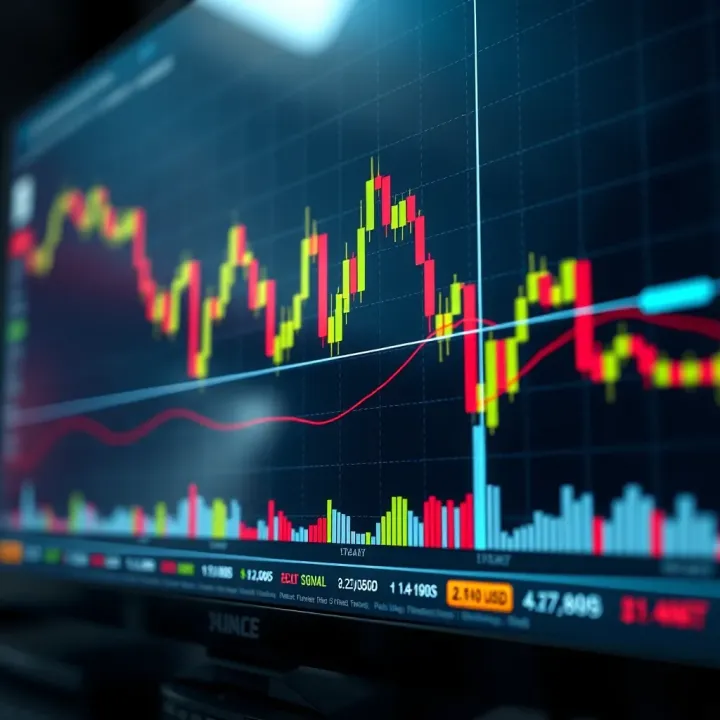
Discover how XAUUSD signals 🔍 guide gold traders in Pakistan. Learn signal types, analysis methods, and smart ways to boost your gold trading strategies! 💰

Learn how to manage payroll effectively in Pakistan 🇵🇰 with key insights on compliance, technology, and common payroll challenges for businesses.
📊 Discover essential trading tools for Pakistani investors to enhance market analysis, platform selection, and risk management for smarter trades in Pakistan.
Based on 7 reviews