
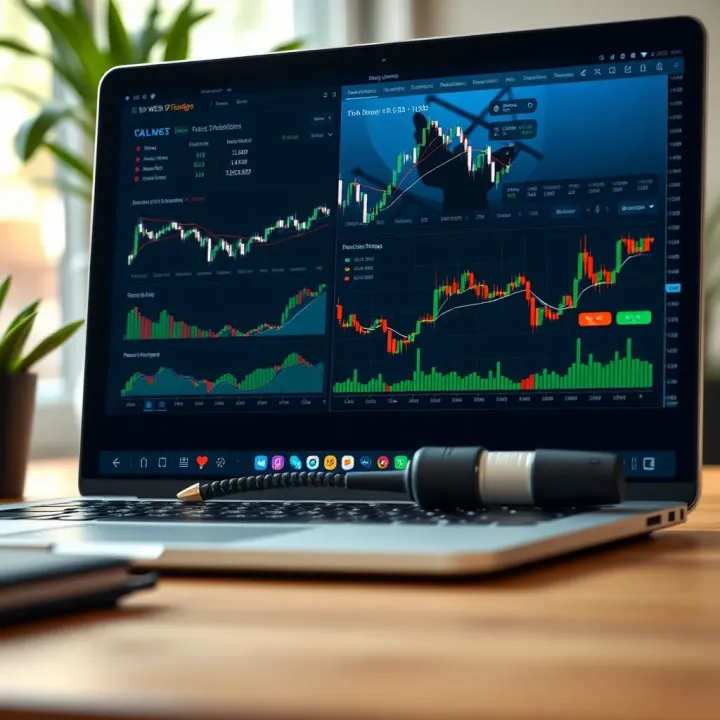
Understanding Web Trading Platforms: Features & Benefits
Explore web trading platforms in Pakistan: key features, security tips, usability, & choosing the right fit 📈💻 for smarter market decisions.
Edited By
Isabella Wright
Robot trading, also called automated trading, relies on software programs to buy and sell securities without continuous human input. These programs use pre-established rules based on technical indicators, market conditions, and price movements to make decisions instantly. In Pakistan, where financial markets like the Pakistan Stock Exchange (PSX) and forex platforms are expanding rapidly, robot trading has grown more relevant for traders and investors.
Automated trading helps remove emotional biases common in manual trading—such as fear and greed—which often lead to poor decisions. For instance, a trading robot can execute a buy order the moment a stock price hits a specific threshold, rather than waiting for a human trader to react. This speeds up trading, often capturing opportunities that may last only seconds.
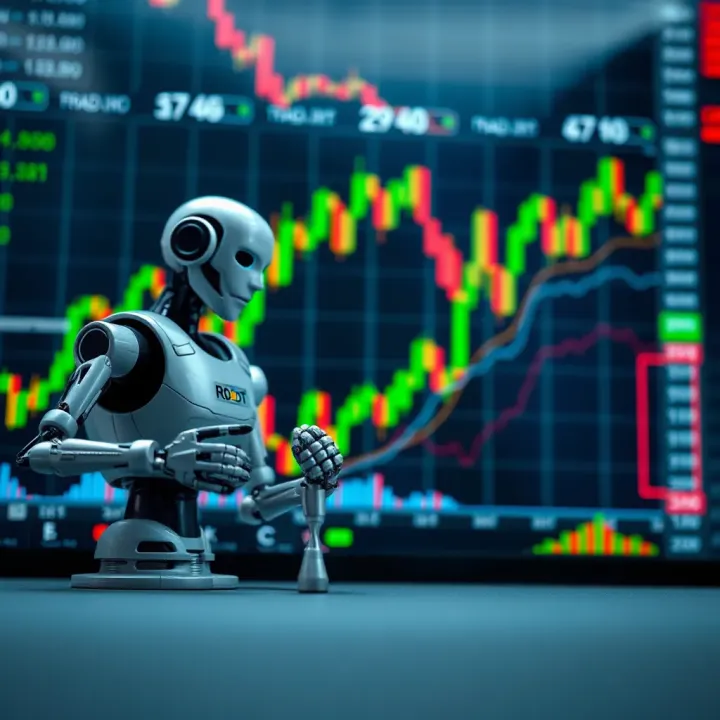
Robot trading allows investors to manage multiple trades simultaneously and react faster to market changes than manual trading.
These systems come in various types:
Trend-following robots: These follow market trends using moving averages or momentum indicators.
Mean reversion robots: They bet on price corrections when assets deviate from their average values.
Arbitrage bots: These exploit price differences of the same asset across different markets.
Before adopting robot trading, investors in Pakistan should consider several factors:
Market Conditions: Algorithms work best in liquid markets where price data is reliable.
Technical Know-how: Setting up and adjusting robots requires some understanding of trading strategies and programming.
Costs: Platform fees, data charges, and potential losses should be weighed carefully.
For example, a trader using a trend-following algorithm on PSX shares must ensure the bot accounts for Pakistani market holidays and trading hours to avoid unintended trades. Moreover, reliable internet access is critical, as connectivity issues can disrupt automated execution.
Robot trading can improve efficiency and discipline, but it doesn't guarantee profits. Market volatility, sudden news, and technical glitches can cause losses. Therefore, investors should combine automated systems with regular monitoring and risk management.
In summary, robot trading introduces precision and speed that help traders in Pakistan's markets, yet successfully using these tools demands knowledge, careful planning, and ongoing oversight.
Robot trading has become a significant part of modern financial markets. It involves using computer programs to automatically execute trades based on specific rules without constant human input. For traders and investors in Pakistan, understanding how robot trading functions can open up opportunities to capitalise on market movements more efficiently.
Robot trading, also called algorithmic or automated trading, means using software that follows predefined instructions to buy or sell financial assets. These instructions are often based on technical indicators, price patterns, or economic data. Such automation removes the need for manual decision-making during fast-moving market conditions.
Algorithms analyse live market data to decide when to enter or exit trades. They use formulas derived from historical price action and volume trends to spot opportunities. For instance, if a stock's price crosses above its 50-day moving average, the robot may execute a buy order. This way, trades happen instantly, much faster than a human could react.
Reliable software is essential to run these algorithms efficiently. It connects to brokers’ systems and exchanges, carries out trades swiftly, and monitors market status continuously. In Pakistan, platforms like MetaTrader or local brokers’ trading terminals support such integrations, enabling users to deploy their preferred robots directly.
One popular method is trend following, where the robot buys assets in an upward price trend and sells when the trend reverses. This strategy relies on the idea that prices often move in sustained directions. For example, if the Karachi Stock Exchange index is steadily rising, a trend-following robot could buy shares early and hold until signs of a slowdown appear.
Arbitrage exploits tiny price differences of the same asset in different markets. Robots can spot these discrepancies instantly and make quick trades to earn risk-free profits. In Pakistan, variations between international commodity prices and local market rates sometimes provide such chances, which manual traders might miss.
Market making involves providing buy and sell prices continuously to earn the spread—the difference between those prices. Scalping takes frequent small profits by entering and exiting trades rapidly. Robots excel at these strategies since they handle high-speed order execution better than manual operations, helping maintain liquidity in exchanges like PSX.
Robot trading blends technology and strategy, allowing faster, emotion-free trading. However, understanding the basics and strategies involved helps you use it wisely and avoid pitfalls.
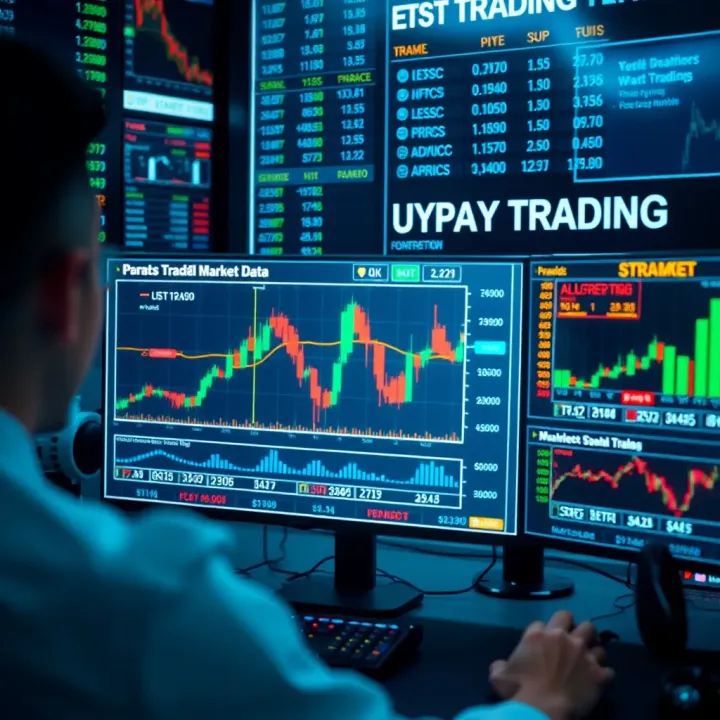
Automated trading systems, often called robot trading, offer a range of benefits especially relevant for the fast-paced environment of financial markets. For Pakistani traders and investors, these advantages translate into faster execution, increased reliability, and access to trading opportunities beyond local time restrictions.
Executing trades faster than humans: One key benefit of robot trading is its ability to execute orders within milliseconds. Unlike human traders who need time to analyse and place trades manually, robots can instantly react to market movements. For example, during volatile periods on the Pakistan Stock Exchange (PSX), automated systems can place multiple orders instantly to capitalise on fleeting price differences that humans would likely miss.
Eliminating emotional bias: Human trading often suffers from emotional decisions—fear and greed can cloud judgement, leading to inconsistent results. Robots follow pre-set rules without hesitation or doubt. This means a trading bot won’t panic-sell during sudden market dips or become overconfident during rallies. Such disciplined execution helps maintain steady trading strategies and reduces costly mistakes often seen in manual trading.
Trading across different markets and time zones: Financial markets outside Pakistan, like Forex or cryptocurrency exchanges, operate round the clock. Robot trading allows Pakistani investors to tap into these opportunities without needing to stay awake overnight. For example, a trader can set their robot to monitor and trade on US or European markets during Pakistan’s sleeping hours, ensuring no time zone prevents investment.
Managing multiple positions simultaneously: Keeping track of numerous trades across different assets can be overwhelming for any human. Robots handle this hassle easily by managing multiple open positions at once. In practice, a robot might monitor equities, currency pairs, and commodities simultaneously, adjusting positions in real time to stay aligned with the strategy.
Overcoming local market limitations: Pakistan’s financial markets have certain constraints such as limited trading hours and occasional loadshedding that can disrupt manual trading. Robotics offers continuous market monitoring and execution, even when traders are offline or facing power issues, as long as the data centre or cloud system remains operational.
Use with popular Pakistani trading platforms: Many local brokers now support platforms compatible with automated trading software, such as MetaTrader and TradingView. This makes robot trading accessible to a wider range of Pakistani investors without needing complex setups. For instance, traders using accounts with brokers like IGI Securities or Arif Habib can integrate robot trading tools to boost efficiency.
Automated trading does not guarantee profits but enhances speed, consistency, and market access—features particularly useful for Pakistani traders adjusting to a mixed environment of local challenges and global markets.
In sum, robot trading can level the playing field by removing human limitations and opening doors to global financial markets with greater efficiency. Pakistani traders, through vigilant selection and cautious use of these tools, can better navigate markets and improve their trading outcomes.
Understanding the types of robot trading systems is essential for traders who want to adopt automated trading in Pakistan’s financial markets. Different systems vary in complexity, data usage, and suitability for various trading styles. Choosing the right system depends on your trading goals, risk tolerance, and experience.
Predefined trading rules make up the foundation of rule-based systems. These robots operate on clear instructions like "buy when the 50-day moving average crosses above the 200-day moving average" or "sell if the price drops 2% within an hour." This approach appeals to traders who prefer transparency and control, as the rules are fixed and easy to understand. For example, a trader using MetaTrader 4 in Pakistan might set up such a system to automate their strategy without second-guessing the software's decision.
Simple and transparent mechanisms allow these systems to be both reliable and easy to troubleshoot. If a rule-based bot isn't working as expected, traders can adjust or disable specific conditions. This clarity helps maintain trust, especially in volatile markets like Karachi Stock Exchange (KSE), where sudden changes require quick adaptations. Since the mechanics are straightforward, even traders with limited programming skills can set up or modify these bots on local platforms.
Using data patterns and predictions, AI trading robots tap into vast amounts of market data to identify trends and make forecasts. These systems learn from historical prices, volume, and even news sentiment to improve over time. For instance, such a robot might spot subtle shifts before a rupee depreciation or commodity price surge, offering an edge over simple rule-based bots.
Advantages and challenges of AI systems include their ability to adapt to changing market conditions, which can outperform static rules. However, they demand higher technical expertise and powerful computing resources. Plus, the models can sometimes “overfit” past data, making inaccurate predictions in live trading. For Pakistani traders, especially those using platforms like Interactive Brokers or local brokers with algorithmic options, understanding these drawbacks is key to avoid costly mistakes.
Mirroring experienced traders’ strategies helps beginners and those lacking time to develop their algorithms. These bots automatically copy trades from successful traders in real-time. For example, a Daraz trader might use a bot to follow top traders investing in international stocks or crypto, reducing the learning curve.
This method's suitability for beginners lies in its ease of use and minimal technical requirements. Users don't need to program or understand complex algorithms; instead, they choose reliable traders to follow based on performance stats. However, it’s vital to be cautious and select experienced traders with proven success to avoid blind reliance.
Choosing the right trading bot depends on your needs and market knowledge. Rule-based systems suit hands-on traders, AI bots fit data-driven approaches, and copy trading offers a practical start for newcomers.
Each system brings specific tools and challenges, so Pakistani investors should consider compatibility with local brokers, regulatory compliance, and their personal trading style before jumping in.
Robot trading is powerful, but it’s not without risks. Understanding the limitations helps traders make informed decisions and set realistic expectations. Automated systems can fail technically, misread volatile markets, or fall foul of regulatory requirements—especially in markets like Pakistan’s that are still evolving. It also matters how traders use these tools; blind reliance can lead to big losses.
Software glitches and connectivity issues sometimes hit trading robots unexpectedly. For example, a temporary internet outage or server problem with your broker can stop the robot from executing trades or closing positions on time. In Pakistan, where internet disruptions or power loadshedding are common, traders must be cautious. Even the most well-coded software can freeze or behave erratically during brief technical faults, leading to missed opportunities or unintended trades.
Sudden market volatility impact poses another challenge. Sharp price swings, often triggered by unexpected news or political events, can confuse automated systems. Robots programmed on historical data might not react well to such turbulence. For instance, if a robot is set to follow trends, a sudden market crash could cause massive losses faster than a human could react. This risk is especially relevant during unstable periods in Pakistan’s economic or political environment.
Compliance with Pakistan’s financial rules is vital for anyone using trading robots. The Securities and Exchange Commission of Pakistan (SECP) has clear regulations about automated trading to protect investors. Using software that doesn’t comply with these rules can lead to penalties or account suspension. Local traders should confirm the robot’s compatibility with Pakistan Stock Exchange (PSX) standards and FBR guidelines to avoid legal hassles.
Responsible use and transparency in robot trading help maintain trust between traders and providers. Since the algorithms run without constant human monitoring, it’s important for users to understand what the robot does and its risks. Transparency about trading strategies allows traders to avoid blindly trusting a system that might be too aggressive or unsuitable for their goals. Pakistani investors should look for clear disclosures by providers about risks and expected outcomes.
Backtesting pitfalls occur when traders excessively fine-tune robots to fit past market data perfectly. While backtesting helps understand performance, over-optimisation makes the system too tailored to historical trends, which may not repeat. This can mislead traders into thinking the robot will always perform well. For example, a robot performing brilliantly in backtests for PSX data might fail in live trading under different circumstances.
Risks of relying solely on automated systems come from neglecting human oversight. Even the smartest robots can’t foresee all factors like regulatory changes, unexpected political developments, or technical breakdowns. Depending fully on automation removes the trader’s ability to intervene when things go wrong. In Pakistan’s market, with its unique challenges, a trader ignoring manual updates or risk management can pay a heavy price.
In summary, while robot trading offers speed and consistency, knowing its risks and limits is essential. Practical traders combine automated execution with careful monitoring and regulation compliance to navigate Pakistan’s financial markets safely.
Choosing the right robot trading system in Pakistan requires careful evaluation of software reliability, compatibility with local brokers, and awareness of legal regulations. Being mindful of realistic expectations about returns and risks also helps prevent disappointments. Whether you are a seasoned trader or a newcomer, these factors can significantly influence your success with robot trading.
The trustworthiness of robot trading software depends largely on its track record and user feedback. Pakistani traders should look for reviews from fellow users or credible financial forums before investing. For example, if a bot claims consistent profits but has poor reviews citing frequent crashes or unfulfilled trades, it is a red flag. Some platforms even offer trial versions; trying those can help spot technical flaws early.
Not all trading robots work smoothly with every broker. It's important to verify that the robot supports popular Pakistani brokerage platforms like Interactive Brokers Pakistan or local brokers approved by the Pakistan Stock Exchange. This avoids issues like delayed order execution or problems syncing account data. For instance, a bot compatible with OANDA might not function well with a Karachi-based brokerage operating under different protocols.
While robot trading promises faster executions and removes human error, profits are never guaranteed. The Pakistani market, like others, faces volatile swings due to political or economic events, which can impact automated trades. It's key to remember that high returns often come with increased risks, and relying purely on automation without oversight can lead to losses.
To manage risk, beginners should start with a small investment—perhaps Rs 50,000 or Rs 100,000—when using a new robot. This limited exposure helps understand the bot's behaviour without risking a large sum. Local traders often test robots on demo accounts provided by brokers before moving to live trading with real money.
Compliance with the Securities and Exchange Commission of Pakistan (SECP) rules ensures legal protection for investors. Before selecting any robot trading software, confirm it adheres to the local regulatory framework. SECP periodically updates guidelines related to electronic trading; ignoring these can lead to fines or blocked accounts.
Security is vital when dealing with automated systems connected to bank accounts or trading platforms. Choose robots with strong encryption, two-factor authentication, and clear policies on data privacy. In Pakistan, cybercrime is rising, so protecting your login credentials and funds from hacking attempts must be a priority. Using reliable brokers like HBL or MCB for fund transfers alongside secure bots adds an extra layer of security.
A trader using fully compliant and tested robot software, starting small and monitoring regularly, will likely avoid many common pitfalls seen in Pakistan’s growing automated trading ecosystem.
These guidelines not only make robot trading safer but also more effective, helping Pakistani traders make informed choices amidst rapid digital shifts in the financial markets.
Explore web trading platforms in Pakistan: key features, security tips, usability, & choosing the right fit 📈💻 for smarter market decisions.

📈 Discover how Forex WhatsApp group links help Pakistani traders connect, share tips, and spot scams. Learn benefits, risks, and safe ways to trade confidently.

Explore QueTox herbal supplement benefits, ingredients, user experiences, and safety tips 🌿 to decide if it's right for your health routine in Pakistan.
💡 Learn binary trading basics, key risks, and smart tips tailored for Pakistan. Understand options types and trade wisely in your financial market.
Based on 6 reviews