
Bitcoin Price Forecast for Pakistani Investors
📉 Discover what shapes Bitcoin's price for Pakistani investors, analysing market trends, economic shifts, and risks to strategise your crypto decisions smartly.
Edited By
Amelia Clarke
Bitcoin's price has captured the attention of investors worldwide, and Pakistan is no exception. As cryptocurrency gains traction among traders, businesses, and financial analysts here, understanding Bitcoin's future price trends becomes essential. This section offers a concise overview of the factors shaping Bitcoin's value and what Pakistani investors should keep in mind.
Bitcoin's price is famously volatile, swinging sharply due to a mix of global and local influences. Its past record shows rapid growth phases punctuated by steep corrections. For example, after surging past $60,000 in 2021, Bitcoin fell by nearly 50% within months, reflecting broader market shifts and regulatory news.
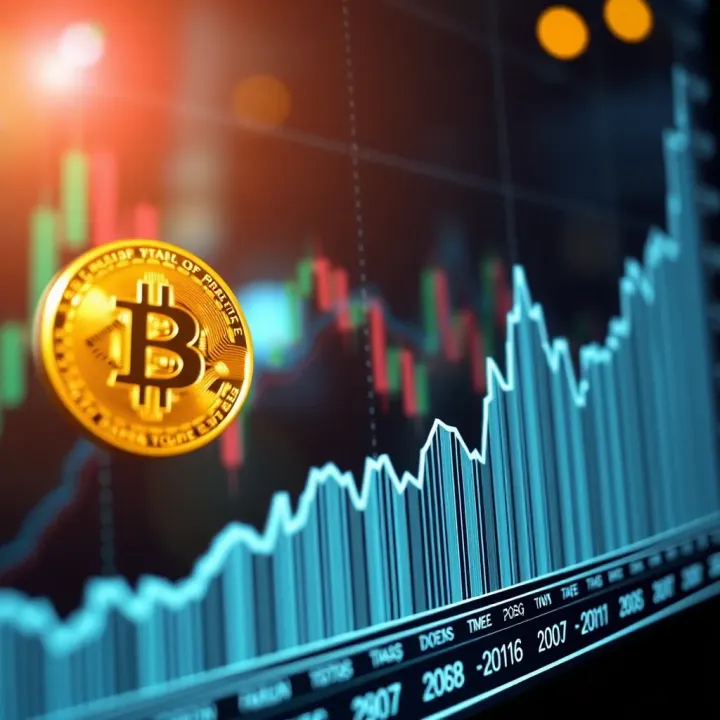
Key drivers influencing Bitcoin's price include demand and supply dynamics, investor sentiment, and regulatory developments in major economies. Speculation plays a big role, as does adoption by institutions and governments. For instance, announcements from central banks about potential digital currencies often impact Bitcoin's appeal.
Pakistan's unique financial environment brings specific considerations. The rupee’s fluctuations, regulations by the Securities and Exchange Commission of Pakistan (SECP), and the State Bank of Pakistan's stance on cryptocurrencies can all affect local trading activity. Additionally, the popularity of digital wallets like JazzCash and Easypaisa means more retail investors gain easy access to crypto markets.
Investors should also watch out for risks such as sudden policy changes, cybersecurity threats, and market manipulation potential. Bitcoin's lack of central backing means its price can react swiftly to rumours or large-scale movements by whales (big holders). Technical analysis tools, alongside fundamental research, help decode these patterns.
Understanding these elements is vital: Bitcoin’s price does not move in isolation but responds to a complex web of economic, political, and social factors.
In sum, the path forward for Bitcoin remains uncertain but promising. This article will systematically break down how to assess Bitcoin trends, interpret signals, and manage risk, particularly tuned to Pakistan’s context where the crypto ecosystem is evolving rapidly.
This introduction sets the stage for a deeper dive into technical methods, key influencers, and actionable insights that traders and investors alike can use to navigate the coming years of Bitcoin trading confidently.
Grasping the ups and downs of Bitcoin's price helps investors and traders make informed decisions. This understanding is especially vital in the volatile cryptocurrency market where sudden shifts can lead to hefty gains or losses. For Pakistani investors, where local currency volatility adds another layer of complexity, knowing why Bitcoin’s value moves can make a real difference.
Bitcoin started trading very low, practically pennies, during its early days around 2009-2011. Early adopters mostly tech enthusiasts and libertarians saw little monetary value then but valued its decentralised nature. Understanding these early trends shows how Bitcoin transitioned from a niche tech curiosity to an asset capturing wider interest.
Bitcoin saw enormous price spikes in 2013, reaching over $1,000, followed by sharp falls. Another notable surge happened in late 2017, peaking near $20,000 before falling back. These cycles highlight Bitcoin’s speculative nature and the impact of public hype, regulatory news, and market psychology. Pakistani traders should note that these booms were often followed by painful corrections.
More recently, Bitcoin’s price has shown a mix of steady growth alongside high volatility, influenced by institutional investment and global economic conditions. Events like the 2020-21 rally amid pandemic stimulus packages and recent dips connected to regulatory crackdowns show how external factors affecting global finance significantly impact Bitcoin.
Bitcoin's supply is limited to 21 million coins, making scarcity a major price driver. Demand spikes, triggered by adoption or speculative interest, often push prices up. For example, the halving events—where miner rewards reduce by half—lower new supply and have historically led to price rises over months. Pakistani investors must watch supply changes and demand shifts to anticipate price moves.
Regulations remain a wildcard in Bitcoin's value. Countries like the US and EU offer clearer frameworks, which often stabilise markets. Pakistan’s regulatory landscape is still evolving, with the State Bank and Federal Board of Revenue showing caution. News of crackdowns or acceptance anywhere can send prices swinging, so staying updated on policy in Pakistan and abroad is vital.
Improvements to Bitcoin’s underlying technology, such as the Taproot upgrade introduced more efficient and private transactions, can boost confidence and usability. Network issues like congestion or high fees may suppress demand temporarily. For investors in Pakistan, understanding these technical changes helps in assessing Bitcoin’s long-term utility and value.
Understanding price fluctuations involves looking beyond charts. It means grasping the why behind moves—be it supply limits, government rules, or tech shifts—to navigate risks and spot opportunities confidently.
Understanding the methods behind Bitcoin price prediction is essential for investors and analysts who want to make informed decisions. These methods, primarily divided into technical and fundamental analysis, offer practical ways to interpret market signals and the underlying factors influencing Bitcoin’s value. Applying these tools can help you anticipate price movements more confidently and manage risks effectively.
Chart patterns reveal how Bitcoin’s price has behaved over time, showing repetitive formations like head and shoulders, flags, and double bottoms. These patterns help traders identify potential reversals or continuations in price trends. For example, spotting a ‘cup and handle’ pattern on Bitcoin’s daily chart might signal a forthcoming bullish move, guiding traders to open a position.
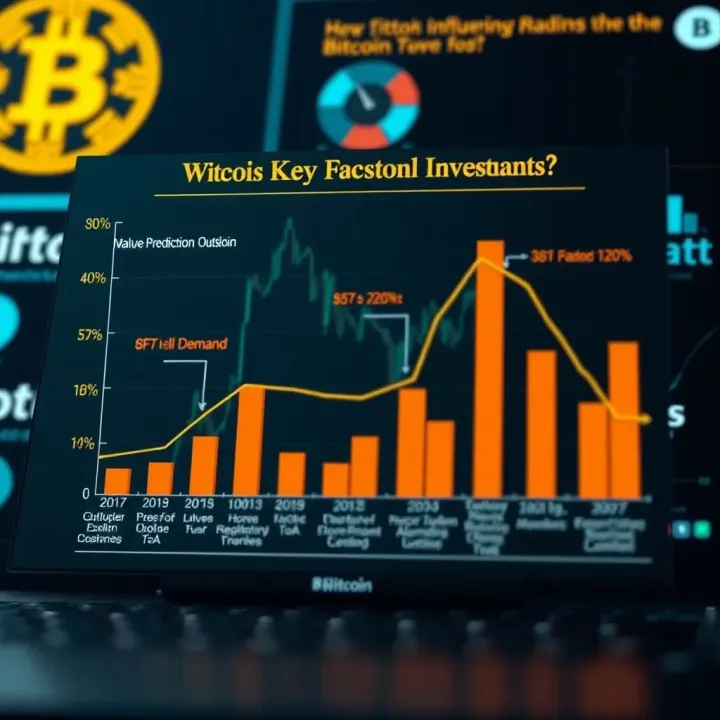
Trends, whether upward, downward, or sideways, provide a bigger picture of market direction. Recognising an uptrend can encourage holding onto Bitcoin longer, while a downtrend could warn of possible selling pressure. Pakistani investors, keeping an eye on local market timings and global trading hours, can use chart trends to time their entries and exits more strategically.
Moving averages smooth out price fluctuations by averaging past data points, helping identify support and resistance levels. The 50-day and 200-day moving averages are popular; when the short-term average crosses above the long-term one, it's called a 'golden cross'—a bullish sign. Conversely, a 'death cross' signals potential declines.
Alongside moving averages, indicators like the Relative Strength Index (RSI) and Moving Average Convergence Divergence (MACD) measure momentum and overbought or oversold conditions. For instance, if RSI shows Bitcoin is oversold during a dip, investors might find it a good buying opportunity rather than panic selling.
Volume reflects how many Bitcoin units are traded over a given period. High volume during a price rise suggests strong buying interest, making the move more reliable. Low volume on a price increase, however, might hint at weak conviction.
For example, if Bitcoin’s price jumps sharply but volume remains low, the surge could be short-lived or manipulated. Pakistani traders, facing market volatility and sudden rupee fluctuations, can use volume analysis to differentiate genuine price moves from false signals.
Fundamental analysis looks beyond price charts to real-world factors. Bitcoin's network activity, such as transaction numbers, active addresses, and mining difficulty, indicates how widely it’s used. Increasing on-chain activity often points to stronger adoption, which can support price growth.
For instance, more Pakistani retailers and users engaging with Bitcoin through platforms like JazzCash or Easypaisa reflects growing trust and demand. Tracking this data helps investors assess Bitcoin’s fundamental health over hype.
Public opinion and news coverage can sway Bitcoin’s price significantly. Positive news like a major company accepting Bitcoin or regulatory clarity in Pakistan can boost confidence and prices. On the flip side, bans or crackdowns often trigger sell-offs.
Investors should monitor global headlines and local developments carefully. For example, rumours of tighter PTA regulations or announcements from the State Bank of Pakistan affect local demand and market sentiment instantly.
Global economic conditions also influence Bitcoin’s price. Inflation rates, currency volatility, and geopolitical tensions push investors to seek alternative assets like Bitcoin. Pakistan’s rupee depreciation against the dollar or inflation spikes can increase local interest in Bitcoin as a potential hedge.
Simultaneously, global monetary policies, such as interest rate changes by major central banks, affect liquidity and risk appetite worldwide. Understanding these macro trends allows investors to put Bitcoin price changes into a broader economic context.
Applying both technical and fundamental analysis together gives a fuller picture for Bitcoin price prediction. While charts show the ‘what’ of price movement, fundamental factors explain the ‘why’, empowering smarter investment decisions.
By mastering these methods, Pakistani traders and investors can better navigate the volatile yet promising Bitcoin market.
Understanding current market conditions is vital when predicting Bitcoin's future price. These conditions shape short and medium-term movements, affecting both global and local investors. For example, a surge in institutional interest often pushes prices higher, while regulatory crackdowns can trigger sharp declines.
Inflation and Currency Fluctuations
Rising inflation, especially in major economies like the US and Europe, often drives investors towards assets seen as a hedge, such as Bitcoin. When fiat currencies lose value, Bitcoin's capped supply of 21 million coins attracts those seeking to protect their wealth. For Pakistanis, where inflation and currency depreciation are persistent issues, Bitcoin can appear as an alternative store of value despite its volatility.
Institutional Investment in Bitcoin
Institutional backing brings more stability and legitimacy to Bitcoin. In recent years, companies and investment funds have added Bitcoin to their portfolios, influencing its price positively. For instance, when a bank announces Bitcoin trading services or a multinational buys BTC, demand spikes sharply. Pakistani investors should watch global institutional moves closely as they tend to impact local market sentiment and prices.
Geopolitical Events
Political tensions, sanctions, and global crises often make traditional markets uncertain, pushing investors towards cryptocurrencies. For example, conflict zones, restrictions on remittances, or sanctions on nations can fuel Bitcoin demand for cross-border transfers. While Pakistan itself faces geopolitical challenges, these events abroad affect Bitcoin's overall demand and price dynamics.
Cryptocurrency Regulations and PTA Guidelines
Pakistan's legal stance on cryptocurrency remains unsettled. The Pakistan Telecommunication Authority (PTA) regulates internet access but has yet to issue clear guidelines on crypto platforms. This uncertainty discourages formal participation but hasn't stopped crypto’s underground growth. Investors must stay updated with evolving policies to avoid legal pitfalls.
Local Demand and Awareness
Awareness of Bitcoin among Pakistanis is growing, yet it remains patchy between urban and rural areas. Crypto trading is mostly confined to tech-savvy youth and businesses looking for alternative payment options amid banking challenges. Platforms like Easypaisa and JazzCash have started integrating limited crypto services, helping to increase accessibility.
Impact of Rupee Volatility
The Pakistani Rupee's fluctuations influence Bitcoin’s local price directly. When the Rupee weakens against the US Dollar, Bitcoin prices typically rise in PKR terms. This interaction adds a layer of complexity for Pakistani investors, as they must consider both Bitcoin’s USD price and currency exchange trends when buying or selling.
Monitoring these market conditions allows Pakistani investors to make informed decisions and adapt their strategies in a dynamic environment. Understanding both global trends and local realities ensures a balanced perspective on Bitcoin's potential price movements.
Forecasting Bitcoin’s price isn’t straightforward due to several risks and challenges that investors need to understand. These hurdles can dramatically shift market dynamics, affecting price predictions. For Pakistani investors and analysts, recognising these factors is key to managing expectations and preparing for sudden price changes.
Bitcoin’s relatively unregulated market and lower liquidity compared to traditional assets create opportunities for price manipulation. Large investors, often called "whales," can influence the market by buying or selling significant amounts, causing abrupt price swings. For instance, sudden pump-and-dump schemes have been reported on smaller cryptocurrency exchanges, misleading retail investors. This manipulation complicates reliable price forecasting since artificial moves distort the real market sentiment.
Bitcoin’s notorious price swings pose a serious challenge for investors. High volatility means the price can jump or drop by double-digit percentages in a single day, which can lead to significant gains but also heavy losses. For Pakistani investors accustomed to stable investment avenues like fixed deposits or government bonds, this unpredictability requires a cautious approach. It’s important to manage risk by setting stop-loss orders and not investing more than one can afford to lose.
Government policies heavily impact Bitcoin’s price, especially in emerging markets like Pakistan. A sudden ban or crackdown on cryptocurrency exchanges or mining operations can cause panic selling and price declines. For example, in early 2023, rumours of stricter regulations prompted sharp dips in local volumes, reflecting investor fear. This uncertainty makes it difficult to predict long-term price trends since regulatory changes can instantly reshape market accessibility.
Pakistan’s official stance on cryptocurrencies remains vague, with no clear legal framework governing their trading or use. The State Bank of Pakistan (SBP) has warned against trading crypto assets but has not outlawed ownership or informal trading outright. This creates confusion among investors and businesses, limiting market development and affecting demand. Without regulatory clarity, Pakistani Bitcoin price forecasts must factor in the risk of abrupt policy shifts or enforcement actions that could disrupt local market activity.
Understanding these risks helps investors avoid surprises and make informed decisions — Bitcoin’s future price isn’t just about numbers on charts, but also about navigating its volatile, uncertain environment.
Key points to remember:
Price manipulation by large players disrupts market trends.
High volatility demands strict risk management.
Sudden government crackdowns can severely affect prices.
Legal uncertainty in Pakistan clouds market confidence and growth.
Being aware of these challenges improves forecasting accuracy and guides better investment strategies in Pakistan's evolving crypto scene.
Understanding the outlook and practical advice for Bitcoin investors helps you navigate a market known for its unpredictability. This section focuses on realistic price expectations, key growth drivers, and tailored strategies for Pakistani buyers. Clear guidance here ensures you can make informed decisions without purely relying on speculative hype.
Bitcoin price predictions often vary, but many analysts suggest a growth range influenced by current global economic trends and local demand in Pakistan. For example, Bitcoin may see fluctuations between $30,000 to $70,000 in the near term, depending on market stability and institutional interest. This range is practical for traders and investors to plan entry and exit points, especially in a volatile environment where prices can swing rapidly.
Demand spikes from institutional investors, technological upgrades like Taproot, or favourable regulations can accelerate Bitcoin's price growth. In Pakistan, increasing awareness and adoption through platforms like JazzCash or Easypaisa add positive pressure on demand. However, factors like government crackdowns, regulatory uncertainty, or steep rupee depreciation could slow growth or cause price dips. Keeping an eye on these local and global elements can offer better timing for investments.
Relying solely on Bitcoin can expose you to high risk due to its price volatility. Pakistani investors often benefit from diversification across altcoins like Ethereum or Binance Coin, as well as stablecoins pegged to the US dollar. Diversification helps balance your portfolio so losses in one asset can be offset by gains in others, reducing overall risk.
Following Pakistan’s regulatory framework is crucial. With SECP and State Bank of Pakistan keeping close watch on crypto transactions, ensuring your trading platforms are PTA-approved or licensed can prevent legal troubles. Investors should complete KYC (Know Your Customer) procedures and use registered exchanges to safeguard against sudden freezes or account closures.
Due to Bitcoin’s price swings, managing risk through stop-loss orders and setting clear investment limits can prevent heavy losses. Pakistani investors should avoid putting more than they can afford to lose, especially considering local economic uncertainties like loadshedding or inflation. Thinking long-term, holding Bitcoin for several years tends to smooth out volatile phases, allowing time for growth as the market matures globally and locally.
Proper planning and realistic expectations make Bitcoin investment more manageable. Approach the market with clear strategies and awareness of local conditions to improve chances of success.
📉 Discover what shapes Bitcoin's price for Pakistani investors, analysing market trends, economic shifts, and risks to strategise your crypto decisions smartly.
🔍 Explore Bitcoin's 2025 price trends, market moves, tech upgrades, and regulation impacts to make informed decisions in Pakistan's crypto space.
📈 Get the latest SOL (Solana) price prediction with expert analysis, market trends, and risks. Ideal for Pakistani investors planning smart crypto moves today.
📈 Explore Ethereum price trends, tech updates, and expert insights. Understand market sentiment, regulations, and future outlook for Pakistani investors.
Based on 10 reviews