
Bitcoin Price USD Forecast and Future Trends
📈 Explore detailed Bitcoin price USD prediction, analysing market trends, expert views, and risks in Pakistan’s crypto space for smarter investment decisions.
Edited By
James Harrington
Understanding the BTCUSD exchange rate has become essential for traders and investors, especially in Pakistan's growing cryptocurrency ecosystem. Bitcoin's price movements are influenced by various factors including global economic trends, regulatory changes, technological developments, and market sentiment. By analysing these elements, one can make informed predictions about Bitcoin’s future price behaviour.
Bitcoin’s volatility often surprises newcomers, but experienced traders rely on historical price data and key market indicators to forecast trends. For example, past cycles of rapid price appreciation followed by corrections help frame expectations for future movements. During 2021, Bitcoin reached an all-time high of around $64,000, then experienced significant pullbacks, behaviours traders monitor closely today.
Careful observation of BTCUSD trends enables better timing for entry and exit points, mitigating risks associated with sudden price swings.
Market Sentiment: Positive news such as institutional adoption typically pushes prices up, while security breaches or bans can trigger sell-offs.
Regulatory Environment: Pakistan’s own stance, alongside global regulations, directly impacts trading volumes and investor confidence.
Economic Conditions: Inflation trends, currency devaluation, and geopolitical tensions influence how investors view Bitcoin as a store of value.
Technological Advances: Upgrades to Bitcoin’s network or competing cryptocurrencies can affect its attractiveness.
Keep an eye on US Dollar movements as BTC is traded against USD—any fluctuation in USD impacts BTCUSD rates.
Use local platforms like Binance or LocalBitcoins to compare prices and liquidity.
Remember that loadshedding and internet outages can disrupt timely trading; plan transactions accordingly.
Understanding these factors helps traders not only anticipate price shifts but also react swiftly when market conditions change. Regularly tracking BTCUSD offers Pakistani investors a clearer picture, empowering better investment decisions and risk management.
Understanding the BTCUSD pair is fundamental for anyone dealing with cryptocurrency, especially traders and investors in Pakistan. BTCUSD represents the price of Bitcoin (BTC) measured against the US Dollar (USD), reflecting how much one Bitcoin costs in dollars. This pair acts as a primary benchmark for Bitcoin's value globally and directly impacts trading decisions and investment strategies.
The BTCUSD pairing essentially tells you how Bitcoin is priced in the global market using the US Dollar, which is the most widely accepted currency for crypto transactions. This pricing helps traders determine the value of Bitcoin at any moment, making it the core indicator for Bitcoin investment or trading activities. For instance, if BTCUSD rises from 30,000 to 32,000, it means Bitcoin has gained value compared to the dollar, influencing buy or sell decisions.
On a practical level, BTCUSD allows traders worldwide to standardise Bitcoin values since the USD is a stable and globally recognised currency. This avoids complexities that could arise from local currency fluctuations and ensures uniformity. In cryptocurrency exchanges, BTCUSD is among the most liquid pairs, meaning buying or selling Bitcoin against the Dollar is usually quick and involves tight spreads.
BTCUSD is often considered a leading indicator for the entire crypto market. Movements in this pair not only reflect Bitcoin's price action but also often dictate broader market trends. For example, a sudden surge in BTCUSD can lift confidence across altcoins, while a sharp drop may trigger market-wide selling.
In Pakistan, where cryptocurrency platforms often quote Bitcoin prices based on BTCUSD benchmarks, this pairing's market movements influence local trading activities and investor sentiment. Additionally, BTCUSD's global trading volume makes it a reliable gauge of Bitcoin's demand and supply, giving traders critical insights into market depth and liquidity.
Pakistani investors rely heavily on BTCUSD prices as local cryptocurrency exchanges often use the Dollar as a reference currency. Even when buying or selling Bitcoin in Pakistani Rupees (PKR), the conversion typically involves the BTCUSD rate first before applying the PKR-USD exchange rate. This makes tracking BTCUSD essential for timely and profitable trading, especially in a market where local currency value can fluctuate notably.
Moreover, since the Pakistani Rupee often faces devaluation pressures, changes in BTCUSD can provide opportunities or risks for local investors. When BTCUSD is stable or rising while PKR loses value, Bitcoin investments may serve as a hedge against currency depreciation.
The correlation between BTCUSD and PKR highlights how international currency moves affect local investment decisions. For example, a depreciation of PKR against USD coupled with a bullish BTCUSD trend can increase Bitcoin's price significantly in PKR terms, prompting more investors to enter the market.
For Pakistani traders, keeping an eye on BTCUSD is not just about Bitcoin's price but also understanding its interplay with currency dynamics and local market peculiarities to make informed investment choices.
This overview sets the foundation for deeper analysis by clarifying what BTCUSD stands for and why it plays a vital role, especially for Pakistani market participants looking at Bitcoin trading and investment.
Studying the historical price movements of BTCUSD is essential for traders and investors aiming to make informed decisions. Understanding past trends helps reveal how Bitcoin reacts to different market and economic situations, offering clues for future price behaviour. For Pakistani investors, who often deal with currency fluctuations and regulatory uncertainties, a solid grasp of Bitcoin’s history in USD terms can provide an edge in managing risk.
Notable price surges and corrections have marked BTCUSD’s journey over the past decade. For example, Bitcoin soared from around $1,000 in early 2017 to nearly $20,000 by December of the same year, only to crash back to about $3,000 in 2018. Such swings remind traders of both the profit opportunities and the risks inherent in crypto markets. Observing these surges and subsequent pullbacks enables investors to identify potential entry points and know when to brace for volatility.
Effects of major global events also play a significant role in BTCUSD fluctuations. When markets worldwide faced turmoil amid the Covid-19 pandemic in March 2020, Bitcoin initially dropped sharply but soon surged above $40,000 by early 2021, driven partly by fears of inflation and loose monetary policies. Similarly, geopolitical tensions, like conflicts affecting oil prices or sanctions on large economies, often trigger Bitcoin’s safe-haven appeal. For Pakistani investors, monitoring these external shocks is crucial as they can rapidly influence BTCUSD rates and risk exposure.
Seasonal trends in Bitcoin trading show some recurring behaviours related to calendar events and fiscal cycles. Historically, prices tend to gain traction towards the year-end, possibly due to portfolio rebalancing and increased institutional interest before financial year closures. Conversely, summer months often see lower volumes and sideways trading. This pattern can guide Pakistani traders on timing their investments and managing liquidity during quieter months.
Volatility cycles reflect Bitcoin’s tendency to go through periods of intense price swings followed by calmer phases. After major bull runs or crashes, BTCUSD generally enters a consolidation stage where prices hover within narrow ranges. Recognising these cycles helps investors avoid chasing market tops and instead wait for clearer trends before committing funds. Understanding volatility phases is particularly useful for margin traders or those using stop-loss orders to protect capital during turbulent times.
Historical price analysis isn't about predicting exact numbers but about spotting signals that can inform smarter trading decisions. For BTCUSD, knowing when to expect volatility or seasonal dips can make a real difference.
Overall, analysing historical BTCUSD movements equips traders and investors in Pakistan with perspective, enabling them to navigate the unpredictable crypto landscape with more confidence and caution.
Understanding the factors influencing the BTCUSD exchange rate is essential for anyone dealing with Bitcoin trading or investment. These factors determine Bitcoin's price swings and help traders and investors anticipate potential movements. In the Pakistani context, this insight becomes even more valuable because local economic conditions and regulatory changes often have indirect but significant effects on Bitcoin's performance against the US Dollar.
Inflation and currency devaluation play a significant role in shaping Bitcoin's exchange rate against the US Dollar. When inflation rises or the Pakistani Rupee weakens, investors often look for assets that hold value better than local currency. Bitcoin, seen as a hedge against inflation, tends to attract more interest during such times. For example, when Pakistan's inflation rate surged above 12% recently, there was noticeable uptick in BTC trading volumes from Pakistani investors aiming to protect their wealth.
Similarly, currency devaluation in emerging economies increases the demand for Bitcoin as an alternative store of value. Since Bitcoin's value is mostly quoted against the US Dollar, sudden drops in PKR value can lead to higher BTC prices in PKR terms, even if BTCUSD remains steady. This dynamic affects how Pakistani traders view their profit margins and risk exposure.
Regulatory developments worldwide have become influential over BTCUSD prices, too. Countries announcing clear and positive policies on crypto adoption generally see a surge in Bitcoin demand. For instance, recent approvals of Bitcoin ETFs in the United States stirred bullish sentiment globally, pushing BTCUSD upward. On the flip side, crackdowns in major markets like China or bans imposed in certain nations have previously resulted in sharp price drops.
From Pakistan's perspective, international regulatory moves determine accessibility and legality of crypto services, which in turn affects liquidity and trading confidence locally. Keeping an eye on global regulatory news provides Pakistani traders and investors with clues about potential BTCUSD volatility.
Trading volumes and liquidity directly influence BTCUSD's price stability and ease of entry or exit in the market. Higher trading volumes, typical of peak times in international exchanges, usually mean better liquidity and narrower spreads, helping traders buy or sell Bitcoin without causing price shocks.
In contrast, low liquidity periods often lead to more erratic BTCUSD price swings. For Pakistani traders using local exchangers like Binance or local OTC dealers, understanding when global markets are active can improve timing and reduce costs. Liquidity also indicates market health; sustained low volumes could hint at decreasing interest or upcoming corrections.
Market sentiment and speculative activity often drive short-term price trends in BTCUSD. Bitcoin prices are highly sensitive to news, social media buzz, and speculative behaviour, leading to unpredictability. For example, hype around major technology upgrades like Bitcoin’s Taproot update once caused a notable price rally.
Speculators looking for quick gains can amplify price swings through rapid buying and selling. Pakistani traders must be cautious about following herd behaviour, as prices can quickly reverse when sentiment changes. Staying informed through credible sources and using sentiment analysis tools helps in making more calculated decisions rather than reactionary ones.
Recognising how macro-economic trends and market dynamics impact BTCUSD enables traders and investors in Pakistan to approach Bitcoin with greater confidence and strategy.
Technical analysis holds a strong ground in forecasting BTCUSD, as it helps traders and investors gauge probable price movements using historical data. It mainly relies on chart patterns and indicators to spot trends without depending solely on fundamental factors like news or economic events. For someone trading Bitcoin against the US dollar, learning these techniques is essential to sharpen decision-making and reduce guesswork.
Moving averages smooth out price data to help identify the overall trend direction. For example, the 50-day and 200-day moving averages are popular tools among BTCUSD traders. When the 50-day average crosses above the 200-day average—a bullish crossover—many see this as a buying signal. Conversely, a bearish crossover suggests potential price decline. This approach has practical use in Pakistan’s crypto market too, where clear trend signals can prevent rash decisions amid volatility.
Relative strength index (RSI) measures the speed and change of price movements to assess overbought or oversold conditions. RSI values range from 0 to 100; typically, readings above 70 imply that Bitcoin might be overbought and due for a correction, while values below 30 indicate it could be oversold and ripe for a rebound. Traders use RSI to time entries and avoid chasing a rally or panic selling during dips, which is especially helpful for the ever-volatile BTCUSD pair.
Identifying entry and exit points using technical analysis helps traders decide when to buy or sell BTCUSD. For instance, spotting a bullish flag pattern or RSI moving out of oversold territory might signal a good entry point. On the other hand, a bearish divergence or moving average crossover can indicate it’s time to exit or secure profits. This methodical approach limits emotional trading, which often causes losses in crypto markets.
Limitations and risks exist with technical analysis as well. While the tools provide valuable hints, they don’t guarantee precise outcomes. Sudden global events or regulatory announcements can trigger sharp Bitcoin price swings, invalidating charts and indicators. Overreliance on technical signals without considering market context or risk management may lead to costly mistakes. Traders must combine technical analysis with awareness of broader factors and always use stop-loss orders to protect against unexpected moves.
Technical analysis offers good guidance for BTCUSD trades but requires cautious application and should not replace comprehensive market study.
By mastering moving averages, RSI, and disciplined entry-exit strategies, Pakistani traders can enhance their BTCUSD forecasting skills and navigate this volatile market more confidently.
Recent changes in global politics and economics, alongside local developments in Pakistan, are shaping the outlook for BTCUSD prices. Staying updated with these shifts helps traders and investors anticipate sudden market moves and prepare strategies that respond efficiently.
Geopolitical tensions often trigger rapid fluctuations in Bitcoin's price. When conflicts or diplomatic disputes escalate, investors typically seek assets beyond traditional markets, leading some to turn to Bitcoin as a hedge. For instance, tensions between major economies such as the US and China can prompt increased BTC demand as a store of value amidst uncertainty. Similarly, sanctions or trade restrictions can limit access to conventional currencies, pushing cross-border transactions towards cryptocurrencies.
In practical terms, understanding geopolitical risks allows traders to anticipate sudden spikes or drops in BTCUSD rates, especially during crises that disrupt financial stability globally. This awareness helps in timing entry and exit points better, avoiding unnecessary losses.
Monetary policy changes by central banks significantly influence Bitcoin prices due to their effect on fiat currencies. When central banks like the Federal Reserve or the European Central Bank adjust interest rates or adopt quantitative easing, it alters the perceived value of their currencies. Lower interest rates often lead to currency depreciation, which historically has boosted Bitcoin’s appeal as an alternative asset.
For Pakistani investors, monitoring such policy shifts is useful because they affect the strength of the US dollar, directly impacting BTCUSD exchange rates. Moreover, global monetary easing increases liquidity, attracting speculative trading in cryptocurrencies, which can heighten volatility. Hence, aligning trading strategies with monetary policy announcements can improve risk management.
Cryptocurrency regulations and government stance in Pakistan remain a key factor for BTCUSD prospects. Although the State Bank of Pakistan (SBP) has not officially legalised cryptocurrencies, the regulatory environment has slowly softened with some policy discussions around digital assets. Recent moves to explore blockchain technology and digital currencies indicate potential future changes.
This uncertainty influences investor confidence and market participation domestically. Until clear regulations emerge, many Pakistani traders use peer-to-peer platforms and foreign exchanges, which affects liquidity and price discovery locally. Understanding these dynamics helps investors gauge risk and choose compliant trading channels.
Adoption rates and awareness among Pakistani users have sharply increased recently, driven by improved internet access and mobile financial services like JazzCash and Easypaisa. Many young Pakistanis view Bitcoin as a tool for remittances and wealth preservation amid rupee volatility.
Growing adoption supports a more vibrant trading community, which can stabilise and even push BTCUSD prices higher through increased demand. However, limited financial literacy around crypto risks means that sudden regulatory announcements or global shocks may trigger sharp local sell-offs. Therefore, staying informed and educating users remains vital for sustaining positive market momentum.
Keeping an eye on both global and local developments enables better BTCUSD trading decisions by blending wider economic understanding with Pakistan-specific realities.
Navigating the Bitcoin market effectively requires practical strategies and clear understanding. This section outlines how traders and investors in Pakistan can manage risks and select suitable platforms to trade BTCUSD confidently. Making sound decisions reduces unnecessary losses and helps capitalise on Bitcoin's price movements.
Setting stop-loss and take-profit levels is vital for protecting your capital in the volatile Bitcoin market. Stop-loss orders automatically sell your position when the price falls to a certain level, limiting potential losses. For instance, if you buy Bitcoin at Rs 5,000,000, setting a stop-loss at Rs 4,800,000 prevents further loss if prices drop sharply. Take-profit orders work similarly but lock in gains by closing positions once the price reaches your target. This discipline prevents emotional decisions during rapid market swings.
Diversification approaches help spread risk by investing in different assets instead of focusing only on BTCUSD. Given Bitcoin's price swings, combining investments in other cryptocurrencies, stocks, or commodities reduces your exposure to any single market event. For example, Pakistani investors may allocate funds across Bitcoin, oil futures, and local equities listed on the Pakistan Stock Exchange (PSX). Diversification also involves balancing short-term trades with long-term holds to smooth out volatility effects.
Local exchanges and wallets offer convenience and faster transactions for Pakistani investors dealing with BTCUSD. Platforms such as Binance, local peer-to-peer markets, and Pakistani exchanges like Urdubit (if operational) cater to local currency trading and allow deposits via Easypaisa or JazzCash. Using wallets approved by Pakistan Telecommunication Authority (PTA) or authorised custodians adds a layer of security and easier access.
Safety and compliance considerations must be top priority when choosing trading services. Always verify if the platform follows Pakistan's financial regulations and has proper cybersecurity measures in place. As the regulatory environment evolves, using exchanges that support Know Your Customer (KYC) and Anti-Money Laundering (AML) checks shields you from legal and financial risks. Avoid platforms with poor reputations or lacking transparency, as scams or hacking incidents have hit unregulated services before.
Successful BTCUSD trading hinges on disciplined risk controls and choosing trusted platforms compliant with local laws. These steps form the backbone of a secure and effective trading experience in Pakistan's emerging crypto market.
📈 Explore detailed Bitcoin price USD prediction, analysing market trends, expert views, and risks in Pakistan’s crypto space for smarter investment decisions.
Explore Bitcoin price trends 📈, key factors affecting BTC value, risks, and future outlook with insights tailored for Pakistani investors seeking smart crypto moves 🇵🇰
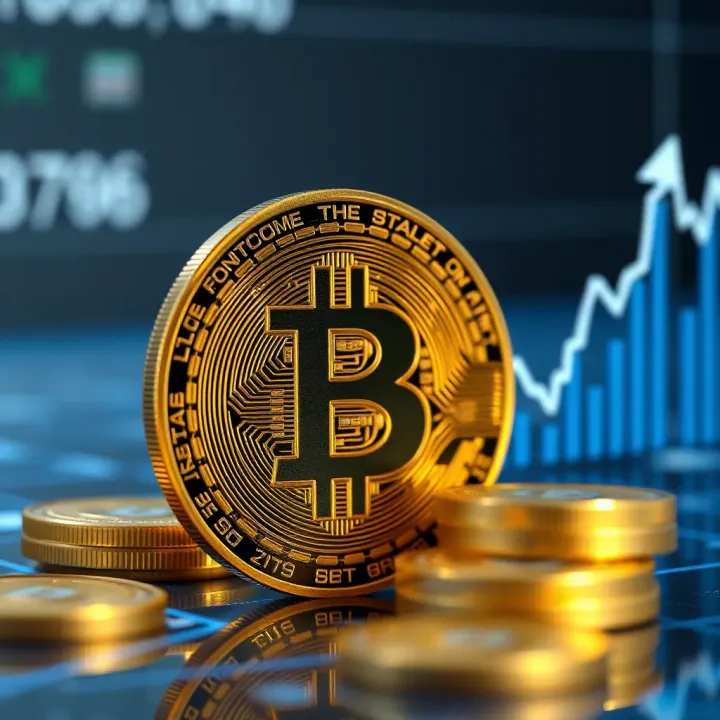
🔍 Explore Bitcoin's 2025 price trends, market moves, tech upgrades, and regulation impacts to make informed decisions in Pakistan's crypto space.
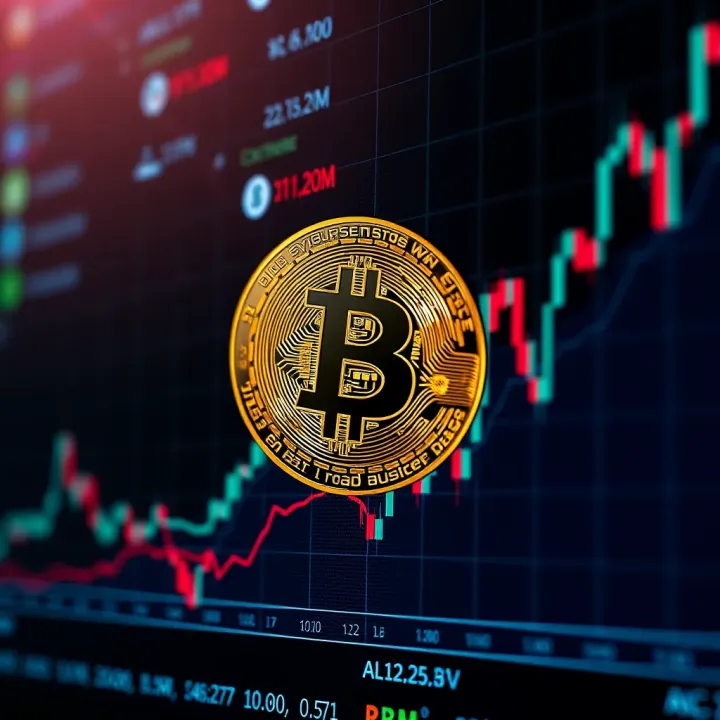
Explore the current Bitcoin outlook 📉📈, key market trends, risks, and expert predictions to guide investors in Pakistan through the crypto landscape in 2024.
Based on 11 reviews