
Oxygen Concentrators Explained: What You Need to Know
Learn how oxygen concentrators work 🇵🇰, their types, maintenance tips 🔧, and safety measures 🛡️ for home or clinical use in Pakistan.
Edited By
James Harrington
Derivatives are financial contracts whose value depends on an underlying asset, like stocks, commodities, or currencies. Instead of owning the asset itself, investors use derivatives to speculate or hedge risks. In Pakistan, they are gaining attention as sophisticated tools for risk management within the financial markets.
These instruments come in various forms, including futures, options, forwards, and swaps. Each has distinct features: futures are standardised contracts traded on exchanges like the Pakistan Mercantile Exchange, while forwards are customised agreements between parties. Options give the buyer the right — but not the obligation — to buy or sell an asset at a set price before expiry.
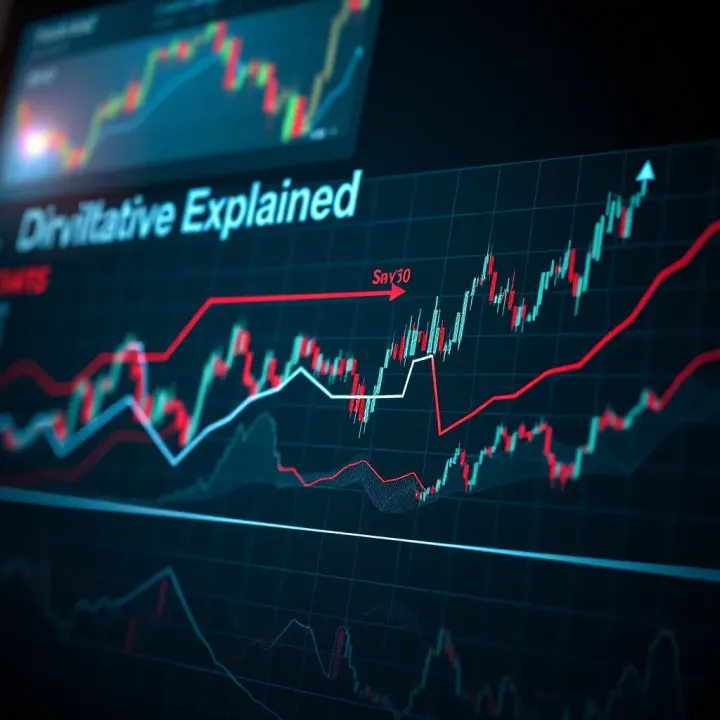
Investors often use derivatives to protect themselves against price fluctuations common in Pakistan’s volatile markets, especially for commodities like wheat, sugar, and foreign exchange.
Understanding derivatives starts with recognising their dual nature: they can amplify profits and, equally, risks. For instance, a trader expecting a rupee depreciation can buy a currency forward contract to lock in the current exchange rate. Should the rupee weaken, the trader avoids losses from adverse currency movements.
In the Pakistani context, regulatory authorities such as the Securities and Exchange Commission of Pakistan (SECP) oversee derivatives trading to prevent misuse and ensure market transparency. Still, market participants must stay informed of rules, as improper use can lead to financial distress.
This guide aims to clarify derivatives' functioning by explaining their types, practical uses, and valuation methods relevant to Pakistan’s markets. Whether you're a trader wanting to hedge positions, an investor looking for diversification, or a financial analyst assessing risk, this knowledge is essential.
Key points covered will include:
Types of derivatives common in Pakistani markets
How derivatives help manage market risks
Methods used to value these financial instruments
The regulatory environment impacting derivatives trading in Pakistan
With this foundation, readers can appreciate how derivatives fit into broader financial strategies while navigating local market realities.
Derivatives form an essential part of modern financial markets, offering tools to manage risks and speculate on price movements. Understanding their basics is key for traders, investors, and analysts to make informed decisions. They provide mechanisms to transfer and redistribute financial risk without directly owning the underlying asset.
Derivatives are financial contracts whose value depends on the price or characteristics of an underlying asset such as stocks, commodities, currencies, or interest rates. Key features include leverage—allowing control over large asset values with relatively small capital—and their capacity to hedge risks or speculate. For example, a wheat farmer in Punjab might use derivatives to lock in prices before harvest, protecting against price drops.
Futures are standardised contracts traded on exchanges, obligating parties to buy or sell an asset at a set price on a specific future date. Forward contracts resemble futures but are private agreements, customized between parties, often used over-the-counter. In Pakistan, commodity traders might use futures contracts on cotton or sugar futures to stabilise prices and reduce uncertainty. For instance, a textile mill could enter a futures contract to buy cotton at today’s prices for delivery in three months, mitigating risks from sudden price hikes.
Options provide the right, but not the obligation, to buy or sell an asset at a specified price before a certain date. This flexibility appeals to investors wanting risk management without full commitment. For example, an investor expecting the rupee to depreciate might buy currency options to limit losses on foreign investments. Options also help in limiting downside risk while maintaining potential for profit, useful in volatile markets like Pakistan’s stock exchange.
Swaps are agreements to exchange cash flows based on different financial instruments or indices. Commonly, interest rate swaps allow companies to swap fixed-rate debt for floating-rate debt and vice versa. A Pakistani company with a loan linked to SBP’s policy rate might use an interest rate swap to stabilise its debt repayments. Similarly, currency swaps help firms manage exposure to exchange rate fluctuations during international trade.
Derivatives influence market liquidity, price discovery, and risk distribution. They attract diverse participants—from speculators to hedgers—adding depth to markets. However, excessive speculation or complexity, especially without strong regulatory oversight, can increase market volatility. In Pakistan's evolving financial sector, derivatives contribute to more efficient pricing but require careful monitoring to prevent systemic risks.
Understanding these basics equips market participants to use derivatives responsibly, balancing benefits with potential risks in Pakistan's financial landscape.
Derivatives play a vital role in managing financial risks and seizing investment opportunities. Their applications go beyond speculation, offering practical tools to protect against market uncertainties and enhance returns. Traders, investors, and financial analysts in Pakistan use derivatives to balance risks and rewards in volatile markets.
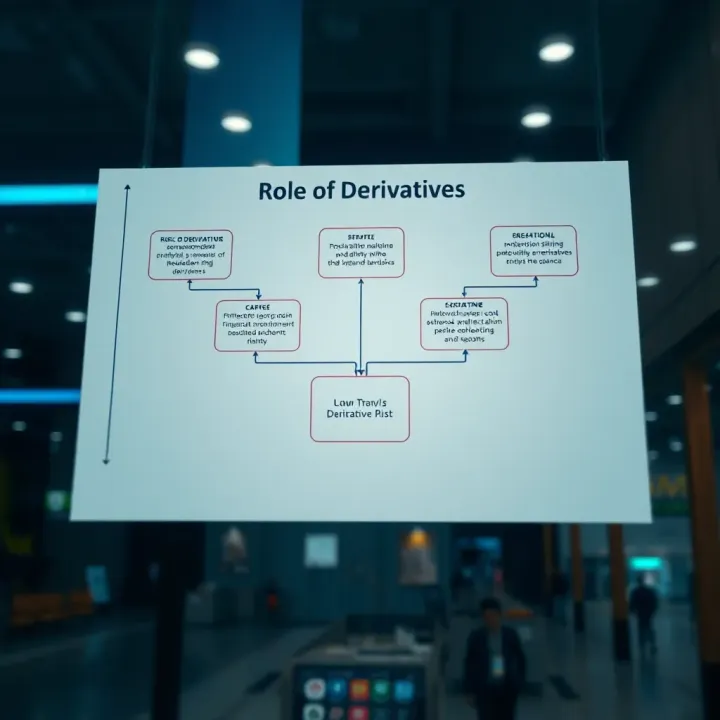
Price fluctuations in commodities, stocks, or interest rates can disrupt business planning and investment strategies. Derivatives such as futures and options allow companies and investors to lock in prices or secure a price range. For example, a wheat miller in Punjab may use futures contracts to fix the purchase price of wheat, avoiding sudden hikes during monsoon shortages. This hedging shields the business from unexpected cost increases, helping maintain stable profit margins.
In Pakistani equity markets, investors can apply options to hedge against sharp downward moves in shares they hold. By paying a premium for a put option, they secure the right to sell shares at a specified price, limiting potential losses if the market turns bearish.
Pakistani importers and exporters face constant risks from currency fluctuations between the Pakistani Rupee and foreign currencies like the US dollar or Euro. Currency derivatives such as forwards and swaps enable these businesses to fix exchange rates for future transactions. For instance, a textile exporter in Faisalabad expecting payment in dollars six months from now can enter a forward contract to sell those dollars at today's rate, protecting profits from PKR depreciation.
Such hedging is particularly relevant in Pakistan’s context due to frequent rupee volatility impacted by external debt repayments, remittances, and commodity prices. Companies that ignore currency risk may find their earnings eroded by exchange rate swings.
Speculators use derivatives to profit from predicted market movements without owning the underlying asset. By taking leveraged positions in options, futures, or swaps, traders can amplify gains (and losses) on small price shifts. For example, a trader anticipating a rise in the price of oil futures can buy contracts at a lower price and sell when prices climb. While this involves higher risk, it adds liquidity and depth to markets, benefiting all participants.
Derivatives allow portfolio managers to optimise returns and manage risk exposure efficiently. They can quickly adjust asset allocations or increase investment leverage without selling underlying securities. Using index futures, a fund manager can gain market exposure worth Rs 10 crore by investing a fraction of this amount as margin, freeing capital to diversify elsewhere.
Besides leverage, derivatives help implement strategies like covered calls or protective puts that generate additional income or reduce downside risk. This tactical flexibility supports better portfolio outcomes in Pakistan’s often volatile market conditions.
Derivatives are powerful tools—they help manage risks, speculate for profits, and boost portfolio performance, but require careful understanding and strategy to avoid significant losses.
Understanding how derivatives are valued is key to making informed decisions whether you are hedging risks or speculating in financial markets. Accurate valuation helps investors and traders assess the true worth of these contracts and avoid costly mistakes. In Pakistani markets, where derivatives are becoming more accessible, grasping the fundamental pricing concepts allows market participants to better manage their portfolios and comply with regulatory standards.
The value of a derivative is closely linked to the price of its underlying asset, such as a stock, commodity, or currency. For example, if you hold a futures contract on Pakistani Rupee (PKR) against the US dollar, the derivative’s value will fluctuate as the foreign exchange rate changes. This relationship is practical because the derivative’s payoff depends directly on the underlying asset’s performance, making it essential to monitor these values regularly.
In trading, a slight move in the underlying asset can cause significant shifts in the derivative’s price, especially when leveraging is involved. Traders often use real-time market data to keep track of these underlying prices to make quick decisions.
Time until the derivative contract expires plays a crucial role in its valuation. Generally, the more time left, the higher the derivative’s value, since there’s more opportunity for the underlying asset’s price to move favourably. For example, an option contract on KSE-100 index stocks with six months to expiry will cost more than the same option expiring in one month.
As expiry approaches, the time value component of a derivative decreases, a phenomenon known as time decay. This effect becomes sharper near maturity, so traders must factor in remaining time to avoid unexpected losses.
Volatility reflects the expected price fluctuations of the underlying asset. Higher volatility usually increases the derivative’s price because it raises the chances of significant gains. Imagine a soybean futures contract—if the market expects heavy rains disrupting supply, volatility spikes, driving up the derivative’s premium.
In practice, volatility is estimated using historical data or implied from market prices of similar derivatives. Understanding volatility helps traders anticipate risk and set appropriate prices.
The Black-Scholes model is widely used for pricing European-style options. It quantifies option value based on factors like underlying asset price, strike price, time to expiry, risk-free interest rate, and volatility. For instance, a trader in Karachi might use Black-Scholes to calculate the fair price of a call option on Pakistan State Oil shares.
Though the model assumes constant volatility and interest rates, it remains practical due to its analytical formula and ease of use. Many trading platforms incorporate Black-Scholes to provide quick pricing insights.
The binomial model evaluates derivative prices by simulating possible price paths of the underlying asset over discrete steps until maturity. It builds a price “tree” where each node represents a potential price outcome.
This approach suits American options that can be exercised anytime before expiry, offering flexibility absent in Black-Scholes. A brokerage firm in Lahore might use the binomial model to assess early exercise benefits for options on Pakistan Petroleum shares.
Discounted cash flow (DCF) methods value derivatives by estimating expected future payoffs and discounting them to present value using an appropriate discount rate. This technique is common for interest rate swaps or credit derivatives widely traded in Pakistan’s banking sector.
For example, an investment bank calculating the value of a swap agreement linked to KIBOR rates would forecast future cash flows and discount them to today’s terms to determine fair pricing.
Valuing derivatives precisely impacts both risk management and speculative profitability. Familiarity with these fundamental concepts and practical pricing methods equips Pakistani traders and investors to navigate derivatives markets more confidently.
Regulations play a key role in ensuring that derivatives markets in Pakistan operate fairly and transparently. They build investor confidence and help prevent systemic risks that could arise from unchecked speculative activities. For traders, investors, and financial analysts alike, understanding the regulatory environment is essential to navigate contracts legally and mitigate compliance risks.
The Securities and Exchange Commission of Pakistan (SECP) is the main regulator for capital markets, including derivatives trading within Pakistan's stock exchanges. SECP formulates and enforces rules that govern futures and options contracts, ensuring market participants adhere to fair trading practices. For example, SECP oversees the introduction of new derivative products and monitors their trading to prevent market manipulation and insider trading.
Practically, SECP's regulations require brokers and clearing houses to maintain transparency and adequate risk management. This oversight helps reduce counterparty risk by enforcing strict margin requirements and timely reporting. Traders and investors must also register with SECP-approved brokers, who follow these rules, protecting Karachi Stock Exchange (KSE) derivatives participants.
While SECP supervises market-based derivatives, the State Bank of Pakistan (SBP) oversees derivatives linked to the banking and financial sectors, like currency swaps, interest rate swaps, and forward contracts. SBP sets prudential limits to control how banks and financial institutions use derivatives to hedge currency or interest rate risks.
For instance, SBP mandates banks to calculate credit and market risks associated with derivative products, requiring them to hold sufficient capital against potential losses. This prevents reckless exposure that could threaten the financial system. For market participants dealing in currency forwards or swaps with banks, complying with SBP’s frameworks ensures transactions are legal and financially sound.
Entities engaging in derivative trading must follow clear compliance procedures. These include regular submission of trading reports, disclosure of positions, and adherence to margin and collateral requirements. Brokers and financial institutions report their derivative exposures to SECP and SBP respectively, which helps regulators monitor market health and detect irregularities.
For instance, failure to maintain adequate margins can lead to penalties or suspension of trading privileges. Timely and accurate reporting also enables swift regulatory action if suspicious trades or price manipulations emerge. Understanding these requirements helps firms avoid costly compliance breaches.
Pakistan’s derivatives market faces challenges such as limited product variety, low liquidity, and lack of widespread investor awareness. The market is still developing compared to global standards, partly due to cautious regulatory frameworks designed to minimise risks.
However, recent steps like SECP’s approval to launch new derivative instruments and efforts to educate investors indicate progress. The introduction of commodity futures contracts on agricultural products is a practical move aimed at improving price discovery and supporting farmers and traders.
Still, challenges remain in infrastructural support and market depth. Enhancing electronic trading platforms, increasing participation, and streamlining clearance mechanisms are essential for the derivatives market to mature in Pakistan’s economic landscape.
Understanding the roles of SECP and SBP, alongside compliance demands, is critical for anyone involved in Pakistan’s derivatives market. These factors shape how derivatives can be traded safely and effectively within the country’s financial system.
Learn how oxygen concentrators work 🇵🇰, their types, maintenance tips 🔧, and safety measures 🛡️ for home or clinical use in Pakistan.
💡 Learn binary trading basics, key risks, and smart tips tailored for Pakistan. Understand options types and trade wisely in your financial market.
Learn how trading bots work, their pros and cons, and tips for safe setup to boost your trading in Pakistan’s financial markets 🤖📈💼
📊 Explore key concepts of trading books, how they're managed, risk factors, and the impact of Pakistani regulations on financial trading insights.
Based on 13 reviews