
Understanding Trade Charts for Pakistani Traders
📈 Learn how to read trade charts with key components, common patterns & indicators for smarter trading in Pakistan’s financial markets. Start trading wisely!
Edited By
Matthew Turner
Gold has long been a significant asset in Pakistan’s economy, both as a store of value and a trusted investment option. The gold trade impacts financial markets, consumer behaviour, and the country’s foreign exchange reserves.
In Pakistan, gold trading happens through various channels: jewellery markets, bullion dealers, and informal sources. Karachi, Lahore, and Peshawar host major gold bazaars where traders buy and sell in local and international karats. The Pakistan Mercantile Exchange (PMEX) also offers regulated platforms for gold trading, increasing transparency.
The price of gold in Pakistan depends on the global spot price, usually set in US dollars, combined with the PKR exchange rate, import duties, and local taxes. Any sharp fluctuation in the rupee or international gold prices directly affects gold rates in cities across the country. For instance, a currency depreciation today itself can push local gold prices higher overnight.
The gold trade is sensitive to both international trends and domestic economic factors, making it essential for traders and investors to monitor currency rates, government policies, and global market fundamentals closely.
Investment in gold ranges from purchasing physical gold jewellery and bars to financial products like gold certificates or ETFs offered by some Pakistani banks and brokerages. Each approach has its own risks and benefits, with physical gold providing tangible assets but also requiring secure storage.
Regulatory oversight by Pakistan’s Federal Board of Revenue (FBR) and Pakistan Customs aims to curb smuggling and ensure proper tax collection on transactions. The challenge remains in balancing stringent regulations without discouraging legal trade.
Understanding gold's role in Pakistan’s economic environment helps investors and traders make informed decisions, especially when the country faces pressure on foreign reserves and fluctuating inflation rates. This section introduces the core aspects of gold trade mechanics and its economic relevance, foundational to grasping the broader discussion ahead.
Gold holds a significant place in Pakistan’s economic and cultural fabric. Its importance goes beyond simple investment; it affects trade balance, employment, and even social customs. Understanding this role gives insights into why gold remains a preferred asset in both urban and rural Pakistan.
Gold’s traditional value in Pakistani culture reflects deep-rooted social and religious sentiments. It is customary in Pakistan to gift gold during weddings and festivals like Eid, where it symbolises prosperity and security. Families often pass down gold jewellery as heirlooms, making it part of their identity and social status. This cultural demand consistently supports the local market, influencing prices and trade flows.
Besides ceremonial use, gold acts as a store of wealth in both rural and urban areas. In villages, where banks may be far-off or mistrusted, gold provides an accessible and tangible asset that preserves value against inflation and currency devaluation. Urban households also view gold as a financial cushion during tough times, given its liquidity and ability to be easily sold or pledged. This coexistence of cultural and practical value makes gold a unique form of saving in Pakistan.
Gold imports have a notable impact on Pakistan’s trade deficit. The country relies heavily on imported gold, primarily from the UAE and Switzerland, since domestic mining is minimal. Large gold imports contribute to the growing current account deficit, especially when global gold prices rise. For example, in recent years, imports touched over Rs 300 billion, putting strain on foreign exchange reserves. Policymakers thus face the challenge of balancing demand with macroeconomic stability.
The gold jewellery industry also plays a key role in employment and economic activity. This sector employs thousands of skilled artisans, goldsmiths, and retail workers across the country. Cities like Karachi, Lahore, and Hyderabad are renowned for their jewellery markets, where small workshops fuel local economies. The informal nature of many gold businesses complicates taxation and regulation but highlights gold’s importance as a livelihood source.
Gold’s dual role as a cultural symbol and economic asset ensures its continuing relevance in Pakistan’s economy, despite challenges like imports and informal trade.
Gold facilitates wealth preservation for average Pakistanis from different socioeconomic backgrounds.
The import-reliant market affects the balance of payments and calls for effective regulatory oversight.
The jewellery sector drives employment and sustains traditional craftsmanship.
Understanding these factors is crucial for investors, traders, and policymakers alike in navigating Pakistan’s gold trade landscape.
Understanding how gold trading functions is key for investors and traders active in Pakistan's market. Gold prices and trade dynamics globally influence local decisions, while domestic practices often have unique features shaped by cultural norms and regulatory context. Knowing the mechanics behind price movements, trading methods, and the local role of specialists can help make wiser investments and better anticipate market trends.
Gold prices on global exchanges depend heavily on supply-demand balance, geopolitical events, and investor behaviour worldwide. For instance, tensions in oil-rich regions or unrest in financial centres often trigger a flight to gold as a safe haven, pushing prices up. Commodity exchanges in London and New York set daily benchmarks that ripple down to all markets, including Pakistan. This means local traders must watch international trends closely; a surge in global gold prices, say due to inflation fears in the US or Eurozone, generally lifts prices at Karachi's bullion markets within hours or days.
Another factor is central bank activity—purchases or sales by large economies affect price and liquidity. India and China are major buyers influencing demand regularly. Changes in gold supply from mines or recycling also shape international prices.
Gold is traded internationally in US dollars, so any fluctuation in the dollar's strength against other currencies directly impacts local prices. If the US dollar strengthens, gold becomes more expensive in rupees, often raising local rates in Pakistan. Conversely, a weak dollar might ease prices but also signals market uncertainties.
The Pakistani rupee's volatility adds another layer of complexity. For instance, a sudden depreciation of the rupee against the dollar can make imported gold costlier, even if international prices remain stable. Traders and investors in Pakistan watch exchange rates carefully because a 1% change in USD/PKR can shift the gold price by hundreds of rupees per tola. This interplay amplifies the risks and rewards when investing in gold within the domestic economy.
Goldsmiths and jewellers are pivotal in Pakistan's local gold ecosystem. Beyond crafting jewellery, they often act as informal gold traders—buying physical gold, advising clients on purity, and sometimes sourcing gold through unofficial channels. Their pricing depends on global rates, exchange fluctuations, and local demand-supply.
For many Pakistanis, especially in rural areas and smaller cities, these shops are trusted sources for buying or selling gold. The trust factor is crucial here since official stock exchange trading is limited. Goldsmiths also influence market liquidity by releasing and buying scrap gold, which can affect local price trends. This traditional market layer complements formal trading but also poses challenges like price opacity and purity verification.
In Pakistan, most gold transactions happen through physical purchase—gold bars, coins, or jewellery. This method suits cultural preferences, where gold is seen as both an investment and a gift during weddings and festivals.
However, more sophisticated traders or investors might engage in spot and futures trading on international platforms or through brokers. Spot trading involves immediate delivery at current prices, while futures contracts fix prices today for delivery later, helping manage risks from price volatility.
Since Pakistan lacks a fully developed domestic futures market for gold, many rely on foreign exchanges or paper-based products like gold certificates offered by some banks. These allow exposure to gold price movements without handling physical metal; however, risks such as counterparty failure or market liquidity remain.
Understanding these trading modes helps investors choose based on their risk appetite, purpose (investment vs jewellery), and convenience. While physical gold offers tangible security, paper trading offers flexibility but demands awareness of market mechanisms.
Overall, grasping how gold trading works—both globally and locally—equips Pakistani investors and traders with better tools to navigate price swings and make informed decisions in this vital sector of the economy.
Regulations and controls are central to managing Pakistan’s gold trade. They help maintain market stability, prevent illegal activities, and ensure that gold imports and exports align with national economic goals. For traders and investors, understanding these controls is vital to navigate the complexities of the market and avoid compliance risks.
Import duties and taxes play a significant role in shaping the cost and flow of gold into Pakistan. The government imposes customs duties and sales taxes on gold imports to regulate demand and protect foreign exchange reserves. For example, in recent years, customs duty rates on gold imports have varied between 1% to 10%, affecting import volume directly. Traders need to stay updated with the Federal Board of Revenue’s (FBR) notifications, as even small changes can impact profit margins and pricing strategies.
Alongside duties, import policies often include restrictions on the weight and value of gold allowed. These controls aim to curb smuggling and balance the trade deficit. For instance, in some periods, the government has limited the import of gold to refiners and licensed jewellers only, tightening market access for unregulated actors.
Legal restrictions and licensing requirements govern who can legally import, export, or even trade gold within Pakistan. Dealers must obtain licences from relevant authorities, including the Ministry of Commerce and the Pakistan Customs Department. Without proper licensing, trading gold can lead to hefty fines or seizure. These licences ensure that only verified players participate, which helps trace gold supply chains and supports tax collection efforts.
Licensed traders are also mandated to maintain detailed records of transactions and report suspicious activities. This system reduces informal trade channels and safeguards the economy from illicit gold inflow or outflow. For example, the jewellery hubs in Karachi and Lahore are closely monitored to enforce these rules, preventing unlicensed operations from disrupting market prices.
The State Bank of Pakistan’s monetary policies indirectly influence gold transactions by affecting currency stability and interest rates. When the Pakistani rupee weakens against the US dollar, gold prices generally rise domestically as imports become costlier. SBP policies, such as adjusting reserve requirements or intervention in the foreign exchange market, can thus sway gold demand and investment.
For example, during currency volatility episodes, investors often shift funds from rupee-based assets to gold to hedge against depreciation risk. SBP communication on monetary policy provides valuable signals for market participants to time their gold purchases or sales.
The Federal Board of Revenue (FBR) oversees gold trade to prevent money laundering and control informal trading channels. Gold, being a high-value commodity, is vulnerable to misuse for laundering illicit funds. FBR implements reporting requirements and audits to trace suspicious transactions.
Effective regulation by FBR includes verifying invoice authenticity, scrutinising large cash transactions, and demanding Anti-Money Laundering (AML) compliance from authorised dealers.
This oversight reduces the black market influence and promotes transparency. However, challenges remain due to smuggling and unrecorded sales, especially in border areas. Strengthening FBR’s coordination with law enforcement can improve monitoring and enforcement, benefiting ethical traders and the economy alike.
Investing in gold remains a preferred choice among Pakistani traders and investors due to its historic reliability and status as a hedge against inflation. However, understanding different forms of gold investment and the associated risks is vital for making informed decisions.
Buying gold bars, coins, and jewellery offers a tangible asset that investors can hold directly. In Pakistan, many people buy gold jewellery not just for personal adornment but as a form of savings. Gold bars and coins, often purchased from reputed jewellers or the Pakistan Mint, provide a secure way to invest, allowing the owner to physically verify the weight and purity. However, storage and security pose practical challenges, and resale values can be affected by craftsmanship and designer charges in jewellery.
In contrast, gold exchange-traded funds (ETFs) and certificates represent ownership of gold without physical possession. These are traded on stock exchanges or issued by banks, allowing investors to buy or sell gold in paper form. ETFs provide liquidity and avoid the hassles of storage, while certificates issued by banks come with assurances of purity. However, investors rely on the financial institution's credibility and market liquidity, which may occasionally fluctuate in Pakistan's less mature financial markets.
Gold prices are influenced by multiple factors both in the short and long term. International geopolitical tensions, US Federal Reserve interest rate decisions, and fluctuations in the US dollar significantly impact gold pricing. For example, when the dollar weakens against the Pakistani rupee, gold prices tend to rise locally, affecting affordability. Economic indicators such as inflation rates in Pakistan and global demand also play roles, making the market sensitive to both international and domestic developments.
One major risk particular to Pakistan is the prevalence of counterfeit and fraudulent gold. Fake gold jewellery and bars with low purity have been reported by authorities and consumer rights groups. This risk emphasizes the need for investors to purchase only from trusted sources and demand proper certificates of authenticity. In some cases, traditional testing methods used by jewellers can be misleading, so investors may prefer to use recognised assay offices or government-approved testing centres.
Investing in gold in Pakistan requires weighing the convenience and liquidity of paper gold against the security and tradition of physical gold, while carefully navigating price volatility and counterfeiting risks.
By understanding these options and risks, investors can choose the most suitable gold investment strategy aligned with their financial goals and risk appetite.
The gold trade in Pakistan faces several challenges that hinder its full potential, yet certain openings offer practical ways to improve transparency and investment. Understanding these factors helps traders, investors, and policymakers navigate the complexities of this market and unlock sustainable growth opportunities.
Gold smuggling continues to be a major issue in Pakistan, affecting official trade figures and government revenue. A significant quantity of gold enters the country illegally through border points with Afghanistan and Iran, bypassing import duties and taxes. This black market activity results in distorted price signals, difficulties in regulating quality, and challenges in monitoring money laundering risks. For example, traders in cities like Karachi and Peshawar regularly deal with uncertified gold of dubious origin, which undermines trust in the legal market and discourages legitimate investment.
Bypassing official channels not only deprives the government of customs revenue but also fuels informal credit networks tied to gold purchases. Such practices make it harder for financial analysts and regulators to assess the true scale of gold trading, complicating economic planning and policy formulation.
Pakistan's gold market largely operates through traditional jewellery shops and informal brokers without a centralised trading platform. Unlike countries with commodity exchanges where gold trading happens transparently through standardised contracts, Pakistan lacks a fully functional gold exchange or regulated spot/futures market for bullion. This absence hampers price discovery and limits access for investors seeking certified and accountable transactions.
The current structure heavily relies on trust and personal relationships, which can deter newcomers and increase risks of fraud. For instance, many small-scale investors prefer physical gold purchases from local goldsmiths, exposing themselves to counterfeit risks and price manipulation. Introducing formal trading platforms could enhance liquidity, reduce spreads, and encourage wider participation from institutional investors.
Improving transparency starts with credible certification of gold purity and weights. Currently, many jewellery pieces in the market lack proper hallmarking or third-party verification, leading to widespread counterfeit issues. Initiatives to mandate hallmarking by recognised authorities would build consumer confidence and raise quality standards.
This transparency would also support regulators like the State Bank of Pakistan and the Federal Board of Revenue (FBR) in overseeing transactions more effectively. For example, transparent records of gold imports and sales can improve taxation compliance and reduce informal trading. Internationally accepted certification also facilitates trade with global buyers, expanding market access for Pakistani jewellers and exporters.
Reforming regulatory frameworks to ease investment while safeguarding against misuse can catalyse growth in Pakistan's gold trade. Simplifying licensing processes for gold importers and traders, alongside rationalising import duties, would incentivise formal market participation.
Additionally, developing regulated gold investment products like exchange-traded funds (ETFs) or government-backed gold certificates could attract Pakistani investors hesitant about physical gold risks. Coupled with improved market oversight, such reforms can curb smuggling and money laundering by offering clean channels for gold investment.
Clearer policies and modernised infrastructure are essential for turning Pakistan’s gold market challenges into opportunities for growth and integration with global trends.
Efforts in these areas could lead to a more transparent, trustworthy, and vibrant gold trading environment, benefiting all stakeholders involved.
📈 Learn how to read trade charts with key components, common patterns & indicators for smarter trading in Pakistan’s financial markets. Start trading wisely!
📈 Learn how to trade XAUUSD confidently with key market insights, economic signals, and risk tips tailored for gold traders in Pakistan and beyond.
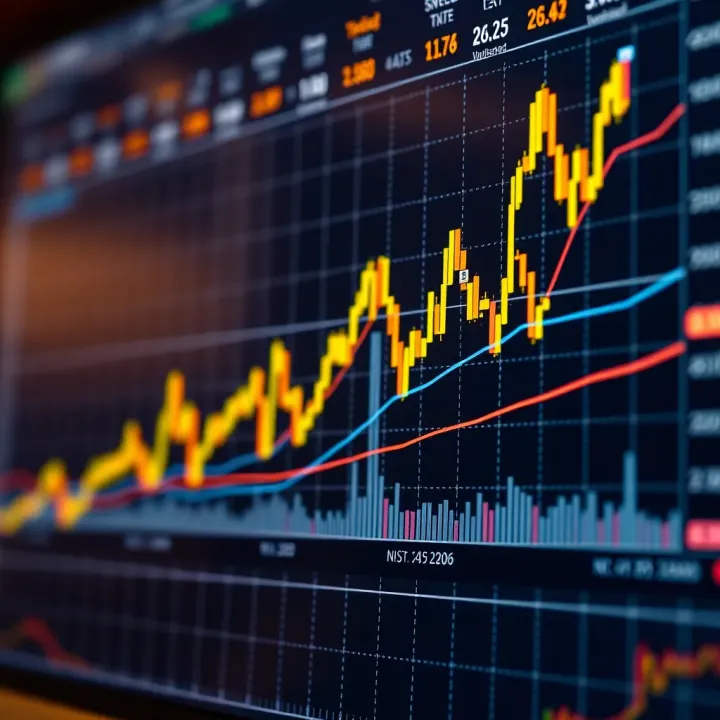
📈 Learn how to read XAUUSD gold signals for smarter trades. Understand key indicators, risks, and strategies to improve your gold trading decisions in Pakistan.
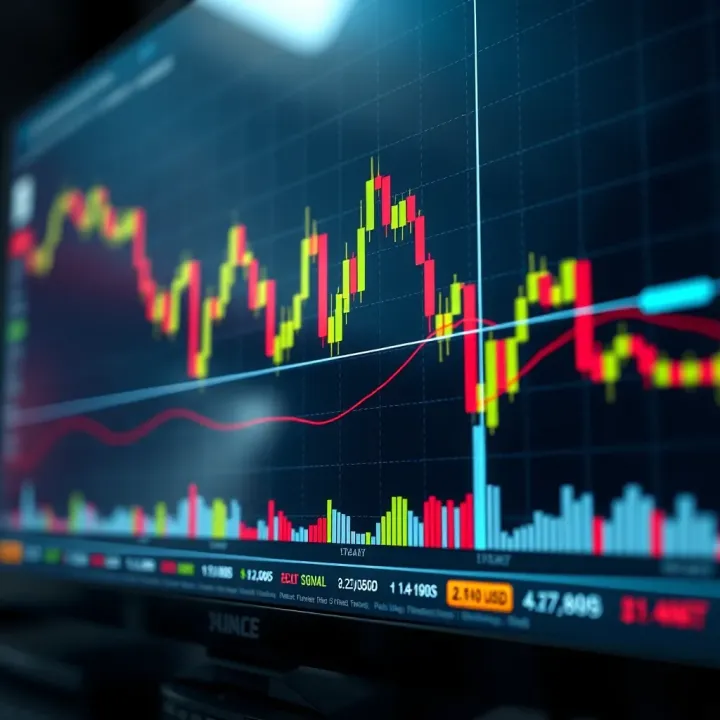
Discover how XAUUSD signals 🔍 guide gold traders in Pakistan. Learn signal types, analysis methods, and smart ways to boost your gold trading strategies! 💰
Based on 6 reviews