

TradingView Guide for Pakistani Traders
📈 Master TradingView with this practical guide tailored for Pakistani traders! Learn setup, charting, indicators, and broker integration to trade smarter.
Edited By
Benjamin Hughes
Trade accounts are the backbone for anyone serious about buying or selling goods and services, especially in a bustling market like Pakistan's. Whether you're a small-scale trader in Karachi or a big-shot investor in Lahore, understanding these accounts can save you from a world of confusion and unnecessary costs.
At its core, a trade account is a business arrangement between two parties, usually a supplier and a buyer, allowing them to conduct transactions with agreed terms. Unlike just cash sales, these accounts involve credit, payment deadlines, and sometimes special perks like discounts or bulk pricing.
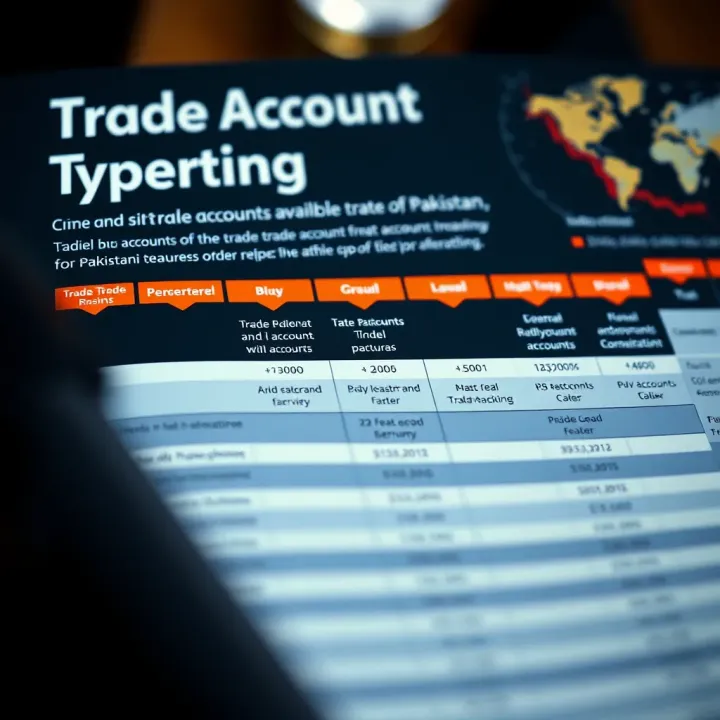
Why should Pakistani traders care? Because managing trade accounts efficiently can improve cash flows, build stronger supplier relationships, and even open doors to better deals. Skipping this understanding might leave you stuck juggling payments or missing out on advantageous terms.
In the following sections, we'll break down the different kinds of trade accounts available, explain the features and fees you should watch out for, and walk you through the steps to set up and manage your trade account right here in Pakistan’s context. Stick around if you're aiming to trade smarter, not harder.
A trade account is a specialized financial account that traders use to buy and sell stocks, commodities, or other securities. Unlike a regular bank account, it is specifically designed to facilitate trading activities. In Pakistan, understanding what a trade account is and how it functions is vital for anyone looking to participate in the stock market or commodity exchanges.
Trade accounts serve as the gateway for traders to access markets, manage portfolios, and execute transactions. Without such an account, you can’t place orders or hold securities legally. Think of it as your trading passport.
At its core, a trade account is where traders hold funds specifically earmarked for investment purposes. These aren't just ordinary funds; they're set aside to buy shares, commodities like wheat or oil, or other financial instruments.
For instance, if Ali in Karachi wants to buy shares listed on the Pakistan Stock Exchange, he needs a trade account with a brokerage firm. This account will hold his money and reflect his shareholdings. The trade account allows him to execute buy or sell orders quickly without moving money back and forth from his regular savings account every time.
The primary purpose of such an account is to streamline trading. It handles all aspects such as order placement, settlement of purchases, and receipt of dividends or profits from sales. In a nutshell, it's a dedicated hub for everything trading-related.
While both trade accounts and regular bank accounts hold money, they serve very different functions:
Purpose: Regular bank accounts store your everyday money for expenses like bills or shopping; trade accounts are for investing and trading activities only.
Access to Markets: A regular bank account doesn’t give you direct access to the stock market. You need a trade account opened through a licensed brokerage to make market transactions.
Settlement: In a trade account, the money is tied to buying or selling assets; it reflects ownership of stocks or commodities. With a bank account, it's just cash.
Regulation and Documentation: Trade accounts require detailed verification, including CNIC and proof of income, because trading involves regulatory oversight to prevent fraud or money laundering.
To put it simply, you wouldn’t use your bank account to buy shares directly. Instead, your trade account acts as that middleman.
"Opening a trade account is the first step for any serious trader in Pakistan; it's where your market journey begins and where your financial strategy takes shape."
Understanding these differences ensures that traders don’t mix personal finances with trading capital, which could lead to confusion or even legal issues. For practical use, always maintain a clear distinction between your trade and bank accounts to keep your trading organized and compliant with Pakistani regulations.
Understanding the different types of trade accounts available in Pakistan is key for anyone looking to dive into trading. Each type comes with its own perks and pitfalls, and knowing which suits your trading style can make a big difference in both your strategy and returns.
Cash trade accounts are straightforward—you buy what you can pay for in full. There’s no borrowing involved, so you’re trading with your own cash only. This means if you want to purchase 500 shares of a company listed on the Pakistan Stock Exchange, your account needs to have enough cash to cover the whole cost upfront.
This type of account is popular among beginners and conservative traders because it keeps things simple and less risky. Since you’re not using borrowed money, you won’t face margin calls or debts if the market turns sour. But the downside? Your buying power is limited to the money you have available, which might slow down growth opportunities in a bullish market.
Margin trade accounts allow traders to buy securities by borrowing part of the purchase cost from the broker. This means if you want to buy shares worth 100,000 PKR, you might pay 50,000 PKR from your cash and borrow the rest on margin. It's like putting down a deposit and borrowing the rest, hoping your investments gain value.
While this can boost your buying power and magnify profits, it also increases risks. Market dips can trigger margin calls where you must deposit more funds to cover losses. For instance, if your shares lose value rapidly, the broker might ask for additional funds, or else they may sell your holdings to cover the shortfall. In Pakistan, brokers typically have strict criteria and must comply with Securities and Exchange Commission of Pakistan (SECP) regulations, ensuring some protection for both parties.
Margin accounts suit more experienced traders who understand these risks and have strategies to handle market volatility.
Given the significance of Shariah-compliant financial products in Pakistan, Islamic trade accounts have become an essential offering. These accounts operate on principles that avoid interest (riba) and investments in prohibited industries, aligning with Islamic finance rules.
The way these accounts work is by charging fees based on services rather than interest on borrowed funds, making them a preferred choice for Muslim traders looking to stay on the right side of their faith. Brokers offering Islamic accounts, like Standard Chartered or MCB, ensure compliance by structuring transactions to avoid interest—often by using fee-based models.
For traders holding Islamic trade accounts, this means you can participate in Pakistan’s stock market or commodity trading without worrying about conventional interest-bearing loans. However, these accounts might have different eligibility criteria or slightly higher fees due to the compliance overhead.
Choosing the right type of trade account depends on your risk appetite, trading goals, and ethical considerations. Cash accounts keep it safe and simple, margin accounts boost your potential gains (at a price), and Islamic accounts align with faith-based investing.
Understanding these options helps traders in Pakistan pick an account type that fits their strategy and comfort level, enabling more confident and informed trading decisions.
Trade accounts hold a special place for traders in Pakistan, acting as the backbone for their market activities. They’re not just a formality but a necessity for smooth trading in stock exchanges and commodity markets. Without a proper trade account, it’s almost impossible to buy or sell shares or commodities efficiently.
One key reason these accounts matter is their role in simplifying the transaction process. Imagine trying to trade shares or wheat futures without a dedicated platform or account tailored to these activities; it would be a logistical headache, to say the least. Trade accounts bridge the gap, offering a dedicated system to handle these transactions quickly, which directly impacts profitability and risk management for traders.
Another major consideration is access. A trade account unlocks doors to market opportunities that regular bank accounts simply cannot offer. Pakistani traders, whether in Karachi or Lahore, gain the ability to tap into different leverage options, get timely market data, and benefit from specialized services tailored to active trading.
The most visible advantage of a trade account is how it streamlines trading operations. For example, conventional bank accounts don’t support the rapid buying and selling of shares on the Pakistan Stock Exchange or trading commodities like cotton or sugar in local markets. Trade accounts provide the essential infrastructure to place orders instantly and track trades in real-time.
Consider a trader in Islamabad looking to quickly capitalize on a sudden rise in steel prices. Without a properly managed trade account, executing that order on time might be impossible, causing missed profits or losses. A trade account ensures that traders get direct access to brokers and market platforms where these transactions happen swiftly and transparently.
Additionally, trade accounts automatically handle the settlement process, including the transfer of securities and funds between the trader and the brokerage. This cuts down on administrative delays, making the entire experience much smoother.
One crucial feature that makes trade accounts highly valuable is the access they provide to leverage. In Pakistan, margin trading through specialized trade accounts allows traders to put down a fraction of the total trade value but control larger positions. This can amplify gains, but it’s a double-edged sword requiring careful handling.
For instance, a local trader wanting to invest in the textile sector can use a margin trade account to increase buying power beyond personal capital. This leads to more substantial profits in bullish markets. However, without this facility, the trader is limited to the cash they physically have, reducing potential market impact.
Beyond leverage, trade accounts connect traders with a variety of market opportunities including initial public offerings (IPOs), government bonds, commodity futures, and derivatives—markets not accessible through regular banking channels. These accounts also facilitate timely receipt of dividends and corporate actions, vital for investment decision-making.
Overall, trade accounts are like a trader’s passport to the broader financial ecosystem in Pakistan, enabling both novices and seasoned investors to act on strategies effectively and stay competitive in fast-moving markets.
A well-maintained trade account is not just an administrative tool but a strategic asset for any Pakistani trader aiming for consistent success in stock and commodity markets.
Opening a trade account is the first real step for anyone serious about investing or trading in Pakistan. It’s where your journey in the stock or commodities market begins, so understanding the process is essential. Getting it right from the start not only smooths out your trading experience but also helps avoid unnecessary hurdles down the road.
Picking the right brokerage or financial institution is like choosing a partner to navigate the market with. Not all brokers are created equal—some might offer lower fees but limited services, while others might provide extensive research tools or better customer support but at a higher cost. For instance, brokers like AKD Securities or IGI Securities are popular choices in Pakistan because they combine solid platforms with good customer service.
When selecting, consider:
Reputation: Look for brokers registered with the Pakistan Stock Exchange (PSX) and regulated by SECP.
Service Range: Are you looking for just equity trading, or do you want access to commodity futures too?
User Interface: If you prefer digital tools, check if the brokerage offers a reliable app or online platform.
Think of this as your ID check to get into the trading arena. Pakistani regulations mandate providing specific documents to comply with anti-money laundering and KYC (Know Your Customer) rules. Typically, you will need:
A valid CNIC (Computerized National Identity Card)
Proof of address like a recent utility bill
Bank statement or income proof, sometimes required by certain brokers
Photographs (passport size)
Make sure your documents are up-to-date and legible to avoid delays. Also, keep in mind that foreign nationals might face additional requirements.
Always be honest and thorough during documentation submission; any discrepancies can slow down or even deny your account opening.
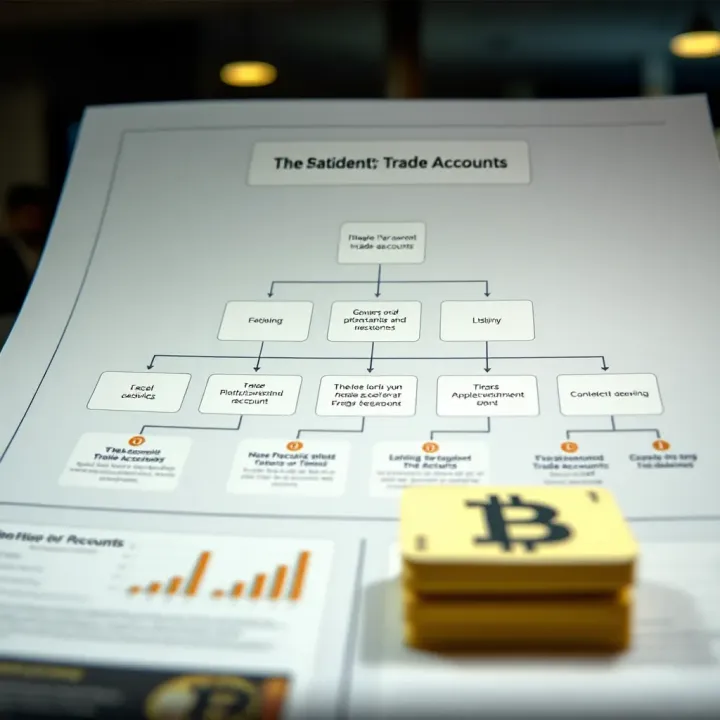
These days, many brokerage firms offer online account registration to accommodate busy traders. This method is faster and more convenient, especially if you have all your documents ready in digital format.
However, some traders, especially those new to the market or less familiar with technology, prefer the traditional in-person opening process. Visiting a branch allows you to get paperwork sorted face-to-face, ask questions directly, and sometimes even get initial trading advice.
Each method has its perks:
Quick submission and approval
Immediate access to trading platforms
Suitable for tech-savvy traders
Personalized guidance
Helps build a direct relationship with the broker
Good for first-time traders who want hands-on support
Ultimately, the choice depends on your comfort level with technology and how much direct help you expect.
Opening a trade account in Pakistan involves practical steps, from choosing the right brokerage to knowing what documents to prepare and deciding on the best way to open your account. This foundational process sets the tone for your trading experience, so take your time, do the homework, and you'll be better positioned to trade wisely and confidently.
Choosing the right trade account can make or break your trading experience. It’s not just about signing up and hoping for the best. In Pakistan’s fast-growing financial markets, traders and investors need to keep several crucial factors in mind to avoid headaches later on.
From fees that eat into your profits to the ease of navigating trading platforms, these considerations shape how effectively you can trade and grow your portfolio.
Fees and commissions are the hidden leeches on your trading profits if you’re not careful. Every trade you make has some cost attached, whether it’s a flat fee or a percentage of the trade value. For example, PSX brokers like AKD Securities often charge competitive brokerage rates compared to niche firms, but other fees such as clearing or regulatory charges might still sneak in.
Consider this: if you trade frequently, even a small per-trade fee can add up to a significant chunk over time. That’s why some traders prefer brokers with bundled pricing or zero-commission trading for certain segments. But be wary of accounts labeled “free” as they might have hidden spreads or poor execution speeds.
In short, calculate your expected trading volume and cross-check how fees apply across your preferred types of trades. This upfront diligence can save a lot of unexpected costs later.
Good customer support isn’t just about answering calls or emails promptly; it’s about having knowledgeable people who understand the local market quirks and can guide through issues unique to Pakistani traders.
For instance, Jubilee Securities provides dedicated helplines during market hours and also hosts regular webinars on trading strategies relevant to Pakistan Stock Exchange trends. Brokers with solid educational resources empower traders to make informed decisions rather than gambling blindly.
When you’re stuck on something simple, like fund withdrawals or order placements, decent support cuts down your downtime. So, pick a trade account that offers not only swift problem-solving but also ongoing learning opportunities.
A trade account is just as good as the platform it runs on. The usability of this platform can drastically change how quickly and effectively you act on market information.
Pakistani traders often turn to platforms like PSX’s KATS System or broker-specific apps like Mtrade’s mobile app, which offer real-time data, intuitive interfaces, and seamless order execution. Some platforms provide additional perks like technical analysis tools, watchlists, and automated alerts that help traders stay ahead.
However, don’t get dazzled by fancy features alone. The key is to choose a platform that matches your trading style—if you’re a day trader, speed and immediate order execution are vital; if you are a long-term investor, detailed reports and portfolio tracking might be more important.
When selecting a trade account, balancing all these considerations will save you from surprise costs, frustration, and missed opportunities. Always take time to test demo accounts where available before committing your capital.
Overall, thoughtful attention to transaction fees, customer support quality, and platform functionality sets the groundwork for a smoother trading experience in Pakistan’s markets.
Understanding the core features and services that come with trade accounts helps traders in Pakistan make smarter choices and plan their trading strategies better. These accounts aren’t just standard banking facilities; they come loaded with tools designed to keep you in the know and in control. Let’s dive into the key features that traders commonly find in these accounts.
One of the biggest perks of a trade account is access to real-time market data. This means you see share prices, commodity rates, and market trends as they happen, without any delay. Imagine trying to buy wheat futures without knowing the latest prices—you're almost flying blind. Platforms like those from JS Global or AKD Securities provide live tickers and charts that update every minute or even second.
Equally important is the ease of placing orders—think of it as having a direct pipeline to the market. Whether it’s a market order or a limit order, most Pakistani brokerage firms ensure you can execute trades quickly through their well-designed platforms. This speed can prevent you from missing out or buying at the wrong time, especially in volatile markets. For example, during earnings season or political events, price movement can be rapid, and delay means lost opportunity.
Margin lending is a double-edged sword often available with trade accounts. It allows traders to borrow money to increase their buying power, essentially letting them play with more funds than they physically have. Many Pakistani traders use this to amplify their potential gains, especially in stock markets that offer margin trading, like Pakistan Stock Exchange (PSX).
However, these facilities come with risks: if your trades turn sour, you might face margin calls demanding urgent cash infusions. Brokerage houses like IGI Securities provide margin lending facilities but also enforce rigorous checks to ensure clients understand the risks involved. Credit facilities might also include overnight financing options, useful for active traders but requiring careful cash flow management.
Keeping tabs on your investments is much easier with a good account management dashboard. Pakistani brokerage platforms increasingly feature intuitive interfaces where you can monitor your portfolio’s performance, transactions, and available credit in one spot.
These dashboards often include daily, monthly, and yearly reports that help you analyze your trading habits and returns. For example, MCB-Arif Habib Savings and Investments offers detailed statements that break down fees paid, profit/loss per trade, and even tax withholdings.
Managing your trade account isn’t just about buying and selling—it’s about understanding your financial health. Dashboards bring clarity, so you’re less likely to miss details that could cost you.
In short, trade accounts in Pakistan offer vital features such as real-time data feeds, margin facilities, and comprehensive reporting tools that keep traders well-equipped to manage their investments effectively. Choosing the right combination of these features according to your trading style can make a significant difference in your success.
Trade accounts, while essential for engaging in Pakistan's bustling stock and commodity markets, come with their own set of risks and challenges that traders need to handle carefully. Getting a grip on these pitfalls not only safeguards your investment but also helps you trade smarter and with more confidence.
Market volatility refers to the rapid and significant price movements in stocks, commodities, or financial products. In Pakistan, events like political changes, economic announcements, or international tensions often stir up volatility. This ups-and-downs nature can mean quick profits, but it can also catch traders off guard, leading to unexpected losses.
For example, during an election year, the KSE-100 index may swing widely as investor sentiment fluctuates. Traders relying on margin accounts could face amplified losses if they're not careful. Understanding market volatility means staying alert to news, using stop-loss orders effectively, and avoiding overleveraging your position.
It’s easy to forget that market swings are not just numbers on a screen—they directly affect the value of your trade account. Experienced traders often say, “Don’t swim too far from the shore,” hinting at the importance of managing exposure and not getting carried away by market frenzy.
Margin accounts allow traders to borrow money to buy more stocks or commodities than they could with their own funds. While this might boost your gains when the market is in your favor, it also raises the stakes significantly.
A common challenge faced by Pakistani traders is handling margin calls—these happen when the value of the securities in your account drops below a certain threshold, prompting the broker to ask for more funds or to liquidate some positions.
For instance, if a trader in Karachi holds shares with a margin loan and the market dips suddenly, the broker like AKD Securities or JS Global might issue a margin call requiring the trader to top up their account quickly. Failing to do so could trigger automatic sell-offs, locking in losses.
To manage this risk:
Always keep a buffer of extra funds in your trade account.
Set alerts for margin levels through your trading platform.
Avoid using the maximum available margin unless you are very confident about the trade.
Remember, margin triggers are not there to punish but to protect both you and the broker. Swift response to margin calls can prevent bigger financial headaches down the road.
Managing a trade account well isn’t just about making buys and sells; it’s about consistency, discipline, and smart habits. This section dives into practical tips to keep your trade account in good shape, reducing stress and increasing your chances of success in Pakistan's markets.
Keeping a close eye on your trade account is like watching your car’s dashboard — you want to catch problems before they become disasters. Regular monitoring means reviewing your trades, balances, and market positions frequently. This habit helps you spot unusual activity or errors early, such as unauthorized transactions or incorrect charges.
Alongside monitoring, good record keeping is crucial. Maintain detailed logs of every transaction, including dates, amounts, and reasons for trades. This sort of documentation can be a lifesaver during tax season or if a dispute ever arises with your broker. For example, if you buy shares through a platform like JazzCash or Bank Alfalah’s trading services, keep all confirmation emails and statements organized.
Note: In Pakistan, keeping accurate records also helps with compliance under SECP regulations and streamlines your filing during financial audits or tax returns.
Markets are dynamic and keeping up-to-date with the latest trends is non-negotiable for serious traders. In Pakistan, this could mean tracking developments in the Pakistan Stock Exchange, following news related to sectors like textiles or energy, or keeping an eye on global commodity prices that impact local markets.
Use tools like business news on Geo TV, or subscribe to briefings from brokers like AKD Securities or JS Global Capital to stay in the loop. Remember, what happens in international markets — like changes in oil prices or currency fluctuations — can impact your trade account here at home.
Getting into the habit of daily or weekly reading sharpens your instincts and helps avoid rash decisions. It’s like tuning your radar to pick up subtle signals others might miss.
Even seasoned traders slip up. Avoiding common pitfalls can protect your capital and preserve your peace of mind. One frequent mistake is over-leveraging through margin accounts without fully understanding the risks involved. For instance, borrowing heavily to buy shares of a volatile stock like Engro Fertilizers’s or Fauji Fertilizer Co. can lead to sizable margin calls if the price drops unexpectedly.
Another blunder is ignoring the costs — transaction fees, commissions, and taxes can eat into your profits if not accounted for. Always read the fine print of your brokerage agreement to avoid surprises.
Additionally, emotional trading is a big no-no. Decisions driven by fear or greed often backfire. Instead, develop a disciplined plan with clear entry and exit points and stick to it.
By keeping your trade account healthy through these tips, you not only protect your investments but also build a strong foundation for smart trading in Pakistan’s financial landscape.
Navigating the world of trade accounts in Pakistan means understanding the rules set by local financial authorities. Trade accounts don't operate in a vacuum—they're tightly linked to regulatory bodies that oversee market activities and protect investors. These regulations ensure transactions are transparent, fair, and legally compliant, which benefits traders by reducing risks like fraud or market manipulation.
For example, before opening a trade account with any brokerage, traders must ensure the broker is registered with the Securities and Exchange Commission of Pakistan (SECP). This regulatory oversight reassures that the brokerage follows financial laws and ethical practices. Without this interface between trade accounts and regulations, traders could find themselves vulnerable to shady practices or legal troubles.
Keeping a trade account compliant with Pakistani financial regulations helps maintain market integrity and builds trust among participants.
The SECP is Pakistan’s main regulatory body for the securities market and plays a key role in trade account management. It licenses brokerage firms, monitors their activities, and enforces rules to protect traders. The commission also works to curb insider trading, price manipulation, and other market abuses that can harm ordinary investors.
For instance, SECP requires all brokerages offering trade accounts to follow strict capital adequacy norms and transparency standards. This means a trader’s funds are secure, and transaction records are maintained accurately. Furthermore, SECP periodically updates its guidelines to keep pace with new market trends and technologies, such as accounting for electronic trading platforms.
By ensuring firms comply, SECP indirectly safeguards traders’ money and data, making trading less risky and more straightforward.
Trade accounts in Pakistan are also closely tied to the country’s tax laws. Traders need to understand what gains are taxable and how to properly report their earnings to avoid penalties. The Federal Board of Revenue (FBR) mandates that any profits made from securities trading are subject to Capital Gains Tax (CGT) according to specific rules.
For example, short-term capital gains tax rates are generally higher than long-term ones, incentivizing investors to hold on to assets longer. Traders are responsible for keeping track of every trade, including purchase and sale dates, amounts, and profits or losses. Many brokers provide end-of-year statements to assist traders in compiling accurate tax returns.
Additionally, there are reporting requirements for large transactions or accounts, which must be declared to tax authorities. Ignoring these regulations can lead to investigations or fines, underscoring why proper tax compliance is key for anyone maintaining a trade account.
To sum up, the interface between trade accounts and Pakistani financial regulations safeguards traders by ensuring practices are legal and transparent. Whether it’s through SECP’s watchful eye or the FBR’s tax policies, regulatory compliance is a must for every trader serious about growing their portfolio safely and responsibly.
Technology has radically changed how traders in Pakistan manage their trade accounts. It’s no longer about just having a phone call with your broker or visiting their office. Now, digital tools enable quicker, smarter trading decisions and smoother account upkeep. This section explores why technology matters, with a focus on mobile trading apps and the basics of automation in trading.
For Pakistani traders, mobile trading apps have become the go-to for managing trade accounts on the fly. Apps like JS Global and HBL Konnect offer easy access to the Pakistan Stock Exchange (PSX) with user-friendly interfaces and real-time market updates. They allow traders to watch their portfolios, place orders, and receive alerts right from their smartphones.
What makes these apps especially handy is their offline data caching feature — say you lose connection at a local chai shop (a common hiccup), you can still see your last synced data. Plus, apps like MCB Al Meezan Mobile Trade integrate features for Islamic trading accounts, catering to those who need Shariah-compliant options.
Another key benefit is the security layers these apps include, such as two-factor authentication and biometric login, which Pakistani users have become accustomed to with mobile banking apps.
Mobile trading apps blend convenience with essential security, empowering traders to keep up with market moves anytime, anywhere.
While many Pakistani retail traders still rely on manual order placement, automation and algorithmic trading are gaining ground, especially among more experienced investors and institutions. Automation uses computer programs to execute trades based on pre-set criteria, removing emotional bias and speeding up action.
For instance, a trader might set an algorithm to buy shares of Engro Corporation when prices drop by a certain percentage and sell when profits reach a target level. This 'if-this-then-that' logic reduces the need to constantly watch the markets.
Algorithmic trading in Pakistan is usually conducted through platforms like MetaTrader 5 or Thinkorswim, which support scripting strategies and backtesting. However, complete automation isn’t for everyone — it requires understanding coding basics or hiring a technician.
Beginners should approach with caution, starting with small trade volumes and thoroughly testing their algorithms before going live. Despite the technical barrier, the potential to improve consistency and efficiency keeps more traders exploring this space.
Algorithmic trading takes some guesswork out of decision-making, but it's vital to grasp your tools well before diving in.
In summary, technology in trade account management isn’t just about convenience anymore. It's become an essential component that can define your success or failure in Pakistan’s dynamic markets. As mobile apps and automated tools develop further, staying tech-savvy is no longer optional for traders aiming to stay ahead.
Understanding the common questions Pakistani traders ask about trade accounts is essential to clear up confusion and empower informed decision-making. Trade accounts come with their nuances, especially in a market like Pakistan where regulatory frameworks, currency controls, and local brokerage practices impact how traders operate. Addressing frequent concerns helps demystify the process, minimize mistakes, and build confidence among new and seasoned traders alike.
From how you move money to the peculiarities of eligibility, and the subtle but important differences between accounts for stocks versus commodities, these questions underscore practical matters every trader faces daily. Let’s dig into some of the key queries.
One common worry is how to handle deposits and withdrawals without unnecessary delays or risks. Pakistani traders typically use bank transfers through major banks like Habib Bank, MCB, or UBL closely linked with brokerages. Always double-check the brokerage's official account details instead of relying on unofficial channels to prevent fraud.
Using online banking tied to your trading account offers a reliable, quick method if the brokerage supports it. For instance, many traders use UBL Omni or JazzCash for smaller transactions due to ease and speed. Keep transaction records and notifications as evidence in case of discrepancies.
Avoid cash deals or third-party payments—strictly stick to the banking details linked to your name. Before withdrawing, verify that your account complies with any minimum balance requirements or holding periods brokers set. Also, note withdrawal timelines can differ between brokerages, commonly between 1-5 business days.
Always prioritize tracing and confirmation of any money movement to safeguard your funds against potential scams.
Yes, foreigners can open trade accounts in Pakistan but with some restrictions. Non-resident Pakistanis (NRPs) and foreign investors need to comply with extra documentation such as proof of residence, passport details, and often approval from the State Bank of Pakistan or SECP.
Some brokers specialize in serving foreigners, offering streamlined processes tailored for overseas clients. For example, brokers like AKD Securities and Topline Securities provide facilities accommodating NRPs.
However, traders must be aware of currency exchange regulations and might need an offshore bank account for fund repatriation. It’s smart to consult with brokers directly about their specific foreign investor policies before starting the process.
Although both types are trade accounts, the nitty-gritty varies significantly depending on whether you’re dealing in stocks or commodities. Stock trade accounts typically focus on shares listed on the Pakistan Stock Exchange (PSX), with trades settled through clearinghouses and subject to market trading hours.
Commodity accounts, however, cater to markets such as the Pakistan Mercantile Exchange for futures and options on goods like wheat, sugar, or gold. These accounts often have different margin requirements, settlement cycles, and risk profiles. For example, commodity trading might require higher initial margin due to price volatility.
Platform tools also differ: stock trading accounts may offer features aligned with dividends, rights issues, and corporate actions; commodity accounts focus more on contract rollovers and expiration dates.
Choosing the right account type depends heavily on what you intend to trade and your risk appetite.
In summary, knowing the answers to these common questions can save a lot of headaches and lay the groundwork for smoother trading operations in Pakistan. It prepares traders for the realities of financial regulations, operational procedures, and strategic choices needed to manage trade accounts effectively.
📈 Master TradingView with this practical guide tailored for Pakistani traders! Learn setup, charting, indicators, and broker integration to trade smarter.
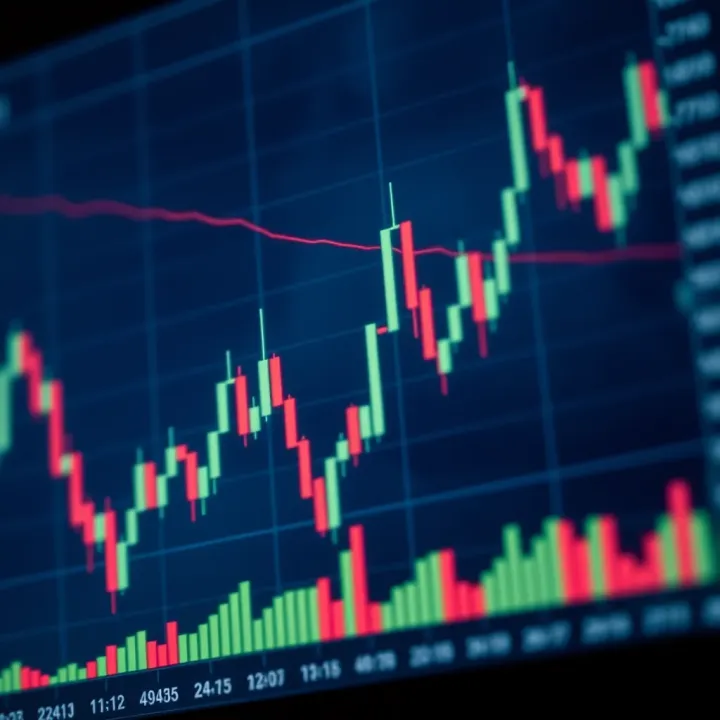
📈 Learn how to read trade charts with key components, common patterns & indicators for smarter trading in Pakistan’s financial markets. Start trading wisely!
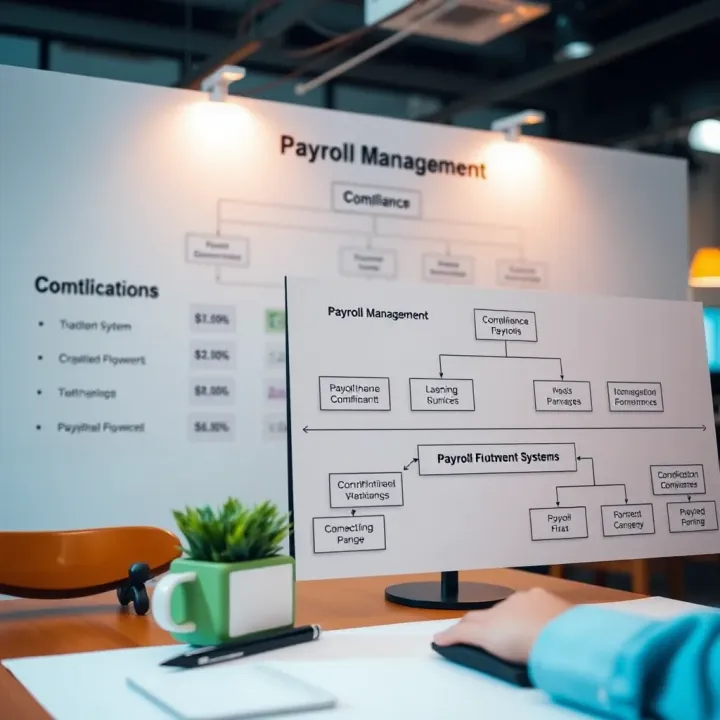
Learn how to manage payroll effectively in Pakistan 🇵🇰 with key insights on compliance, technology, and common payroll challenges for businesses.

📚 Explore a detailed guide on trading PDFs tailored for Pakistani traders. Learn to find, evaluate, and apply these resources effectively in your trading routine.
Based on 11 reviews