
Dollar Price Trends in Pakistan
📉 Explore the expected US dollar price in Pakistan, examining economic trends, SBP policies, forex reserves, and global impacts shaping daily costs and market stability.
Edited By
Charlotte Hughes
Cake prices in Pakistan's bakery sector are influenced by a mix of local and global factors that shape market behaviour. Understanding these price trends requires a look at historical data, seasonal demand, ingredient costs, and economic conditions.
Over the past five years, cake prices have seen fluctuations tied closely to the cost of raw materials like flour, sugar, and dairy products. For example, a spike in sugar prices due to poor domestic harvests or import restrictions can push cake prices up by 5–10% within a short span.
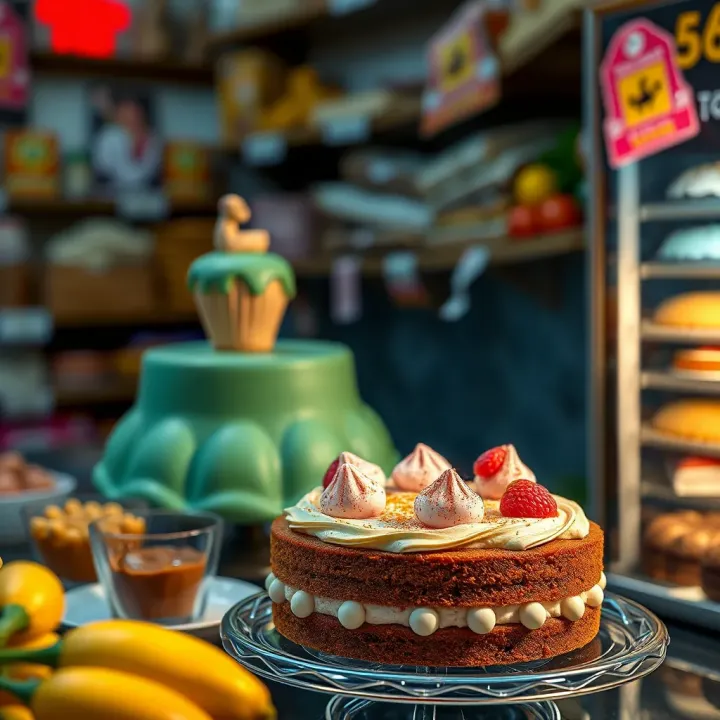
Seasonality plays a role as well. During wedding seasons in spring and autumn, demand surges, often leading to higher prices. Similarly, during festivals like Eid or Pakistan Day, bakeries tend to increase prices due to higher consumption and premium designs costing more.
Economic factors such as inflation and rupee depreciation against the dollar influence ingredient import costs, affecting cake price calculations. For instance, when the rupee weakens, imported baking essentials such as flavourings and specialised equipment become pricier, which reflects in final product costs.
Global events have local ripple effects too. The COVID-19 pandemic caused supply chain disruptions, increasing ingredient costs and delivery charges, which local bakeries had to absorb or pass on to customers. Fuel price hikes also raise transportation expenses, squeezing bakery margins or increasing prices.
Local market dynamics include competition intensity and consumer purchasing power. Urban bakeries in cities like Karachi and Lahore may adjust prices upward due to higher operational costs compared to smaller towns. However, price sensitivity among consumers means abrupt hikes risk losing clientele, pushing bakeries to balance quality and affordability carefully.
A clear grasp of these factors helps traders and investors predict price movements, allowing better timing for procurement or stock adjustments.
Key points influencing cake prices:
Ingredient costs: Flour, sugar, butter, eggs, and flavourings
Seasonal demand: Weddings, festivals, and holidays
Economic climate: Inflation rates and currency fluctuations
Global disruptions: Supply chain issues, fuel prices
Local competition: Urban vs rural pricing strategies
Understanding these elements offers valuable insights for financial analysts and brokers tracking Pakistan’s bakery sector. It also assists educators in explaining market forces affecting everyday consumer goods. With this foundation, readers can better navigate cake pricing trends, helping businesses plan inventory and customers time their purchases strategically.
Understanding the cake market and pricing factors offers critical insight for traders, investors, and analysts aiming to navigate Pakistan's bakery industry effectively. Prices reflect not just the raw costs but also consumer trends, competitive landscapes, and economic changes. Failing to grasp these details can lead to misjudging demand or mispricing products, which affects profitability.
The cake market in Pakistan is steadily growing, driven by increasing urbanisation and changing consumer habits. While exact figures vary, reports suggest the market size is expanding by about 8-10% annually, with demand concentrated in metropolitan areas like Karachi, Lahore, and Islamabad. Special occasions such as weddings and festivals see sharp spikes in purchases, making these periods vital for businesses to monitor and anticipate price changes.
Different consumer segments influence demand patterns as well. For example, higher-income groups tend to favour premium, designer cakes, while middle-income buyers prefer simple but reliable options. This segmentation affects not only the volume of sales but also pricing structures across regions and outlets.
Popular cake types include traditional favourites like chocolate and vanilla sponge, alongside local flavours like carrot or mango cake. Customised celebration cakes, often decorated elaborately for weddings or birthday parties, command higher prices. As a reference, a basic 1 kg chocolate cake may start around Rs 800 in a local bakery, while designer cakes can go upwards of Rs 3,500 depending on ingredients and craftsmanship.
Cost of Raw Materials and Ingredients: Ingredients such as flour, sugar, eggs, and butter form the backbone of cake production costs. Given Pakistan’s reliance on both domestic supplies and imports for commodities like butter and vanilla essence, price volatility in these inputs directly affects cake prices. For instance, a sudden rise in imported butter costs due to exchange rate fluctuations at the Karachi Sea Port often leads to a noticeable hike in bakery prices within weeks.
Labour and Production Expenses: Labour costs in Pakistani bakeries vary widely depending on the location and scale of production. Urban bakeries typically face higher wages and utilities expenses, including the impact of loadshedding which can increase operational costs through generator use. Efficient production techniques can lower per-unit costs, but smaller bakeries tend to have less room for such optimisation, influencing their pricing decisions.
Competition and Market Positioning: The bakery sector in Pakistan is fragmented, with both large branded chains and countless small neighbourhood bakeries. Competitive pricing is a major strategy, especially in densely populated areas. However, established brands may position themselves as premium through quality assurance or unique flavours, allowing them to command higher prices. Conversely, many local bakeries compete by keeping prices low and offering traditional favourites, serving price-sensitive customers.
Understanding these factors helps stakeholders predict price shifts and tailor strategies in sourcing, production, and marketing to improve margins and customer satisfaction.
Understanding historical trends in cake prices offers valuable insights for both traders and investors involved in Pakistan's bakery market. These trends reveal how various economic and market forces have shaped cake pricing over the years, helping stakeholders predict future movements and strategise accordingly.
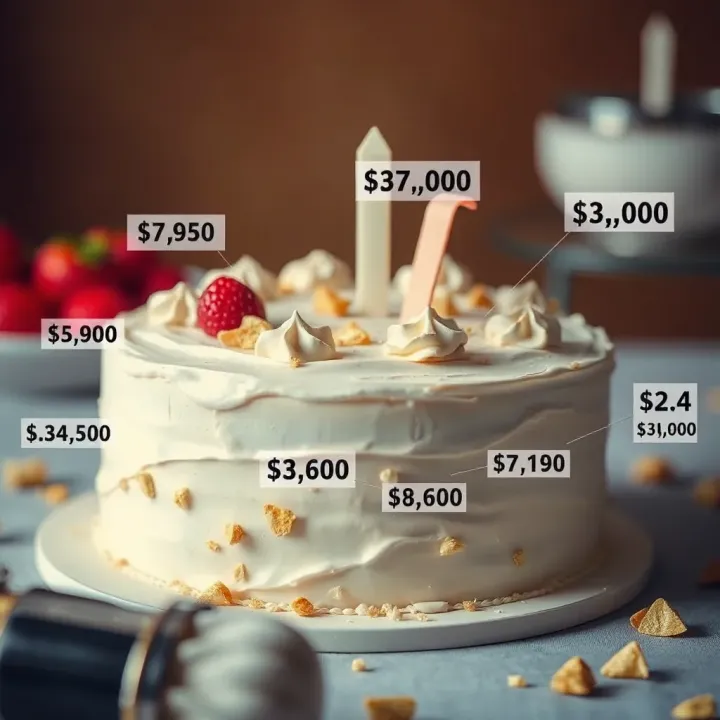
Inflation has steadily pushed up the cost of ingredients like flour, sugar, and dairy products, directly impacting cake prices. For example, during 2022-23, Pakistan's inflation rate hovered around 12-15%, which led to noticeable increases in bakery goods. When the Pakistani rupee depreciated against the US dollar, the cost of imported ingredients such as certain flavourings and food colourings also rose. This currency volatility adds unpredictability to pricing as bakeries often pass these costs to consumers.
Cake prices tend to spike around key festive seasons like Eid-ul-Fitr, Eid-ul-Adha, and weddings, reflecting higher demand. Bakers increase production but often face limits in ingredient supply, causing prices to rise. Conversely, in lean months like Ramazan’s last ten days or immediately after Eid, demand drops and bakeries offer discounts to clear stock, which temporarily lowers prices. Understanding these demand cycles allows traders and investors to plan inventory and pricing strategies better.
Supply chain interruptions have repeatedly affected cake prices in Pakistan. For instance, the 2020 COVID-19 lockdowns led to shortages of fresh milk and eggs, essential for cakes, pushing costs up by 10-15%. Similarly, heavy monsoon rains often disrupt transportation routes, delaying delivery of raw materials and causing price volatility. These events underline the vulnerability of cake pricing to both health crises and natural disruptions.
Price trends around festivals are predictable yet vital for decision-makers. During Eid 2023, cake prices surged by up to 20% due to heightened demand and quicker ingredient depletion. Traders who anticipated this trend procured raw materials early, avoiding last-minute cost premiums. Businesses that timed promotions to just before such spikes often attracted more customers. Recognising these patterns helps optimise buying schedules and pricing.
Cake pricing closely tracks commodity costs like sugar and cooking oil. For example, when sugar prices jumped by 25% in late 2022 due to supply restrictions, bakeries swiftly adjusted cake prices, sometimes by Rs 50 to Rs 70 per cake. Such responses show the direct link between commodity markets and cake prices. Businesses that monitor commodity futures or government import policies are better placed to adjust pricing promptly, maintaining profit margins or market share.
Historical price data not only clarifies past market behaviour but equips stakeholders with knowledge to anticipate fluctuations, manage risks, and make informed decisions in Pakistan’s dynamic cake market.
Inflation and currency swings play a major role in price shifts
Seasonal demand cycles impact both peak and lean pricing
Supply disruptions highlight vulnerabilities in the value chain
Festival-driven surges require proactive planning
Commodity price monitoring is key to timely price adjustments
These insights form the backbone of any serious analysis or forecasting effort in the cake market.
Economic and seasonal factors play a significant role in shaping cake prices in Pakistan. Understanding these influences can help traders, investors, and financial analysts anticipate market changes and make informed decisions. The interplay between economic pressures and seasonal demand directly affects raw material costs, production expenses, and ultimately consumer prices.
Inflation rates and purchasing power greatly influence how much consumers are willing and able to spend on cakes. When inflation rises, prices for daily goods, including sugar, flour, and dairy, tend to increase, pushing up overall production costs. For instance, during the periods of high inflation in Pakistan, bakeries often need to raise cake prices to maintain margins, which directly impacts consumer demand. Moreover, decreasing purchasing power means families may opt for smaller or simpler cakes instead of premium varieties.
Exchange rate impact on imported ingredients is another key economic consideration. Many bakeries depend on imported items like chocolate, certain flavourings, and specialised baking equipment. A depreciation of the Pakistani rupee against the US dollar or Euro makes these imports costlier. For example, when the rupee weakened to around Rs 280 per dollar, the costs for imported cocoa and baking powders surged, compelling sellers to increase cake prices. This currency volatility makes it tough for bakers to maintain stable pricing.
Festive seasons and celebratory spikes create predictable surges in cake demand. Times like Eid-ul-Fitr, Eid-ul-Adha, and New Year bring higher orders as families and businesses celebrate with sweets. Bakers often raise prices during these spikes, reflecting the increased demand and additional labour. For instance, cake prices in Lahore and Karachi generally rise by 10–15% during Ramazan and Eid weeks. Traders need to anticipate these trends to optimise stock and pricing strategies.
Seasonal availability of key ingredients also affects cake costs. Ingredients like fresh fruits, nuts, and dairy can vary in price and supply throughout the year. Mango season, for example, offers abundant fresh mango pulp at lower prices, making mango cakes more affordable and popular. Conversely, shortages during off-seasons push up prices. Similarly, poor milk supply during colder months due to reduced production leads to higher costs for dairy-based cakes.
Tracking both economic fluctuations and seasonal cycles helps stakeholders predict cake price movements more accurately, giving them a competitive edge in the Pakistani bakery market.
By monitoring inflation, exchange rates, festive calendars, and ingredient availability, businesses can adjust sourcing, production, and pricing strategies effectively, while investors and analysts gain clearer insights for market forecasts.
Forecasting cake prices helps businesses and consumers make well-informed decisions. For bakers and retailers, anticipating price changes means better budget management and strategic sourcing. Consumers, on the other hand, can plan purchases to avoid peak price periods. Accurate predictions also aid suppliers in adjusting to fluctuations in demand and raw material costs. Given Pakistan’s volatility in inflation and exchange rates, reliable price forecasting is particularly relevant.
Data analysis and market research involve gathering current information on ingredient costs, labour, and supply chain trends to estimate upcoming pricing shifts. For example, by tracking sugar and flour prices from local markets and importers, bakeries can forecast if cake production costs might rise in the near term. Market research surveys that monitor consumer buying behaviours during festivals like Eid or weddings provide additional insight into demand spikes. These data points collectively shape pricing strategies.
Use of historical patterns and economic indicators takes a longer view by reviewing past cake price trends alongside economic factors such as inflation rates, currency depreciation, and seasonal harvests of key ingredients. For instance, sharp increases in power tariffs or the rupee’s decline against the dollar have previously led to cake price rises. Overlaying this historical data with Pakistan’s economic indicators helps forecast potential price direction, enabling businesses to prepare proactively rather than reactively.
Short-term outlook focuses on immediate events like upcoming holidays (e.g., Pakistan Day or Eid), which traditionally boost demand and push prices higher. Also, recent spikes in sugar costs due to supply chain delays may add pressure in the next one to two months. Consumers might find cakes costing 5-10% more during these peak periods. Businesses should consider adjusting production volumes or sourcing cheaper substitutes temporarily to maintain margins.
Long-term projections look beyond seasonal effects to broader economic shifts. Continuing inflation pressures, fluctuating exchange rates affecting imported ingredients like vanilla or chocolate, and energy costs will likely keep cake prices on an upward trend over the next year or so. However, technological advances in baking or local ingredient cultivation improvements could moderate costs eventually. Understanding these dynamics helps investors and traders in the bakery sector anticipate market movements and plan expansion or price adjustments well ahead.
Pricing prediction is not an exact science but using a mix of real-time data and historical analysis provides a clear edge in managing cake price volatility effectively.
To summarise, combining timely market research with economic trend analysis forms the backbone of cake price forecasting. This approach enables Pakistan’s bakery market players to navigate uncertainty with confidence and agility.
Understanding cake price trends is vital for both consumers and businesses, especially in Pakistan’s dynamic market. Price fluctuations affect how buyers time their purchases and how shops adjust operations to maintain profitability. Predicting price movements helps consumers avoid overpaying, while businesses can better manage costs and sales strategies.
Cake prices often rise during festive seasons such as Eid or wedding months in Pakistan, driven by higher demand and scarce supply. Buyers who plan purchases outside these peak times usually find better deals. For instance, purchasing cakes a week before major holidays or after them can save up to 20% compared to last-minute buys. Being mindful of these cycles allows consumers to budget efficiently and avoid price surges caused by seasonal spikes.
Consumers need to balance quality with price, especially when ingredients vary in availability and cost. For example, cakes made with imported vanilla or premium fresh cream cost more but offer better taste and texture. Conversely, cheaper cakes might rely on synthetic flavourings or lower-grade ingredients. Knowing this helps buyers make informed choices—either opting for high-quality cakes for special occasions or economical options for casual needs without expecting premium standards.
Bakers and cake shops must adapt to fluctuating ingredient costs by adjusting sourcing or production volumes. During times of soaring sugar or flour prices, switching to local suppliers or bulk buying can cut costs. Some businesses may also vary cake sizes or offer seasonal flavours based on ingredient availability—for instance, using mango pulp during the summer to limit reliance on expensive imported fruits. Such flexibility helps maintain stable pricing while managing profit margins.
Effective pricing requires balancing customer expectations and input costs. Some bakeries adopt tiered pricing, offering budget-friendly cakes alongside premium lines to attract different segments. Others use dynamic pricing during festivals, raising prices slightly while bundling deals to keep value intact. It’s important to communicate transparently with customers about price changes to maintain trust. Strategically, businesses also monitor competitor pricing and adjust promotions to stay competitive in the crowded Pakistani retail landscape.
For both consumers and businesses, understanding the nuances in cake pricing offers a practical advantage—saving money, optimising sales, and planning for demand trends without surprises.
📉 Explore the expected US dollar price in Pakistan, examining economic trends, SBP policies, forex reserves, and global impacts shaping daily costs and market stability.
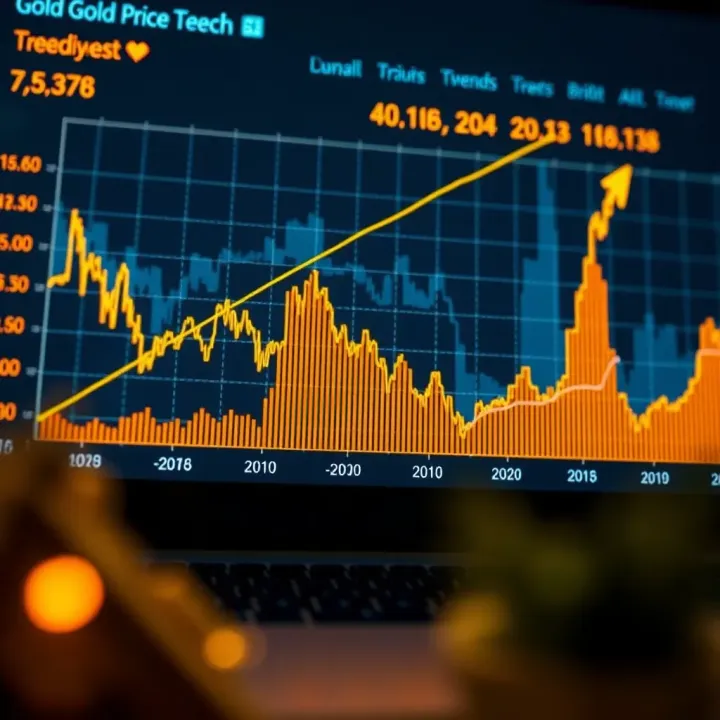
Wondering if gold prices will rise soon? 📈 This article breaks down local & global factors affecting Pakistan's gold rates for smart investing decisions.

📈 Explore gold price trends influenced by global factors, Pakistani economy, and rupee value fluctuations to make informed investment choices.

📈 Discover how global trends, PKR fluctuations, and local demand shape gold price movements in Pakistan. Get insights and tips for smart investing and purchasing.
Based on 10 reviews