

GBP to PKR Forecast: Exchange Rate Trends & Outlook
💷 Get the latest GBP to PKR forecast for 2024 with in-depth analysis of economic trends, policies, and geopolitical factors affecting your currency exchange choices in Pakistan.
Edited By
Charlotte Reed
The Saudi Riyal (SAR) to Pakistani Rupee (PKR) exchange rate has long been a vital indicator for traders, investors, and financial analysts in Pakistan. Given the steady flow of remittances from Saudi Arabia and strong trade ties, even minor fluctuations in this rate can ripple across Pakistan’s economy. Keeping a close eye on SAR to PKR trends helps businesses and individuals better plan their finances and investment strategies.
Historically, the Saudi Riyal has been pegged to the US Dollar, which brings a relative stability to SAR fluctuations compared to more volatile currencies. Still, the PKR’s known volatility against the dollar influences the SAR to PKR rate significantly. For example, during periods of rupee depreciation, remittance receivers in Pakistan find their foreign income stretched further, affecting household budgets and spending capacity.
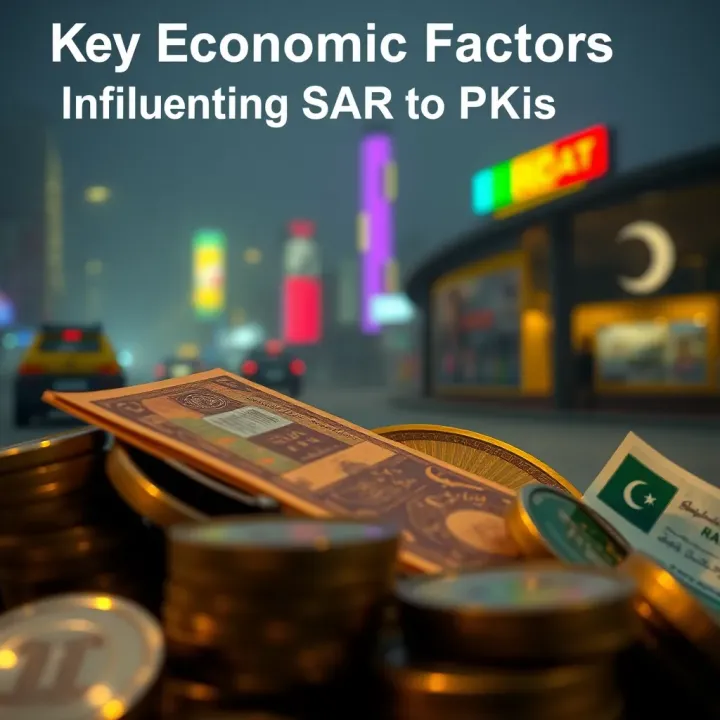
Economic indicators from both countries shape this exchange rate:
Petrodollar impact: Saudi Arabia’s oil export revenues largely influence its currency strength. A drop in oil prices typically weakens the Riyal’s backing.
Inflation rates: Pakistan’s persistent inflationary pressures tend to weaken the PKR over time, affecting conversion values.
Monetary policy: Decisions by the State Bank of Pakistan (SBP) and Saudi Arabian Monetary Authority steer currency dynamics through interest rates and liquidity control.
Trade balance: Pakistan’s import dependency on Saudi oil plus export volumes to the Gulf region create demand and supply swings.
For traders and financial professionals, understanding these factors is critical to predicting movements in the SAR to PKR rate and managing risk effectively.
In Pakistan, the SAR is a popular currency for businessmen, expatriates, and agencies dealing in foreign exchange. As such, clear comprehension of current trends and the underlying economic factors can help in budgeting for import costs, estimating remittance value, and timing currency exchanges for better returns.
This article will further analyse historical SAR-PKR exchange rate trends, identify key economic drivers, and offer practical insights to support decision-making amid Pakistan’s evolving financial landscape.
Understanding the Riyal to Pakistani Rupee (PKR) exchange rate is essential for traders, investors, and businesses heavily engaged with Saudi Arabia. Currency fluctuations directly influence import costs, remittance values, and investment decisions. Keeping a close eye on the exchange rate helps stakeholders anticipate changes and plan accordingly, whether assessing the cost of machinery imports or calculating the effective amount for remittances by Pakistanis working in Saudi Arabia.
The past year has seen intermittent fluctuations in the SAR/PKR exchange rate, reflecting broader economic shifts in both Saudi Arabia and Pakistan. For example, oil market volatility has impacted the Saudi economy, which in turn has influenced the Riyal's stability. Meanwhile, Pakistan’s monetary policy adjustments and inflation trends have affected the Rupee’s strength. These movements, though moderate, can impact day-to-day business transactions and remittance calculations, making it vital for market participants to monitor updates regularly.
Comparing the Riyal against other regional currencies such as the UAE Dirham and the Qatari Riyal puts its relative stability into perspective. While the Saudi Riyal has generally maintained a steady peg to the US dollar, the PKR has shown greater volatility against these currencies due to Pakistan’s domestic challenges. This comparison guides traders and investors in deciding which currency pairs offer better hedging opportunities or trading advantages.
Looking back over the last decade, the Riyal to PKR exchange rate reveals a trend shaped by both regional and global factors. The Riyal’s peg to the US dollar has kept it relatively stable, while the PKR has faced periods of depreciation during political uncertainty and balance of payments crises. For instance, significant drops in the Rupee during 2018-2019 corresponded with economic challenges in Pakistan, affecting the exchange rate accordingly.
Major economic events have left marked impressions on the SAR/PKR rate. Saudi Arabia’s Vision 2030 reforms and fluctuating oil revenues influence the Riyal’s performance, while Pakistan’s IMF programmes and trade deficits impact the Rupee. During times when global oil prices slumped sharply, the Riyal experienced pressure but remained steady due to Saudi’s reserves. Pakistan’s exchange rate, on the other hand, witnessed sharper adjustments reflecting its vulnerabilities.
Keeping track of both short-term swings and long-term trends equips financial professionals and businesses in Pakistan to manage currency risk efficiently and make more informed decisions in this dynamic exchange environment.
Understanding the factors influencing the Riyal to Pakistani Rupee (PKR) exchange rate is essential for traders, investors, and analysts who deal with currency markets. Movements in this rate reflect shifts in economic fundamentals, political stability, and market psychology between Saudi Arabia and Pakistan. These factors collectively affect trade costs, remittance values, and investment decisions.
Oil prices and Saudi economy play a significant role in shaping the Saudi Riyal’s strength. Saudi Arabia’s economy heavily depends on oil exports, so fluctuations in global oil prices translate directly to its fiscal health. For example, a sharp drop in crude prices tends to reduce Saudi government revenues, putting pressure on the Riyal indirectly, although Saudi Riyal is officially pegged to the US dollar. Consequently, any prolonged dip in oil markets can create uncertainty around Riyal liquidity and its exchange rate stability against the PKR. This, in turn, affects Pakistani businesses importing oil or related products, as well as remitters working in Saudi Arabia.
On the other hand, Pakistan's inflation and monetary policy profoundly influence the PKR value. High inflation in Pakistan reduces the Rupee’s purchasing power, leading to depreciation pressure against foreign currencies including the Riyal. The State Bank of Pakistan (SBP) responds by adjusting interest rates to control inflation and stabilise the currency. For instance, aggressive rate hikes tend to support the Rupee by attracting foreign portfolio investment and curbing imports. However, such measures also raise borrowing costs, complicating economic growth. Traders must watch inflation figures and SBP announcements closely, as these indicators signal expected shifts in the Riyal to PKR rate.
Regional stability and relations between Pakistan and Saudi Arabia strongly impact currency exchange dynamics. Positive diplomatic ties encourage investment flows, strengthen trade partnerships, and boost remittance volumes, all of which support a more stable Riyal to PKR rate. Conversely, geopolitical tensions in the Middle East or border issues can provoke market nervousness, triggering currency volatility. For instance, any escalation affecting Saudi Arabia's oil production can ripple through global markets, indirectly influencing the Riyal’s demand and its exchange rate.
Recent government policies affecting currency in Pakistan also matter greatly. Policies aimed at stabilising the economy — such as currency intervention by SBP, foreign aid agreements, or trade deals with Saudi Arabia — impact confidence in the PKR. The government’s measures to control current account deficits or boost exports can either ease depreciation pressure or exacerbate currency weakness. For example, if Pakistan secures a favourable oil supply agreement at discounted rates, it reduces import costs and lessens pressure on the Rupee, affecting the Riyal-PKR exchange rate positively.

Investor confidence and market dynamics drive daily currency fluctuations beyond fundamental factors. If traders expect Pakistan’s economic reforms to succeed or Saudi oil prices to recover, they may bet on the Rupee strengthening against the Riyal. Conversely, fears of political instability or rising inflation can prompt selling of PKR, pushing its value down. This speculation often causes short-term volatility, which can affect pricing of imports, remittances, and financial planning for businesses operating across borders.
Role of foreign exchange reserves is another key factor in currency stability. Pakistan’s reserves act as a buffer to manage exchange rate pressures by enabling the SBP to intervene in the currency market. Healthy reserves reassure investors about Pakistan's ability to meet external obligations, supporting PKR value. When reserves dwindle, concerns rise about the PKR's sustainability, encouraging depreciation against the Riyal. For example, during periods when Pakistan’s forex reserves dropped below $10 billion, PKR showed notable weakness against major currencies including the Riyal.
An informed understanding of these economic, political, and market-driven factors helps stakeholders anticipate changes in the Riyal to PKR exchange rate, enabling better decisions related to trade, investment, and currency risk management.
The Riyal to Pakistani Rupee (PKR) exchange rate plays a significant role in shaping various facets of Pakistan’s economy. This impact surfaces most clearly in trade flows, remittance inflows from the Pakistani diaspora in Saudi Arabia, and local consumer prices. Understanding these connections is essential for traders, investors, and financial analysts monitoring currency fluctuations and their wider economic consequences.
The Saudi Riyal’s value against the PKR directly affects the cost of imports from Saudi Arabia—a major trade partner. When the Riyal strengthens against the Rupee, Pakistani importers find it more expensive to purchase goods such as petroleum products, machinery, and food items. For example, if the exchange rate moves from Rs 45 to Rs 48 per Riyal, an importer paying SAR 1 million suddenly needs an additional Rs 3 million, impacting profit margins or forcing increased consumer prices.
Conversely, a weaker Riyal reduces import costs and can help Pakistani businesses save on foreign currency payments. This volatility requires importers to closely monitor exchange rates and possibly hedge through forward contracts to limit exposure to sudden swings.
Changes in the Riyal to PKR exchange rate also influence the trade balance between Pakistan and Saudi Arabia. A high Riyal rate can worsen Pakistan’s trade deficit if import costs rise sharply and exports remain unchanged. Since Pakistan imports a large share of its oil and other goods from Saudi Arabia, a depreciated PKR means higher import bills, contributing to a bigger trade gap.
On the other hand, a stable or stronger PKR relative to the Riyal provides breathing room by making imports cheaper, which can positively affect the trade balance if export performance improves simultaneously. However, maintaining competitive exports requires more than exchange rate advantages, extending into product quality and market demand.
Saudi Arabia hosts a significant portion of Pakistan’s overseas workforce. Remittance inflows from there form a reliable source of foreign currency and support household incomes back home. These inflows tend to rise during holiday seasons like Eid or special occasions when workers send extra money.
However, economic slowdowns or employment policy changes in Saudi Arabia may affect remittance volumes. For instance, Saudi’s nationalisation policies sometimes affect Pakistani expatriate job security, which can cause fluctuations in remittances.
The Riyal to PKR rate directly determines how much value Pakistani families receive from remittances. A stronger Riyal means more Rupees returned for each Riyal sent, boosting purchasing power. For example, if the rate shifts from Rs 45 to Rs 47 per Riyal, every SAR 1000 remitted yields Rs 2,000 more.
When the Riyal weakens, the effective remittance value drops, reducing the funds available for everyday expenses, education, or investment. Thus, families reliant on remittances watch these exchange rates closely and may time money transfers accordingly.
Import tariffs aside, currency fluctuations influence the shelf price of Saudi products in Pakistani markets. Higher Riyal rates raise import costs, which retailers typically pass on to consumers. This effect is noticeable in sectors like automotive parts, electronics, and certain food items imported from Saudi Arabia.
As a result, consumers may face price increases during periods when the Riyal strengthens sharply against the Rupee, contributing to overall inflationary pressure.
For Pakistani companies dealing regularly with Saudi suppliers or customers, currency volatility presents a risk to cash flow and profitability. Businesses must incorporate exchange rate projections in financial planning and consider currency risk management strategies such as forward contracts or multi-currency accounts.
Ignoring these factors can lead to unexpected losses during sudden currency movements. On the flip side, careful planning allows firms to stabilise costs and remain competitive despite exchange rate fluctuations.
Managing the Riyal to PKR exchange rate impact requires a balance of strategic trade decisions, robust remittance channels, and solid business risk management to support Pakistan’s broader economic stability.
Forecasting the Saudi Riyal (SAR) to Pakistani Rupee (PKR) exchange rate helps traders, investors, and businesses to plan financial decisions with better accuracy. Predicting exchange rate trends reduces uncertainty in cross-border trade, remittances, and investment flows. For example, a Pakistani import business expecting to buy goods from Saudi Arabia can time its purchases to manage costs effectively if it has a reasonable forecast of the Riyal's value.
Currency forecasts also aid financial analysts and policy makers in anticipating market disruptions caused by political events, macroeconomic changes, or shifts in oil prices. Since Pakistan’s economy heavily depends on remittances and trade with Saudi Arabia, reliable exchange rate predictions contribute to stabilising economic planning and controlling inflation pressures.
Short-term forecasts typically cover weeks to a few months and focus on immediate market factors such as geopolitical tensions, changes in Saudi oil production, or monetary policy moves by the State Bank of Pakistan (SBP). These forecasts help businesses and financial traders manage day-to-day currency risks. For instance, if analysts expect a slight depreciation of the PKR due to upcoming SBP interest rate cuts, importers may choose to convert Riyal payments earlier.
Long-term expectations span over a year or more and take into account structural factors like Pakistan’s trade deficit, Saudi Arabia’s economic diversification plans (Vision 2030), and global oil market trends. Long-term forecasts assist investors to evaluate currency exposure in business expansions or foreign portfolio investments. Predicting that the Riyal will maintain stability or strengthen against the PKR over the next few years encourages Pakistani investors to hold SAR assets or plan remittance conversions accordingly.
Economic indicator-based models use quantitative data such as inflation rates, interest rates, foreign exchange reserves, and trade balances to estimate the currency’s future value. These models analyse the relationship between macroeconomic variables and exchange rates, offering a grounded outlook. For example, if Pakistan’s inflation remains high relative to Saudi Arabia’s low inflation environment, these models predict weakening of the PKR against the Riyal.
Such models help policy makers and businesses assess how specific economic factors impact the SAR/PKR rate, providing a clear basis for financial planning and risk management.
Technical analysis approaches focus on historical price patterns, trading volumes, and market psychology rather than economic fundamentals. Analysts study charts and indicators such as moving averages and Relative Strength Index (RSI) to predict short-term movements. This approach suits forex traders and brokers who rely on momentum and market sentiment signals to enter or exit positions.
Technical analysis can be particularly useful in volatile times when fundamental data is less reliable, giving traders timely cues to adjust currency exposure or hedge risks.
Successful forecasting combines both economic data and technical signals to create a balanced view, helping stakeholders navigate the complexities of the Riyal-PKR exchange market effectively.
Managing Riyal to PKR transactions efficiently is vital for both businesses and individuals in Pakistan. Given the currency volatility influenced by economic and geopolitical changes, practical guidance helps avoid unexpected losses and ensures better financial planning. This section offers clear advice on mitigating risks and optimising exchange decisions.
Mitigating currency risk involves protecting your business from losses due to exchange rate swings. For importers sourcing goods from Saudi Arabia, sudden depreciation of PKR can increase costs sharply. Businesses should regularly monitor Forex trends and set budget margins accounting for possible fluctuations. For example, if a Karachi-based importer orders machinery priced in Riyals, locking in the exchange rate early can prevent cost shocks during payment.
Companies often engage currency specialists or financial advisors to forecast risks and adjust pricing strategies accordingly. Maintaining a buffer in PKR accounts to cover unexpected cost increases is also practical. This approach stabilises cash flow even when the Riyal weakens against the Rupee.
Using forward contracts and hedging are key tools businesses employ to fix today’s exchange rate for future transactions. A forward contract lets importers or exporters agree on an exchange rate now but settle the transaction later, usually in 30, 60, or 90 days. This eliminates uncertainty about currency changes.
For instance, a Lahore-based textile exporter receiving payments in Riyals can lock the current SAR-PKR rate via a forward contract from a reputable bank. This shields revenues from adverse swings. While hedging costs a small premium, it is often outweighed by the financial protection it provides, especially in a fluctuating exchange environment.
Best times to convert currency matter significantly for Pakistani workers sending remittances home from Saudi Arabia. Monitoring the SAR-PKR exchange rate trends can help remitters choose moments when PKR is relatively stronger. This timing boosts the rupee value of remitted funds, effectively increasing the money relatives receive.
Besides following market updates, workers should be aware of seasonal patterns—for instance, during Ramadan or Eid, higher remittance volume may influence rates. Planning currency conversion carefully can stretch remittance funds further when families rely heavily on these inflows.
Using reliable exchange platforms is essential for ensuring fair rates, swift transfers, and security. Trusted services like JazzCash, Easypaisa, or licensed Forex exchange providers offer competitive rates and lower transaction fees. Avoiding informal means lowers risks of fraud or delayed payments.
These platforms usually comply with Pakistan Telecommunication Authority (PTA) and State Bank of Pakistan (SBP) regulations, providing traceability and customer support. For instance, a worker in Riyadh can use Easypaisa’s international remittance feature to send money directly to a recipient's mobile wallet in Pakistan, making the process quick and convenient.
Protecting your money from currency fluctuations and ensuring smooth transfer channels can make a noticeable difference in financial planning for businesses and workers alike.
In short, having clear strategies around currency exchange, using modern financial tools, and relying on trustworthy platforms greatly reduces risks and improves financial predictability amid SAR-PKR volatility.
💷 Get the latest GBP to PKR forecast for 2024 with in-depth analysis of economic trends, policies, and geopolitical factors affecting your currency exchange choices in Pakistan.

Explore detailed insights on AUD to PKR rates 💱, including economic indicators, geopolitical impacts, and market trends to aid your currency exchange decisions.
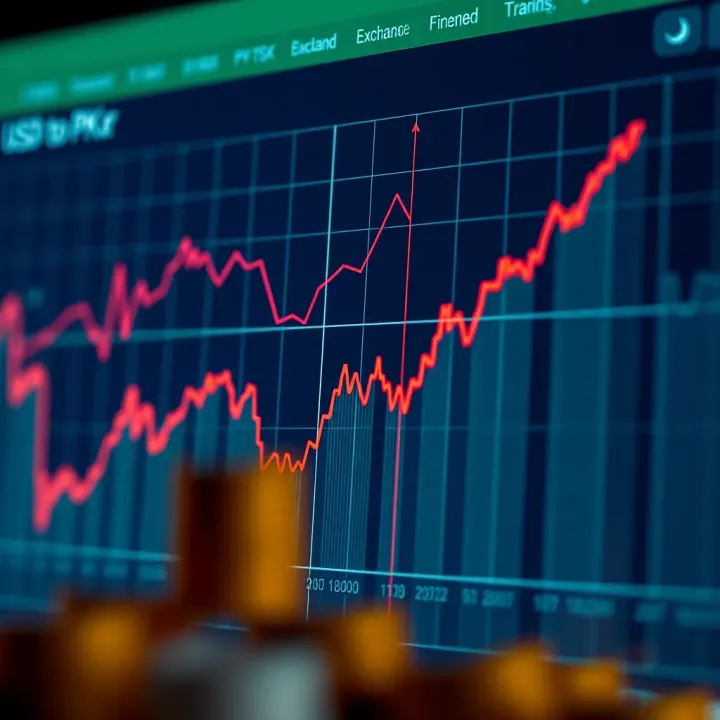
📉 Get detailed insights into USD to PKR trends, key economic and political factors, and practical tips to understand and adapt to exchange rate movements.

📉 Explore key factors shaping the euro to PKR exchange rate, from economic indicators to geopolitical events. Get expert insights and trends affecting forex decisions.
Based on 11 reviews