
USD to PKR Exchange Rate: Trends and Future Outlook
📉 Discover key factors shaping USD to PKR exchange rates—from economy to geopolitics—and get expert tips for navigating future currency trends effectively.
Edited By
James Thornton
The exchange rate between the US Dollar (USD) and the Pakistani Rupee (PKR) is a vital marker for Pakistan's economy. It influences everything from import costs to inflation and foreign investment. Traders, investors, and financial analysts keenly watch this rate, as it affects profit margins, business decisions, and market sentiment.
Exchange rates fluctuate due to multiple interrelated factors. Understanding these drivers helps predict movement in the USD to PKR rate more reliably, guiding trading strategies and risk management. The rate is not simply set by market demand and supply but also shaped by government policies, foreign exchange reserves, macroeconomic indicators, and global economic events.

Economic indicators: Inflation rate, interest rates set by the State Bank of Pakistan (SBP), trade balance, and GDP growth rate signal the overall health of the economy. For example, persistent high inflation tends to weaken the PKR against the USD.
Government policies: Foreign exchange controls, import-export restrictions, and monetary policies impact the supply and demand for foreign currency. Policies easing access to dollars, like remittance incentives or easing import tariffs, can stabilise the exchange rate.
External shocks: Global oil price changes, geopolitical tensions, and Pakistan's foreign debt obligations often disrupt currency stability. For instance, rising global oil prices increase import bills, pressuring the PKR downward.
Foreign exchange reserves: Adequate reserves enable the SBP to defend the currency during speculative attacks or sudden capital outflows. A drop below critical levels usually signals depreciation risks.
Market sentiment and speculation: News about political stability, IMF agreements, or economic reforms can influence speculative flows, causing rapid short-term swings.
A realistic approach to predicting USD to PKR requires combining multiple factors rather than relying on a single indicator. Businesses and investors often use a mix of technical analysis and economic fundamentals to forecast short to medium-term trends.
For exporters, a weaker PKR can boost competitiveness abroad but increase costs of imported raw materials. Importers feel the pinch during depreciation, raising product prices for consumers. Financial analysts use exchange rate forecasts to advise clients on hedging strategies through forward contracts or currency options.
In sum, monitoring the economic data releases, government announcements, and global developments alongside technical charts can provide a practical edge in anticipating USD to PKR movements. Understanding these trends offers businesses and traders a grounded perspective to manage foreign exchange risk effectively.
Understanding the recent trends in the USD to PKR exchange rate is essential for anyone involved in trade, investment, or financial analysis in Pakistan. These trends reflect how global pressures and domestic economic conditions interact to move the currency's value. For traders and investors, staying updated on these shifts helps manage currency risk and seize timely opportunities.
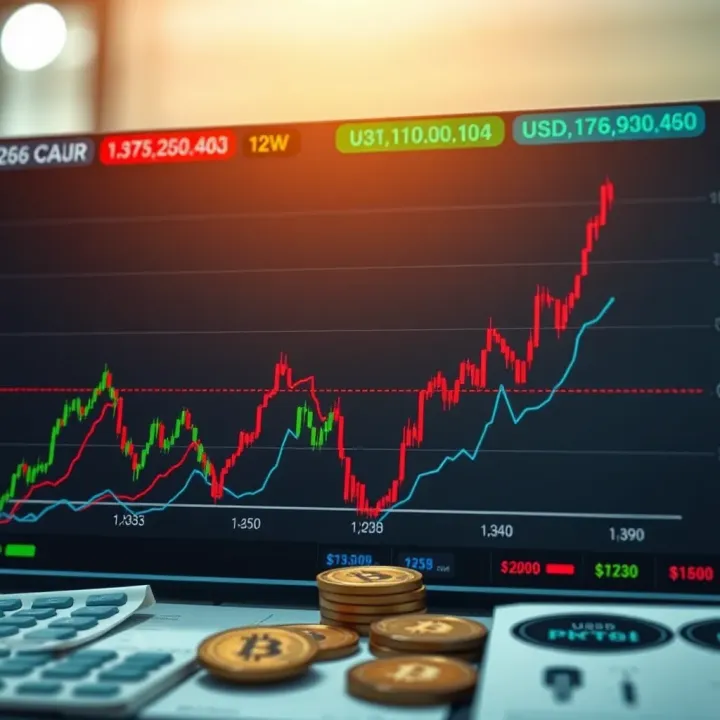
Over the last ten years, the USD to PKR rate has seen notable swings. Back in 2014, the rate hovered around Rs 100, but by 2023 it had crossed Rs 280 at times, reflecting a depreciation of nearly 180%. Such shifts impact import costs, foreign debt servicing, and overall inflation. Pakistani exporters often benefit during depreciation by becoming relatively cheaper in US markets, but consumers face pricier imported products.
This decade showed that economic cycles, political events, and global crises significantly influence the exchange rate. For instance, during the 2018 balance of payment crisis, the rupee faced severe pressure, while in relatively stable periods, the rate showed less volatility.
Key events have triggered sharp movements. The 2013 election period brought uncertainty, causing PKR weakness. The COVID-19 pandemic in 2020 also caused global dollar demand surges, impacting PKR. Additionally, international commodity price spikes, such as increases in oil prices, added to pressure on Pakistan's import bill and currency value.
Political decisions around IMF programmes and aid inflows have also influenced sentiment and exchange rates. For example, delays in IMF tranches tend to worsen investor confidence, pushing the rupee down.
Comparing current rates with previous years highlights ongoing challenges. Despite efforts by the State Bank of Pakistan (SBP) to stabilise the currency, PKR remains under pressure due to persistent trade deficits and external debt repayments. In 2024, the exchange rate remains volatile around Rs 280, significantly higher than Rs 150-160 levels seen half a decade ago.
For businesses and analysts, this means higher costs for imported raw materials and rising inflation risks. The public faces increased costs for essentials that rely on imports or dollar-based pricing.
Short-term fluctuations occur frequently due to market sentiment, remittance inflows around Eid or Ramadan, and global dollar strength. For example, sudden announcements from the US Federal Reserve on interest rates can cause PKR to fluctuate sharply in a single day.
Such volatility complicates forecasting but also creates tactical opportunities for traders using technical analysis. For exporters, it can mean unpredictable revenues, requiring careful hedging and pricing strategies.
To effectively navigate the USD to PKR exchange rate, understanding both the historical foundation and current movements offers a clearer view of the currency's future path and potential risks.
Exchange rate trends reflect not just economic fundamentals but also political and global shocks.
Keeping a close eye on rate movements helps businesses safeguard against currency risk.
Both short and long-term perspectives matter for practical decision-making in Pakistan's dynamic economy.
This background sets the stage for analysing deeper economic and policy factors shaping the exchange rate in the forthcoming sections.
Economic factors play a significant role in determining how the Pakistani Rupee (PKR) moves against the US Dollar (USD). These factors help traders, investors, and analysts forecast rate changes by providing clues about Pakistan’s economic health and external pressures. Understanding inflation, interest rates, trade balance, remittances, and capital flows is essential because they directly influence the demand and supply of foreign currency.
The State Bank of Pakistan (SBP) sets the benchmark interest rates, which impact borrowing costs across the economy. When inflation rises, SBP tends to increase policy rates to curb spending and contain price hikes. For example, if inflation surges to 12%, SBP might hike rates by 1-2%, making local currency deposits more attractive.
This adjustment affects foreign exchange as higher interest rates can attract foreign investment in government securities, increasing demand for PKR and supporting its value. Conversely, if SBP lowers rates to stimulate growth during economic slowdown, PKR may weaken due to reduced foreign interest.
Inflation erodes purchasing power, so higher inflation in Pakistan versus the US usually weakens PKR against USD. For instance, if Pakistan’s inflation is 10% and the US inflation is 3%, the USD naturally strengthens relative to PKR as goods and services in Pakistan cost more.
Moreover, widening inflation gaps may prompt SBP to adjust rates to stabilise the currency. Traders closely watch inflation reports and SBP statements to anticipate PKR shifts. Sharp inflation spikes often lead to volatility, impacting importers and exporters who rely on predictable currency movements.
Pakistan runs a persistent trade deficit, importing more than it exports, which puts downward pressure on PKR. When import bills for machinery, petroleum, or consumer goods increase sharply, demand for USD surges, weakening the rupee.
A practical example is the rising oil prices: higher oil imports push Pakistan’s trade deficit deeper, leading to more USD outflows. Exporters, meanwhile, may delay converting earnings to PKR if they expect the rupee to weaken further, which can reduce foreign currency inflows.
Remittances sent home by Pakistanis working abroad are a crucial source of foreign exchange. In FY 2023-24, remittances exceeded $30 billion, cushioning the current account and easing PKR pressure.
These inflows boost foreign currency reserves and help stabilise the rupee by increasing USD supply. Sharp drops in remittances, due to global slowdowns or stricter immigration policies, often trigger PKR depreciation. Thus, consistent remittance flows are vital for exchange rate stability.
Foreign Direct Investment (FDI) brings fresh capital into Pakistan’s economy, increasing demand for PKR as investors convert USD to local currency. Projects in sectors like energy, telecom, and infrastructure can ease pressure on PKR by supplying stable foreign currency.
For example, the China-Pakistan Economic Corridor (CPEC) has attracted billions in FDI, supporting PKR at times of market stress. However, FDI fluctuates with political risks and global investor sentiment, so it cannot be relied on fully for long-term currency stability.
Capital flight happens when investors rapidly withdraw funds from Pakistan due to economic uncertainty or political instability. This sudden USD demand causes sharp PKR depreciation.
For instance, during times of political unrest, wealthy individuals and institutional investors tend to move assets abroad, intensifying pressure on the exchange rate. Managing this outflow requires transparent policies and confidence-building by authorities.
Balancing these economic factors is key to maintaining a stable USD to PKR exchange rate that supports Pakistan’s growth while protecting consumers and businesses from sudden shocks.
Government policies and regulatory measures hold significant sway over the USD to PKR exchange rate by directly influencing market confidence and currency flow. In Pakistan’s context, these policies shape how foreign currency moves, impacting traders, investors, and businesses alike. Understanding these policies helps anticipate currency trends and make better financial decisions.
The State Bank of Pakistan (SBP) plays a central role in managing the exchange rate through its monetary policy and regulatory oversight. SBP often intervenes in the foreign exchange market to stabilise the rupee and curb excessive volatility. For example, when there is a sudden depreciation pressure on the PKR, SBP might sell its foreign currency reserves to meet demand, which eases short-term pressure on the exchange rate. Such actions demonstrate SBP’s crucial responsibility in keeping the rupee stable amid global and domestic shocks.
Besides direct market intervention, SBP formulates rules that banks and exchange companies must follow when facilitating foreign currency transactions. These regulations ensure orderly currency flows and prevent illegal hoarding of foreign exchange. They also encourage transparency in forex dealings, giving businesses and investors a clearer environment to operate within.
Currency controls and interventions by the government serve as tools to manage liquidity and exchange rate fluctuations. Pakistan has employed measures such as restrictions on importing luxury items or non-essential goods to limit foreign currency outflow. These controls help conserve scarce foreign reserves, especially during crisis periods. For example, tightening regulations on imports of non-essential electronics or luxury cars reduces demand for dollars, indirectly supporting the PKR value.
Interventions also include adjusting limits on foreign currency accounts and regulating remittance inflows. While such measures help stabilise the currency, they can sometimes cause short-term disruptions in trade and investment. Traders and exporters keep a close eye on announcements related to currency controls since sudden changes can affect pricing and cash flows.
Government borrowing influences the exchange rate through its impact on macroeconomic stability. When Pakistan finances a large budget deficit by borrowing domestically and internationally, it tends to increase demand for foreign currency, especially if loans are denominated in USD. This borrowing puts pressure on the PKR as more rupees convert to dollars to service external debt and imports.
For instance, if the government borrows Rs 3,000 billion in a fiscal year without matching revenue growth, it may need to secure dollars to repay foreign creditors, pushing the PKR towards depreciation. Moreover, higher borrowing can stoke inflation, prompting currency weakness that traders factor into exchange rate expectations.
The relation to exchange rate stability lies in the government’s ability to maintain fiscal discipline. Persistent budget deficits can undermine market confidence, prompting speculative attacks on the PKR. On the other hand, constructive fiscal policies targeting deficit reduction tend to stabilise the currency and attract investment.
Budget controls that reduce reliance on foreign borrowing help ease pressure on foreign exchange reserves. Pakistan’s fiscal adjustments in recent years, such as raising tax collection through the Federal Board of Revenue (FBR) and controlling non-development expenditures, have aimed at stabilising the rupee by limiting excessive deficit financing.
Government policies around foreign exchange and fiscal management aren’t just abstract macroeconomic ideas — they directly impact the rupee’s value and, consequently, the cost of everything from fuel to imported machinery for businesses.
External and global factors play a significant role in shaping the USD to PKR exchange rate. They influence market sentiment, affect trade balances, and impact foreign currency reserves. For Pakistani traders and investors, understanding these global forces is essential for anticipating currency shifts and managing risks effectively.
The State Bank of Pakistan closely watches US Federal Reserve policies since US interest rate changes generally cause ripple effects globally. When the Fed raises rates, the US dollar often strengthens as investors chase higher returns. This typically leads to depreciation of emerging market currencies, including the PKR, because capital flows out of these markets. For instance, last year when the Fed raised rates four times, the PKR weakened against the USD, putting pressure on importers in Pakistan to manage higher cost inputs.
On the other hand, if the Fed lowers rates or signals a halt, the dollar tends to lose some strength, offering relief to the PKR. Pakistani businesses can use this information to time their foreign exchange purchases to secure better rates and protect profit margins.
The dollar index measures the USD against a basket of major currencies like the Euro, Yen, and Pound. It acts as a broad gauge of dollar strength on global stages. When the dollar index climbs, it usually indicates a stronger USD, which can push the PKR lower due to higher demand for dollars worldwide.
Traders in Pakistan watch these trends closely. For example, a sustained rise in the dollar index amidst geopolitical uncertainties may signal upcoming rupee weakness, prompting exporters to hedge or adjust pricing. Conversely, a falling dollar index might encourage importers to advance payments, availing lower conversion rates.
Pakistan heavily depends on imported oil, so global oil price fluctuations impact the trade deficit and inflation directly. When crude prices rise sharply, Pakistan's import bill swells, putting foreign currency reserves under strain. This often leads to increased demand for dollars, which can weaken the PKR.
Similarly, falling oil prices can ease the pressure on Pakistan’s economy, improving the balance of payments and providing some cushioning to the rupee. Businesses involved in transportation, manufacturing, and utilities feel these impacts sharply as fuel costs affect operating expenses.
Oil price hikes usually translate into PKR depreciation, raising the cost of everyday goods due to pass-through inflation. Households feel the pinch through pricier petrol and cooking fuel, while inflationary effects push the central bank to consider tighter monetary policies.
For investors, recognising how commodity markets sway the exchange rate is vital. Sudden oil shocks can unsettle currency markets quickly, so staying ahead with commodity price forecasts helps in strategic currency management.
Pakistan’s geopolitical surroundings, including tensions with neighbouring countries, influence investor confidence and currency stability. Heightened conflict risks or diplomatic strains often prompt capital flight and reduce foreign investment, leading to PKR depreciation.
For example, escalation near the border or political uncertainty can trigger short-term rupee weakness as the market seeks safer assets like the US dollar. Financial analysts factor these risks when forecasting exchange rate movements, advising clients on hedging strategies.
New trade deals or sanctions significantly affect Pakistan’s export-import balance and foreign currency flows. For instance, a beneficial trade agreement with China under the China-Pakistan Economic Corridor (CPEC) improves export prospects and foreign investment, which supports PKR.
Conversely, sanctions on key regional players can disrupt supply chains, increase costs, and reduce remittance flows, pressuring the rupee. Businesses should monitor policy shifts to better anticipate exchange rate pressures and plan cash flows accordingly.
External and global factors may seem distant, but they directly shape the USD to PKR exchange rate and, by extension, Pakistan’s economic health. Staying updated on these can help traders, investors, and analysts make informed decisions and reduce unexpected shocks.
Keep track of US Fed announcements for potential rate changes.
Monitor dollar index trends alongside local economic indicators.
Watch global oil prices as early signals of import cost changes.
Follow geopolitical news to anticipate capital movement affecting PKR.
Understanding these interconnected factors is essential in today’s currency markets, especially with Pakistan’s sensitivity to global economic shifts.
Predicting the USD to PKR exchange rate helps businesses, investors, and policymakers prepare for market movements. However, this task involves complex methods and faces several hurdles due to the interplay of local and global factors. Understanding the available analytical tools and their limits aids in making more informed decisions about risks and opportunities.
Econometric models use statistical techniques and economic data to estimate future exchange rate movements. These models typically include variables like inflation rates, interest rates set by the State Bank of Pakistan (SBP), trade balances, and capital flows. For example, a vector autoregression (VAR) model might analyse how shocks in remittance inflows or oil prices impact PKR value over time.
Such models are practical for governments and financial institutions to form mid- to long-term forecasts. But they need reliable, up-to-date data. For instance, when Pakistan’s trade deficit widens unexpectedly, an econometric model can quantify how much that gap might depreciate the Rupee. This helps SBP and traders adjust their strategies accordingly.
Technical analysis relies on historical exchange rate charts and market indicators like moving averages, Relative Strength Index (RSI), or Bollinger Bands to predict short-term price trends. Traders use these tools to spot patterns such as support and resistance levels or price momentum, which help time forex transactions.
In the volatile PKR market, technical analysis suits day traders or exporters needing quick decisions. For example, sudden shifts in USD/PKR rates during political uncertainty can be interpreted through chart patterns before economic data is published. However, it depends heavily on recognising past price behaviours, which may not capture fundamental shifts due to policy changes or global shocks.
External events like geopolitical tensions, sudden hikes in global oil prices, or policy moves by the US Federal Reserve cause sharp movements in USD/PKR. These shocks often occur without warning, disrupting forecasts based on stable trends. For instance, a regional conflict or trade sanctions can prompt rapid PKR depreciation that standard models struggle to predict.
Such external shocks highlight why currency forecasts usually come with disclaimers. Market participants must prepare for sudden volatility by monitoring international developments continuously.
Pakistan faces challenges with timely and accurate economic data, which limits forecasting precision. Delays in publishing official trade, inflation, or foreign investment figures reduce the relevance of econometric models. Additionally, underreporting or informal economic activities can distort the real picture.
For example, delays in monthly SBP data releases or discrepancies in trade statistics from the Pakistan Bureau of Statistics (PBS) can cause forecast errors. In such cases, analysts may rely on proxy indicators or market sentiment, adding another layer of uncertainty.
Effective prediction of the USD to PKR rate demands combining models with real-world awareness of data gaps and external risks. This balanced approach aids traders and policymakers in navigating Pakistan's challenging forex environment.
The USD to PKR exchange rate impacts both businesses and everyday consumers across Pakistan. Fluctuations in the currency affect costs, pricing, investment decisions, and household spending power. Understanding these implications helps traders, investors, and financial analysts manage risks and adapt strategies appropriately.
Hedging strategies play a vital role in protecting businesses from currency volatility. Exporters and importers often use forward contracts or options available through commercial banks and financial institutions to lock in exchange rates. For example, a textile exporter in Faisalabad may agree today to sell US dollars at a fixed rate for a shipment arriving months later, avoiding losses if the rupee weakens in the meantime. This helps firms budget more accurately and maintain profit margins despite market swings.
Companies also adjust their foreign currency exposure by diversifying suppliers or accepting payments in PKR where possible to reduce dependency on the USD. However, hedging involves costs and requires timely market insight, making it more suited for larger businesses or those with regular foreign transactions.
Pricing adjustments are another practical response to exchange rate changes. When the PKR depreciates, the cost of imported raw materials and components rises, pushing manufacturers to increase their product prices. For instance, automobile producers may pass higher import costs onto customers as car prices rise. Retailers similarly update pricing on imported goods, including electronics and machinery.
That said, businesses must balance price hikes with consumer demand sensitivity, especially in sectors where price competition is fierce. Some companies absorb part of the currency impact temporarily to maintain customer loyalty or market share, though this reduces short-term profitability.
The pass-through effect on imported goods means exchange rate depreciation typically leads to higher prices of imported items. Pakistan relies heavily on imports for fuel, machinery, chemicals, and consumer electronics. As the PKR weakens, these goods cost more in rupee terms, pushing inflation upwards. This inflation tends to affect the entire economy, as higher fuel costs increase logistics and production expenses.
Greater import costs also pressure the government’s balance of payments and foreign reserves, sometimes forcing tighter monetary policies that further influence exchange rates in a feedback loop.
The household budget impact is felt directly when rising prices reduce purchasing power. Most Pakistani families find essentials like cooking oil, sugar, and medication becoming pricier during periods of PKR depreciation. A household spending Rs 30,000 monthly on groceries might see a notable increase, squeezing disposable income.
Besides inflation, remittance recipients may notice changes too. When PKR weakens, they receive more rupees per dollar sent, which can partially offset inflation effects. Still, overall economic uncertainty can lead to cautious spending and affect sectors like retail and services.
For Pakistani businesses and consumers alike, monitoring USD to PKR trends is essential to make informed financial choices and safeguard economic well-being.
📉 Discover key factors shaping USD to PKR exchange rates—from economy to geopolitics—and get expert tips for navigating future currency trends effectively.
Get a detailed look at PKR-USD exchange trends, key economic factors, policies, and global events shaping dollar rates in Pakistan 🇵🇰💵📉 for informed decisions.

📊 Explore key factors shaping USD to PKR rates: history, economics, policies & global trends. Insights for investors, businesses & consumers in Pakistan.
📉 Get detailed insights into USD to PKR trends, key economic and political factors, and practical tips to understand and adapt to exchange rate movements.
Based on 7 reviews